Training Tips for Dogs with Separation Anxiety: A Complete Guide
Discover proven training tips for dogs with separation anxiety. Learn step-by-step techniques, common mistakes to avoid, and how to help your dog feel calm alone.

Training Tips for Dogs with Separation Anxiety: A Complete Guide to Helping Your Pup Feel Calm When Alone
If your dog howls the moment you grab your keys, scratches at doors when you leave the room, or has accidents indoors only when you are away, you are likely dealing with separation anxiety. This common behavioral issue affects millions of dogs worldwide, and it can be heartbreaking for pet parents who want nothing more than to see their furry companions feel safe and secure.
Separation anxiety is not about disobedience or spite. It is a genuine stress response that occurs when a dog becomes overwhelmed by the absence of their primary attachment figure. The good news? With patience, consistency, and the right training approach, most dogs can learn to feel comfortable spending time alone.
In this comprehensive guide, we will walk you through proven training strategies, practical exercises, and expert-backed tips to help your dog overcome separation anxiety. Whether you have a newly adopted rescue dog adjusting to a new home or a lifelong companion who has suddenly developed anxious behaviors, these techniques can make a meaningful difference.
Understanding Separation Anxiety in Dogs
Before diving into training techniques, it is essential to understand what separation anxiety actually is and why it develops. Separation anxiety is a condition in which a dog exhibits distress behaviors when separated from the person or people they are most bonded to. It goes beyond normal whining or brief moments of adjustment; it is a state of genuine panic.
Common Signs of Separation Anxiety
Recognizing the symptoms is the first step toward effective treatment. Dogs with separation anxiety may display one or more of the following behaviors:
- Destructive behavior: Chewing furniture, scratching doors or windows, and destroying household items, particularly near entry and exit points
- Excessive vocalization: Prolonged barking, howling, or whining that begins shortly after departure and continues for extended periods
- Inappropriate elimination: Urinating or defecating indoors, even in dogs who are fully house-trained
- Pacing and restlessness: Repetitive patterns of movement, often in circular paths or along windows and doorways
- Escape attempts: Desperate efforts to break out of crates, rooms, or even the home itself, sometimes resulting in injury
- Excessive salivation and drooling: Physical stress responses that occur only during periods of separation
- Shadowing behavior: Following their owner from room to room, becoming visibly distressed when physical proximity is blocked
What Causes Separation Anxiety?
Several factors can contribute to the development of separation anxiety in dogs. Understanding these root causes can help you tailor your training approach more effectively:
- Changes in routine: A sudden shift in your daily schedule, such as returning to work after an extended period at home, can trigger anxiety
- Traumatic experiences: Dogs who have experienced abandonment, multiple rehoming, or time in shelters are at higher risk
- Genetic predisposition: Certain breeds and individual temperaments are more prone to anxiety-related behaviors. Explore our breed guides to learn about temperament tendencies
- Lack of early socialization: Puppies who were not gradually exposed to periods of alone time during critical developmental stages may struggle later in life
- Loss of a family member: The departure or death of a household member, whether human or animal, can trigger separation-related distress
It is important to distinguish separation anxiety from other behavioral issues. Boredom, insufficient exercise, and incomplete house training can produce similar symptoms. A thorough assessment of your dog's behavior patterns, ideally with input from a veterinarian or certified behaviorist, will help you confirm the diagnosis before beginning a training program.
Step-by-Step Desensitization Training for Separation Anxiety
Desensitization is the cornerstone of treating separation anxiety. The goal is to gradually teach your dog that being alone is safe, predictable, and ultimately unremarkable. This process requires patience and consistency, but the results are well worth the investment of time and effort.
Step 1: Identify and Desensitize Departure Cues
Dogs with separation anxiety often begin to feel stressed long before you actually leave. They learn to associate specific actions with your departure, and these "departure cues" can trigger anxiety on their own. Common departure cues include:
- Picking up your keys or purse
- Putting on shoes or a coat
- Turning off lights or adjusting the thermostat
- Opening the garage door
- Saying phrases like "be good" or "I will be back"
To desensitize your dog to these cues, perform each action repeatedly throughout the day without actually leaving. Pick up your keys, then sit back down on the couch. Put on your shoes, then make a cup of coffee. Over time, your dog will learn that these cues do not always predict your departure, and their anxiety response will diminish.
Practice each cue individually until your dog shows no reaction, then begin combining cues. This process may take several days or weeks, depending on the severity of your dog's anxiety. For more foundational training strategies, check out our guide on basic obedience training.
Step 2: Practice Short Absences
Once your dog is comfortable with departure cues, begin practicing very short absences. Start with durations so brief that your dog does not have time to become anxious.
- Walk to the door, open it, step outside, close the door, and immediately return. Keep your departure and return calm and low-key.
- Gradually increase the time you spend outside, starting with five seconds, then ten, then thirty seconds, then one minute.
- Only increase the duration when your dog remains calm at the current level. If your dog shows signs of distress, reduce the duration and proceed more slowly.
- Practice multiple short sessions throughout the day rather than one long session.
The key is to always return before your dog becomes anxious. This builds a pattern of trust: you leave, and you always come back. Over time, you can extend absences to five minutes, then fifteen, then thirty, and eventually to several hours.
Step 3: Build Up to Longer Absences Gradually
As your dog becomes comfortable with short absences, begin extending the time you are away. This phase of training requires the most patience, as progress may feel slow. Here is a general timeline to guide your expectations:
- Weeks 1-2: Absences of 1 to 5 minutes
- Weeks 3-4: Absences of 5 to 20 minutes
- Weeks 5-8: Absences of 20 minutes to 1 hour
- Weeks 9-12: Absences of 1 to 4 hours
These timelines are approximate and will vary significantly based on your dog's individual needs. Some dogs progress faster, while others need more time at each stage. Never rush the process, as pushing too quickly can set back your progress considerably.
Vary the length of your absences rather than following a predictable pattern. A sequence like 5 minutes, 2 minutes, 15 minutes, 3 minutes, 30 minutes helps prevent your dog from anticipating when you will return, which can reduce anxiety.
Step 4: Incorporate a Safe Space
Creating a designated safe space can provide your dog with a sense of security during your absences. This might be a crate, a specific room, or a gated area of your home. The key is to make this space associated with positive experiences.
Introduce the safe space gradually by feeding meals there, providing favorite toys, and spending calm time together in the area. Never use the safe space as punishment. Once your dog views the space positively, begin practicing your short absences with your dog in this area.
Creating a Calming Environment for Your Anxious Dog
Training is most effective when paired with environmental modifications that support your dog's emotional well-being. A thoughtfully designed environment can significantly reduce your dog's stress levels and accelerate your training progress.
Exercise and Mental Stimulation
A tired dog is a calm dog, and this principle is especially important for dogs with separation anxiety. Ensure your dog receives adequate physical exercise before you leave. A brisk walk, a game of fetch, or a jog together can help burn off excess energy that might otherwise fuel anxious behaviors.
Mental stimulation is equally important. Puzzle toys, treat-dispensing toys, and interactive feeders can keep your dog's mind engaged during your absence. Consider rotating toys regularly to maintain novelty and interest. Our article on mental stimulation games for dogs offers dozens of ideas to keep your pup engaged.
Comfort Items and Sensory Support
Leaving behind items that carry your scent can provide comfort to an anxious dog. An unwashed t-shirt or a small blanket that smells like you can be placed in your dog's safe space. Some dogs find comfort in soft, plush toys that they can nestle against.
Consider these sensory modifications to create a more soothing environment:
- Background noise: Leave a radio, television, or white noise machine on to mask outside sounds and provide a sense of company. Classical music and specially designed dog relaxation music have shown positive results in studies
- Calming pheromones: Synthetic dog-appeasing pheromone diffusers or sprays can create a calming atmosphere in your dog's space
- Window management: Close curtains or blinds if outside stimuli like passing dogs or pedestrians trigger your dog's anxiety
- Temperature control: Ensure the environment is comfortable, not too hot or too cold, as physical discomfort can amplify stress
Establishing Predictable Routines
Dogs thrive on predictability, and a consistent daily routine can significantly reduce anxiety. Try to maintain regular schedules for feeding, walks, playtime, and departures. When your dog can predict what comes next in their day, they feel more secure and in control.
Create a brief departure ritual that is calm and low-key. Avoid dramatic goodbyes or overly emotional greetings when you return. While it is tempting to shower your dog with affection before leaving and upon returning, these heightened emotional moments can actually increase anxiety by emphasizing the significance of your comings and goings.
Advanced Training Techniques and Tools
For dogs with moderate to severe separation anxiety, basic desensitization may need to be supplemented with additional techniques and tools. These advanced strategies can provide extra support during the training process.
Counter-Conditioning with High-Value Treats
Counter-conditioning involves changing your dog's emotional response to being alone by pairing solitude with something they love. The most effective approach is to provide a special treat or toy that your dog only receives when you leave.
Frozen treat-stuffed toys, long-lasting chews, or food-dispensing puzzles can keep your dog occupied and create a positive association with your departure. The key is that these items must be highly motivating and available exclusively during alone time. When you return, calmly remove the special item so it retains its value.
This technique works best when combined with desensitization training. Start by offering the special treat during very short absences and gradually increase the duration as your dog becomes more comfortable.
Technology-Assisted Training
Modern technology offers valuable tools for monitoring and managing separation anxiety. Consider incorporating these resources into your training plan:
- Pet cameras: Wi-Fi enabled cameras allow you to monitor your dog's behavior in real time, helping you identify the exact moments when anxiety begins and adjust your training accordingly
- Treat-dispensing cameras: Some cameras allow you to remotely dispense treats and speak to your dog, which can be useful for reinforcing calm behavior during absences
- Activity monitors: Wearable devices can track your dog's movement and rest patterns, providing data that helps you assess progress objectively
- Calming apps: Smartphone apps designed to play soothing sounds or music for dogs can be left running during your absence
When using cameras, resist the urge to talk to your dog through the device if it increases their excitement or frustration. For some dogs, hearing your voice without being able to reach you can worsen anxiety rather than alleviate it.
Working with a Professional
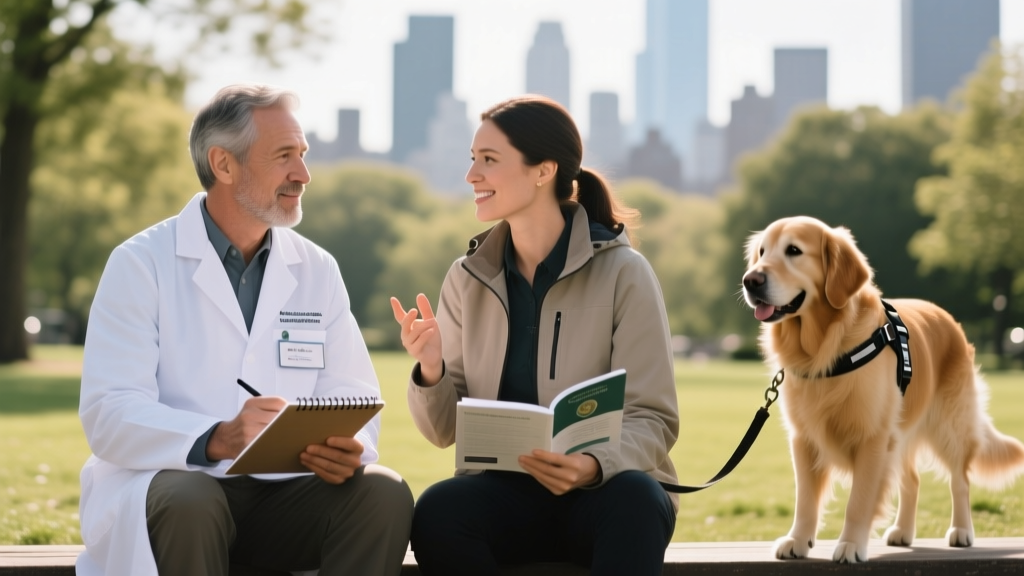
While many cases of separation anxiety can be managed with dedicated home training, some dogs benefit greatly from professional guidance. A certified dog behaviorist or a veterinarian specializing in behavioral medicine can provide personalized training plans, assess whether medication might be appropriate, and offer ongoing support throughout the process.
Consider seeking professional help if your dog is injuring themselves during escape attempts, if your training efforts have not produced improvement after several weeks, or if your dog's anxiety is affecting your household's quality of life. There is no shame in asking for help, and early intervention often leads to better outcomes.
For dogs with anxiety related to specific situations, our guides on socialization training and desensitization techniques may provide additional strategies that complement your separation anxiety work.
Common Mistakes to Avoid When Training Dogs with Separation Anxiety
Even well-intentioned pet parents can inadvertently make separation anxiety worse. Being aware of these common pitfalls will help you stay on track and avoid setbacks in your training journey.
Mistake 1: Punishing Anxiety-Related Behaviors
One of the most damaging mistakes is punishing your dog for behaviors caused by anxiety. Scolding, yelling, or using aversive tools in response to destructive behavior or vocalization does not address the underlying fear. Instead, it adds another layer of stress to an already overwhelming experience. Your dog is not being naughty; they are terrified. Responding with punishment erodes trust and can intensify anxiety over time.
Mistake 2: Making Departures and Arrivals Too Emotional
While it is natural to want to comfort your dog before leaving, prolonged goodbyes and exuberant greetings actually amplify the emotional significance of your departures and returns. Keep your comings and goings as calm and matter-of-fact as possible. A brief, quiet acknowledgment is far more beneficial than an emotional scene.
Mistake 3: Progressing Too Quickly
Patience is essential when treating separation anxiety. Rushing through the desensitization process by increasing absence durations too quickly can trigger panic and undo previous progress. Always advance at your dog's pace, not your own. If your dog shows signs of distress at any stage, return to the last successful duration and proceed more gradually.
Mistake 4: Inconsistency in Training
Separation anxiety training requires consistent practice. Skipping sessions, varying your approach from day to day, or abandoning the program when progress seems slow will undermine your results. Commit to daily practice sessions, even if they are brief, and maintain a consistent approach across all family members.
Mistake 5: Relying Solely on Crating
While crates can be a valuable tool for some dogs, they can worsen anxiety in others. Dogs with confinement anxiety or those who have not been properly crate trained may experience increased panic when confined. Always assess your dog's individual response to crating and consider alternative safe spaces if the crate causes additional distress.
Mistake 6: Ignoring the Role of Overall Enrichment
Separation anxiety does not exist in a vacuum. Dogs who lack adequate physical exercise, mental stimulation, and social interaction are more vulnerable to anxiety-related behaviors. Addressing your dog's overall lifestyle and enrichment needs is just as important as the specific training exercises you practice.
Frequently Asked Questions About Separation Anxiety Training
How long does it take to train a dog with separation anxiety?
The timeline for overcoming separation anxiety varies widely depending on the severity of the condition, the dog's history, and the consistency of the training program. Mild cases may show significant improvement within four to six weeks, while moderate to severe cases can require three to six months or longer of dedicated work. Some dogs with deep-rooted anxiety may need ongoing management throughout their lives. The most important factor is consistency. Daily practice, even in small increments, produces far better results than sporadic, intensive sessions. Celebrate small victories along the way and remember that progress is rarely linear.
Can separation anxiety be cured completely?
Many dogs can achieve a state where they are comfortable being alone for reasonable periods, and some dogs appear to fully recover. However, it is more accurate to think of separation anxiety as a condition that is managed rather than cured. Even dogs who have made remarkable progress may experience setbacks during periods of stress, routine changes, or illness. Maintaining the habits and routines you established during training, continuing to provide enrichment, and being mindful of your dog's emotional state will help sustain long-term improvement. For some dogs, particularly those with severe cases or traumatic histories, ongoing management strategies may be a permanent part of their care plan.
Should I get another dog to help with my dog's separation anxiety?
Getting a second dog is not a reliable solution for separation anxiety and can sometimes make the problem worse. While some dogs do benefit from canine companionship, there is no guarantee that a new dog will alleviate your current dog's anxiety. In many cases, the anxious dog is specifically bonded to their human, and the presence of another animal does not address the root cause of their distress. Additionally, introducing a second dog creates the possibility that both dogs may develop separation anxiety, or that the new dog may introduce additional behavioral challenges. If you are considering adding another dog to your family, do so because you are ready for the commitment of a second pet, not as a treatment strategy for your current dog's anxiety. Focus on proper introduction techniques if you do decide to expand your household.
Is medication necessary for treating separation anxiety in dogs?
Medication is not always necessary, but it can be a valuable component of treatment for dogs with moderate to severe separation anxiety. Anti-anxiety medications prescribed by a veterinarian can help reduce your dog's baseline stress level, making them more receptive to behavioral training. Medication is most effective when used in combination with a structured desensitization and counter-conditioning program, not as a standalone solution. Natural supplements such as L-theanine, calming chews, and pheromone products may provide mild support for less severe cases. Always consult your veterinarian before starting any medication or supplement, as they can assess your dog's specific needs and recommend the safest, most appropriate options.
Will my dog's separation anxiety get worse if I ignore it?
Yes, untreated separation anxiety typically worsens over time. Dogs do not outgrow this condition on their own, and the stress of repeated panic episodes can have negative effects on their physical and emotional health. Chronic anxiety can lead to suppressed immune function, digestive issues, and the development of additional behavioral problems such as excessive barking or compulsive behaviors. Early intervention is key. The sooner you begin a structured training program, the better your chances of achieving meaningful improvement. If you are struggling to manage your dog's anxiety alongside your daily responsibilities, reach out to a professional trainer or veterinary behaviorist who can provide guidance and support tailored to your situation.
Final Thoughts on Helping Your Dog Overcome Separation Anxiety
Training a dog with separation anxiety is one of the most challenging yet rewarding journeys a pet parent can undertake. It requires patience, empathy, and a willingness to move at your dog's pace. There will be difficult days when progress feels invisible, and there will be breakthrough moments that remind you why the effort is worthwhile.
Remember that your dog is not trying to be difficult. They are expressing genuine fear and uncertainty, and they are looking to you for guidance and reassurance. By implementing the desensitization techniques, environmental modifications, and management strategies outlined in this guide, you are giving your dog the tools they need to feel safe and confident when alone.
Every dog is an individual, and what works for one may need to be adapted for another. Stay flexible, observe your dog's responses carefully, and do not hesitate to seek professional support when needed. With time, consistency, and compassion, you can help your anxious dog discover that being alone does not mean being abandoned.
For more training resources, explore our complete library of dog training guides covering everything from puppy training fundamentals to advanced behavioral modification techniques. Your journey toward a happier, more confident dog starts with a single step.
Anouk Beaumont
All our authors care for dogs every day — read more of their work on the authors page.