Multi-Dog Household Training: A Complete Guide to
Master multi-dog household training with expert tips on managing pack dynamics, preventing conflicts, and building harmony between your canine companions.
Multi-Dog Household Training: A Complete Guide to Peaceful Coexistence
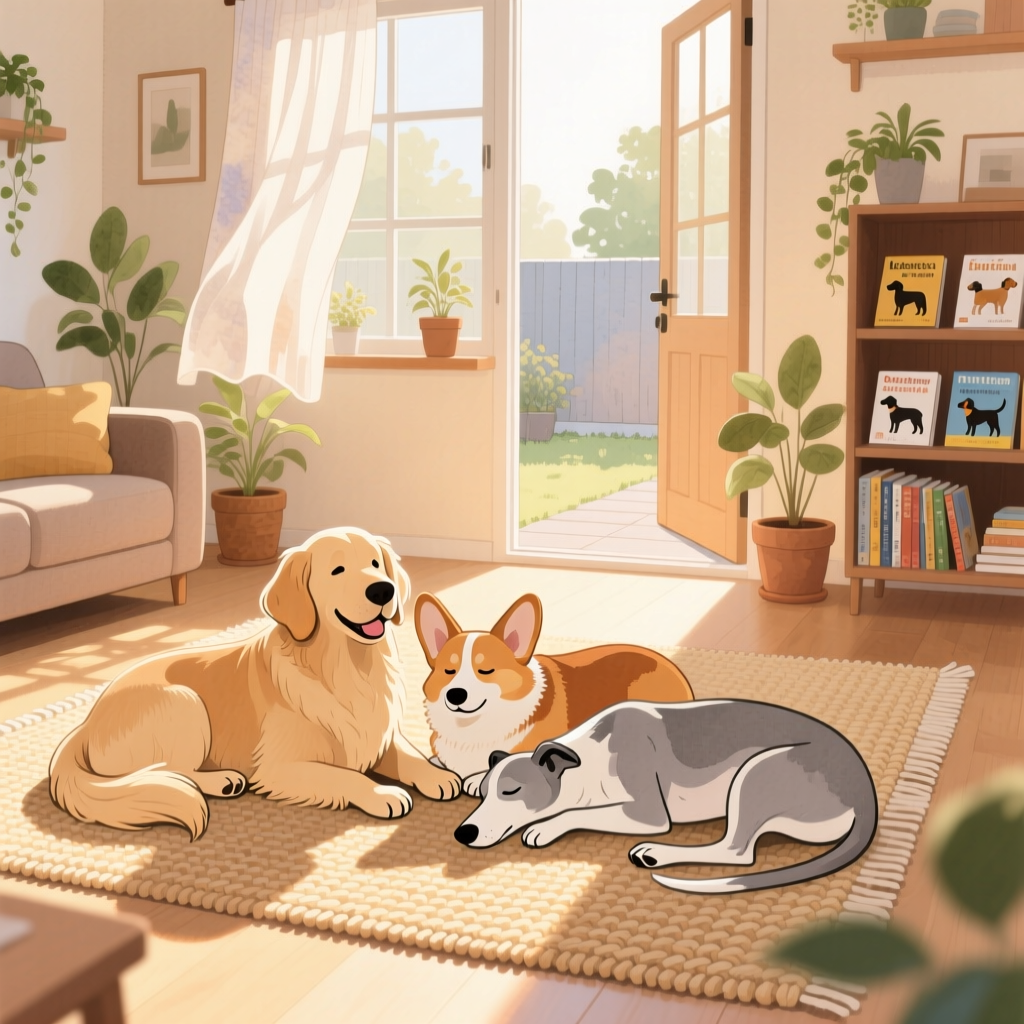
Sharing your home with multiple dogs can be one of the most rewarding experiences a pet owner can have. Watching your dogs play together, curl up side by side, and form their own unique bonds brings a kind of joy that single-dog households simply cannot replicate. But as any seasoned multi-dog owner knows, the reality of managing several canines under one roof is not always as serene as the picture-perfect moments suggest.
Multi-dog household training is the cornerstone of a peaceful, well-functioning home. Without proper training and management strategies, even the most easygoing dogs can develop behavioral issues, resource guarding tendencies, and rivalry that disrupts the harmony you envisioned. Whether you are introducing a new puppy to your resident dog, managing a household of three or more dogs, or simply looking to refine the dynamics between your existing pack, this comprehensive guide will walk you through every essential aspect of multi-dog household training.
The good news? With patience, consistency, and the right techniques, you can cultivate a household where every dog feels secure, respected, and happy. Let us dive into the strategies that will transform your multi-dog home from chaotic to calm.
Understanding Pack Dynamics & Canine Social Structure
Before you can effectively train multiple dogs living together, it is essential to understand how dogs naturally organize themselves socially. Dogs are social animals with an innate understanding of hierarchy, boundaries, and communication. However, the popular notion of a rigid, dominance-based pack structure has been largely debunked by modern canine behaviorists. The reality is far more nuanced and, fortunately, far more useful for training purposes.
How Dogs Actually Relate to One Another
In a multi-dog household, relationships are fluid rather than fixed. One dog may take the lead in certain contexts, such as greeting visitors, while another may be the first to investigate new objects or claim the best sleeping spot. These contextual roles shift based on temperament, age, health, and even time of day. Recognizing this fluidity is key to avoiding the trap of labeling one dog as the "alpha" and forcing rigid hierarchies that can actually increase tension.
Reading Canine Body Language
Successful multi-dog management depends heavily on your ability to read canine body language. Understanding subtle signals helps you intervene before conflicts escalate. Key signals to watch for include:
- Calming signals: Lip licking, yawning, turning away, and sniffing the ground are all ways dogs diffuse tension and communicate peaceful intentions
- Stress indicators: Whale eye (showing the whites of the eyes), stiff body posture, raised hackles, and a tightly tucked tail signal discomfort
- Play invitations: The classic play bow, bouncy movements, and relaxed open-mouthed expressions indicate healthy social engagement
- Warning signs: Hard stares, frozen posture, low growls, and curled lips mean a dog is asking for space and should be respected
Investing time in learning to read these signals will pay enormous dividends in your multi-dog training journey. For a deeper understanding of breed-specific temperaments that influence social behavior, explore our dog breed guides to better understand your individual dogs' natural tendencies.
The Human Role in Pack Dynamics
You are not merely an observer in your dogs' social structure — you are the leader and the manager. Your role is to set boundaries, provide resources fairly, and create an environment where every dog feels safe. This does not mean dominating your dogs through force or intimidation. Instead, it means being a calm, consistent, and predictable presence that your dogs can trust to make good decisions on their behalf.
Establishing Individual Training Foundations
One of the most common mistakes in multi-dog households is attempting to train all dogs simultaneously from the start. The foundation of successful group dynamics is strong individual training. Each dog must learn basic obedience commands and develop a reliable relationship with you before you can expect them to function well as a group.
Step 1: Train Each Dog Separately First
Begin by working with each dog one-on-one in a quiet, distraction-free environment. Focus on building a solid foundation in these essential commands:
- Sit & Stay: The building blocks of impulse control. Every dog should be able to hold a sit-stay for at least thirty seconds before progressing to group training
- Come (Recall): A reliable recall is critical for safety and management. Practice in increasingly distracting environments until your dog responds consistently
- Leave It: This command is invaluable for preventing resource guarding and redirecting attention away from other dogs when tensions rise
- Place/Go to Bed: Teaching each dog to go to a designated spot gives you a powerful management tool for controlling the energy in a room
- Drop It: Essential for preventing tug-of-war conflicts over toys, stolen items, or contraband snacks
If you are just getting started with basic obedience, our basic obedience training guide provides a thorough foundation for each of these commands.
Step 2: Build Individual Bonds
Each dog in your household needs dedicated one-on-one time with you. This is not just about training — it is about building a relationship that ensures each dog sees you as a source of guidance, comfort, and positive experiences. Schedule individual walks, play sessions, and cuddle time with each dog regularly. This prevents competition for your attention and reduces jealousy-driven behaviors.
Step 3: Assess Each Dog's Temperament
Take honest stock of each dog's personality, triggers, and behavioral quirks. Is one dog a resource guarder? Is another overly excitable? Does one tend to bully while another is more submissive? Understanding these individual profiles allows you to tailor your training approach and anticipate potential flashpoints before they occur. For puppies joining a multi-dog home, our puppy training essentials guide covers early socialization strategies that set the stage for harmonious group living.
Group Training Techniques for Multiple Dogs
Once each dog has a solid individual foundation, you can begin the exciting process of training them together. Group training requires more patience, better timing, and sharper management skills than individual sessions, but the payoff is a household of dogs that can coexist calmly and respond to cues even in the presence of their housemates.
Starting Group Sessions: A Step-by-Step Approach
Step 1: Begin with parallel training. Position two dogs at a comfortable distance from each other, each on a leash if necessary. Ask both dogs to sit, reward each one individually by name. This teaches them that good things happen when they are calm in each other's presence without requiring direct interaction.
Step 2: Reduce distance gradually. Over multiple sessions, slowly decrease the distance between the dogs while maintaining the same exercises. If either dog becomes distracted, reactive, or unable to focus, you have moved too quickly. Increase the distance and try again.
Step 3: Add duration and distraction. Once both dogs can perform basic commands side by side, begin adding duration to stays and introducing mild distractions. Have one dog hold a stay while you toss a treat to the other. This builds impulse control in a group context.
Step 4: Practice group recalls. Call both dogs by name and reward them for coming. Use high-value treats initially and gradually reduce the reward frequency as reliability improves. Always reward each dog individually to prevent competition at the reward point.
Step 5: Integrate into daily routines. Ask all dogs to sit before meals, wait at doors, and settle on their respective place beds during household activities. These daily practice moments reinforce group manners without requiring formal training sessions.
Managing Arousal Levels in Group Settings
One of the greatest challenges in multi-dog training is managing collective arousal. When one dog gets excited, the others tend to follow, creating a snowball effect that can quickly spiral out of control. Implement these strategies to keep group energy manageable:
- Use settle protocols: Teach all dogs a "settle" or "place" command that sends them to their individual beds. Practice this during low-arousal times first, then gradually use it during exciting moments like doorbell rings or meal preparation
- Implement calmness criteria: Make calm behavior the gateway to everything your dogs want. They only get fed when calm, leashed for walks when calm, and given attention when calm
- Separate when necessary: There is no shame in using baby gates, crates, or separate rooms to manage energy levels. If the group dynamic becomes too heated, give everyone a break
- Reward calm group behavior: When all dogs are resting peacefully together, quietly drop treats near each one. This reinforces the idea that calm coexistence is rewarding
Structured Group Activities
Incorporate activities that build positive associations between your dogs while reinforcing training:
- Group walks: Walking together in a structured formation builds teamwork and burns energy. Practice loose-leash walking as a group, referring to our leash training guide for techniques that work with multiple dogs
- Training games: Games like "find it" (scattering treats for all dogs to sniff out) or taking turns performing tricks for rewards keep everyone engaged without competition
- Synchronized routines: Having all dogs perform the same sequence of behaviors together, such as sit-down-wait-release, creates a sense of structured cooperation
Managing Resources & Preventing Conflicts
Resource guarding and competition over valued items are among the most common sources of conflict in multi-dog households. Food, toys, sleeping spots, and even your attention are all resources that dogs may feel compelled to guard or compete for. Proactive management of these resources is essential for maintaining peace.
Feeding Strategies for Multi-Dog Homes
Mealtimes can become flashpoints if not managed carefully. Follow these guidelines to keep feeding time peaceful:
- Feed in separate locations: Whether you use separate rooms, crates, or opposite ends of the same room, giving each dog their own feeding space eliminates competition and allows every dog to eat at their own pace without feeling pressured
- Use consistent feeding schedules: Predictable mealtimes reduce anxiety about food availability. Dogs who know when their next meal is coming are less likely to guard or rush their food
- Pick up bowls after meals: Remove food bowls once each dog has finished eating to prevent lingering resource guarding behavior around empty bowls
- Train a solid "leave it" for dropped food: Inevitably, food will fall on the floor. Both dogs should respond to "leave it" rather than scrambling to claim it. For detailed techniques, check out our guide on stopping food guarding
- Use puzzle feeders & slow feeders: These tools extend mealtime, reduce gulping, and give each dog a focused individual activity during feeding
Toy & Chew Management
High-value chews and favorite toys are common triggers for conflict. Implement these management strategies:
- Supervise all high-value chew sessions: Give long-lasting chews like bully sticks or filled Kongs only when you can actively monitor the dogs. Separate dogs into different rooms or crates for these sessions
- Provide abundance: Ensure there are always more toys available than there are dogs. A general rule is to have at least twice as many toys as dogs in the household
- Rotate toys regularly: Keeping a rotation of toys maintains novelty and reduces the perceived value of any single item, making guarding less likely
- Teach "drop it" and "trade up": Every dog should willingly release items when asked. Practice trading a lower-value item for a higher-value treat so dogs learn that giving things up leads to good outcomes
Sleeping & Resting Arrangements
Every dog needs a safe, personal space where they can retreat and rest without being bothered by housemates. This is non-negotiable in a multi-dog home.
- Provide individual beds or crates: Each dog should have their own designated resting spot. Crates are particularly valuable as they offer a secure den-like space that dogs can retreat to voluntarily
- Respect resting dogs: Teach all household members, including children, that a dog on their bed or in their crate is not to be disturbed. This also applies to other dogs — redirect any dog who pesters a resting housemate
- Strategic placement: Position resting areas so that dogs can see the household activity without feeling trapped or cornered. Avoid placing beds in high-traffic chokepoints where dogs might feel the need to guard their space
Managing Your Attention as a Resource
Your attention is one of the most valuable resources in your dogs' lives, and competition for it can create tension. Practice these strategies:
- Greet each dog individually: When coming home, take a moment to greet and pet each dog separately rather than letting them mob you at the door
- Reward calm waiting: If one dog pushes in while you are petting another, withdraw attention and only resume when the pushy dog backs off and waits their turn
- Schedule individual time: Dedicate at least fifteen to twenty minutes of one-on-one time with each dog daily. This can be a walk, a training session, or simply quiet cuddle time
Introducing a New Dog to Your Existing Pack
Adding a new dog to an established multi-dog household is one of the most delicate operations you will undertake. A poorly managed introduction can set the stage for months or even years of conflict, while a thoughtful, gradual process lays the groundwork for a lifelong bond. For comprehensive breed-matching advice, browse our breed profiles to find a compatible addition to your family.
Pre-Introduction Preparation
Before the new dog ever enters your home, take these preparatory steps:
- Set up a separate space: Prepare a room or sectioned area with its own bed, water bowl, toys, and crate for the new dog. This will serve as their safe base during the transition period
- Scent swap: Exchange bedding or blankets between your resident dogs and the new dog before they meet. This allows each dog to become familiar with the other's scent in a non-threatening way
- Refresh resident dogs' training: Ensure your existing dogs are responding reliably to basic commands, especially recall, leave it, and place. Brush up on these skills using our obedience training resources
- Stock up on management tools: Have baby gates, additional leashes, treat pouches, and extra crates ready before the new dog arrives
The Introduction Process: Step by Step
Step 1: Neutral territory meeting. Introduce the dogs on neutral ground, such as a quiet park or a neighbor's yard. Both dogs should be on loose leashes handled by calm adults. Allow them to approach each other at their own pace, sniffing and communicating naturally. Keep the leashes loose to avoid transmitting tension.
Step 2: Parallel walking. Walk both dogs in the same direction with plenty of distance between them. Gradually decrease the distance as both dogs remain relaxed. Walking together mimics natural pack movement and builds a sense of shared activity without the pressure of face-to-face interaction.
Step 3: Supervised home entry. Bring the new dog into the home while the resident dogs are in another room. Allow the new dog to explore the main living areas first, then introduce the resident dogs one at a time on leash. Keep initial indoor interactions brief and positive.
Step 4: Gradual integration. Over the first two to four weeks, gradually increase the amount of supervised time the dogs spend together. Use baby gates to allow visual access without full physical access when you cannot actively supervise. Always separate dogs when you leave the house or cannot watch them.
Step 5: Build positive associations. Feed treats, engage in play, and offer praise whenever the dogs are calm and friendly in each other's presence. Take group walks, practice training together, and create shared positive experiences that build their bond.
Timeline Expectations
Full integration typically takes anywhere from a few weeks to several months, depending on the dogs involved. Some dogs become fast friends within days, while others need extended periods of careful management before they are comfortable together. Resist the urge to rush the process. A slow, methodical introduction prevents problems that are far harder to fix than to prevent.
Essential Tips & Common Mistakes in Multi-Dog Training
Pro Tips for Multi-Dog Success
- Name recognition matters: Use each dog's name before giving a command to clarify who you are addressing. This prevents confusion and ensures the right dog responds
- Keep training sessions short: Five to ten minutes of focused group training is more effective than a long, frustrating session. End on a positive note every time
- Use high-value rewards: In the presence of other dogs, your treats need to be compelling enough to compete for attention. Real meat, cheese, or specialized training treats work best
- Exercise before training: A well-exercised dog is a focused dog. Ensure all dogs have had adequate physical activity before attempting group training sessions. Explore our agility training guide for fun ways to burn energy while building skills
- Document progress: Keep a simple journal noting which combinations of dogs work well together, what triggers conflicts, and what training milestones each dog has achieved. This data helps you make informed management decisions
- Celebrate small wins: Multi-dog training is a marathon, not a sprint. Acknowledge and celebrate incremental progress rather than waiting for perfection
- Invest in management tools: Baby gates, exercise pens, crates, and tethering stations are not signs of failure — they are smart tools that set your dogs up for success
Common Mistakes to Avoid
- Treating all dogs the same: Each dog has unique needs, learning speeds, and motivational drivers. A one-size-fits-all approach to training will leave some dogs frustrated and others bored
- Punishing growls: Growling is communication. Punishing a dog for growling suppresses the warning signal without addressing the underlying issue, potentially leading to a dog that bites without warning
- Allowing unsupervised access too soon: The most common cause of serious fights in multi-dog homes is leaving dogs together unsupervised before they have fully established a stable relationship. Err on the side of caution and separate when you cannot watch
- Neglecting individual needs: When managing a group, it is easy to overlook the individual needs of each dog. Make sure every dog gets personal attention, individual exercise, and one-on-one training time
- Inconsistent rules: If one dog is allowed on the couch but another is not, or if rules change from day to day, confusion and tension will follow. Establish clear, consistent rules that apply predictably
- Ignoring early warning signs: Stiffening, hard stares, lip licking, and subtle blocking behaviors are early indicators of tension. Addressing these signals early prevents escalation into full-blown conflicts
- Expecting dogs to "work it out": While dogs do establish their own boundaries, leaving them to resolve serious conflicts without human guidance can result in injuries and damaged relationships that are extremely difficult to repair
- Skipping decompression time: After any tense interaction or exciting event, give your dogs time to decompress separately. Forced togetherness after stress can reignite tensions
Frequently Asked Questions
How many dogs can one person effectively train at the same time?
For formal training sessions, working with two to three dogs simultaneously is manageable for most experienced handlers once each dog has a strong individual foundation. However, the key is to remember that group training supplements rather than replaces individual work. Even in large multi-dog households, each dog should receive regular one-on-one training sessions. If you find that group sessions consistently devolve into chaos, scale back to working with two dogs at a time and gradually add more as their skills improve. Quality of attention always trumps quantity of dogs in a training session.
What should I do if two of my dogs get into a fight?
If a fight breaks out, stay calm and avoid putting your hands near the dogs' mouths. The safest methods for separating fighting dogs include making a loud noise (clapping, using an air horn, or banging pots together), tossing a blanket over one or both dogs to disrupt their focus, or using a physical barrier like a baby gate or large piece of cardboard to separate them. If you must physically intervene, the "wheelbarrow method" — grabbing a dog by the hind legs and walking backward — can be effective but carries risk of redirected bites. After separating the dogs, keep them in separate rooms to decompress for at least several hours. Assess what triggered the fight, consult a professional behaviorist if fights are recurring, and adjust your management plan to prevent similar situations. Never punish dogs after a fight has ended, as they will not connect the punishment to the event.
Should I let my dogs share toys, beds, and water bowls?
This depends entirely on your individual dogs and their relationship dynamics. Water bowls are generally fine to share, as water is rarely a guarded resource. Toys can be shared if neither dog shows guarding behavior, but high-value items like chews, stuffed Kongs, and favorite toys should be given separately with supervision. Beds and sleeping areas should always be individual — every dog needs their own personal space that is respected by all household members. The safest approach is to provide separate resources for everything and allow sharing only when you are confident that no guarding or tension exists around those items. When in doubt, separation is the safer choice.
How do I handle jealousy or competition for my attention between my dogs?
Jealousy in multi-dog households is common and manageable. Start by ensuring that each dog receives adequate individual attention daily — at least fifteen to twenty minutes of dedicated one-on-one time. When giving attention to one dog, ask the other to perform an incompatible behavior like going to their place bed or holding a down-stay, and reward them generously for complying. This teaches them that patience while another dog receives attention leads to rewards. Avoid pushing away or scolding a dog who seeks attention while you are engaged with another, as this can increase anxiety and competition. Instead, reward calm waiting and proactively give attention to dogs who are being patient. If jealousy-driven behaviors persist or escalate, consult a certified professional dog trainer or veterinary behaviorist for personalized guidance.
Is it ever too late to train dogs who have been living together with ongoing conflicts?
It is rarely too late to improve the dynamics between dogs who have been living together with ongoing tension, but it does require commitment, realistic expectations, and often professional support. Start by implementing strict management protocols immediately — separate the dogs when unsupervised, feed them in different areas, and eliminate access to contested resources. Then, work with a certified behaviorist to develop a desensitization and counter-conditioning plan that gradually rebuilds positive associations between the dogs. Progress may be slow, and in some cases, complete harmony may not be achievable. However, significant improvement is almost always possible with consistent effort. In rare cases where dogs pose a serious safety risk to each other despite extensive professional intervention, permanent management through rotation (keeping dogs separated and giving each individual time in shared spaces) or, as a last resort, rehoming one dog may be the most humane option. Always consult with a veterinary behaviorist before making these difficult decisions.
Building a Harmonious Multi-Dog Home
Training multiple dogs to live together peacefully is one of the most challenging and rewarding endeavors in dog ownership. It requires patience, observation, consistency, and a deep understanding of canine behavior. But the result — a home filled with happy, well-adjusted dogs who coexist in genuine harmony — is worth every ounce of effort you invest.
Remember that multi-dog household training is not a one-time project but an ongoing practice. Relationships between dogs evolve over time as they age, as new dogs join the family, and as life circumstances change. Stay attuned to the dynamics in your home, continue reinforcing good behavior, and never hesitate to revisit foundational training when needed.
Whether you are managing a duo of devoted companions or orchestrating the beautiful chaos of a five-dog pack, the principles remain the same: understand your dogs as individuals, set clear and consistent boundaries, manage resources proactively, and always lead with patience and compassion. Your dogs are counting on you to create the structure and safety they need to thrive together — and with the tools in this guide, you are well-equipped to deliver exactly that.
For more training resources, explore our complete collection of dog training guides covering everything from puppy basics to advanced techniques that will help every dog in your household reach their full potential.
Dr. Hannah Wickes
All our authors care for dogs every day — read more of their work on the authors page.