The Complete Leash Training Guide: Walk Your Dog with Confidence
Master leash training with our step-by-step guide. Learn proven techniques to stop pulling, build loose-leash habits, and enjoy peaceful walks with your dog.
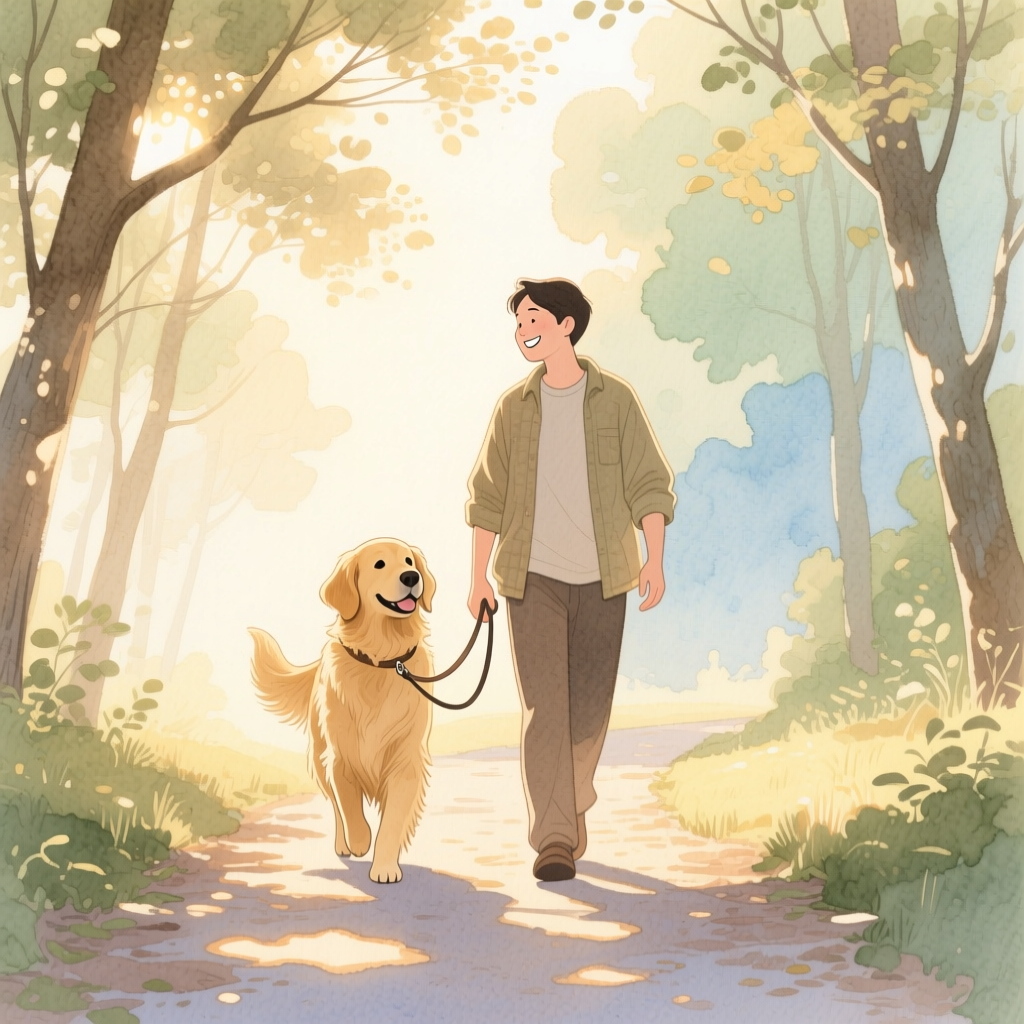
There are few things more frustrating than setting out for what should be a relaxing walk with your dog, only to spend the entire outing being dragged down the sidewalk like a reluctant water skier. Leash pulling is one of the most common behavioral challenges dog owners face, but it is also one of the most solvable. Whether you are working with an energetic puppy who has never worn a leash or an adult dog with years of pulling habits, the right approach can transform your daily walks from a stressful chore into a genuinely enjoyable bonding experience.
Leash training is not just about convenience & comfort — it is a critical safety skill. A dog that pulls unpredictably on leash can escape your grip, dart into traffic, or lunge toward other dogs & people. Mastering loose-leash walking gives your dog the freedom to explore the world safely while strengthening the communication & trust between you. In this comprehensive guide, we will walk you through everything you need to know, from choosing the right equipment to troubleshooting the most stubborn pulling behaviors.
Understanding Why Dogs Pull on the Leash
Before diving into training techniques, it is important to understand why dogs pull in the first place. Pulling is not a sign of disobedience or dominance — it is a natural behavior driven by several instinctive factors:
- Opposition reflex: Dogs have a natural instinct to pull against pressure. When they feel tension on the leash, their instinct is to push forward against it rather than move toward you.
- Excitement & stimulation: The outdoors is filled with fascinating smells, sights, and sounds. Your dog is simply trying to reach the things that interest them, and pulling gets them there faster.
- Speed mismatch: Dogs naturally walk faster than humans. Without training, they simply move at their preferred pace, which creates tension on the leash.
- Lack of training: Walking politely on a leash is not an innate behavior. It must be taught, practiced, and reinforced consistently over time.
- Reinforcement history: If pulling has successfully gotten your dog where they want to go in the past, they have learned that pulling works. This makes the behavior stronger over time.
Understanding these motivations helps you approach leash training with empathy & patience. You are not fighting against a stubborn dog — you are teaching a new skill that goes against several natural instincts. For more foundational training strategies, check out our puppy training basics guide, which covers essential skills every young dog should learn.
Choosing the Right Equipment for Leash Training
The tools you use can make a significant difference in your leash training success. The right equipment gives you better control without causing discomfort or harm to your dog. Here is a breakdown of the most common options:
Collars
Flat buckle collars are suitable for dogs that already walk well on leash or for attaching identification tags. However, they are not ideal for training dogs that pull, as pressure on the trachea can cause injury & discomfort.
Martingale collars provide slightly more control by tightening gently when the dog pulls, but they should never be used as a primary anti-pull tool. They work best for dogs with narrow heads, such as Greyhounds & Whippets, who can slip out of standard collars. If you own one of these breeds, our Greyhound breed page offers more breed-specific guidance.
Harnesses
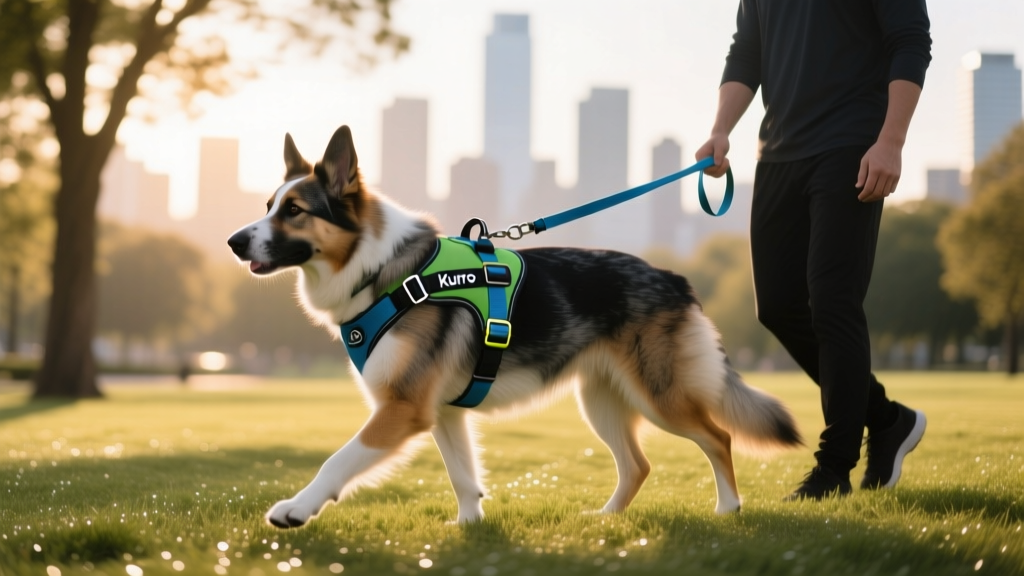
Front-clip harnesses are widely regarded as one of the best tools for leash training. When the leash is attached to the front of the chest, pulling causes the dog to turn slightly toward you, naturally discouraging forward momentum. This is an excellent option for strong pullers.
Back-clip harnesses are comfortable & secure but can actually encourage pulling in some dogs because the attachment point distributes pressure across the chest & back — similar to how sled dogs are harnessed. They work well for dogs that already have good leash manners.
Dual-clip harnesses offer both front & back attachment points, giving you maximum versatility as your dog progresses through training.
Leashes
For training purposes, a standard flat leash between four and six feet in length is ideal. This gives you enough slack to reward loose-leash walking while maintaining control. Avoid retractable leashes during training — they teach dogs that pulling extends the leash, which directly contradicts your training goals.
Leash material matters too. Nylon leashes are durable & affordable, leather leashes offer excellent grip & comfort, and biothane leashes are waterproof & easy to clean. Choose a width appropriate for your dog's size — thicker leashes for larger, stronger breeds & thinner ones for smaller dogs. Browse our breed directory to learn more about your dog's specific size & strength characteristics.
Step-by-Step Leash Training Method
Now that you have the right equipment, it is time to start training. The following method uses positive reinforcement to teach your dog that walking with a loose leash is more rewarding than pulling. This approach works for puppies & adult dogs alike, though you may need to adjust your expectations & timeline based on your dog's age, breed, and prior experience.
Step 1: Introduce the Leash & Harness Indoors
Before heading outside, let your dog get comfortable wearing their harness & leash in a low-distraction environment. Put the harness on and let them wear it during meals, play sessions, and cuddle time. Attach the leash and let them drag it around under supervision. Reward calm behavior with treats & praise. This step is especially important for puppies — our puppy training basics guide covers additional socialization tips for young dogs.
Step 2: Teach the "Let's Go" Cue
Choose a verbal cue such as "let's go" or "with me" that signals the start of a walk. Stand still with your dog beside you, say your cue word in an upbeat tone, and take a step forward. If your dog moves with you, immediately reward with a treat delivered at your side — the position you want them to walk in. Repeat this in short sessions of five to ten minutes, gradually increasing the number of steps between treats.
Step 3: Practice the Stop-and-Stand Method
This is the cornerstone technique for loose-leash training. Here is how it works:
- Begin walking with your dog on a short leash.
- The moment your dog pulls & the leash becomes tight, stop immediately. Stand completely still like a tree — do not yank, jerk, or pull back.
- Wait patiently. Your dog will eventually look back at you, sit down, or take a step back to loosen the leash.
- The instant the leash goes slack, praise your dog and resume walking.
- If your dog returns to your side, reward with a treat at your leg.
This method teaches a clear cause-and-effect relationship: pulling makes forward movement stop, while a loose leash makes movement continue. It requires patience — your first few walks may involve a lot of standing still — but the results are lasting.
Step 4: Use Direction Changes to Build Engagement
Once your dog understands that pulling stops forward progress, add unpredictability to keep them focused on you. As you walk, randomly change direction — turn left, turn right, make a U-turn, or stop suddenly. When your dog follows you & maintains a loose leash through the direction change, reward generously.
This technique teaches your dog to pay attention to your movements rather than forging ahead on autopilot. It is particularly effective for herding breeds like Border Collies & Australian Shepherds, who are naturally attuned to movement. Learn more about these intelligent breeds on our Border Collie breed page and Australian Shepherd breed page.
Step 5: Gradually Increase Distractions
Start training in a quiet, familiar environment such as your backyard or a calm residential street. As your dog improves, gradually introduce more challenging environments:
- Busier sidewalks with moderate foot traffic
- Parks with other dogs at a distance
- Areas with interesting smells & wildlife
- Streets with cars, bicycles, and joggers
- Outdoor dining areas & shopping districts
At each new level of distraction, you may need to increase your reward value. Switch from kibble to small pieces of chicken, cheese, or commercial training treats. If your dog struggles at a new distraction level, move further away from the stimulus & work your way closer gradually. This concept of "distance from distraction" is a fundamental principle covered in our dog socialization guide.
Essential Tips for Successful Leash Training
Training success often comes down to the small details. These practical tips will help you get the most out of every training session:
- Keep sessions short & frequent. Five to fifteen minutes of focused training is more effective than a single long session. Dogs learn best in short bursts with breaks in between.
- Use high-value rewards. Reserve your dog's favorite treats exclusively for leash training. This makes the reward more motivating & helps your dog understand that leash walking is special.
- Reward position, not just slack. While a loose leash is the goal, you also want your dog walking near you. Deliver treats at your hip or thigh to reinforce the correct walking position.
- Be consistent with rules. If pulling is not allowed during training, it should not be allowed during casual walks either. Inconsistency confuses dogs & slows progress dramatically.
- Exercise before training. A dog bursting with pent-up energy will struggle to focus. Give your dog a chance to burn off some steam with a brief play session or fetch game before starting leash work. High-energy breeds like Labrador Retrievers benefit enormously from this — see our Labrador Retriever breed page for exercise recommendations.
- End on a positive note. Always finish training sessions with a success, even if it means lowering your criteria for the final few repetitions. This keeps your dog motivated for the next session.
- Practice in different contexts. Walk at different times of day, on different surfaces, and with different family members holding the leash. This helps your dog generalize the skill to all walking situations.
Common Leash Training Mistakes to Avoid
Even well-intentioned owners can inadvertently sabotage their leash training efforts. Watch out for these common pitfalls:
Mistake 1: Jerking or Yanking the Leash
Pulling back on the leash triggers your dog's opposition reflex, causing them to pull harder. It can also cause physical injury to the neck & throat, and it damages the trust between you & your dog. Instead of jerking, simply stop walking & wait for the leash to loosen on its own.
Mistake 2: Using a Retractable Leash During Training
Retractable leashes teach dogs that tension on the leash is normal & that pulling is what gives them more freedom to explore. This is the exact opposite of what you are trying to teach. Save the retractable leash for after your dog has mastered loose-leash walking, and even then, use it only in safe, open areas.
Mistake 3: Inconsistency Between Walks
If you enforce loose-leash walking on Monday but let your dog pull you to the park on Tuesday, your dog learns that pulling sometimes works. Every single walk is a training opportunity, especially in the early stages. Everyone who walks your dog should follow the same rules & techniques.
Mistake 4: Expecting Perfection Too Quickly
Leash training is a process that takes weeks or even months, depending on your dog's age, breed, temperament, and history. Some dogs pick it up in a few sessions, while others require months of consistent practice. Comparing your dog's progress to others or getting frustrated will only set you back. Celebrate small victories & trust the process.
Mistake 5: Ignoring Your Dog's Needs
Sometimes pulling is a sign that your dog needs to sniff, explore, or relieve themselves. Build "sniff breaks" into your walks as a reward for good leash manners. Say "go sniff" and give your dog slack to investigate a bush or tree after a stretch of polite walking. This makes the walk more enjoyable for your dog & reduces the urge to pull toward interesting smells.
Mistake 6: Skipping Foundation Work
Jumping straight into outdoor leash training without establishing basic obedience skills is a recipe for frustration. Your dog should have a reliable "sit," "watch me," and recall before tackling leash walking in distracting environments. Our basic dog commands guide covers these foundational skills in detail.
Frequently Asked Questions About Leash Training
How long does it take to leash train a dog?
The timeline for leash training varies widely depending on the dog's age, breed, temperament, and prior experience. Puppies often learn within two to four weeks of consistent daily practice because they have no established pulling habits. Adult dogs with a long history of pulling may take several weeks to a few months to reliably walk on a loose leash. The key factors are consistency, patience, and daily practice. Even five to ten minutes of focused leash training each day will produce noticeable improvement over time. Remember that leash training is not a one-time event — it is an ongoing practice that strengthens with every walk you take together.
My dog walks well until they see another dog. What should I do?
This is an extremely common challenge known as leash reactivity, and it typically stems from excitement, frustration, or fear rather than aggression. Start by identifying your dog's "threshold distance" — the distance at which they notice another dog but can still focus on you & accept treats. Practice your loose-leash walking at that distance, rewarding heavily for calm behavior. Gradually decrease the distance over multiple sessions as your dog remains comfortable. If your dog reacts by barking or lunging, calmly increase the distance & try again. Our socialization guide provides additional strategies for helping dogs feel comfortable around other animals. If reactivity is severe, consider working with a certified professional dog trainer or behaviorist.
Should I use treats forever, or can I phase them out?
You can absolutely phase out treats over time, but it should be done gradually & strategically. Once your dog is walking reliably on a loose leash in most situations, begin switching from continuous reinforcement (a treat every few steps) to variable reinforcement (treats at unpredictable intervals). This actually makes the behavior stronger because your dog never knows when the next reward is coming — similar to how a slot machine keeps people engaged. Eventually, you can replace most food rewards with verbal praise, petting, or environmental rewards like sniff breaks. However, it is wise to carry treats on walks indefinitely for unexpected situations or to reinforce particularly good behavior. Even highly trained dogs benefit from occasional reinforcement.
Is a harness better than a collar for leash training?
For most dogs, a front-clip harness is the superior choice for leash training. Harnesses distribute pressure across the chest & shoulders rather than concentrating it on the delicate trachea & neck. A front-clip harness specifically discourages pulling by redirecting your dog's forward momentum sideways when tension occurs. Collars can be effective for dogs that already have good leash manners, but they pose a risk of tracheal damage for dogs that pull forcefully. Brachycephalic breeds like Pugs & French Bulldogs are especially vulnerable to respiratory issues, making a harness essential. Visit our French Bulldog breed page and Pug breed page for breed-specific health considerations.
My dog keeps biting the leash during walks. How do I stop this?
Leash biting is common in puppies & some adult dogs, particularly those from herding or retrieving breeds who are mouth-oriented. There are several strategies you can try. First, carry a toy on walks & redirect your dog's mouth to the toy when they start mouthing the leash. Second, practice the "drop it" command at home with toys & treats, then apply it to the leash during walks. Third, you can apply a bitter-tasting deterrent spray to the leash to make it less appealing. Fourth, ensure your dog is getting enough physical & mental exercise — leash biting is often a sign of excess energy or boredom. For puppies, this behavior usually diminishes with maturity & consistent redirection. Our puppy training guide addresses other common puppy behaviors & how to manage them effectively.
Building a Lifetime of Enjoyable Walks
Leash training is one of the most rewarding investments you can make in your relationship with your dog. It transforms the daily walk from a source of frustration into a cherished ritual that strengthens your bond, provides essential exercise, and enriches your dog's life with new experiences & stimulation.
Remember that every dog learns at their own pace, and setbacks are a normal part of the process. Some days will feel like enormous progress, while others may feel like you are starting over. Trust the method, stay consistent, and celebrate the small wins along the way. The patience & effort you put into leash training today will pay dividends for the entire lifetime you share with your dog.
Whether you are training a bouncy puppy or retraining an adult dog with years of pulling habits, the principles remain the same: make loose-leash walking more rewarding than pulling, be consistent in your expectations, and always set your dog up for success by managing the environment & choosing appropriate challenges. For more training resources, explore our complete training guides library and discover breed-specific tips in our breed directory.
Happy walking!
Tom Renshaw
All our authors care for dogs every day — read more of their work on the authors page.