Effective Dog Training Tips for Food Aggression: A Comprehensive Guide
Discover proven dog training tips for food aggression. Learn step-by-step methods to stop resource guarding and create a safe, peaceful mealtime for your pup.
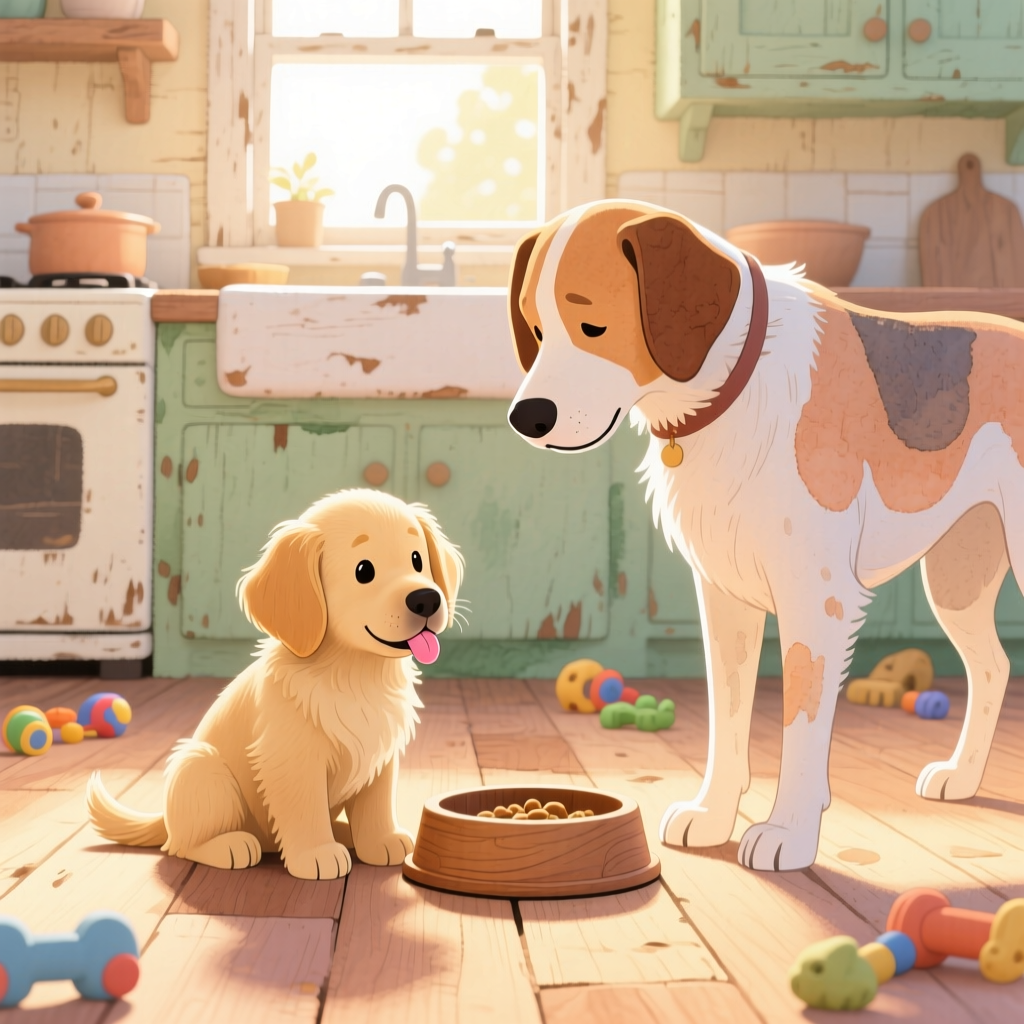
Mealtime is supposed to be one of the most enjoyable parts of a dog's day. However, for pet parents dealing with food aggression, the simple act of filling a bowl can become a source of immense stress and anxiety. Food aggression, a specific type of resource guarding, occurs when a dog exhibits defensive or aggressive behaviors to protect their food from humans or other animals. If left unaddressed, this instinctual behavior can escalate from subtle warning signs to dangerous bites, making it a critical issue for any responsible dog owner to manage.
Fortunately, modern canine behavioral science offers highly effective, force-free methods to help your dog feel secure and relaxed around their meals. In this comprehensive guide, we will explore the root causes of resource guarding, decode the subtle warning signs your dog displays, and provide actionable dog training tips for food aggression that you can implement at home. Whether you have a newly adopted rescue dog or a beloved family pet who has suddenly started guarding their kibble, this guide will help you restore peace and safety to your household.
Understanding the Roots of Food Aggression
Before diving into training techniques, it is essential to understand why dogs develop food aggression. At its core, resource guarding is a natural survival instinct. In the wild, canines must protect their hard-earned meals from scavengers and competitors to survive. While our domesticated dogs do not need to hunt for their dinner, the evolutionary hardware remains intact.
Several environmental factors can also trigger or exacerbate food aggression. Dogs raised in shelters, puppy mills, or multi-dog environments where food was scarce often learn that they must eat quickly and guard their bowls fiercely to avoid starvation. This scarcity mindset can persist long after they are adopted into a loving home where food is abundant.
Additionally, certain breeds with exceptionally high food drives may be more prone to resource guarding. For example, the Labrador Retriever is famously food-motivated, which can sometimes translate into obsessive guarding behaviors if not managed properly from a young age. Similarly, intelligent and protective breeds like the German Shepherd may guard resources if they feel their environment lacks structure or if they perceive a threat to their valued possessions.
Understanding that your dog is not acting out of spite or a desire to dominate you, but rather out of fear and anxiety, is the first step toward successful rehabilitation. Empathy and patience are your most valuable tools when addressing these deep-seated survival instincts.
Recognizing the Warning Signs of Resource Guarding
Dogs rarely bite without warning. Long before a snap or a bite occurs, a dog will display a series of escalating body language cues to communicate their discomfort. Learning to read these subtle signals is crucial for preventing incidents and knowing when to intervene during training.
- Freezing and Stiffening: If you approach while your dog is eating and they suddenly stop chewing, lower their head, and become completely rigid, they are assessing the threat level.
- Whale Eye: This occurs when the dog keeps their head pointed down at the bowl but rolls their eyes up to watch you, exposing the whites of their eyes.
- Lip Licking and Yawning: These are classic canine calming signals that indicate stress and anxiety in a potentially confrontational situation.
- Hovering and Blocking: A dog may use their body to physically block access to the bowl or eat at an accelerated, frantic pace.
- Growling and Snapping: These are the final, overt warnings before a bite. If your dog has reached this stage, it is imperative to back away and reassess your training approach.
It is important to note that punishing a dog for growling is incredibly dangerous. Growling is a vital communication tool. If you suppress the growl through punishment, the dog may learn to skip the warning phase entirely and go straight to biting in future encounters. If you are dealing with a young pup who is still learning bite inhibition, our guide on puppy biting and mouthing offers excellent foundational advice.
Step-by-Step Dog Training Tips for Food Aggression
Rehabilitating a dog with food aggression requires time, consistency, and a commitment to positive reinforcement. The goal is to change your dog's emotional response to your presence near their food from "this person is a threat who will steal my meal" to "this person is a wonderful predictor of even better things."
Step 1: Hand-Feeding to Build Trust
For the first few weeks of your training journey, consider ditching the food bowl entirely. Hand-feeding your dog their daily kibble teaches them that you are the sole provider of good things, rather than a competitor for resources. This is especially effective for newly adopted dogs or puppies. Simply measure out their daily ration and feed it to them by hand during short training sessions or while practicing basic obedience commands like sit, stay, and recall. This builds a deep foundation of trust and reinforces that human hands bring food, not take it away.
Step 2: The "Trade-Up" Game
The trade-up game is a cornerstone of resource guarding rehabilitation. It teaches your dog that giving up an item results in receiving something of significantly higher value. Start this exercise with low-value toys when your dog is not eating.
- Offer your dog a standard chew toy or kibble-filled puzzle.
- Approach calmly and present a high-value treat, such as boiled chicken, freeze-dried liver, or a piece of cheese, right near their nose.
- As soon as they drop the toy to eat the treat, pick up the toy, praise them enthusiastically, and then immediately give the toy back.
Returning the item is a critical step. Many owners make the mistake of always taking the item away, which reinforces the dog's fear that human interaction equals loss. By giving the item back, you teach your dog that trading is a safe and rewarding game. Once your dog is reliably trading low-value toys, you can gradually introduce this concept near their mealtime bowl using high-value food toppers.
Step 3: Desensitization to Human Approach
This exercise changes the dog's emotional association with people walking past them while they eat. You will need a helper or a safe, controlled environment.
- Place your dog's empty bowl on the floor.
- Walk past your dog at a distance where they remain completely relaxed (this is their "threshold").
- As you walk past, toss a high-value treat directly into their bowl without stopping or making direct eye contact.
- Repeat this process multiple times, gradually decreasing the distance between you and the bowl over several days or weeks.
Eventually, your dog will begin to anticipate your approach, looking up at you with a wagging tail, expecting a delicious bonus to be added to their bowl. This technique is highly effective and shares similarities with the counter-conditioning methods used in our leash reactivity training guides.
Step 4: Teaching "Drop It" and "Leave It"
Having reliable verbal cues can prevent emergencies if your dog picks up something dangerous. However, these commands must be taught using positive reinforcement, never by forcefully prying your dog's mouth open. Teach "drop it" by offering a treat in exchange for a toy in their mouth, and reward them the moment they release it. For detailed instructions on mastering these life-saving cues, refer to our comprehensive basic obedience commands resource.
Essential Tips for Managing Mealtime Environments
While active training is crucial, managing your dog's environment is equally important to prevent the rehearsal of unwanted behaviors. Every time a dog successfully guards their food and makes a perceived threat back away, the guarding behavior is reinforced.
Feed in a Safe, Isolated Space: If your dog feels vulnerable, they are more likely to guard. Feed them in a quiet room, a closed crate, or behind a baby gate where they know they will not be disturbed by children, guests, or other pets.
Manage Multi-Dog Households: Never feed resource-guarding dogs side-by-side. Spatial pressure from another dog can trigger an aggressive outburst. Feed dogs in entirely separate rooms and pick up the bowls as soon as they finish to prevent post-meal guarding.
Pick Up the Bowl: Once your dog walks away from their bowl, promptly pick it up. Leaving empty bowls on the floor can sometimes trigger guarding behaviors in highly anxious dogs who feel the need to protect the "resource" even when it is empty.
Avoid High-Value Triggers Initially: During the early stages of training, avoid giving your dog high-value chews like raw bones or bully sticks unless they are safely confined to a crate or separate room. These items can trigger intense guarding instincts and set your training progress back.
Common Mistakes to Avoid When Training
When dealing with food aggression, well-meaning owners often make mistakes that inadvertently worsen the problem. Avoiding these common pitfalls is just as important as following the correct training steps.
The "Alpha Roll" and Dominance Myth
Outdated training theories suggest that you must assert dominance over your dog by forcefully taking their food away or performing an "alpha roll." Modern veterinary behaviorists universally condemn these methods. Forcing a confrontation does not teach the dog to be comfortable; it merely teaches them that you are a dangerous predator who steals their resources. This will almost always result in an escalation of aggression and can destroy the bond of trust between you and your pet.
Punishing the Growl
As mentioned earlier, scolding or punishing a dog for growling suppresses a vital warning system. A dog that learns growling is ineffective will simply bite without warning the next time they feel threatened. Always respect the growl as a request for more space, and use it as data to adjust your training distance.
Free-Feeding
Leaving a bowl of kibble out all day (free-feeding) can actually increase resource guarding in some dogs. Because the food is always there, the dog may feel the need to constantly patrol and protect it. Scheduled mealtimes create a predictable routine, reduce anxiety, and allow you to control the environment during feeding.
Inconsistency in the Household
If one family member follows the training protocol while another repeatedly corners the dog to "test" them, the dog will remain in a state of chronic stress and anxiety. Everyone in the household, including children, must strictly adhere to the management and training plan. Children should never be allowed near a dog while it is eating, regardless of how tolerant the dog may seem.
Frequently Asked Questions (FAQ)
Can food aggression in dogs be completely cured?
While many dogs can be successfully rehabilitated to the point where they are completely relaxed around humans during mealtime, behaviorists often prefer the term "managed" rather than "cured." Resource guarding is a deeply ingrained survival instinct. Even a fully rehabilitated dog may experience a regression if placed in a highly stressful environment, if they are in pain, or if a new, highly valuable resource is introduced. Consistent management and occasional refresher training sessions are recommended throughout the dog's life to maintain their progress.
Should I take my dog's food bowl away to show dominance?
No, you should never forcefully take your dog's food bowl away to prove a point. This is a dangerous myth rooted in debunked dominance theory. Taking the bowl away by force confirms the dog's worst fear: that humans are unpredictable thieves who will steal their resources. This will almost certainly increase their anxiety and make the food aggression worse. Instead, focus on the "trade-up" game and desensitization exercises to change their emotional response to your presence.
Is food aggression more common in certain breeds?
Food aggression can occur in any breed, mixed breed, or age group. However, breeds with exceptionally high food drives, such as Retrievers and Beagles, may be more prone to opportunistic resource guarding simply because they value food so highly. Conversely, breeds with strong territorial or protective instincts may guard resources as part of a broader guarding behavior profile. Ultimately, a dog's individual history, early socialization, and environment play a much larger role in the development of food aggression than their breed alone.
When should I hire a professional dog behaviorist?
You should seek the help of a certified professional dog behaviorist or a veterinary behaviorist if your dog has already bitten someone, if the aggression is escalating rapidly, or if you feel unsafe implementing the training exercises on your own. Professionals can assess your specific environment, identify subtle triggers you might be missing, and create a customized, safe behavior modification plan. This is especially critical in homes with young children or multiple pets where the risk of a severe incident is higher.
Can stress and anxiety from other issues cause food aggression?
Yes, resource guarding is often a symptom of underlying chronic stress or anxiety. A dog that is suffering from separation anxiety, chronic pain, or a lack of mental stimulation may have a lower threshold for aggression and be more likely to guard resources. Addressing the root causes of your dog's overall stress through enrichment, routine, and veterinary care can significantly improve their mealtime behavior.
Conclusion
Overcoming food aggression is a journey that requires time, patience, and a deep understanding of canine psychology. By shifting your perspective from viewing the behavior as disobedience to recognizing it as fear-based survival instinct, you can approach training with empathy and compassion. Through consistent environmental management, positive reinforcement, and the step-by-step desensitization techniques outlined in this guide, you can help your dog feel safe and secure. Remember that every dog learns at their own pace. Celebrate the small victories, maintain a predictable routine, and never hesitate to reach out to a certified professional if you need extra support. With dedication and love, you can transform mealtime from a battleground back into a peaceful and joyful daily ritual.
Robin Maitland
All our authors care for dogs every day — read more of their work on the authors page.