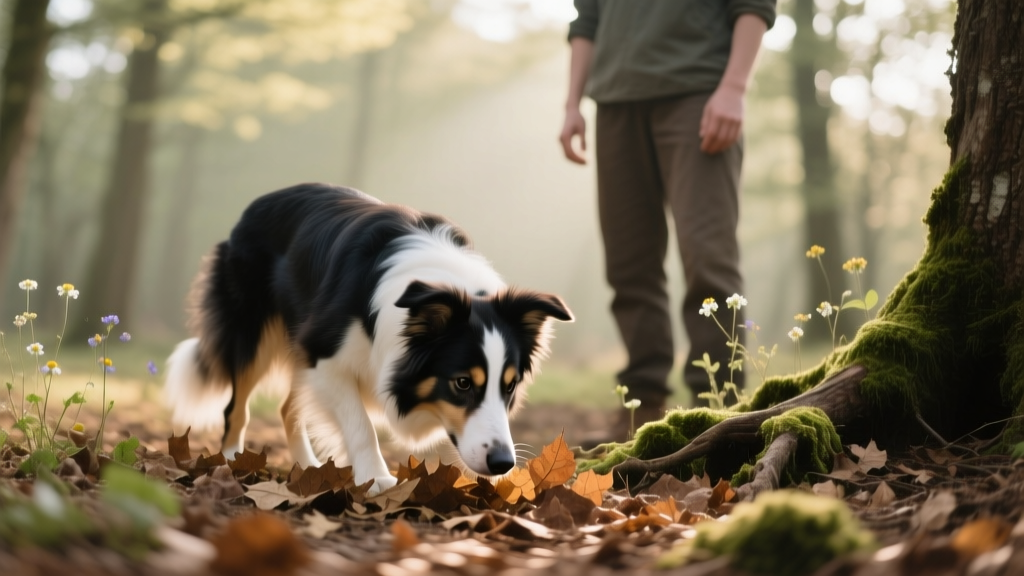
Basic Obedience Commands: A Complete Guide to Training
Master essential dog obedience commands including sit, stay, come, down, and heel with our step-by-step training guide for dogs of all ages and breeds.

Basic Obedience Commands: A Complete Guide to Training Your Dog
Every dog owner dreams of a well-behaved companion who listens attentively, responds reliably, and navigates the world with confidence. The foundation of that dream rests on one critical pillar: basic obedience commands. Whether you are welcoming a rambunctious puppy into your home for the first time or working with an older rescue who needs a refresher, teaching your dog fundamental commands is one of the most rewarding investments you can make in your relationship together.
Obedience training is not about dominance or control. It is about communication. When you teach your dog to sit, stay, come, lie down, and walk politely on a leash, you are giving them the tools to understand what you expect and to navigate a human world that can often be confusing for our four-legged friends. A well-trained dog is a safer dog, a happier dog, and a dog who earns more freedom and trust in daily life.
In this comprehensive guide, we will walk you through the five essential obedience commands every dog should know, provide step-by-step instructions you can start using today, highlight common mistakes to avoid, and answer the most frequently asked questions about dog training. If you are new to training, you may also want to explore our positive reinforcement basics guide to understand the philosophy behind modern, humane dog training methods.
The Five Essential Commands Every Dog Should Know
Before diving into specific techniques, it helps to understand why these five commands form the backbone of all obedience training. Each one serves a distinct purpose that contributes to your dog’s safety, your peace of mind, and the overall quality of your bond.
The five foundational commands are:
- Sit — The gateway command that teaches impulse control and focus
- Stay — Builds patience and reliability in any environment
- Come (Recall) — Potentially life-saving; ensures your dog returns to you no matter what
- Down — Promotes calmness and settles high-energy behavior
- Heel (Loose-Leash Walking) — Makes walks enjoyable and safe for both of you
These commands work together as a system. A dog who can sit and stay is easier to manage at doorways and in public. A dog with a reliable recall can enjoy off-leash adventures safely. A dog who walks politely on a leash gets more exercise and socialization opportunities. The result is a well-rounded companion who thrives in any situation.
Before you begin training, gather a few essentials: high-value treats (small, soft, and irresistible), a quiet environment free from distractions, a standard six-foot leash, and plenty of patience. Keep training sessions short — five to ten minutes for puppies and ten to fifteen minutes for adult dogs. Multiple short sessions throughout the day are far more effective than one marathon session that leaves both you and your dog frustrated.
Different breeds may pick up commands at different speeds. Highly intelligent working breeds like Border Collies and German Shepherds often learn rapidly but may also try to outsmart you, while independent breeds like Siberian Huskies may require extra motivation and consistency. Regardless of breed, every dog can learn these commands with the right approach.
Step-by-Step Guide to Teaching Each Command
How to Teach “Sit”
Sit is typically the easiest command to teach and serves as the foundation for everything else. It is also one of the most practical — a dog who sits on command is a dog who does not jump on guests, bolt out doors, or lunge at other dogs.
- Get your dog’s attention. Stand in front of your dog with a treat held between your thumb and fingers, palm facing up.
- Lure the head upward. Slowly move the treat from your dog’s nose upward and slightly backward over their head. As their nose follows the treat upward, their bottom will naturally lower to the ground.
- Mark and reward. The instant their rear touches the floor, say your marker word (such as “Yes!” or use a clicker) and immediately give them the treat.
- Add the verbal cue. Once your dog is reliably following the lure into a sit, begin saying “Sit” just before you move the treat. Over time, your dog will associate the word with the action.
- Fade the lure. Gradually reduce the hand motion until your dog responds to the verbal cue alone or a subtle hand signal.
- Practice everywhere. Ask for a sit before meals, before going outside, before greeting people, and in different rooms and environments.
How to Teach “Stay”
Stay builds impulse control and teaches your dog that patience is rewarding. This command is critical for safety — imagine asking your dog to stay while you pick up broken glass or open a gate near a busy road.
- Start from a sit or down. Ask your dog to sit or lie down first.
- Show your stop signal. Hold your open palm toward your dog like a stop sign and say “Stay.”
- Wait one second. In the very beginning, reward your dog for staying just one second. Mark and reward while they are still in position — do not wait for them to break the stay.
- Gradually increase duration. Add one or two seconds at a time. If your dog breaks the stay, calmly reset them and try a shorter duration.
- Add distance. Once your dog can hold a stay for ten to fifteen seconds, take one step back. Return immediately and reward. Slowly increase the number of steps you take away.
- Add distractions last. Only introduce distractions (sounds, movement, other people) after your dog is solid with both duration and distance in a quiet setting.
The three D’s of stay training — Duration, Distance, and Distraction — should always be increased one at a time. Trying to add all three simultaneously is a recipe for failure and frustration.
How to Teach “Come” (Reliable Recall)
Recall is arguably the most important command you will ever teach. A dog who comes when called can be saved from dangerous situations — traffic, aggressive dogs, toxic substances, and more. It is also the command that grants your dog the most freedom.
- Start indoors with no distractions. Crouch down, open your arms, and say your dog’s name followed by “Come!” in an enthusiastic, happy tone.
- Reward generously. When your dog reaches you, deliver a jackpot reward — multiple treats, enthusiastic praise, and even a favorite toy. Coming to you should always be the best thing that happens all day.
- Practice on a long leash. Move to your yard or a quiet outdoor space with a 15-to-30-foot long line. Call your dog and gently guide them toward you with the leash if they do not respond immediately.
- Add real-world distractions gradually. Practice in increasingly stimulating environments — your front yard, a quiet park, a busier park — always on a long line until recall is rock-solid.
- Never punish your dog for coming. Even if it took thirty seconds and you are frustrated, reward them for arriving. If coming to you results in punishment, your dog will learn to avoid you.
- Play recall games. Have family members take turns calling your dog from different locations. Hide-and-seek is also an excellent recall game that dogs love.
For more advanced recall training, including emergency recall techniques, check out our advanced recall training guide.
How to Teach “Down”
The down command is invaluable for settling an excited dog, managing behavior in public spaces, and helping your dog relax. It is also a prerequisite for more advanced exercises like “go to your place.”
- Start from a sit. With your dog sitting, hold a treat at their nose.
- Lure downward. Move the treat straight down from their nose to the floor between their front paws. Their head and body should follow.
- Lure forward. Once the treat reaches the floor, slowly drag it along the ground away from your dog, forming an “L” shape with your lure path. This encourages the elbows and body to lower fully.
- Mark and reward. The moment your dog’s elbows and body are fully on the ground, mark and reward.
- Add the verbal cue. Say “Down” just before luring, then gradually fade the lure as described for the sit command.
- Troubleshoot stubborn dogs. If your dog stands up instead of lying down, try luring under your bent knee or a low chair so they must lower their body to reach the treat.
How to Teach “Heel” (Loose-Leash Walking)
Walking politely on a leash transforms daily walks from a frustrating tug-of-war into an enjoyable bonding experience. This command is particularly important for larger, stronger breeds like Labrador Retrievers and Rottweilers, though every dog benefits from learning it.
- Start in a low-distraction area. With your dog on a leash, stand still and wait for them to look at you or offer a sit. Reward attention.
- Take one step forward. If your dog walks beside you with a loose leash, mark and reward at your side (the same side consistently — traditionally the left).
- Stop when the leash tightens. The instant your dog pulls, stop walking. Stand still like a tree. Do not jerk the leash or pull back.
- Wait for your dog to return. When your dog turns back or the leash loosens, mark and reward, then resume walking.
- Change direction. If your dog consistently pulls ahead, turn and walk the opposite direction. When they catch up and are beside you, reward. This teaches that pulling never gets them where they want to go.
- Use high-value rewards at your side. Deliver treats at your hip or seam of your pants so your dog learns that the reward zone is right beside you, not out in front.
For a deeper dive into leash walking challenges, including dealing with reactivity on walks, visit our leash walking tips article.
Tips for Successful Obedience Training
Teaching commands is only half the equation. How you train matters just as much as what you train. The following tips will help you maximize every session and build a dog who is not just obedient, but genuinely enthusiastic about working with you.
Use Positive Reinforcement Consistently
Modern dog training science overwhelmingly supports positive reinforcement as the most effective and humane training method. Reward the behaviors you want to see repeated — with treats, praise, toys, or access to things your dog loves — and manage the environment to prevent unwanted behaviors from being rehearsed. Dogs trained with positive methods show fewer stress signals, learn faster, and maintain a stronger bond with their handlers. For a full overview, read our guide on positive reinforcement basics.
Keep a Training Journal
Track which commands you practiced, how long each session lasted, what distractions were present, and how your dog performed. A journal helps you identify patterns, celebrate progress, and spot areas that need extra work. It also prevents the common mistake of repeating the same easy exercises while neglecting harder ones.
Train Before Meals, Not After
A slightly hungry dog is a motivated dog. Schedule training sessions before breakfast and dinner when your dog’s food drive is at its peak. Using their regular meal kibble as training rewards also prevents overfeeding while making every piece of food count toward learning.
End Every Session on a High Note
Always finish training with a success, even if that means asking for an easy command your dog knows perfectly and rewarding generously. Ending on a positive note keeps your dog eager for the next session. If you are frustrated, it is always better to stop early and try again later than to push through and create a negative association.
Generalize Commands Across Environments
Dogs are contextual learners. A dog who sits perfectly in your kitchen may not sit at the park, at the vet’s office, or when guests arrive. Practice every command in at least ten different locations before you can reasonably expect reliable performance anywhere. Start in quiet rooms, move to busier rooms, then to your yard, then to quiet outdoor spaces, and finally to stimulating environments.
Involve the Whole Family
If only one person trains the dog, the dog may only respond to that person. Have every family member practice commands using the same verbal cues and hand signals. Consistency across handlers is critical for reliable obedience. Children can participate in training under adult supervision, which teaches both the child and the dog valuable skills.
Common Mistakes to Avoid in Obedience Training
Even well-intentioned dog owners can inadvertently sabotage their training efforts. Being aware of these common pitfalls will save you time, frustration, and setbacks.
Repeating Commands Multiple Times
Saying “Sit, sit, sit, sit, SIT!” teaches your dog that the command is “sit-sit-sit-sit-sit” and that they do not need to respond the first time. Give the command once, wait up to five seconds, and if your dog does not respond, gently lure or reset them and try again. If they fail repeatedly, the exercise is too difficult — make it easier and build back up.
Training in Overly Distracting Environments Too Soon
Expecting a puppy to hold a stay at a busy dog park when they have only practiced in your living room is setting everyone up for failure. Follow the progression: low distraction, moderate distraction, high distraction. Each step may take days or weeks, and that is perfectly normal.
Inconsistent Rules and Cues
If “down” means “lie down” to one family member and “get off the couch” to another, your dog will be understandably confused. Agree on specific verbal cues and hand signals with everyone in the household and stick to them. Write them down and post them on the refrigerator if necessary.
Using Punishment-Based Methods
Yelling, hitting, leash jerking, alpha rolls, and other aversive techniques may suppress behavior temporarily, but they damage trust, increase anxiety, and can lead to aggression. Science consistently shows that positive reinforcement produces better long-term results with fewer behavioral side effects. If you are struggling, consult a certified professional dog trainer or veterinary behaviorist rather than resorting to punishment.
Neglecting to Phase Out Treats Gradually
While treats are essential in the early stages of learning, you should gradually transition to intermittent reinforcement once a command is reliable. This means rewarding unpredictably — sometimes with a treat, sometimes with praise, sometimes with a game of tug. Variable reinforcement schedules actually make behaviors stronger and more resistant to extinction, much like a slot machine keeps players engaged.
Not Proofing Commands Against Distractions
A command is not truly trained until your dog can perform it reliably around squirrels, other dogs, doorbells, children, and food on the ground. Proofing is the process of systematically testing and strengthening commands against real-world distractions. It takes time and patience, but it is the difference between a dog who obeys in the kitchen and a dog who obeys everywhere.
Frequently Asked Questions About Basic Obedience Commands
At what age should I start teaching my puppy basic commands?
You can begin teaching basic commands as early as eight weeks of age. Puppies are remarkably capable learners, and early training takes advantage of their natural curiosity and eagerness to engage. Start with very short sessions (two to three minutes), focus on sit and come, and keep expectations age-appropriate. A puppy will not have the impulse control of an adult dog, so patience is essential. Early socialization combined with basic training sets the stage for a well-adjusted adult dog. Our puppy training schedule provides a week-by-week roadmap for new puppy owners.
Can older dogs learn basic obedience commands?
Absolutely. The saying “you can’t teach an old dog new tricks” is a myth. Adult and senior dogs can learn obedience commands at any age, and in some ways, they are easier to train than puppies because they have longer attention spans and better impulse control. Older rescue dogs may have behavioral baggage or previous negative experiences with training, so go slowly, use high-value rewards, and build trust before pushing too hard. Patience and consistency will pay off regardless of your dog’s age. Breeds known for their trainability, such as Golden Retrievers and Poodles, often pick up commands quickly at any life stage.
How long does it take to teach a dog basic obedience?
Most dogs can learn the basic mechanics of sit, down, come, stay, and heel within four to eight weeks of consistent daily practice. However, true reliability — performing commands consistently in distracting, real-world environments — typically takes several months to a year of ongoing practice. Training is not a destination but a lifelong process of maintenance and refinement. Dogs who continue training throughout their lives remain sharper, more engaged, and better behaved than dogs who complete a single class and never practice again.
What should I do if my dog refuses to obey a command?
When your dog does not respond to a command, resist the urge to repeat it louder or punish them. Instead, ask yourself why they failed. Common reasons include: the environment is too distracting, the dog does not fully understand the command yet, the reward is not motivating enough, the dog is stressed or unwell, or you have moved too fast in your training progression. Go back to an easier version of the exercise, increase the value of your rewards, and rebuild from there. If you consistently struggle, working with a certified professional dog trainer can provide personalized guidance and accelerate your progress.
Should I use a clicker for obedience training?
Clicker training is an excellent tool for teaching obedience commands, but it is not mandatory. A clicker provides a precise, consistent marker sound that tells your dog exactly which behavior earned the reward. This clarity can speed up learning, especially for complex behaviors. However, a verbal marker like “Yes!” can be equally effective if delivered consistently. If you choose to use a clicker, remember that the click must always be followed by a reward — the click predicts the treat, and breaking that association weakens the tool. Whether you use a clicker or a verbal marker, the principles of timing, consistency, and positive reinforcement remain the same.
Building a Lifetime of Good Behavior
Teaching basic obedience commands is one of the greatest gifts you can give your dog. It opens doors to adventures together, builds mutual trust and understanding, and keeps your dog safe in an unpredictable world. Remember that every training session is a conversation with your dog — listen to what they are telling you, celebrate small victories, and enjoy the journey.
The key takeaways for successful obedience training are simple: be patient, be consistent, use positive reinforcement, keep sessions short and fun, and practice in a wide variety of environments. Whether you are working with a tiny Chihuahua puppy or a giant Great Dane rescue, these principles apply universally.
Ready to take your training to the next level? Explore our complete training guides for articles on advanced commands, trick training, behavioral problem-solving, and more. Your dog is capable of amazing things — all they need is a patient teacher and a pocket full of treats.
Anouk Beaumont
All our authors care for dogs every day — read more of their work on the authors page.