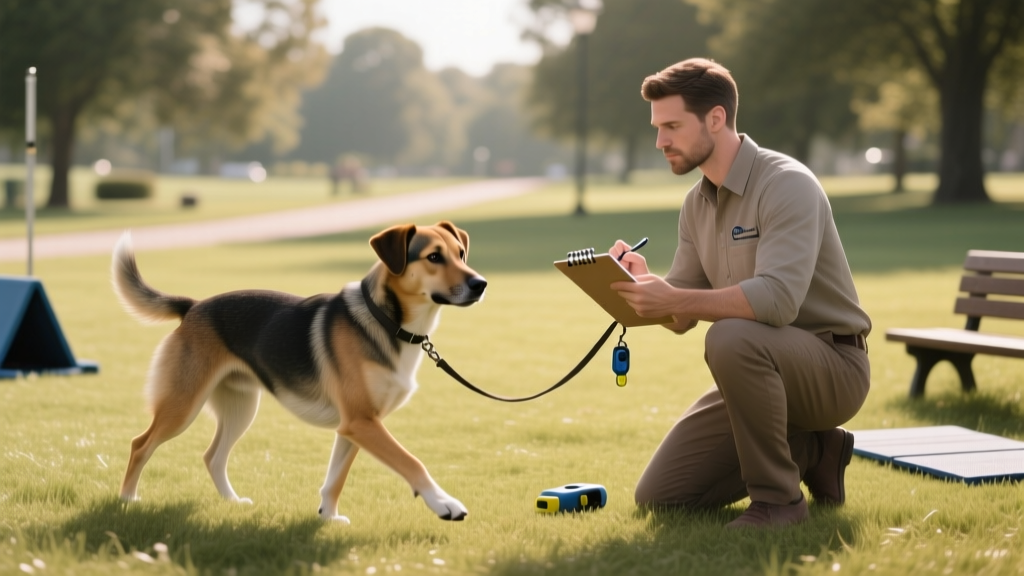
Dog Training Tips for Excessive Barking: Proven Methods to Restore Peace
Discover effective dog training tips to stop excessive barking. Learn proven techniques, common mistakes to avoid, and expert advice for a quieter home.

Dog Training Tips for Excessive Barking: Proven Methods to Restore Peace
There are few things more frustrating for a dog owner than constant, relentless barking. Whether your furry companion sounds the alarm at every passing squirrel, erupts when the doorbell rings, or simply won't settle down at night, excessive barking can strain your patience, disturb your neighbors, and even create tension in your household. But here's the good news: excessive barking is one of the most trainable behavioral issues in dogs. With the right approach, consistency, and a solid understanding of why your dog is barking, you can dramatically reduce the noise and restore peace to your home.
In this comprehensive guide, we'll walk you through everything you need to know about curbing excessive barking, from identifying the root causes to implementing proven training techniques that work. Whether you're dealing with a vocal small breed or a protective guard dog, these strategies are designed to help you and your pup find a quieter, happier way of living together. If you're just getting started with obedience work, you may also want to check out our puppy obedience basics guide for foundational skills.
Understanding Why Dogs Bark Excessively
Before you can effectively address excessive barking, you need to understand why your dog is doing it in the first place. Barking is a natural form of canine communication, and dogs vocalize for a wide range of reasons. Treating the symptom without addressing the cause is one of the most common reasons training efforts fail. Here are the primary drivers behind excessive barking:
Alert & Territorial Barking
Dogs are naturally protective animals. When they perceive a threat to their territory — whether it's a delivery driver, a neighboring cat, or a stranger walking past the window — they'll often bark to alert you and warn the intruder away. This type of barking tends to be sharp, repetitive, and intense. Breeds with strong guarding instincts, such as German Shepherds or Rottweilers, are particularly prone to territorial vocalizations. You can learn more about breed-specific tendencies on our breed profiles page.
Attention-Seeking Barking
Some dogs learn that barking gets them what they want — whether that's food, playtime, a walk, or simply your attention. If you've ever given in to your dog's demands after a prolonged barking session, you may have inadvertently reinforced the behavior. This type of barking is often directed at you directly and may be accompanied by pawing, jumping, or staring.
Anxiety & Fear-Based Barking
Dogs suffering from separation anxiety, noise phobias, or generalized anxiety often bark excessively as a coping mechanism. This barking tends to occur when you leave the house, during thunderstorms or fireworks, or in unfamiliar environments. Fear-based barking is often high-pitched, frantic, and may be paired with other stress signals like pacing, drooling, or destructive behavior.
Boredom & Frustration Barking
A dog that isn't getting enough physical exercise or mental stimulation will often bark out of sheer boredom. This is especially common in high-energy breeds like Border Collies, Australian Shepherds, and Siberian Huskies. Boredom barking tends to be monotonous and repetitive, sometimes lasting for hours if left unchecked. Our guide on mental stimulation games for dogs offers excellent ways to keep your pup engaged.
Excitement & Play Barking
Some dogs bark when they're excited — during play sessions, when you come home, or when they anticipate a walk. While this type of barking is generally less problematic, it can become excessive if not managed properly, especially in multi-dog households or apartment settings.
Step-by-Step Training Techniques to Stop Excessive Barking
Now that you've identified the likely cause of your dog's barking, it's time to implement targeted training strategies. The following techniques are grounded in positive reinforcement and behavioral modification principles. Remember, patience and consistency are your greatest allies in this process. For a broader overview of positive methods, visit our positive reinforcement dog training guide.
Step 1: Teach the "Quiet" Command
This is arguably the most powerful tool in your anti-barking arsenal. Here's how to teach it:
- Wait for your dog to bark. If they don't bark spontaneously, you can trigger a bark by knocking on a door or ringing the doorbell.
- Say "Quiet" in a calm, firm voice. Avoid shouting, as this can be interpreted as you "barking" along with them.
- Use a high-value treat to redirect their attention. Hold the treat near their nose. Most dogs will stop barking to sniff the treat.
- The moment they stop barking, say "Yes!" and give them the treat. Timing is critical — reward the silence, not the bark.
- Gradually increase the duration of silence required before rewarding. Start with one second of quiet, then build to five seconds, ten seconds, and beyond.
- Practice in multiple environments with different triggers to generalize the command.
With consistent practice over several weeks, your dog will learn that "Quiet" means to stop barking, and that silence earns rewards.
Step 2: Use the "Speak" Command as a Counterpart
Counterintuitive as it may seem, teaching your dog to bark on command can actually help you control barking more effectively. When your dog understands both "Speak" and "Quiet," they gain clearer communication about when barking is appropriate and when it isn't. Start by pairing a trigger with the word "Speak," reward the bark, and then follow up with the "Quiet" command and reward the silence. This gives you a complete on-off switch for vocalizations.
Step 3: Desensitization & Counter-Conditioning
For dogs that bark at specific triggers — the doorbell, other dogs on walks, people passing the window — desensitization is highly effective. Here's the process:
- Identify the trigger and determine your dog's threshold distance (the point at which they notice the trigger but don't yet react).
- Expose your dog to the trigger at a low intensity. For example, play a recording of a doorbell at very low volume, or have a friend stand far away from the window.
- Reward calm behavior with treats, praise, or play.
- Gradually increase the intensity of the trigger over multiple sessions — louder volume, closer distance, longer duration.
- If your dog reacts, reduce the intensity and try again. The goal is to keep them under threshold at all times.
Over time, your dog will form a positive association with the trigger instead of a reactive one. This technique is particularly effective for fear-based and territorial barking.
Step 4: Redirect & Replace the Behavior
When your dog begins to bark, redirect them to an incompatible behavior — something they physically cannot do while barking. Excellent replacement behaviors include:
- Going to their mat or bed and settling down
- Fetching a toy and bringing it to you
- Performing a sit or down and holding the position
- Engaging with a puzzle toy or chew item
The key is to practice these alternative behaviors before you need them in a real situation. Your dog should be fluent in the replacement behavior so that when you cue it during a barking episode, they can comply easily. Our teaching your dog to settle guide covers this in more detail.
Step 5: Manage the Environment
While training is underway, environmental management prevents your dog from rehearsing the unwanted behavior. Every time your dog practices excessive barking, the neural pathway gets stronger, making it harder to eliminate. Management strategies include:
- Closing curtains or blinds to block visual triggers from windows
- Using white noise machines or calming music to mask outdoor sounds
- Using baby gates to limit access to high-trigger areas like the front door
- Providing interactive toys and food puzzles to keep your dog occupied when you're not home
- Increasing daily exercise to reduce pent-up energy that fuels barking
Management isn't a permanent solution, but it buys you time to train effectively without the behavior getting worse in the meantime.
Essential Tips for Long-Term Success
Training a dog to stop excessive barking is a marathon, not a sprint. Here are expert-backed tips to ensure your efforts pay off over the long haul:
Be Consistent Across All Household Members
If one person rewards quiet behavior while another person gives attention during barking fits, your dog will receive mixed signals. Everyone in the household must follow the same rules and use the same commands. Post a quick-reference guide on the fridge if needed so that family members, guests, and pet sitters are all on the same page.
Exercise Your Dog Adequately
A tired dog is a quiet dog. Most dogs need at least 30 to 60 minutes of vigorous exercise daily, and working breeds often need significantly more. Incorporate walks, runs, fetch sessions, and swimming into your routine. Mental exercise — such as training sessions, scent work, and puzzle toys — can be just as tiring as physical activity. Explore our agility training at home guide for ideas that combine both.
Reward Quiet Behavior Proactively
Don't wait for a barking episode to engage with your dog. Actively look for moments when your dog is calm and quiet, and reward them for it. Drop a treat on their bed when they're resting peacefully, offer gentle praise when they watch the window without barking, or give them a long-lasting chew when they settle down in the evening. This teaches your dog that quiet behavior is valuable and noticed.
Keep Training Sessions Short & Positive
Dogs learn best in short, focused sessions of five to fifteen minutes. Multiple brief sessions throughout the day are far more effective than one long, exhausting session. Always end on a positive note with a success your dog can achieve, and keep your energy upbeat and encouraging.
Track Your Progress
Keep a simple log of barking incidents, noting the trigger, duration, and what you did in response. Over time, you'll see patterns emerge and progress become visible. This data is also invaluable if you ever need to consult a professional behaviorist.
Common Mistakes That Make Barking Worse
Even well-intentioned dog owners can inadvertently reinforce excessive barking or undermine their own training efforts. Avoid these all-too-common pitfalls:
Yelling at Your Dog
When your dog is barking and you shout "Stop it!" or "No!", your dog doesn't understand the words — they hear you barking along with them. This can actually escalate the barking because your dog thinks you're joining in on the alarm. Always use a calm, controlled voice when giving commands.
Giving In to Demands
If your dog barks at you for attention, food, or play, and you eventually give in, you've just taught them that persistence pays off. This is called an "extinction burst" — the barking will temporarily get louder and more intense before it gets better, but you must not cave. Ignoring attention-seeking barking completely (no eye contact, no talking, no touching) is the fastest way to extinguish it.
Using Punishment-Based Methods
Shock collars, citronella spray collars, and other aversive tools may suppress barking temporarily, but they don't address the underlying cause and can create new behavioral problems, including increased anxiety, fear, and even aggression. Positive reinforcement methods are not only more humane but also produce more reliable, long-lasting results.
Inconsistency in Enforcement
Allowing your dog to bark at some things (like the mail carrier) but scolding them for barking at other things (like the neighbor's dog) creates confusion. Dogs need clear, consistent rules. Decide which situations warrant barking and which don't, and enforce those rules every single time.
Not Addressing the Root Cause
If your dog is barking because of separation anxiety, simply training a "Quiet" command won't solve the problem. The anxiety will manifest in other ways, such as destructive chewing, house soiling, or self-harm. For anxiety-driven barking, consult our separation anxiety guide or seek help from a certified veterinary behaviorist.
Expecting Overnight Results
Behavioral modification takes time — typically four to eight weeks of consistent effort before you see significant improvement. Some dogs, especially those with deeply ingrained barking habits or anxiety issues, may take several months. Celebrate small victories along the way and stay committed to the process.
Frequently Asked Questions
How long does it take to train a dog to stop excessive barking?
The timeline varies significantly depending on the dog's breed, age, the root cause of the barking, and how consistently the training is applied. Most owners begin to see noticeable improvement within two to four weeks of daily, consistent training. However, fully resolving the behavior can take anywhere from six weeks to several months. Dogs with anxiety-based barking or those that have been rehearsing the behavior for years will typically require a longer commitment. The key is to remain patient, consistent, and positive throughout the process.
Are some dog breeds more prone to excessive barking than others?
Yes, absolutely. Breeds that were developed for alerting, herding, or guarding tend to be more vocal. Terriers (like Jack Russell Terriers and Yorkshire Terriers), herding breeds (such as Shetland Sheepdogs and Border Collies), and small companion breeds (including Chihuahuas, Pomeranians, and Beagles) are known for being particularly vocal. That said, individual temperament, socialization, training, and environment play enormous roles. A well-trained Beagle can be far quieter than an under-exercised Labrador Retriever. Browse our complete breed profiles to learn about the vocal tendencies of specific breeds.
Should I use a bark collar to stop my dog from barking?
Most professional dog trainers and veterinary behaviorists advise against bark collars. These devices — whether they deliver a shock, a spray of citronella, or an ultrasonic sound — work through punishment or aversion. While they may suppress barking in the short term, they don't teach your dog what to do instead and can increase anxiety, fear, and stress. In some cases, dogs develop negative associations with their environment or the people around them when wearing these devices. Positive reinforcement training, environmental management, and addressing the root cause of the barking are far more effective and humane long-term solutions.
My dog only barks when I leave the house. What should I do?
Barking that occurs exclusively when you're away is a classic sign of separation anxiety, and it requires a different approach than general excessive barking training. Start by gradually desensitizing your dog to your departure cues — pick up your keys, then put them down without leaving. Put on your shoes, then sit back on the couch. Practice short absences of just a few seconds, gradually building up to minutes and then hours. Provide enrichment toys like frozen Kongs or puzzle feeders to keep your dog occupied during departures. Avoid making a big deal out of coming and going. For a detailed protocol, read our guide on helping dogs with separation anxiety. If the problem persists, consult a certified professional dog trainer or veterinary behaviorist.
Can I train an older dog to stop barking, or is it too late?
It is never too late to train a dog. While it's true that older dogs with years of established barking habits may take longer to retrain than puppies, dogs of all ages are capable of learning new behaviors and modifying existing ones. The principles remain the same: identify the cause, use positive reinforcement, manage the environment, and be consistent. Older dogs may actually have an advantage in some ways — they tend to have longer attention spans and may be less easily distracted than young puppies. The most important factor is your commitment to the training process, not your dog's age. If you're working with a senior dog, consider our guide to training senior dogs for age-appropriate strategies.
Final Thoughts on Managing Excessive Barking
Excessive barking is one of the most common behavioral challenges dog owners face, but it's also one of the most solvable. By understanding why your dog barks, implementing consistent positive reinforcement training, managing their environment, and avoiding common mistakes, you can dramatically reduce the noise and strengthen the bond between you and your furry companion.
Remember that every dog is an individual. What works for one breed or personality type may need adjustment for another. Be patient with the process, celebrate incremental progress, and don't hesitate to seek professional help if you're struggling. A certified professional dog trainer or veterinary behaviorist can provide personalized guidance tailored to your dog's specific needs.
Your dog isn't barking to annoy you — they're trying to communicate. Your job as their owner and advocate is to listen, understand, and guide them toward more appropriate ways of expressing themselves. With time, consistency, and love, a quieter home is well within reach. Explore more of our dog training guides for additional tips on building a well-behaved, happy companion.
Aaron Whyte
All our authors care for dogs every day — read more of their work on the authors page.