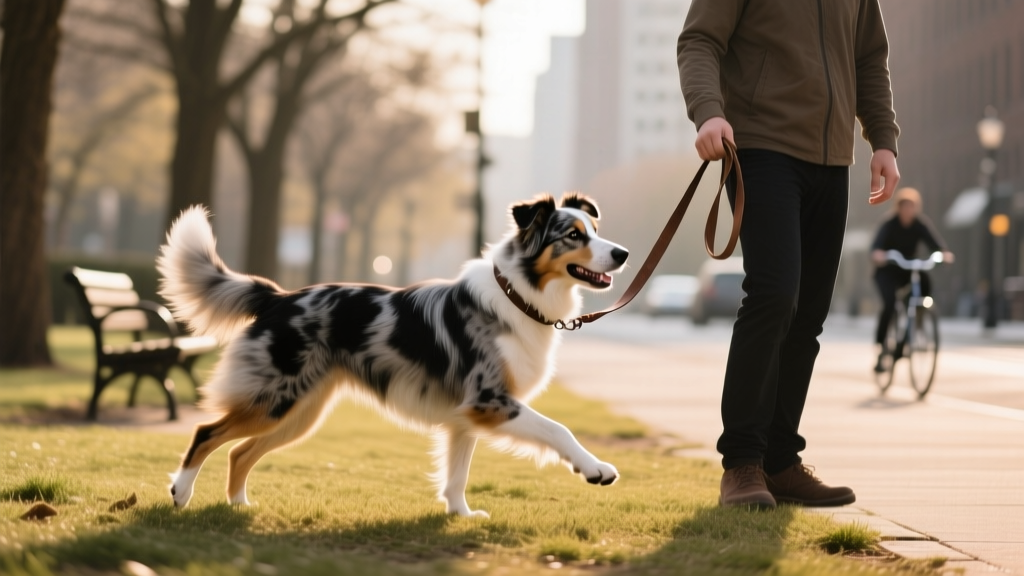
Dog Training Behavioral Issues: A Complete Guide to Solving Common Problems
Discover proven strategies for addressing common dog behavioral issues. From aggression to separation anxiety, learn how to train your dog effectively.

Dog Training Behavioral Issues: A Complete Guide to Solving Common Problems
Every dog owner has experienced moments of frustration when their furry companion develops unwanted behaviors. Whether it is excessive barking that disturbs the neighbors, destructive chewing that ruins your favorite shoes, or leash reactivity that makes walks stressful, behavioral issues are among the most common challenges in dog ownership. The good news is that most behavioral problems can be addressed with patience, consistency, and the right training techniques.
Understanding why dogs develop behavioral issues is the first step toward solving them. Dogs are not being deliberately difficult — they are communicating their needs, fears, or confusion in the only way they know how. By learning to read your dog's signals and responding with appropriate training strategies, you can transform even the most challenging behaviors into positive habits. This comprehensive guide will walk you through the most common behavioral issues and provide actionable, step-by-step solutions you can start implementing today.
If you are just starting your training journey, you may want to review our basic obedience commands guide to establish a solid foundation before tackling specific behavioral problems.
Understanding the Root Causes of Behavioral Issues in Dogs
Before diving into specific problems and solutions, it is essential to understand why behavioral issues develop in the first place. Dogs do not act out randomly — there is always an underlying cause driving their behavior. Identifying this root cause is crucial for developing an effective training plan that addresses the problem at its source rather than just treating the symptoms.
Common Root Causes of Behavioral Problems
Lack of socialization: Dogs that were not properly socialized during their critical developmental window (typically between 3 and 14 weeks of age) may develop fear-based behaviors, including aggression, anxiety, and reactivity toward unfamiliar people, animals, or environments.
Insufficient mental and physical stimulation: A bored dog is a destructive dog. Many behavioral issues, from excessive barking to compulsive chewing, stem from pent-up energy and a lack of mental engagement. High-energy breeds, such as those featured in our Border Collie breed guide and German Shepherd breed page, are particularly prone to developing problems when their exercise needs are not met.
Inconsistent training and boundaries: When rules change from day to day or different family members enforce different standards, dogs become confused. This inconsistency can lead to anxiety, testing behaviors, and a breakdown of the trust between dog and owner.
Fear and anxiety: Many behavioral issues, including aggression, are rooted in fear. A dog that feels threatened may lash out as a defensive mechanism. Understanding canine body language is essential for recognizing early signs of fear before they escalate into more serious problems.
Medical conditions: Sometimes behavioral changes are the first sign of an underlying health issue. Pain, thyroid imbalances, neurological conditions, and cognitive decline in senior dogs can all manifest as behavioral problems. Always consult your veterinarian to rule out medical causes before beginning a behavioral training program.
Assessing Your Dog's Behavior
Take time to observe your dog's behavior patterns carefully. Keep a journal noting when problematic behaviors occur, what triggers them, and what happens immediately before and after. This information will help you identify patterns and develop a targeted training approach. Consider these questions:
- When did the behavior first start?
- Are there specific triggers (people, sounds, environments)?
- Does the behavior occur at certain times of day?
- What is your dog's daily exercise and mental stimulation routine?
- Have there been any recent changes in the household?
Addressing Aggression and Reactivity in Dogs
Aggression and reactivity are among the most concerning behavioral issues for dog owners. These behaviors can manifest as growling, snarling, lunging, snapping, or biting, and they may be directed toward people, other dogs, or both. It is important to understand that aggression is typically a symptom of an underlying emotional state — most commonly fear, frustration, or resource guarding — rather than an inherent character flaw.
Step-by-Step Approach to Managing Aggression
Step 1: Identify the triggers. Carefully observe what causes your dog to become aggressive or reactive. Common triggers include unfamiliar dogs, strangers approaching the home, people reaching toward the dog's food or toys, and being handled in certain ways. Document every incident to build a clear picture of your dog's trigger profile.
Step 2: Manage the environment. While you work on long-term behavior modification, prevent your dog from rehearsing aggressive behaviors by managing their environment. This might mean walking at quieter times, using window film to block views of passing dogs, or keeping your dog in a separate room when guests visit. Management is not a permanent solution, but it prevents the behavior from becoming more ingrained.
Step 3: Implement counter-conditioning and desensitization. This is the cornerstone of aggression rehabilitation. Begin by exposing your dog to their trigger at a distance where they notice it but do not react aggressively — this is called working "below threshold." Pair the presence of the trigger with high-value treats to create a positive emotional association. Gradually decrease the distance to the trigger over multiple sessions as your dog remains comfortable.
Step 4: Teach alternative behaviors. Instead of allowing your dog to default to aggression, teach them an incompatible behavior to perform when they encounter a trigger. For example, teaching a "watch me" or "look at that" cue gives your dog a job to do and redirects their focus to you. Our leash training guide covers techniques that are particularly helpful for leash-reactive dogs.
Step 5: Build confidence through training. Confident dogs are less likely to resort to aggression. Engage your dog in activities that build their self-assurance, such as nosework, agility, or trick training. Regular positive reinforcement training sessions strengthen your bond and give your dog a sense of predictability and control.
Critical Tips for Dealing With Aggression
- Never punish aggressive behavior with physical force or intimidation, as this will escalate fear and make the problem worse
- Use a properly fitted basket muzzle as a safety tool during training — it is not a punishment
- Work with a certified professional dog trainer or veterinary behaviorist for severe cases
- Be patient — rehabilitating aggression can take months or even years of consistent work
- Avoid flooding (forcing your dog to confront their fears at full intensity), as this can cause lasting psychological damage
Solving Separation Anxiety and Destructive Behaviors
Separation anxiety is one of the most distressing behavioral issues for both dogs and their owners. Dogs with separation anxiety experience genuine panic when left alone, leading to destructive chewing, excessive vocalization, house soiling, escape attempts, and even self-injury. This condition requires a compassionate, systematic approach to treatment.
Destructive behaviors can also occur independently of separation anxiety. Dogs may chew furniture, dig at carpets, or destroy household items out of boredom, teething discomfort, or a natural instinct to explore their environment with their mouths. Understanding the motivation behind the destruction is key to choosing the right intervention.
Step-by-Step Separation Anxiety Protocol
Step 1: Create a safe space. Designate a comfortable area where your dog feels secure when alone. This could be a crate (if your dog is crate-trained and finds it comforting), a gated room, or a specific area of the house. Fill this space with familiar bedding, safe chew toys, and items that carry your scent.
Step 2: Practice gradual departures. Begin by performing your pre-departure routine (putting on shoes, picking up keys) without actually leaving. This desensitizes your dog to the cues that typically trigger anxiety. Next, practice leaving for very short durations — just a few seconds at first — and gradually increase the time as your dog remains calm.
Step 3: Build independence gradually. Start by having your dog spend time in a separate room while you are still home. Use baby gates to create visual barriers and provide engaging activities like food puzzles or frozen treat toys. Gradually increase the duration and distance of these separations.
Step 4: Establish a predictable routine. Dogs with anxiety thrive on predictability. Create consistent daily schedules for feeding, walks, playtime, and alone time. A predictable routine reduces overall anxiety and helps your dog feel more secure.
Step 5: Provide adequate exercise and enrichment. A well-exercised and mentally stimulated dog is more likely to rest calmly when alone. Ensure your dog receives appropriate physical exercise and mental enrichment before periods of separation. Breeds like the Labrador Retriever and Golden Retriever particularly benefit from vigorous exercise before alone time.
Addressing General Destructive Behaviors
For destructive behaviors not related to separation anxiety, focus on providing appropriate outlets for your dog's natural chewing and exploring instincts:
- Offer a variety of appropriate chew toys in different textures and rotate them regularly to maintain interest
- Use food-dispensing puzzle toys to provide mental stimulation and satisfy the urge to work for food
- Supervise your dog closely and redirect inappropriate chewing to acceptable alternatives immediately
- Use bitter-tasting deterrent sprays on furniture and other off-limits items as a temporary management tool
- Ensure your dog receives sufficient daily exercise appropriate to their breed and age
Tackling Excessive Barking, Jumping, and Leash Pulling
These three behavioral issues — excessive barking, jumping on people, and leash pulling — are among the most commonly reported problems by dog owners. While they may seem like separate issues, they often share common underlying causes: excitement, lack of impulse control, and inadvertently reinforced behaviors.
Managing Excessive Barking
Dogs bark for many reasons: alerting to perceived threats, seeking attention, expressing boredom, responding to other dogs, or communicating anxiety. The approach to reducing barking depends on the underlying motivation.
For alert barking: Acknowledge your dog's alert with a calm "thank you" and then redirect them to an alternative behavior such as going to their bed or mat. Over time, they will learn that one or two barks are sufficient to alert you, and that their job is done once you have acknowledged the situation.
For attention-seeking barking: Completely ignore the barking — no eye contact, no talking, no touching. The moment your dog is quiet, even for a brief pause, reward them with attention, treats, or play. Consistency is critical here; even occasional reinforcement of barking will maintain the behavior.
For boredom barking: Increase your dog's physical exercise and mental stimulation. Provide interactive toys, schedule regular training sessions, and consider doggy daycare or a dog walker if your dog spends long hours alone. Our puppy training essentials guide covers enrichment strategies that work well for dogs of all ages.
Stopping Jumping on People
Jumping is a natural greeting behavior for dogs — they want to get close to people's faces to interact. However, it is undesirable and can be dangerous, especially with large breeds like the Great Dane or Rottweiler.
Step 1: Teach your dog that all four paws on the floor earns attention. When your dog jumps, turn away and cross your arms, becoming completely uninteresting. The instant all four paws touch the ground, turn back and provide calm attention and praise.
Step 2: Teach an alternative greeting behavior, such as sitting. Practice this extensively in low-distraction environments before expecting your dog to perform when excited visitors arrive.
Step 3: Manage greetings with visitors by keeping your dog on a leash initially, asking guests to ignore your dog until they are sitting calmly, and rewarding calm behavior generously.
Eliminating Leash Pulling
Leash pulling is one of the most frustrating behaviors for dog owners, but it is also one of the most trainable. Dogs pull because it works — when they pull, they get to move forward toward whatever interests them.
The stop-and-go method: Every time your dog pulls and the leash becomes tight, stop walking immediately. Wait until your dog relaxes the tension on the leash (even slightly) before continuing. This teaches your dog that pulling makes forward movement stop, while a loose leash makes it continue.
The direction-change method: When your dog pulls, silently change direction and walk the other way. When your dog catches up and walks beside you with a loose leash, reward them with a treat at your side. This teaches your dog to pay attention to your movements and stay close.
Equipment considerations: A front-clip harness can be a helpful management tool while you train loose-leash walking, as it gently redirects your dog's forward momentum when they pull. Avoid choke chains, prong collars, and shock collars, as these can cause physical harm and worsen behavioral problems by creating negative associations with the environment.
House Soiling, Resource Guarding, and Other Common Issues
Beyond the major behavioral challenges discussed above, several other common issues can disrupt the harmony between dogs and their families. Understanding and addressing these problems with proven training methods will help create a well-mannered canine companion.
House Soiling in Adult Dogs
While house soiling is expected in puppies, it can be incredibly frustrating when it occurs in adult dogs. Before beginning behavioral training, always have your veterinarian rule out medical causes such as urinary tract infections, diabetes, kidney disease, or hormonal imbalances.
For behavioral house soiling, return to basic house training principles:
- Establish a consistent feeding and potty schedule
- Take your dog outside frequently — at minimum after meals, naps, play sessions, and before bedtime
- Supervise closely indoors or use a crate when you cannot watch them
- Reward outdoor elimination enthusiastically with treats and praise
- Clean indoor accidents thoroughly with enzymatic cleaners to eliminate scent markers
- Never punish your dog for accidents, as this creates fear and may cause them to hide when they need to eliminate
Resource Guarding
Resource guarding occurs when a dog displays aggressive behaviors to protect valued items such as food, toys, bones, beds, or even people. This is a natural canine behavior, but it can be dangerous in a household setting.
Step 1: Never confront a resource-guarding dog by taking items away by force, as this escalates the behavior and damages trust.
Step 2: Practice trading up — offer your dog something even better than what they have in exchange for the guarded item. For example, trade a high-value chew for a piece of chicken. This teaches your dog that giving up items results in something even better.
Step 3: Practice the "drop it" and "leave it" commands using positive reinforcement in low-stakes situations before applying them to guarded resources. Our basic obedience commands guide provides detailed instructions for teaching these essential cues.
Step 4: For food guarding specifically, practice adding high-value items to your dog's bowl while they eat, so they learn that a human approaching their food predicts good things rather than loss.
Common Mistakes Dog Owners Make When Addressing Behavioral Issues
Even well-intentioned owners can inadvertently make behavioral problems worse. Avoid these common pitfalls:
1. Using punishment-based methods: Yelling, hitting, alpha rolls, and other aversive techniques may suppress behavior temporarily but do not address the underlying cause. They often create fear, damage the human-dog bond, and can lead to escalated aggression.
2. Inconsistency between family members: If one person allows the dog on the couch and another scolds them for it, the dog becomes confused and anxious. All family members must agree on and enforce the same rules consistently.
3. Expecting quick fixes: Behavioral issues that took months or years to develop will not be resolved overnight. Set realistic expectations and celebrate small improvements along the way.
4. Accidentally reinforcing unwanted behaviors: Laughing at your dog when they jump, giving attention when they bark, or pushing them away when they mouth your hands can all inadvertently reinforce the very behaviors you are trying to eliminate.
5. Skipping foundational training: Trying to solve complex behavioral issues without first establishing basic obedience skills is like trying to run before you can walk. A solid foundation of basic commands provides the communication tools you need for behavior modification.
6. Not addressing the root cause: Treating symptoms without understanding why the behavior occurs leads to frustration and relapse. Always investigate the underlying motivation before implementing a training plan.
7. Giving up too soon: Many owners abandon training programs just before a breakthrough. Behavior modification often follows a pattern of initial improvement, a temporary worsening (called an extinction burst), and then lasting change. Pushing through the difficult phase is essential for success.
Frequently Asked Questions About Dog Behavioral Issues
How long does it take to correct a dog's behavioral problems?
The timeline for correcting behavioral issues varies enormously depending on the specific problem, its severity, how long it has been occurring, the dog's age and temperament, and the consistency of the training approach. Simple issues like jumping or leash pulling may show significant improvement within two to four weeks of consistent training. More complex problems like separation anxiety or aggression typically require several months of dedicated work. Some dogs with deeply ingrained behavioral issues may need ongoing management throughout their lives. The key is consistency — daily practice, even in short five-to-ten-minute sessions, produces far better results than occasional long training sessions.
Can older dogs with established behavioral issues still be trained?
Absolutely. The saying "you can't teach an old dog new tricks" is a myth. While older dogs may take slightly longer to change established patterns, they are fully capable of learning new behaviors and modifying existing ones. In fact, older dogs often have longer attention spans and are calmer than puppies, which can make training sessions more productive. The main considerations with senior dogs are ensuring that any behavioral changes are not medically related and adapting training methods to accommodate any physical limitations such as arthritis or hearing loss. Breeds known for their longevity, such as the Chihuahua or Poodle, may benefit from behavioral training well into their senior years.
When should I seek professional help for my dog's behavioral issues?
You should consider consulting a professional dog trainer or veterinary behaviorist in the following situations: your dog has bitten or shown serious aggression toward a person or another animal, your dog's behavior poses a safety risk to your family or community, you have tried consistent training for several weeks without improvement, your dog's anxiety is severely impacting their quality of life, or you feel overwhelmed, frustrated, or unsure about how to proceed. A certified professional can assess your dog's behavior, develop a customized training plan, and provide guidance and support throughout the process. There is no shame in seeking help — it is a responsible decision that benefits both you and your dog.
Is medication ever necessary for treating dog behavioral issues?
Yes, in some cases medication can be a valuable component of a comprehensive behavior modification plan. Medication is most commonly considered for severe anxiety disorders, compulsive behaviors, and aggression cases where the dog's emotional state is so heightened that they cannot effectively learn new behaviors. Medication is not a standalone solution — it is used in conjunction with behavior modification training to help the dog reach a state where they can benefit from training. Only a licensed veterinarian or veterinary behaviorist can prescribe and monitor behavioral medications. If you suspect your dog might benefit from medication, discuss your concerns with your veterinarian, who can evaluate your dog and provide appropriate referrals.
How can I prevent behavioral issues from developing in the first place?
Prevention is always easier than treatment. The best strategies for preventing behavioral issues include proper socialization during your dog's critical developmental period, establishing consistent rules and boundaries from day one, providing adequate daily exercise and mental stimulation appropriate to your dog's breed and energy level, enrolling in puppy training classes to build a strong obedience foundation, exposing your dog to a wide variety of people, animals, environments, and experiences in a positive way, and learning to read your dog's body language so you can address early warning signs before they develop into full-blown problems. Our puppy training essentials guide provides a comprehensive roadmap for setting your new dog up for behavioral success from the very beginning.
Final Thoughts on Dog Training and Behavioral Issues
Dealing with behavioral issues can be one of the most challenging aspects of dog ownership, but it can also be one of the most rewarding. Every behavioral problem you successfully address strengthens the bond between you and your dog, deepens your understanding of canine behavior, and creates a more harmonious household for everyone.
Remember that progress in dog training is rarely linear. There will be setbacks, frustrating days, and moments when it feels like nothing is working. These are normal parts of the process. Stay committed to positive, science-based training methods, be patient with your dog and with yourself, and celebrate every small victory along the way.
Your dog depends on you to guide them through a world that can often be confusing and overwhelming. By approaching behavioral issues with empathy, knowledge, and consistency, you give your dog the best possible chance to become the well-adjusted, happy companion you both deserve. Explore our complete training resource library for more guides and tips to support you on your dog training journey.
Beth Carrasco
All our authors care for dogs every day — read more of their work on the authors page.