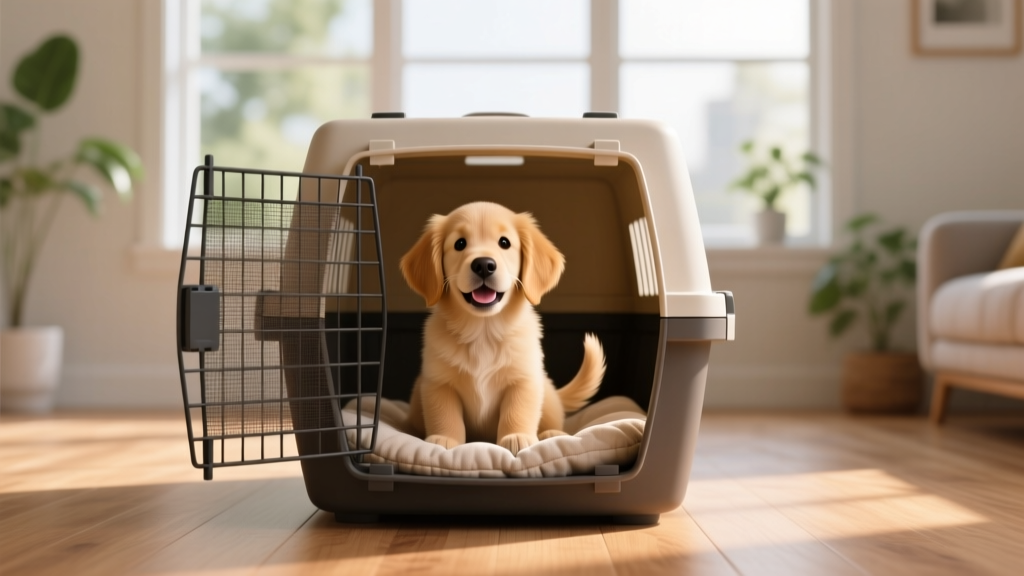
Crate Training Puppies: The Complete Step: by: Step...
Learn how to crate train your puppy with our comprehensive step-by-step guide.
Bringing a new puppy home is one of life's greatest joys, but it also comes with its fair share of challenges. Between the midnight whining, the chewed-up furniture, and the seemingly endless potty accidents, new puppy parents often find themselves overwhelmed and searching for solutions. Crate training is one of the most effective tools you can use to set your puppy up for success — and contrary to popular belief, it is not cruel or confining when done properly. In fact, most puppies come to love their crates as a safe, cozy den where they can retreat, rest, and feel secure.
Crate training taps into a dog's natural instinct to seek out enclosed, den-like spaces. In the wild, canines gravitate toward small, sheltered areas to sleep and raise their young. A crate mimics this environment, giving your puppy a personal space that feels instinctively right. Beyond comfort, crate training accelerates house training, prevents destructive behavior when you cannot supervise your puppy, makes travel safer and easier, and provides a calm sanctuary during stressful situations like thunderstorms or visits from guests.
This comprehensive guide will walk you through everything you need to know about crate training your puppy, from choosing the right crate to troubleshooting common problems. Whether you are working with a rambunctious Golden Retriever puppy or a tiny Chihuahua, the principles remain the same. Patience, consistency, and positive reinforcement are your best friends on this journey.
Choosing the Right Crate for Your Puppy
Before you begin training, you need to select the appropriate crate for your puppy's size, breed, and lifestyle. The right crate makes the training process smoother and ensures your puppy feels comfortable and secure from day one.
Types of Crates Available
There are several types of crates to consider, each with its own advantages:
- Wire crates: These are the most popular choice for puppy training. They offer excellent ventilation, allow your puppy to see their surroundings, and typically fold flat for easy storage and transport. Many wire crates come with a divider panel, which is essential for growing puppies.
- Plastic crates: Often used for airline travel, plastic crates provide a more enclosed, den-like feeling. They are lightweight and easy to clean, but offer less ventilation and visibility than wire crates.
- Soft-sided crates: Made from fabric and mesh, these are lightweight and portable. However, they are generally not recommended for puppies still in the training phase, as teething puppies can easily chew through the material.
- Furniture-style crates: These double as end tables or decorative pieces and can be a great option once your puppy is fully crate trained. They tend to be more expensive and are not ideal for the initial training period.
Sizing Your Crate Correctly
Proper crate sizing is critical to successful crate training. A crate that is too large allows your puppy to eliminate in one corner and sleep in another, which undermines potty training efforts. A crate that is too small will be uncomfortable and may cause your puppy to associate the crate with distress.
The ideal crate size allows your puppy to stand up without hitting their head, turn around comfortably, and lie down stretched out. For growing puppies, purchase a crate sized for their expected adult weight and use the included divider panel to reduce the available space as they grow. Most breed-specific size charts are available from crate manufacturers, but a good general rule is to measure your puppy from the tip of their nose to the base of their tail and add two to four inches for length, and measure from the top of their head to the ground and add two to four inches for height.
Setting Up the Crate Environment
Location matters. Place the crate in a common area of your home where the family spends time, such as the living room or kitchen. Puppies are social animals and isolating the crate in a basement or garage can trigger anxiety and excessive barking. At night, placing the crate in or near your bedroom helps your puppy feel connected to you and makes it easier to hear when they need to go outside for a potty break.
Furnish the crate with a soft, washable bed or blanket. Avoid overly plush bedding during the early weeks, as some puppies will chew and potentially ingest fabric. A durable, chew-resistant pad is a safer option until your puppy outgrows the destructive chewing phase. Always provide fresh water nearby, and consider attaching a clip-on water bowl to the crate for longer confinement periods.
Step-by-Step Crate Training Process
Crate training is not something that happens overnight. It requires a gradual, positive approach that builds your puppy's confidence and creates a strong association between the crate and good experiences. Rushing the process is one of the most common reasons crate training fails, so commit to moving at your puppy's pace, even if it feels slow.
Step 1: Introduce the Crate as a Positive Space
Begin by placing the crate in your chosen location with the door secured open. Scatter a few high-value treats inside and around the entrance. Let your puppy explore the crate at their own pace without any pressure or coaxing. Some puppies will walk right in, while others may take several minutes or even hours to build the courage. Toss treats inside periodically and offer enthusiastic praise whenever your puppy shows interest in the crate.
You can also feed your puppy their regular meals near the crate during this introductory phase. Start with the food bowl just outside the crate door, and gradually move it further inside over the course of several meals. This creates a powerful positive association: the crate is where delicious things happen.
Step 2: Begin Closing the Door Briefly
Once your puppy is comfortably entering the crate to eat meals and retrieve treats, start closing the door for very short periods. Begin by closing the door while your puppy is eating, then immediately opening it when they finish. Over successive meals, leave the door closed for a few seconds longer each time.
After your puppy tolerates the closed door during meals, practice closing the door while they are inside with a favorite chew toy or a food-stuffed puzzle toy like a Kong. Sit nearby and talk to your puppy in a calm, reassuring voice. Start with one to two minutes and gradually increase the duration. If your puppy whines or paws at the door, wait for a brief moment of quiet before opening it. Opening the door while they are vocalizing teaches them that whining is the key to freedom.
Step 3: Increase Duration and Add Distance
As your puppy becomes comfortable spending five to ten minutes in the closed crate with you nearby, begin adding distance. Step away from the crate for a few seconds, then return and reward calm behavior. Gradually increase the time you spend out of sight, starting with thirty seconds, then one minute, then five minutes.
This step is crucial because it teaches your puppy that your departure is temporary and that you will always return. It also lays the groundwork for preventing separation anxiety later in life. Practice this step multiple times per day, varying the duration so your puppy does not learn to predict when you will return.
Step 4: Leave the Room and Build Up to Longer Absences
Once your puppy can remain calm in the crate for ten to fifteen minutes while you are out of the room, begin practicing actual departures. Put your puppy in the crate with a long-lasting treat, give a calm, low-key goodbye, and leave the house for a short period. Start with five minutes and gradually extend your absences over days and weeks.
Keep your departures and arrivals calm and uneventful. Dramatic goodbyes and excited greetings can heighten your puppy's anxiety around crate time. When you return, wait until your puppy is quiet and settled before letting them out of the crate. This reinforces the idea that calm behavior, not frantic energy, is what earns freedom.
Step 5: Crate Training at Night
Nighttime crate training follows the same positive principles but requires some additional considerations. Young puppies have small bladders and typically need to eliminate every two to four hours, depending on their age. A general guideline is that a puppy can hold their bladder for approximately one hour per month of age, so a two-month-old puppy needs a potty break roughly every two hours.
Set an alarm to take your puppy outside during the night for the first several weeks. Keep these middle-of-the-night trips boring and businesslike: leash your puppy, carry them outside to their designated potty spot, wait for them to eliminate, offer quiet praise, and return them directly to the crate. Avoid play, treats, or extended interaction during these nighttime breaks, as this can teach your puppy that waking up at night is rewarding.
As your puppy's bladder capacity increases, you will be able to stretch the time between nighttime potty breaks. Most puppies can sleep through the night without a break by the time they are four to five months old, though this varies by breed and individual development. Larger breeds like Labrador Retrievers may develop bladder control slightly earlier than smaller breeds.
Essential Tips for Crate Training Success
Beyond the step-by-step process, certain strategies can dramatically improve your crate training results and help you avoid frustrating setbacks.
Use High-Value Rewards
Reserve special treats exclusively for crate time. Small pieces of cooked chicken, cheese, or commercial training treats that your puppy does not receive at other times create a strong incentive to enter the crate willingly. Food-stuffed toys, frozen Kongs filled with peanut butter or yogurt, and long-lasting chews keep your puppy occupied and happy inside the crate for extended periods.
Establish a Consistent Routine
Dogs thrive on predictability. Create a daily schedule that incorporates crate time at consistent intervals. For example, your puppy might go in the crate after morning playtime, after lunch, and during evening wind-down time. When crate time is woven into a predictable routine, your puppy learns to anticipate and accept it rather than resist it.
Exercise Before Crating
A tired puppy is a cratable puppy. Always ensure your puppy has had adequate physical exercise and mental stimulation before asking them to settle in the crate. A fifteen to thirty minute play session, a walk around the neighborhood, or a brief obedience training session can burn off excess energy and make your puppy far more willing to nap in the crate. Puppies that are crated without sufficient exercise often become restless, vocal, and frustrated.
Make the Crate Inviting
Consider covering a wire crate with a light blanket or a specially designed crate cover to create a cozier, more den-like atmosphere. Some puppies feel more secure with partial coverage, while others prefer full enclosure. Experiment to see what your puppy responds to best. You can also place an article of your worn clothing in the crate so your scent provides comfort while you are away.
Never Use the Crate as Punishment
This point cannot be overstated. The crate must always be associated with positive experiences. If you use the crate as a time-out or punishment space, your puppy will learn to fear and resist it, undermining all of your training progress. If your puppy needs a time-out, use a different designated space, such as a small, puppy-proofed room or a playpen area.
Common Crate Training Mistakes and How to Avoid Them
Even well-intentioned puppy parents make mistakes during the crate training process. Recognizing and avoiding these pitfalls will save you time, frustration, and potential behavioral problems down the road.
Moving Too Fast
One of the most frequent errors is rushing through the steps. Every puppy is different, and some need more time at each stage than others. If you close the crate door before your puppy is comfortable going inside voluntarily, you risk creating a negative association that can take weeks to undo. Watch your puppy's body language carefully. Signs of stress include panting, drooling, excessive pawing, frantic attempts to escape, and sustained vocalization. If you see these signs, go back a step and proceed more slowly.
Letting the Puppy Out While They Are Crying
It is natural to want to comfort a crying puppy, but releasing them from the crate while they are whining or barking teaches them that vocalizing is the way to get out. Instead, wait for even a brief pause in the noise — as short as three to five seconds of silence — and then open the door. Over time, your puppy learns that quiet behavior, not crying, results in being released.
The exception to this rule is when your puppy is crying because they need to eliminate. Learn to distinguish between protest whining and the urgent, persistent crying that signals a potty need. If your puppy has been in the crate for longer than their age-appropriate bladder capacity, take them outside immediately.
Crating for Excessively Long Periods
Puppies should never be crated for longer than they can physically hold their bladder and bowels. Extended confinement also leads to boredom, frustration, and the development of behavioral problems. As a general guideline, puppies under six months should not be crated for more than three to four hours at a time during the day, excluding overnight sleep. If you work full-time, arrange for a dog walker, pet sitter, or trusted neighbor to let your puppy out midday. Alternatives like a puppy-proofed room or an exercise pen with a potty area can supplement crate time for longer absences.
Inconsistency Between Household Members
Everyone in the household must follow the same crate training rules and schedule. If one person lets the puppy out when they cry and another does not, the puppy receives mixed messages that slow progress significantly. Hold a brief family meeting to align on the training plan, the command word you will use (such as "crate" or "kennel"), and the schedule for crating and potty breaks. Consistency is the backbone of all successful puppy training.
Skipping the Wind-Down Period
Plopping an excited, playful puppy directly into the crate is a recipe for frustration and protest. Build in a five to ten minute wind-down period before crating. Dim the lights, speak softly, offer a gentle petting session, or give your puppy a calming chew. This transition period signals that it is time to settle and helps your puppy shift from an active state to a restful one.
Crate Training Troubleshooting: Solving Common Problems
Even with the best approach, you may encounter challenges along the way. Here are solutions to the most common crate training problems puppy owners face.
My Puppy Whines and Cries Constantly in the Crate
Some whining is normal during the early stages of crate training, especially at night. However, persistent, intense crying that lasts more than fifteen to twenty minutes may indicate that you have progressed too quickly or that your puppy has an unmet need. First, rule out physical needs: does your puppy need to eliminate? Are they hungry, thirsty, too hot, or too cold? If physical needs are met, return to the previous step in the training process and rebuild your puppy's comfort level gradually. You can also try placing the crate closer to your bed at night or using white noise or soft music to mask unsettling sounds.
My Puppy Has Accidents in the Crate
If your puppy is regularly soiling the crate, the most likely causes are a crate that is too large, crating for too long between potty breaks, or a medical issue such as a urinary tract infection. Ensure the crate is sized so your puppy can stand, turn, and lie down but not much more. Reduce the time between potty breaks and consult your veterinarian if accidents persist despite proper management. Thoroughly clean any soiled areas with an enzymatic cleaner to eliminate odors that might encourage repeat accidents.
My Puppy Refuses to Go Into the Crate
A puppy that actively avoids the crate has not yet formed a positive association with it. Go back to basics: leave the door open, place irresistible treats and favorite toys inside, and feed meals in the crate. You can also try placing the crate in a different location or switching to a different type of crate. Some puppies prefer the enclosed feeling of a plastic crate over the open visibility of a wire crate, or vice versa. Never force your puppy into the crate, as this creates fear and resistance that can persist for months.
My Puppy Chews the Crate or Injures Themselves Trying to Escape
Destructive behavior in the crate can stem from boredom, anxiety, or teething discomfort. Ensure your puppy has appropriate chew toys available in the crate and has been sufficiently exercised before being confined. If your puppy is injuring themselves on the crate bars or door, consider switching to a plastic crate or consulting a professional dog trainer or veterinary behaviorist. In some cases, crate training may need to be paused while you address underlying anxiety issues through desensitization and counterconditioning protocols.
Frequently Asked Questions About Crate Training Puppies
How long does it take to crate train a puppy?
The timeline for crate training varies widely depending on the puppy's age, temperament, breed, and previous experiences. Some puppies adapt to the crate within a few days, while others may take several weeks to feel fully comfortable. On average, expect the initial training process to take two to four weeks of consistent, daily practice. Remember that crate training is not a one-time event but an ongoing practice that evolves as your puppy grows. Even after your puppy is happily crate trained, occasional setbacks can occur during developmental stages or periods of environmental change. Stay patient and consistent, and your puppy will build lasting comfort with their crate.
Is it okay to crate my puppy while I am at work?
Yes, crating your puppy during work hours is acceptable as long as you respect age-appropriate time limits. Puppies under four months should not be crated for more than two to three hours at a stretch. Older puppies can typically handle three to four hours. If you work a full eight-hour day, you will need to arrange for someone to let your puppy out for a potty break and some exercise midway through the day. A dog walker, neighbor, friend, or family member can fill this role. As your puppy matures and gains full bladder control, usually around six to eight months of age, longer crating periods become feasible, though providing a midday break is still beneficial for their physical and mental well-being.
Should I put water in the crate with my puppy?
For short crating periods of two hours or less, water is generally not necessary as long as your puppy has access to fresh water before and after crate time. For longer periods or overnight, providing water is advisable. Use a clip-on water bottle or a no-spill bowl attached to the crate to prevent spills that can leave your puppy lying in a wet bed. During hot weather or if your puppy has been particularly active, always err on the side of providing water. Dehydration is a serious concern and should never be risked for the sake of convenience.
When can I stop using the crate?
Most dogs can transition to unsupervised freedom in the home between eighteen months and two years of age, once they have demonstrated reliable house training and have outgrown the destructive chewing phase. However, many dogs continue to enjoy their crate as a personal retreat well into adulthood, and there is no need to eliminate crate access entirely. You can begin leaving the crate door open during the day and allowing your dog to choose whether to use it. Some owners gradually expand their dog's access to the home by starting with a single puppy-proofed room and increasing freedom as the dog proves trustworthy. If your dog begins having accidents or chewing inappropriate items, return to crate management and rebuild trust gradually. Some breeds, particularly high-energy working breeds like Border Collies and German Shepherds, may take longer to mature and may benefit from crate use well into their second or third year.
What if my puppy hates the crate no matter what I try?
If you have followed a patient, positive training protocol for several weeks and your puppy still shows significant distress in the crate, it may be time to consult a certified professional dog trainer or a veterinary behaviorist. Some puppies have underlying anxiety disorders that require specialized intervention beyond standard training techniques. In the meantime, consider alternative confinement options such as an exercise pen or a puppy-proofed small room with baby gates. These alternatives provide safe containment without the enclosed feeling that some puppies find distressing. The goal is always your puppy's emotional well-being, and sometimes the best solution is to adapt your approach rather than force a method that is not working.
Crate training is one of the most valuable investments you can make in your puppy's development and your own peace of mind. By approaching the process with patience, positivity, and consistency, you will give your puppy a lifelong gift: a safe space they truly call their own. For more guidance on raising a well-behaved companion, explore our complete library of dog training guides and breed profiles to find resources tailored to your puppy's unique needs.
Tom Renshaw
All our authors care for dogs every day — read more of their work on the authors page.