Potty Training Schedule for Dogs: A Complete
Master potty training with a proven schedule for puppies & adult dogs. Get practical tips, routines, common mistakes to avoid, and expert advice.
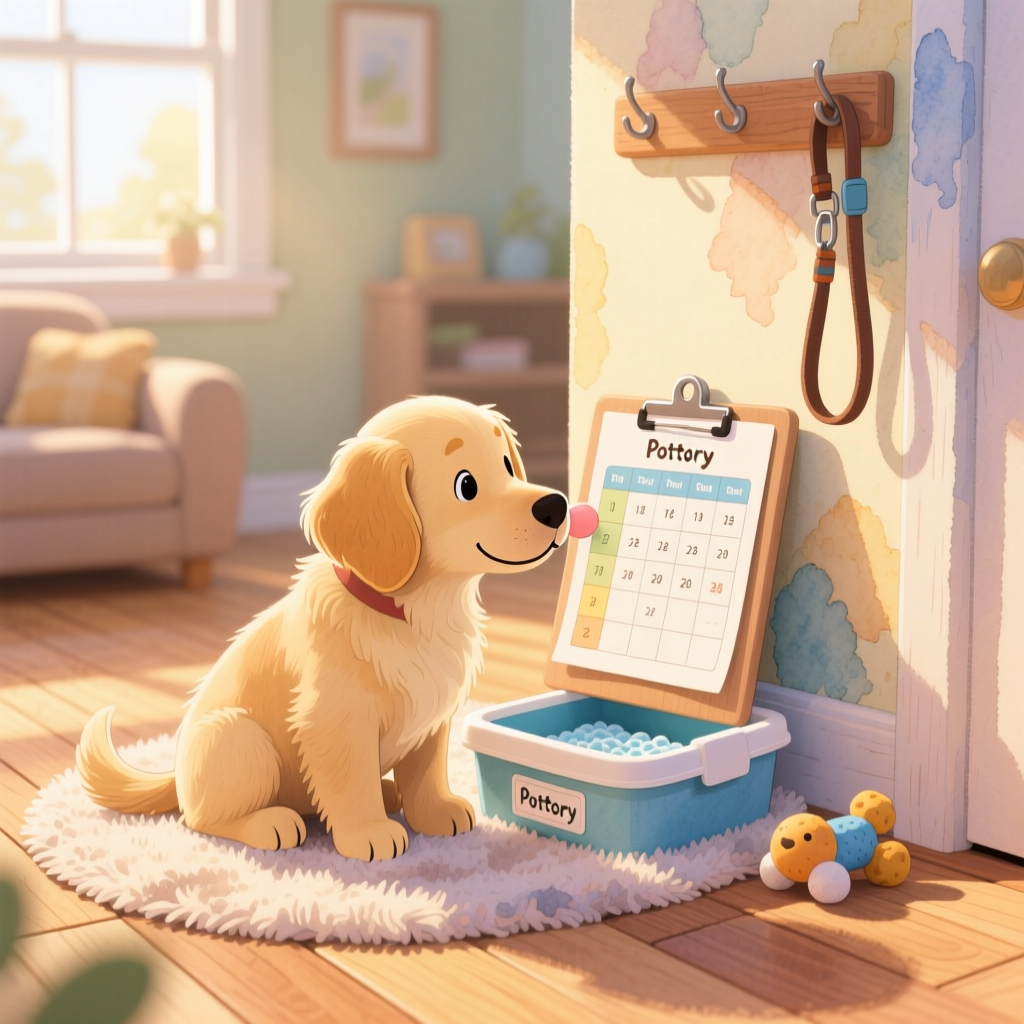
Bringing a new dog into your home is one of life's greatest joys — until you find a surprise puddle on your favorite rug. Potty training is one of the first and most important skills you will teach your dog, and having a structured potty training schedule is the single most effective way to make it happen. Whether you are working with a brand-new puppy or retraining an adult rescue, a consistent routine builds good habits, reduces accidents, and strengthens the bond between you and your furry companion.
At Paws & Tales, we know that every dog is unique, but the principles of successful house training remain remarkably consistent. This comprehensive guide walks you through creating a potty training schedule that works, offers practical step-by-step advice, highlights common mistakes to avoid, and answers the questions new dog owners ask most. Let's get started on the path to a fully house-trained dog.
Why a Potty Training Schedule Works So Well
Dogs thrive on routine. In the wild, canines follow predictable patterns for eating, drinking, resting, and eliminating. By creating a potty training schedule, you are tapping into your dog's natural instincts and helping them understand exactly when and where they should do their business. A schedule removes the guesswork for both you and your dog.
Without a schedule, accidents are almost inevitable. You might forget to take your puppy out after a nap, or your adult dog may not understand that the backyard is the appropriate place to go. A structured routine eliminates these uncertainties and sets clear expectations.
The Science Behind Consistency
Dogs learn through repetition and positive reinforcement. When you take your dog to the same spot at the same times every day, they begin to associate that location and those moments with elimination. Over time, the behavior becomes automatic. Think of it like building muscle memory — the more consistently you follow the schedule, the faster your dog internalizes the routine.
Consistency also helps you predict when your dog needs to go. Puppies, in particular, have small bladders and fast metabolisms. A young puppy can typically hold their bladder for roughly one hour per month of age. So a three-month-old puppy can wait about three hours, while a six-month-old can manage around six hours. Adult dogs can generally hold it for six to eight hours, but frequent opportunities are still essential during training.
Benefits Beyond Potty Training
A well-structured schedule does more than prevent indoor accidents. It also helps with:
- Crate training: Dogs naturally avoid soiling their sleeping area, so a crate paired with a schedule accelerates house training. Check out our crate training guide for a detailed walkthrough.
- Behavioral stability: Predictable routines reduce anxiety and destructive behaviors that stem from uncertainty.
- Health monitoring: Regular elimination makes it easier to notice changes in frequency, color, or consistency that might indicate a health issue.
- Bonding: Spending dedicated time with your dog during potty breaks builds trust and reinforces your role as their caregiver.
Puppy Potty Training Schedule: Hour by Hour
Puppies require the most intensive schedule because their bladders are small and their self-control is still developing. The following schedule is designed for puppies between eight weeks and six months of age. Adjust the timing based on your puppy's age, breed size, and individual needs. Smaller breeds like Chihuahuas and Yorkshire Terriers may need more frequent breaks due to their tiny bladders.
Morning Routine
- Wake-up (6:00–7:00 AM): Take your puppy outside immediately upon waking. Carry them if they are very young to prevent accidents on the way to the door.
- First potty break (Immediately): Bring them to the designated potty spot and use a consistent cue word like "go potty" or "do your business." Praise enthusiastically and offer a small treat when they eliminate.
- Breakfast (7:00–7:30 AM): Feed your puppy their morning meal. Puppies typically need to eliminate within 15 to 30 minutes after eating.
- Second potty break (7:30–8:00 AM): Take them out again after breakfast. This is often a bowel movement break.
- Play and training session (8:00–8:30 AM): Engage in a short play or basic obedience training session. Mental and physical stimulation is important, but keep sessions brief for young puppies.
- Third potty break (8:30–9:00 AM): After play, your puppy will likely need to go again.
Midday Routine
- Nap time (9:00–11:00 AM): Place your puppy in their crate or a confined, puppy-proofed area. Most puppies will sleep through this period.
- Potty break after nap (11:00 AM): Take them outside immediately upon waking.
- Lunch (11:30 AM–12:00 PM): Feed your puppy their midday meal (puppies under six months typically eat three meals per day).
- Potty break after lunch (12:00–12:30 PM): Another trip to the designated spot.
- Afternoon play (12:30–1:00 PM): Supervised playtime and socialization.
- Potty break (1:00 PM): After activity, head outside again.
Afternoon and Evening Routine
- Afternoon nap (1:00–3:00 PM): Crate time or quiet rest.
- Potty break (3:00 PM): Immediate outdoor trip after waking.
- Play, walk, or training (3:15–4:00 PM): This is a great time for a short walk or leash training practice. Visit our leash training tips for guidance on getting started.
- Potty break (4:00 PM): Another outdoor visit.
- Dinner (5:00–5:30 PM): Feed the evening meal.
- Potty break after dinner (5:30–6:00 PM): Take them out within 20 to 30 minutes of eating.
- Evening relaxation (6:00–8:00 PM): Supervised family time. Take potty breaks every 30 to 60 minutes during this period.
- Last water offering (7:30 PM): Remove water about one to two hours before bedtime to reduce overnight accidents.
- Final potty break (9:00–10:00 PM): Take your puppy out right before bed. Make this a calm, low-energy trip.
- Overnight (10:00 PM–6:00 AM): Young puppies may need one or two overnight potty breaks. Set an alarm for 2:00 or 3:00 AM for puppies under four months. Keep overnight breaks brief and boring — no play, just business.
Adult Dog Potty Training Schedule
Adult dogs — whether newly adopted rescues or dogs that need retraining — can learn to follow a potty schedule just as effectively as puppies. The advantage with adult dogs is their larger bladder capacity and longer attention span. However, adult dogs may also have established bad habits or anxiety-related issues that require patience and understanding.
Sample Daily Schedule for Adult Dogs
- 6:30–7:00 AM: First potty break of the day. Take your dog outside as soon as they wake up.
- 7:00–7:30 AM: Breakfast. Provide the full meal and remove uneaten food after 15 to 20 minutes.
- 7:30–8:00 AM: Post-breakfast potty break.
- 8:00 AM–12:00 PM: If you are home, offer a potty break around 10:00 AM. If you are away, ensure your dog has access to a safe, confined space. Consider hiring a dog walker or asking a neighbor for a midday break.
- 12:00–12:30 PM: Midday potty break.
- 5:00–5:30 PM: Evening potty break when you return home or after the afternoon.
- 5:30–6:00 PM: Dinner.
- 6:00–6:30 PM: Post-dinner potty break.
- 8:00–8:30 PM: Evening walk or play session followed by a potty break. Explore our socialization tips to make walks more enjoyable.
- 10:00–10:30 PM: Final potty break before bed.
Adjusting for Breed Size and Health
Not all adult dogs are created equal when it comes to bladder control. Large breeds like Golden Retrievers and German Shepherds can typically hold it for longer stretches, while small breeds like Pomeranians and Dachshunds may need more frequent breaks. Senior dogs and those with medical conditions such as urinary tract infections or diabetes may also require a modified schedule with more frequent outdoor trips.
Always consult your veterinarian if your dog is having frequent accidents despite following a consistent schedule. Medical issues should be ruled out before assuming the problem is purely behavioral.
Essential Tips for Potty Training Success
A schedule is your foundation, but the following tips will help you maximize your results and minimize frustration along the way.
Choose a Designated Potty Spot
Select one specific area in your yard or outdoor space where your dog should eliminate. The scent of previous visits will serve as a natural trigger, encouraging your dog to go in that spot. Always bring your dog to the same location during potty breaks. If you live in an apartment, consider using a balcony potty area or pee pad training as a supplement, but prioritize outdoor elimination whenever possible.
Use a Consistent Cue Word
Pick a phrase such as "go potty," "do your business," or "hurry up" and say it every time your dog begins to eliminate. Over time, your dog will associate the cue with the action, which is incredibly useful during bad weather, travel, or when you are in a hurry. Say the cue calmly and only while your dog is actively eliminating — not before or after.
Reward Immediately and Generously
The moment your dog finishes eliminating in the correct spot, praise them enthusiastically and give a high-value treat. Timing is critical — the reward must come within seconds of the behavior so your dog makes the connection. Keep treats near the door or in your pocket so you are always prepared.
Supervise or Confine
When your dog is not crated or in a puppy-proofed area, they should be under direct supervision at all times during the training period. Watch for signs that they need to go: sniffing the ground, circling, whining, pacing, or heading toward a previously soiled area. If you cannot supervise, confine your dog to a crate or a small, safe room. This prevents unsupervised accidents and reinforces the habit of holding it until the next scheduled break.
Track Progress
Keep a simple log of your dog's potty breaks, meals, and accidents for the first few weeks. Note the time, whether the trip was successful, and any relevant details like water intake or unusual behavior. This log helps you identify patterns, adjust the schedule, and celebrate progress. Many dog owners find that accidents drop dramatically within the first two to three weeks of following a consistent schedule.
Clean Accidents Thoroughly
When accidents happen — and they will — clean the area immediately with an enzymatic cleaner specifically designed for pet stains. Standard household cleaners may mask the odor to human noses, but dogs can still detect it and may return to the same spot. Enzymatic cleaners break down the proteins in urine and feces, eliminating the scent completely.
Common Potty Training Mistakes and How to Avoid Them
Even well-intentioned dog owners can inadvertently sabotage potty training. Here are the most common mistakes and how to correct them.
Mistake #1: Punishing Accidents
Rubbing your dog's nose in a mess, yelling, or swatting them after an accident does not teach them anything useful. Dogs do not connect punishment with an action that happened minutes or even seconds ago. Instead, punishment creates fear and anxiety, which can lead to your dog hiding to eliminate or developing submissive urination behaviors. If you catch your dog in the act, interrupt them calmly with a firm "no" or a clap, then immediately carry or lead them outside to finish. Reward them if they complete the job outdoors.
Mistake #2: Inconsistent Timing
Taking your dog out at random times or skipping scheduled breaks sends mixed signals. Your dog cannot learn a pattern if the pattern keeps changing. Commit to the schedule as closely as possible, especially during the first few weeks. Set alarms on your phone if you tend to lose track of time.
Mistake #3: Giving Too Much Freedom Too Soon
One of the most frequent errors is allowing a puppy or newly adopted dog free run of the house before they are fully trained. Freedom should be earned gradually. Start by giving your dog access to one room at a time, always under supervision. As they demonstrate consistent reliability over several weeks, slowly expand their allowed areas. Rushing this process almost guarantees setbacks.
Mistake #4: Not Enough Outdoor Time
Some dogs need a few minutes to sniff, explore, and find the right spot before they eliminate. If you rush them back inside after 30 seconds, they may not have had enough time. Allow at least five to ten minutes per potty break, especially during the morning and post-meal breaks when bowel movements are more likely.
Mistake #5: Overhydration Before Bed
Leaving a full water bowl available all night is a recipe for overnight accidents. Remove your dog's water bowl one to two hours before bedtime, but ensure they have had plenty of water throughout the day. Always provide fresh water during meals, after exercise, and during hot weather.
Mistake #6: Ignoring Weather and Environmental Factors
Rain, snow, extreme heat, and loud noises can all affect your dog's willingness to eliminate outdoors. During bad weather, be patient and consider using a covered area or a large umbrella to make the experience more comfortable. For dogs that are hesitant about going out in the cold, a dog coat or sweater can help. If environmental factors consistently interfere, consult a professional trainer or check our guide on handling training setbacks.
Frequently Asked Questions About Potty Training Schedules
How long does it take to potty train a puppy?
Most puppies develop reliable potty habits between four and six months of age when following a consistent schedule. However, some puppies — especially smaller breeds — may take up to a year to be fully house-trained. The key factors are consistency, supervision, and positive reinforcement. Puppies that are crated and follow a structured routine tend to learn faster than those with unrestricted access to the home. Remember that "fully trained" means very few accidents, not absolute perfection. Occasional slip-ups are normal, particularly during periods of change such as moving to a new home or the arrival of a new family member.
Should I use pee pads as part of the potty training schedule?
Pee pads can be a useful tool in specific situations — such as apartment living, extreme weather, or for owners with limited mobility — but they can also prolong the training process if your ultimate goal is outdoor elimination. Dogs trained on pee pads may generalize that any soft, absorbent surface is an acceptable potty spot, which can lead to accidents on rugs, towels, and clothing. If you choose to use pee pads, place them in a consistent location and gradually move them closer to the door over time. Eventually, transition to outdoor-only elimination. For a more detailed discussion, read our indoor versus outdoor potty training comparison.
My dog was potty trained but is having accidents again. What should I do?
Regression is surprisingly common and can be triggered by a variety of factors including stress, changes in routine, new environments, medical issues, or even hormonal changes in intact dogs. First, schedule a veterinary visit to rule out urinary tract infections, bladder stones, diabetes, or other health conditions. If your vet gives the all-clear, revisit the basics of your potty training schedule. Increase supervision, add more frequent potty breaks, and reinforce successful outdoor eliminations with high-value treats. Most regressions are temporary and resolve within a few weeks of returning to a structured routine.
How do I potty train a dog if I work full-time?
Working full-time presents a real challenge, but it is absolutely manageable with some planning. Before leaving for work, take your dog out for a thorough potty break and exercise session. Confine them to a crate or a puppy-proofed area with access to water. Arrange for a dog walker, pet sitter, or trusted neighbor to provide a midday potty break. When you return home, immediately resume the schedule with an outdoor break, dinner, and evening activities. For puppies under four months, you may need to come home during lunch or hire a pet sitter, as they simply cannot hold it for eight hours. Consider adjusting your puppy's feeding schedule so their last meal is early enough to allow a final potty break before your bedtime.
Is crate training necessary for potty training?
While crate training is not strictly mandatory, it is one of the most effective tools for potty training. Dogs have a natural instinct to keep their sleeping area clean, so a properly sized crate encourages them to hold their bladder and bowels until they are let out. The crate also provides a safe, supervised space when you cannot watch your dog directly. That said, a crate is a tool, not a substitute for a proper schedule. Even crated dogs need regular potty breaks, exercise, and social interaction. If your dog shows signs of crate anxiety — excessive barking, drooling, or attempts to escape — consult a professional trainer and explore our comprehensive crate training guide for alternative approaches.
Final Thoughts on Building a Potty Training Schedule That Lasts
Potty training is not a sprint — it is a marathon that rewards patience, consistency, and compassion. A well-designed schedule gives your dog the structure they need to succeed and gives you the confidence to manage the process without constant stress. Remember that every dog learns at their own pace, and setbacks are a normal part of the journey rather than signs of failure.
Celebrate the small victories. A full day without accidents is a win. A week of successful outdoor eliminations is a milestone. And the day you realize you no longer need to set alarms or watch your dog like a hawk — that is the payoff for all your hard work.
For more training resources, breed-specific advice, and stories from fellow dog owners, explore the rest of Paws & Tales. Whether you are raising a rambunctious Labrador Retriever puppy, adopting a shy rescue, or looking for advanced obedience training tips, we are here to support you and your four-legged friend every step of the way.
Stick to your schedule, stay positive, and enjoy the journey. Your dog is counting on you — and with the right plan in place, you have got this.
Aaron Whyte
All our authors care for dogs every day — read more of their work on the authors page.