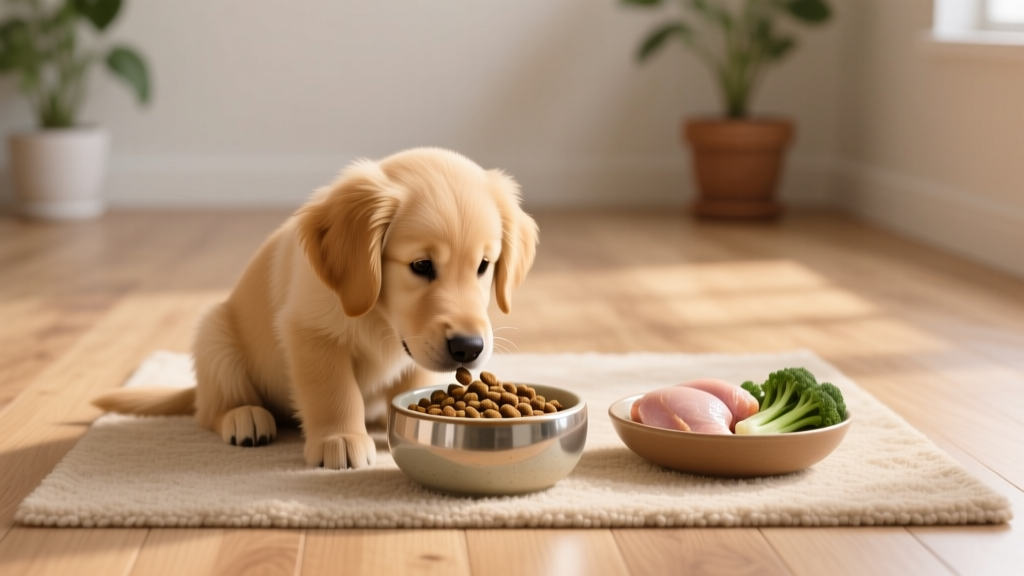
Swedish Vallhund Puppies: Complete Week-by-Week Care Guide
Raising Swedish Vallhund puppies week by week: feeding schedules, potty training timelines, vaccination plans, socialization checklists, and first-year

Swedish Vallhunds — those foxy-eared, spitz-type herders from Scandinavia — are arriving in more North American homes than ever before. Their compact size (20–35 lb / 9–16 kg), intelligence, and cheerful disposition make them appealing companions. But raising Swedish Vallhund puppies requires understanding a breed that matures slowly, carries strong herding instincts, and demands early, structured socialization to develop into a confident adult.
This guide walks you through every milestone from the breeder's whelping box to your puppy's first birthday, with breed-specific feeding portions, vaccination timing, potty training expectations, and realistic cost projections. Where guidance touches health decisions, always consult your veterinarian — this article supplements, not replaces, professional veterinary care.
Swedish Vallhund Puppy Milestones: What to Expect Week by Week
Swedish Vallhunds mature at a moderate pace. Unlike giant breeds that take two years to fill out, Vallhunds reach physical maturity around 12–14 months but may retain puppy-like energy and impulsivity until 18–24 months. Here is what each developmental window looks like for this breed.
Weeks 4–8: The Breeder's Domain
During this period, your Vallhund puppy is still with the breeder. Key developmental events include:
- Socialization with littermates: Bite inhibition learning peaks. Puppies who leave before 7 weeks often develop harder mouth habits later.
- Introduction to solid food: Breeders typically wean puppies onto a high-quality puppy kibble (22–28% protein, AAFCO growth-formulated) around weeks 4–5.
- First deworming: Most breeders administer pyrantel pamoate at weeks 2, 4, and 6.
- Environmental exposure: Responsible breeders introduce novel surfaces (tarps, grates), sounds (vacuum, doorbell recordings), and handling exercises. Ask your breeder about their Early Socialization Protocol.
Weeks 8–12: Homecoming and Bonding
This is when your Vallhund puppy arrives home. Expect:
- Sleep: 18–20 hours per day. Crate naps every 1–2 hours between play sessions.
- House confusion: Your puppy doesn't yet know the rules. Accidents are guaranteed — plan for 1–2 weeks of intensive potty supervision.
- Herding behaviors emerge: Nipping at ankles, chasing children's feet, and circling are normal breed-typical behaviors, not aggression. Redirect with toys immediately.
- First vet visit: Schedule within 48 hours of pickup for a full physical exam, fecal test, and DHPP vaccine (if not already given by the breeder).
Weeks 12–16: Confidence Building
Your Vallhund is gaining coordination and curiosity. Key changes:
- Fear periods: Many Vallhund puppies experience a fear imprint period around 8–11 weeks and again around 6–14 months. During these windows, avoid overwhelming experiences. Let your puppy observe novel things from a distance and reward calm behavior.
- Teething begins: Around 12–16 weeks, deciduous teeth start loosening. Expect increased chewing and drooling.
- Training capacity expands: Short sessions (3–5 minutes) of sit, down, recall, and leash walking become feasible. Vallhunds are biddable but can be stubborn — keep sessions fun with high-value treats (freeze-dried liver, small cheese pieces).
Weeks 16–24: Adolescence Approaching
Your Vallhund puppy is now a "teenager in training." Expectations:
- Energy surges: 45–60 minutes of structured activity daily (walks, puzzle toys, training games). Without adequate outlet, Vallhunds develop destructive chewing and excessive barking.
- Independent streak: Recall that was solid at 12 weeks may suddenly deteriorate. This is normal — maintain long-line practice in safe areas.
- Adult teeth fully in: By 6 months, all 42 adult teeth should be erupted. If retained baby teeth are present (common in smaller breeds), your vet may recommend extraction during spay/neuter.
Months 6–12: Young Adulthood
- Growth plateaus: Most Vallhunds reach 90% of adult height by 9 months and full weight by 12–14 months.
- Spay/neuter window: Many veterinarians recommend waiting until 6–9 months for small-to-medium breeds. Discuss timing with your vet, considering joint development research from the AVMA.
- Continued socialization: Don't stop exposure work. Ongoing positive experiences with new dogs, surfaces, sounds, and environments through 12–14 months solidify a confident adult temperament.
Feeding Schedule: Exact Portions by Age and Weight
Swedish Vallhund puppies need a diet formulated for growth. Look for an AAFCO statement confirming the food meets nutritional requirements for "growth" or "all life stages." A food with 22–28% crude protein and 12–18% crude fat (dry matter basis) is appropriate for this active, medium-energy breed.
| Puppy Age | Estimated Weight | Daily Amount (Dry Kibble) | Meals Per Day | Notes |
|---|---|---|---|---|
| 8–12 weeks | 5–8 lb (2.3–3.6 kg) | ¾ – 1 cup | 3–4 | Soak kibble in warm water if transitioning from breeder's softened food |
| 12–16 weeks | 8–14 lb (3.6–6.4 kg) | 1 – 1¼ cups | 3 | Begin reducing water soak; offer dry kibble to support teething |
| 4–6 months | 14–22 lb (6.4–10 kg) | 1¼ – 1¾ cups | 2–3 | Transition to 2 meals/day around 5 months |
| 6–9 months | 22–30 lb (10–13.6 kg) | 1½ – 2 cups | 2 | Monitor body condition score (BCS); adjust to maintain ribs palpable but not visible |
| 9–12 months | 28–35 lb (12.7–15.9 kg) | 1½ – 2 cups | 2 | Begin transitioning to adult maintenance formula around 10–12 months |
Potty Training Timeline: Realistic Expectations for Vallhund Puppies
Swedish Vallhunds are generally quick to house-train thanks to their alertness and desire to keep their sleeping area clean. However, small bladders and high metabolism mean frequent outings are non-negotiable in the early months.
Typical Potty Training Progression
- 8–10 weeks: Take outside every 30–60 minutes during active hours, immediately after meals, after naps, and after play. Expect 1–3 accidents per day.
- 10–14 weeks: Interval extends to 60–90 minutes. Puppy begins signaling (sniffing, circling, heading to door). Accidents drop to 3–5 per week.
- 14–20 weeks: Interval extends to 2–3 hours. Puppy can hold overnight for 5–6 hours if crated. Accidents become rare (1–2 per week, usually owner error).
- 5–6 months: Most Vallhund puppies are reliably house-trained during the day with outings every 3–4 hours. Overnight holding reaches 7–8 hours.
- 6–9 months: Fully reliable, including overnight. Adolescent marking behaviors may appear in intact males — spay/neuter reduces this tendency.
Troubleshooting Common Setbacks
Regression at 4–5 months: This is common and usually temporary. Return to shorter outing intervals for 1–2 weeks. Rule out urinary tract infection with a vet visit if accidents are sudden and frequent.
Submissive urination: Some Vallhund puppies leak small amounts when greeting. This is involuntary. Avoid scolding — greet calmly, crouch sideways, and let the puppy approach you. Most outgrow this by 6–8 months.
Crate accidents overnight: If your puppy soils the crate, the crate may be too large (use a divider to reduce space) or the puppy isn't being taken out right before bed and immediately upon waking. A late-night potty break at 11 PM and an early morning outing at 6 AM covers most puppies through 14 weeks.
Vaccination Schedule for Swedish Vallhund Puppies
The core vaccination protocol for Swedish Vallhund puppies follows the same schedule recommended by the American Animal Hospital Association (AAHA) and outlined in the Merck Veterinary Manual. Your veterinarian may adjust timing based on local disease prevalence and maternal antibody levels.
| Age | Vaccine(s) | Notes |
|---|---|---|
| 6–8 weeks | DHPP (Distemper, Hepatitis, Parainfluenza, Parvovirus) — 1st dose | Often administered by breeder before pickup |
| 10–12 weeks | DHPP — 2nd dose; Bordetella (optional, recommended if attending puppy classes) | Do NOT allow off-leash play in public dog areas until series is complete |
| 14–16 weeks | DHPP — 3rd dose; Rabies (required by law in most US states) | Some vets add Leptospirosis based on regional risk |
| 12–16 months | DHPP booster; Rabies booster (1-year or 3-year depending on vaccine type) | Titers testing available as alternative to boosters for DHPP in subsequent years |
Socialization Window: The Critical 3–14 Week Period
Research published in the Journal of Veterinary Behavior confirms that the primary socialization window for puppies closes between 12–14 weeks of age. For Swedish Vallhunds — a breed that can be reserved with strangers and prone to alert barking — this window is especially important. Inadequate socialization is the leading behavioral reason Vallhunds end up in rescue.
Swedish Vallhund Puppy Socialization Checklist
Aim for positive exposure to each category below between weeks 3–14. Prioritize quality over quantity — one calm, positive experience beats five overwhelming ones.
Teething Timeline and Relief Strategies
Swedish Vallhund puppies follow the standard canine dental development timeline, but their strong chew drive (a trait inherited from their working-dog ancestry) means you need durable, safe options readily available.
Dental Milestones
- 3–4 weeks: Deciduous (baby) incisors erupt. Breeder manages this stage.
- 4–6 weeks: Deciduous canines and premolars erupt. Littermates learn bite inhibition through yelping feedback.
- 12–16 weeks: Baby teeth begin loosening. You may find tiny teeth on the floor or in toys — this is normal. Some puppies swallow them, which is harmless.
- 4–5 months: Peak teething discomfort. Adult incisors and canines erupt. Chewing intensity peaks.
- 5–6 months: Adult premolars and molars erupt. All 42 adult teeth should be in place by 6–7 months.
Safe Chew Recommendations by Stage
- 8–16 weeks: Soft rubber toys (Kong Puppy, West Paw Tux), chilled (not frozen) wet washcloths, carrot sticks, bully sticks (supervised only — remove when small enough to swallow).
- 4–6 months: Medium-density rubber toys (Kong Classic, Goughnuts Ring), frozen Kong stuffed with plain yogurt and banana, yak cheese chews (supervised), dental chews sized appropriately for a 15–25 lb puppy.
- Avoid: Rawhide (choking and intestinal blockage risk), cooked bones (splintering), antlers and hooves (tooth fracture risk — the ASPCA and many veterinary dentists advise against these for young dogs with developing teeth).
Crate Training Progression and Time Limits
Swedish Vallhunds generally accept crate training well — their den instinct and preference for a clean sleeping area work in your favor. The crate should be just large enough for the puppy to stand, turn around, and lie down comfortably. Use a wire crate with a divider panel for growing puppies; a 30-inch crate is typically the right adult size for most Vallhunds.
Crate Time Limits by Age
| Puppy Age | Maximum Daytime Crate Time | Maximum Overnight Crate Time |
|---|---|---|
| 8–10 weeks | 30–60 minutes | 3–4 hours (expect a middle-of-night potty break) |
| 10–12 weeks | 1–2 hours | 4–5 hours |
| 3–4 months | 2–3 hours | 5–6 hours |
| 4–5 months | 3–4 hours | 6–7 hours |
| 6+ months | 4–5 hours | 7–8 hours |
Nighttime protocol: Place the crate in your bedroom for the first 2–3 weeks. Your presence reduces separation anxiety. Once the puppy sleeps through the night reliably, you can gradually move the crate to a permanent location if desired — move it a few feet per night.
Daytime protocol: The crate is for naps and management, not extended confinement. Vallhunds left crated for excessive periods develop frustration barking and may begin soiling the crate. Arrange midday breaks via a dog walker, neighbor, or coming home if your puppy is under 5 months old.
Common Swedish Vallhund Puppy Problems and Solutions
Every breed has its quirks. Here are the issues Swedish Vallhund puppy owners report most frequently, with evidence-based solutions rooted in positive reinforcement training.
Ankle Nipping and Herding Behavior
The problem: Vallhunds were bred to herd cattle by nipping at heels. Puppies instinctively chase and nip moving feet, especially children running through the house.
The solution: Redirect to an appropriate toy the moment nipping begins. Teach "leave it" and "settle" on a mat. Provide structured herding outlets if available (herding instinct tests, Treibball). For children, teach them to freeze when the puppy nips — movement fuels the behavior. Never yell or physically punish, which can escalate arousal.
Alert Barking
The problem: Vallhunds are vocal watchdogs. Puppies may bark at doorbells, passing cars, leaves blowing past the window.
The solution: Acknowledge the bark ("Thank you, I see it"), then redirect to a mat or alternate behavior. Teach a "quiet" cue by marking silence with a clicker or "yes" and rewarding. Desensitize to triggers by playing recorded doorbell sounds at low volume while feeding treats, gradually increasing volume over sessions.
Chewing and Destruction
The problem: Bored or under-exercised Vallhund puppies will dismantle shoes, furniture corners, and baseboards.
The solution: Provide 2–3 appropriate chew toys at all times, rotating them every few days to maintain novelty. Ensure 30–45 minutes of physical exercise and 15–20 minutes of mental enrichment (snuffle mats, frozen Kongs, training sessions) daily. Puppy-proof rooms by removing tempting items and using bitter apple spray on furniture legs as a deterrent.
Separation Distress
The problem: Vallhunds bond deeply and can develop separation anxiety if left alone too long, too early.
The solution: Build alone-time tolerance gradually. Start with 1-minute departures and increase by 1–2 minutes per session. Leave the puppy with a long-lasting treat (stuffed Kong) to create a positive association with your absence. Avoid emotional goodbyes and hellos — keep departures and arrivals low-key.
First-Year Cost Breakdown for a Swedish Vallhund Puppy
Budgeting accurately prevents unpleasant surprises. Below is a realistic first-year cost estimate based on 2025–2026 US pricing averages for a small-to-medium breed puppy.
| Category | Items Included | Estimated Cost Range |
|---|---|---|
| Veterinary Care | Initial exam, 3 DHPP vaccines, rabies vaccine, fecal tests, heartworm prevention (12 months), flea/tick prevention (12 months), spay/neuter | $800 – $1,500 |
| Food | High-quality puppy kibble (12 months), treats for training | $350 – $600 |
| Supplies | Crate, bed, leash, harness, collar, ID tags, bowls, toys, grooming tools, puppy pads (optional), enzymatic cleaner | $250 – $500 |
| Training | Puppy socialization class (6–8 weeks), basic obedience class (6–8 weeks) | $200 – $500 |
| Insurance / Emergency Fund | Pet insurance premiums (12 months) OR self-funded emergency reserve | $400 – $700 (insurance) / $1,000–$2,000 (emergency fund) |
| Microchip & Licensing | Microchip implantation, annual dog license | $50 – $80 |
Total estimated first-year cost: $2,050 – $3,880 (excluding the initial puppy purchase price, which typically ranges from $1,800 – $3,500 from a health-tested, AKC-registered breeder or $300–$600 from breed-specific rescue).
Frequently Asked Questions About Swedish Vallhund Puppies
When should I bring my Swedish Vallhund puppy home?
The ideal window is 8–10 weeks of age. Puppies who stay with their littermates through 8 weeks develop better bite inhibition and canine social skills. Some Vallhund breeders hold puppies until 10–12 weeks, which can be beneficial for the breed's temperament development. Never accept a puppy younger than 8 weeks — early separation is linked to increased fearfulness and behavioral problems in adulthood.
How often should I feed my puppy at each age?
Feed 3–4 meals daily from 8–12 weeks, reduce to 3 meals from 12–16 weeks, and transition to 2 meals per day from around 5 months onward. Divide the daily portion listed in the feeding table above evenly across meals. Free-feeding is not recommended for Vallhunds — they tend to overeat when food is always available, and scheduled meals make potty training far more predictable.
When will my puppy be fully potty trained?
Most Swedish Vallhund puppies achieve reliable daytime house training between 4–6 months of age. Overnight reliability typically arrives by 5–7 months. However, individual timelines vary — some puppies are reliable by 3 months, while others take until 8 months. Consistency in outing schedules and positive reinforcement for outdoor elimination are the strongest predictors of faster training.
What vaccines does my Swedish Vallhund puppy need and when?
The core protocol includes DHPP at 6–8, 10–12, and 14–16 weeks, plus a rabies vaccine at 14–16 weeks (timing varies by state law). Bordetella is recommended if your puppy will attend group training classes. Leptospirosis may be added based on your veterinarian's assessment of local risk. A DHPP booster is given at 12–16 months. Your vet will tailor this schedule to your puppy's health status and local disease prevalence.
How do I stop my Swedish Vallhund puppy from biting and nipping?
Redirect nipping to an appropriate chew toy the instant it happens. If the puppy continues, stand still, cross your arms, and wait 10–15 seconds — withdrawal of attention teaches that biting ends play. For ankle-herding specifically, teach a "settle" cue on a designated mat and reward the puppy for choosing calm behavior. Avoid physical punishment, holding the mouth shut, or "alpha rolls" — these methods increase fear and can damage your bond. If nipping is intense or escalating, consult a certified force-free trainer (look for CPDT-KA or KPA-CTP credentials).
When can my Swedish Vallhund puppy go outside and meet other dogs?
Your puppy can explore your own fenced yard immediately after homecoming. However, avoid public dog areas (parks, trails, pet stores) until the full DHPP series is complete at approximately 16 weeks. Controlled socialization with known, fully vaccinated dogs in private settings is safe and encouraged from 8 weeks onward. Puppy socialization classes that verify vaccination records are an excellent option from 10 weeks. After the 16-week vaccine, your Vallhund can safely explore public spaces, dog-friendly patios, and eventually dog parks (though many Vallhund owners prefer one-on-one playdates over chaotic dog park environments).
If your puppy ingests anything potentially toxic — chocolate, xylitol, grapes, rodent bait, human medications — contact the ASPCA Animal Poison Control Center at (888) 426-4435 (24/7, consultation fee applies) or the Pet Poison Helpline at (855) 764-7661 immediately.
Anouk Beaumont
All our authors care for dogs every day — read more of their work on the authors page.