Shih Tzu Puppies: Complete Week-by-Week Care & Training Guide
Everything you need to raise Shih Tzu puppies: week-by-week milestones, feeding schedules, potty training, vaccines, socialization, and first-year costs.

Bringing home a Shih Tzu puppy is the start of a 12-to-16-year companionship with one of the most affectionate toy breeds in existence. But their small size, brachycephalic (flat-faced) anatomy, and famously independent streak mean Shih Tzu puppies need a care plan tailored specifically to them — not generic small-dog advice.
This guide walks you through every developmental stage from 4 weeks to 12 months, with exact feeding portions, vaccination timing, crate-training limits, and realistic potty-training expectations. Whether you're picking up your puppy at 8 weeks or preparing for a 12-week arrival, you'll find breed-specific data you can act on immediately.
When Should You Bring a Shih Tzu Puppy Home?
The American Kennel Club and most responsible breeders recommend bringing a Shih Tzu puppy home between 8 and 12 weeks of age. Many Shih Tzu breeders hold puppies until 10–12 weeks specifically because toy breeds mature more slowly than larger dogs and benefit from extra time with their littermates and dam.
Here's why the timing matters for this breed:
- 8 weeks: Minimum acceptable age. Puppies have received initial socialization from the breeder and their first DHPP vaccine. Suitable for experienced owners who can commit to intensive socialization.
- 10–12 weeks: Preferred by most Shih Tzu specialists. Puppies are slightly sturdier, have had two vaccine rounds, and have developed better bite inhibition from littermate play. This is the sweet spot for first-time owners.
- Before 8 weeks: Avoid. Puppies removed before 8 weeks miss critical canine social learning, often develop heightened fear responses, and may struggle with bite inhibition for life.
Shih Tzu Puppy Milestones: Week by Week
Shih Tzu puppies develop on a slightly slower timeline than larger breeds. Their small body mass means they process calories quickly, tire easily, and can experience hypoglycemia (low blood sugar) if meals are spaced too far apart during the first few months.
Weeks 4–8 (Still With the Breeder)
During this period, your puppy is transitioning from mother's milk to solid food, learning canine communication from littermates, and entering the primary socialization window. Eyes and ears are fully open, and deciduous (baby) teeth are erupting. A responsible breeder will begin introducing soft kibble soaked in warm water or puppy-specific wet food around week 4 and will handle each puppy daily to build human trust.
Weeks 8–12 (Home Transition & Bonding)
This is the "go-everywhere" socialization period. Your Shih Tzu puppy will sleep 18–20 hours per day, have 15–20 minute bursts of play energy, and need to eliminate every 1–2 hours during the day. Expect weight gain of roughly 0.5–1 oz per day. By 12 weeks, most Shih Tzu puppies weigh between 3 and 5 lb (1.4–2.3 kg). Crate training should begin on day one with short, positive sessions.
Weeks 12–16 (Building Confidence & Routine)
Energy levels increase, attention spans lengthen to 5–10 minutes, and your puppy begins testing boundaries. This is the ideal window to introduce basic cues (sit, come, name recognition) using small, pea-sized treats. The fear imprint period (weeks 8–11) is winding down, so any negative experiences during this window can have lasting effects — keep vet visits and grooming introductions positive with treats and praise.
Weeks 16–24 (Adolescent Foundations)
Your Shih Tzu puppy is now more physically coordinated and may begin to show the independent, sometimes stubborn personality the breed is known for. This is when leash training becomes more structured, grooming routines are firmly established, and spay/neuter discussions with your veterinarian typically occur (usually recommended between 6–9 months for toy breeds, per current AVMA guidance).
Months 6–12 (Adolescence to Young Adult)
Your Shih Tzu will approach adult size (9–16 lb / 4–7 kg depending on lineage) and transition from puppy food to adult formulas. The second fear period may occur between 6–14 months, causing previously confident puppies to suddenly react fearfully to familiar stimuli. Maintain positive training methods and avoid flooding (forcing exposure to feared objects).
Shih Tzu Puppy Feeding Schedule & Portions
Shih Tzu puppies are prone to hypoglycemia during the first 3 months because their tiny bodies burn through glucose rapidly. Missing a meal by even a few hours can cause lethargy, trembling, or in severe cases, collapse. Frequent, measured feedings are non-negotiable for this breed.
Choose a small-breed puppy formula with an AAFCO statement confirming nutritional adequacy for growth. Look for kibble sized for small mouths — brands like Royal Canin Shih Tzu Puppy, Hill's Science Diet Small Paws Puppy, or Purina Pro Plan Toy Breed Puppy are formulated for brachycephalic jaw shapes.
| Age | Meals per Day | Daily Total (Approximate) | Notes |
|---|---|---|---|
| 8–12 weeks | 4 meals | ¼ – ½ cup high-quality small-breed puppy kibble, divided evenly | Soak kibble in warm water for first 1–2 weeks if transitioning. Never skip a meal — hypoglycemia risk is highest here. |
| 12–16 weeks | 3–4 meals | ⅓ – ⅔ cup, divided evenly | Begin offering dry kibble without soaking. Monitor body condition score (BCS) — ribs should be palpable but not visible. |
| 4–6 months | 3 meals | ½ – ¾ cup, divided evenly | Caloric needs increase with activity. Adjust based on weight gain trajectory — aim for steady growth, not rapid gain. |
| 6–9 months | 2–3 meals | ½ – 1 cup, divided evenly | Begin discussing spay/neuter timing with your vet; calorie needs may shift post-surgery. |
| 9–12 months | 2 meals | ¾ – 1 cup adult small-breed formula | Transition to adult food gradually over 7–10 days. Mix increasing ratios of adult food with puppy food. |
Vaccination Schedule for Shih Tzu Puppies
Shih Tzu puppies follow the standard core vaccination protocol recommended by the American Veterinary Medical Association. Because Shih Tzus are a toy breed, some veterinarians may split vaccine doses across two visits to reduce the risk of mild adverse reactions (lethargy, soreness, facial swelling), which are slightly more common in small dogs.
| Age | Vaccines Administered | Notes |
|---|---|---|
| 6–8 weeks | DHPP (Distemper, Hepatitis/Adenovirus, Parainfluenza, Parvovirus) — 1st dose | Often given by the breeder before you bring puppy home. Ask for records. |
| 10–12 weeks | DHPP — 2nd dose; Bordetella (kennel cough) optional | Bordetella recommended if puppy will attend group classes or visit groomers. |
| 14–16 weeks | DHPP — 3rd (final puppy) dose; Rabies (required by law in most US states) | Some vets add Leptospirosis for dogs in urban or wildlife-exposed environments. |
| 12–16 months | DHPP booster; Rabies booster (1-year or 3-year depending on local law) | After this, most core vaccines move to 3-year intervals. |
Socialization Window: Weeks 3–14
The primary socialization window for puppies closes around 12–14 weeks of age. For Shih Tzu puppies — a breed historically bred as indoor companions and sometimes prone to wariness of strangers — this window is absolutely critical. Under-socialized Shih Tzus are more likely to develop fear-based barking, hiding behaviors, and resistance to handling during grooming.
Below is a breed-specific socialization checklist. Aim to expose your puppy to each item positively (with treats, praise, and no force) before 14 weeks:
- ☐ People: At least 10 different people — men, women, children (supervised), people wearing hats, sunglasses, hoodies, uniforms
- ☐ Handling: Paws touched and held (critical for future nail trims), ears gently examined, mouth opened, tail and body stroked
- ☐ Surfaces: Tile, hardwood, carpet, grass, gravel, metal grates, wet surfaces
- ☐ Sounds: Vacuum cleaner, hair dryer, doorbell, thunderstorm recordings (start at low volume), clapping, children's voices
- ☐ Grooming tools: Soft brush near face, comb through coat, nail clippers shown and touched (not cutting yet), electric toothbrush vibration
- ☐ Environments: Car rides (short trips to pleasant destinations), outdoor patio, friend's house, quiet street walk (carried if not fully vaccinated)
- ☐ Other animals: Playdates with 2–3 known, vaccinated, calm adult dogs; observation of cats from a safe distance
- ☐ Objects: Umbrellas opening, plastic bags rustling, bicycles passing, strollers, shopping carts
Keep every session short (5–10 minutes) and end on a positive note. If your puppy shows fear (cowering, tucked tail, freezing), increase distance from the stimulus and offer high-value treats. Never force exposure — flooding creates lasting negative associations.
Potty Training Your Shih Tzu Puppy: Realistic Timeline
Let's address this directly: Shih Tzu puppies are among the slower breeds to fully house-train. Their small bladders, combined with the breed's sometimes-stubborn temperament, mean you should expect 4–6 months for reliable daytime control and up to 8–12 months for complete overnight reliability. Claims of "potty trained in a week" do not apply to this breed.
Why Shih Tzus Take Longer
A 10-week-old Shih Tzu weighing 3 lb (1.4 kg) has a bladder capacity of roughly 2–3 tablespoons. Physical capacity simply isn't there yet. Additionally, Shih Tzus were bred as indoor lap dogs — they have no working-dog instinct to "go outside" and may not naturally signal when they need to eliminate.
Week-by-Week Potty Training Plan
| Age | Expected Interval | Strategy | Realistic Accident Frequency |
|---|---|---|---|
| 8–10 weeks | Every 30–60 minutes during the day | Carry puppy to designated spot after every nap, meal, and play session. Use a consistent cue word ("go potty"). Reward immediately with treat + praise. | 3–6 accidents per day is normal |
| 10–14 weeks | Every 1–1.5 hours | Begin teaching puppy to go to a door or bell. Supervise 100% of the time — if you can't watch, puppy is in the crate. | 1–3 accidents per day |
| 14–20 weeks | Every 1.5–2 hours | Introduce a consistent schedule. Puppy should begin to show pre-elimination signals (sniffing, circling, heading to door). | 0–1 accidents per day |
| 5–7 months | Every 2–3 hours | Begin extending intervals gradually. Overnight, most puppies can hold 4–6 hours by this age. | Rare daytime accidents; occasional overnight |
| 8–12 months | Every 3–4 hours (adult schedule) | Reliable daytime control expected. Continue rewarding outdoor elimination to reinforce the habit. | Should be rare — consult vet if accidents increase |
Troubleshooting Common Potty Training Problems
Puppy pees inside right after coming back in from outside: This is extremely common with Shih Tzus. The puppy didn't actually empty their bladder outside — they were too distracted. Go back out immediately, wait patiently (up to 10 minutes), and reward generously when they finally go.
Puppy only uses indoor pee pads: If you started with pads, transitioning to outdoors requires gradually moving the pad closer to the door over several days, then placing it outside, then removing it. Expect a 2–3 week transition period.
Sudden increase in accidents after months of success: Rule out urinary tract infection (common in Shih Tzus) with a vet visit before assuming it's a behavioral regression. UTIs in young Shih Tzus can present as frequent small-volume urination, licking the genital area, or accidents in a previously reliable puppy.
Crate Training Progression & Time Limits
Crate training is essential for Shih Tzu puppies — it supports potty training (dogs naturally avoid soiling their sleeping space), provides a safe retreat, and prevents destructive chewing when unsupervised. However, toy breed puppies have strict physical time limits due to their small bladders.
Maximum crate time by age:
- 8–10 weeks: 30–60 minutes maximum during the day (except overnight, where 2–3 hours between potty breaks is typical)
- 10–14 weeks: 1–2 hours maximum during the day
- 14–16 weeks: 2–3 hours maximum during the day
- 4–6 months: 3–4 hours maximum during the day
- 6+ months: Up to 5–6 hours during the day (but Shih Tzus thrive on companionship — longer isolation leads to anxiety and barking)
Crate sizing for a Shih Tzu puppy: Use a small wire or plastic crate (approximately 24" L × 18" W × 21" H) with a divider panel. The puppy should be able to stand up, turn around, and lie down comfortably — but not have enough extra space to eliminate in one corner and sleep in another. As your puppy grows, adjust the divider outward.
Making the crate positive: Feed all meals inside the crate with the door open initially. Offer high-value chews (such as a frozen Kong stuffed with plain yogurt and banana) only in the crate. Never use the crate as punishment. For the first 2–3 weeks, place the crate in your bedroom at night so the puppy can hear and smell you — this dramatically reduces overnight whining.
Teething Timeline & Relief Strategies
Shih Tzu puppies begin losing their 28 deciduous (baby) teeth between 3 and 6 months of age, replacing them with 42 permanent adult teeth. Because Shih Tzus have brachycephalic jaws — meaning their teeth are crowded into a shorter mouth — retained baby teeth are a common problem in this breed. If a baby tooth hasn't fallen out within 1–2 weeks of the adult tooth erupting beside it, your veterinarian will likely recommend extraction to prevent misalignment and dental disease.
Teething Stages
- 3–4 months: Incisors (front teeth) loosen and fall out first. You may find tiny teeth in bedding or toys, but puppies often swallow them — this is harmless.
- 4–5 months: Canines (fangs) and premolars erupt. This is peak chewing intensity. Expect increased nipping, drooling, and gum sensitivity.
- 5–6 months: Molars come in. Chewing behavior should begin decreasing. Schedule a veterinary dental check to confirm all baby teeth have been shed.
Safe Teething Relief Options
- Frozen washcloth: Wet a clean washcloth, twist it into a rope, and freeze it. The cold numbs sore gums. Supervise use and remove if threads come loose.
- Rubber teething toys: Kong Puppy (pink/blue rubber, softer than adult versions), Nylabone Puppy Chew, or Benebone Puppy in the small/toy size.
- Chilled carrots: A whole cold baby carrot provides gentle resistance and is fully digestible. Supervise to prevent choking — remove once small enough to swallow whole.
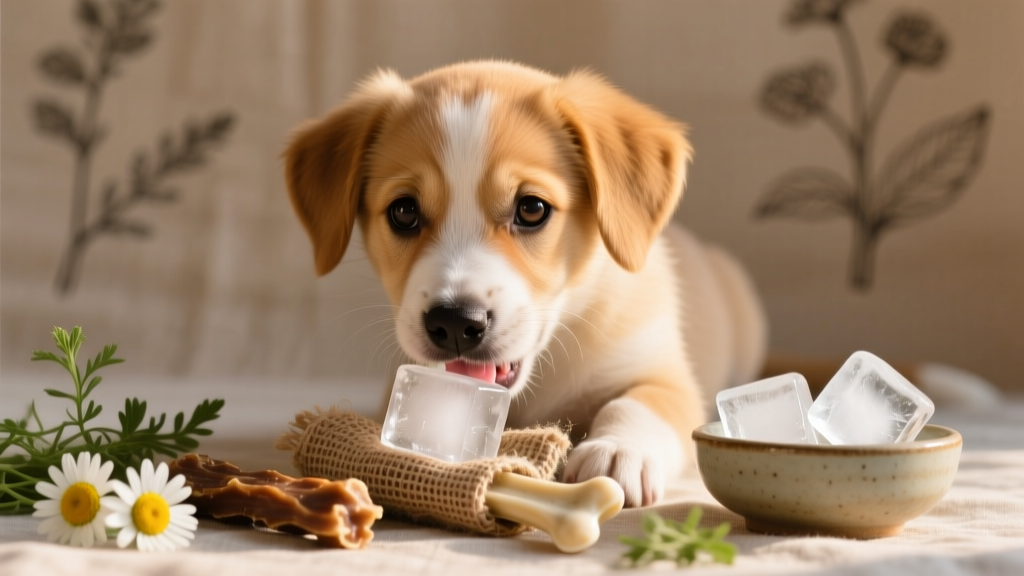
- Ice cubes: Plain ice cubes are a zero-calorie soothing option many Shih Tzu puppies enjoy chasing and crunching.
Common Shih Tzu Puppy Problems & Solutions
Puppy Biting and Nipping
Shih Tzu puppies explore the world with their mouths, and their needle-sharp baby teeth can make playtime painful. Biting peaks between 8–16 weeks and gradually decreases with consistent training.
How to stop puppy biting using positive reinforcement:
- When teeth touch skin, say "ouch" in a calm, slightly high-pitched tone and immediately withdraw attention (stand up, turn away, or step behind a baby gate) for 10–15 seconds.
- Return and redirect to an appropriate chew toy. Reward with praise when puppy chews the toy.
- If biting continues, the puppy is likely overstimulated or overtired. Shih Tzu puppies often bite more when tired — put them in their crate for a nap with a chew toy.
- Never hold the puppy's mouth shut, yank them by the scruff, or use physical punishment. These methods increase fear and can damage the trust you're building.
Excessive Whining and Crying
New Shih Tzu puppies commonly whine for the first 3–7 nights in a new home. This is normal separation distress — they've never been alone. Strategies that work:
- Place a warm (not hot) heating pad or a ticking clock wrapped in a towel in the crate to simulate littermate warmth and heartbeat.
- Keep the crate in your bedroom for the first 2–3 weeks.
- Do not rush to the crate every time the puppy whines — wait for a 10–15 second pause in crying, then reward the silence with calm praise. This teaches quiet behavior rather than reinforcing crying.
Destructive Chewing
Shih Tzu puppies are less notorious for destructive chewing than retrievers or shepherds, but they will chew shoes, cords, and furniture legs during teething. Puppy-proof by removing accessible items, providing 4–5 rotating chew toys (rotate every 2–3 days to maintain novelty), and supervising or crating when you can't watch them.
First-Year Cost Breakdown for a Shih Tzu Puppy
Budgeting accurately prevents surprises. Below are realistic 2026 cost ranges for raising a Shih Tzu puppy through the first 12 months in the United States. Costs vary by region — urban areas (New York, San Francisco) will trend toward the high end, while rural areas may be lower.
| Category | Low Estimate | High Estimate | Details |
|---|---|---|---|
| Puppy purchase (from responsible breeder) | $1,500 | $3,500+ | AKC-registered, health-tested parents (OFA eyes, cardiac, patella). Adoption from rescue: $200–$600. |
| Veterinary care (vaccines, wellness exams, spay/neuter) | $800 | $1,800 | Includes 3–4 wellness visits, DHPP series, rabies, Bordetella, fecal tests, heartworm prevention, and spay/neuter surgery. |
| Food & treats | $350 | $600 | High-quality small-breed puppy food transitioning to adult formula. Training treats included. |
| Grooming | $480 | $960 | Professional grooming every 4–6 weeks ($40–$80 per session). Shih Tzus require regular coat maintenance — this is not optional for this breed. |
| Supplies (crate, bed, leash, harness, bowls, toys, gates) | $200 | $450 | One-time purchases. Include a front-clip harness (Shih Tzus are prone to tracheal collapse — avoid neck collars for walks). |
| Training classes | $150 | $400 | Group puppy class (6–8 weeks, $150–$250) plus optional private sessions for specific issues. |
| Pet insurance or emergency fund | $400 | $700 | Monthly premiums ($35–$60/month) or self-insured savings. Shih Tzus are prone to eye injuries, ear infections, and dental issues. |
| Total Estimated First Year | $3,880 | $8,410+ | Excludes puppy purchase price in low estimate if adopted. |
Ongoing annual costs after the first year typically range from $1,800–$3,500, with grooming remaining the largest recurring expense for this breed.
Frequently Asked Questions About Shih Tzu Puppies
How often should I feed my 10-week-old Shih Tzu puppy?
Four meals per day, spaced approximately 4–5 hours apart during waking hours (for example: 7 AM, 11:30 AM, 4 PM, and 8 PM). Each meal should be roughly 1–2 tablespoons of small-breed puppy kibble, adjusted based on your puppy's weight and body condition. Free-feeding (leaving food out all day) is not recommended — it makes potty training unpredictable and can lead to obesity.
When will my Shih Tzu puppy be fully potty trained?
Most Shih Tzu puppies achieve reliable daytime house training between 5 and 7 months of age with consistent scheduling and supervision. Full reliability — including overnight and during schedule disruptions — may take 8–12 months. Patience and consistency are essential; punishment for accidents only increases anxiety and makes the problem worse.
What vaccines does my Shih Tzu puppy need and when?
Core vaccines include DHPP (Distemper, Hepatitis, Parainfluenza, Parvovirus) given at 6–8 weeks, 10–12 weeks, and 14–16 weeks, plus Rabies at 14–16 weeks. Bordetella (kennel cough) and Leptospirosis are lifestyle-dependent vaccines your veterinarian may recommend based on your puppy's exposure risk. Always consult your veterinarian to tailor the protocol to your puppy's individual needs and local disease prevalence.
How do I stop my Shih Tzu puppy from biting and nipping?
Use a consistent redirection approach: when teeth touch skin, say "ouch," withdraw attention for 10–15 seconds, then redirect to an appropriate chew toy and praise. If biting persists, the puppy is likely overtired — Shih Tzu puppies need 18–20 hours of sleep per day at 8–12 weeks, and overstimulated puppies bite more. Ensure your puppy is getting adequate nap time in a quiet crate or pen.
When can my Shih Tzu puppy go outside and meet other dogs?
Your puppy can explore your own private yard immediately (assuming no sick dogs have access to it). Public areas like dog parks, pet stores, and sidewalks where unknown dogs walk should be avoided until 1–2 weeks after the final DHPP vaccine at 14–16 weeks — typically around 16–18 weeks of age. Controlled playdates with known, fully vaccinated, healthy dogs in private settings are safe and encouraged during the socialization window.
How much exercise does a Shih Tzu puppy need?
Follow the "5 minutes per month of age" guideline: a 3-month-old puppy gets roughly 15 minutes of structured exercise (walks, active play) per day, split into 2–3 short sessions. A 6-month-old gets about 30 minutes. Shih Tzus are a low-to-moderate energy breed — overexercising a puppy can stress developing joints, and their brachycephalic anatomy means they overheat quickly in warm weather. Avoid walks when temperatures exceed 80°F (27°C).
Are Shih Tzu puppies good with children?
Shih Tzus are generally affectionate and gentle, making them suitable for families with calm, respectful children. However, their small size (8–12 lb as puppies) makes them fragile — toddlers can accidentally injure a Shih Tzu puppy by dropping, squeezing, or stepping on them. Supervise all interactions and teach children to sit on the floor when holding the puppy. Never allow a child to carry a Shih Tzu puppy unsupervised.
Raising a Shih Tzu puppy requires patience, especially during the extended potty training period and the grooming habituation process. But the reward is a deeply bonded, adaptable companion who will happily share your couch — and your pillow — for well over a decade. Stay consistent with positive reinforcement methods, maintain your grooming schedule, and lean on your veterinarian for breed-specific health guidance as your puppy grows.
Marcus Aldridge
All our authors care for dogs every day — read more of their work on the authors page.