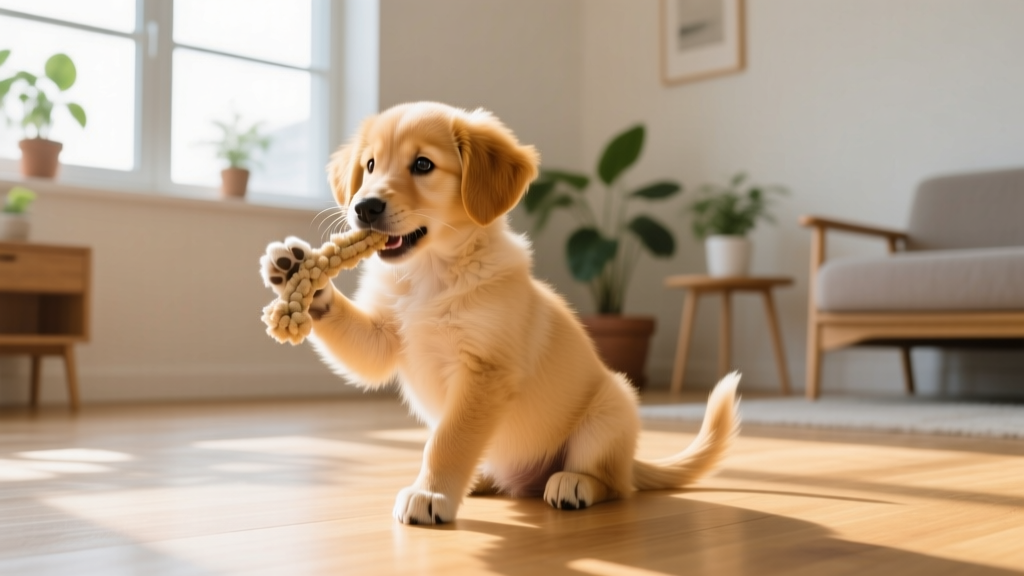
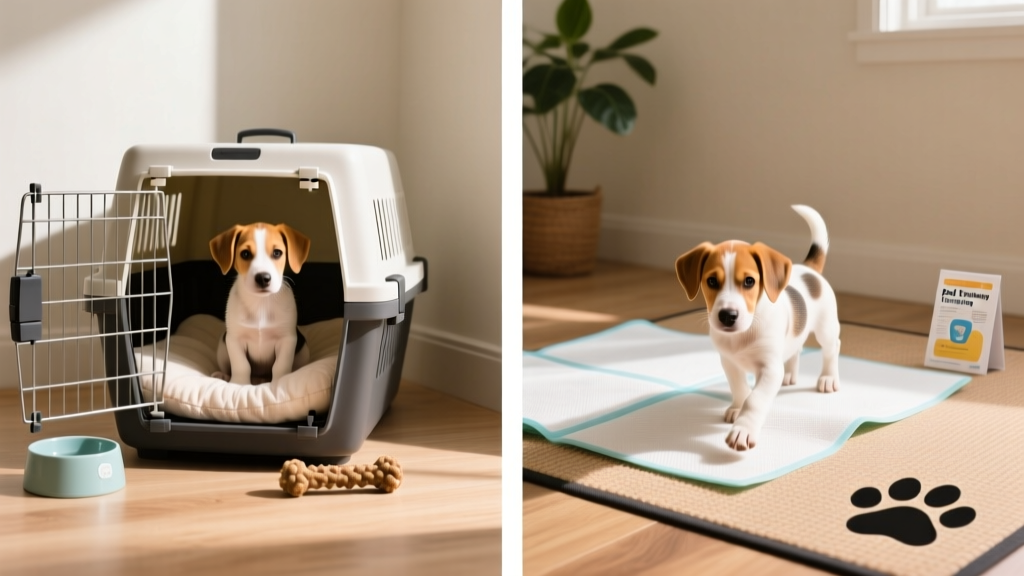
Shih Tzu Puppy Guide: Milestones, Feeding, Training & First-Year Care
Complete shih tzu puppy guide covering age milestones, feeding schedules, potty training timelines, vaccination dates, and first-year costs for new owners.

When Should You Bring Your Shih Tzu Puppy Home?
The ideal age to bring a Shih Tzu puppy home is between 8 and 10 weeks. While some breeders release puppies at 8 weeks, many reputable Shih Tzu breeders prefer to keep puppies until 10 weeks because the breed matures slowly and benefits from extra littermate socialization. The AKC recommends that small and toy breeds, in particular, stay with their mother slightly longer to build confidence and reduce separation anxiety later.
A Shih Tzu puppy younger than 8 weeks has not completed critical social development with littermates. Puppies learn bite inhibition, canine body language, and play boundaries between weeks 5 and 8 — pulling them out early often results in a nippy, insecure adult dog. If a breeder offers you a 6-week-old Shih Tzu, consider that a red flag.
Shih Tzu Puppy Milestones: Week by Week
Shih Tzus develop more slowly than larger breeds, so patience during early weeks pays off. Here is what to expect across the first year.
Weeks 4–8: Littermate Socialization (Usually With Breeder)
During this period your puppy is still with their mother and siblings. Eyes and ears are fully functional, baby teeth are erupting, and the puppy is learning bite inhibition through play. A good breeder introduces novel surfaces (towels, cardboard, tile), gentle handling exercises, and the sound of household noises. Your puppy should weigh approximately 1.5–3 lb (0.7–1.4 kg) by week 8.
Weeks 8–12: Home Adjustment and Bonding
This is your puppy's first fear imprint period (weeks 8–11). Avoid overwhelming experiences — loud parties, rough children, or forced interactions with unfamiliar dogs. Focus on building trust through short, positive training sessions (2–3 minutes max), gentle grooming desensitization (touching ears, paws, muzzle daily), and establishing a consistent routine. Expect your Shih Tzu puppy to sleep 18–20 hours per day. Weight at 12 weeks: roughly 3–5 lb (1.4–2.3 kg).
Weeks 12–16: Confidence Building and Basic Cues
Your puppy is gaining coordination and curiosity. This is the window to introduce "sit," "come," and name recognition using small training treats (Zuke's Mini Naturals or freeze-dried chicken pieces, pea-sized). The second fear imprint period can occur around weeks 14–16, so keep new experiences positive and never force your puppy into a situation that causes cowering or trembling. Bladder control improves but accidents are still normal — expect 1–3 per day even with consistent outings.
Weeks 16–24: Adolescence Begins
Energy increases, attention span fluctuates, and your puppy may "forget" previously learned cues. This is normal developmental regression, not stubbornness. Continue daily 5–10 minute training sessions. Teething peaks during this window (see teething section below). Weight at 6 months: approximately 7–10 lb (3.2–4.5 kg), nearing 70–80% of adult size.
Months 6–12: Approaching Adulthood
Your Shih Tzu puppy transitions from rapid growth to filling out. Most Shih Tzus reach their full adult height by 9–10 months but continue gaining muscle and chest width until 12–14 months. Adult weight typically falls between 9–16 lb (4–7.3 kg) per the AKC breed standard. Spay/neuter discussions with your veterinarian usually happen around 6 months. Coat transitions from soft puppy fur to the longer, denser adult coat — grooming sessions must increase in frequency to prevent mats.
Shih Tzu Puppy Feeding Schedule and Portions
Shih Tzu puppies are prone to hypoglycemia (low blood sugar) in the first 12 weeks because of their small body mass and high metabolic rate. Frequent, measured meals are essential. Choose a kibble formulated for small-breed puppies — look for an AAFCO statement confirming "complete and balanced for growth" and a kibble size appropriate for a brachycephalic (short-faced) jaw. Brands like Royal Canin Shih Tzu Puppy, Hill's Science Diet Small Paws Puppy, and Purina Pro Plan Small Breed Puppy are commonly recommended.
| Age | Meals Per Day | Daily Portion (approx.) | Notes |
|---|---|---|---|
| 8–12 weeks | 4 | ¼–½ cup total (divided) | Monitor for hypoglycemia; keep Nutri-Cal gel on hand |
| 12–16 weeks | 3 | ⅓–⅔ cup total (divided) | Gradually transition from 4 to 3 meals over 1 week |
| 4–6 months | 3 | ½–¾ cup total (divided) | Adjust based on body condition score (BCS 4-5/9) |
| 6–9 months | 2 | ½–¾ cup total (divided) | Transition to 2 meals; begin considering adult formula at 9–10 months |
| 9–12 months | 2 | ½–1 cup total (divided) | Switch to adult small-breed formula gradually over 7–10 days |
Portion sizes above assume a kibble with approximately 400 kcal/cup. Always check your specific food's feeding chart and adjust based on your puppy's body condition score — you should be able to feel ribs without pressing hard, and see a slight waist when viewed from above. Consult your veterinarian if you are unsure about portions, as individual metabolism varies significantly.
Potty Training Your Shih Tzu Puppy: Realistic Timeline
Shih Tzus have a reputation for being slower to house-train than larger breeds. This is partly because their tiny bladders hold very little and partly because many owners inadvertently train them to use indoor pee pads, which confuses the "go outside" message. Set realistic expectations: most Shih Tzu puppies achieve reliable outdoor potty habits between 4 and 8 months of age. Some take up to 12 months for full reliability, especially in cold or rainy climates where the puppy resists going outdoors.
Potty Training Schedule by Age
| Age | Take Outside Every | Expected Accidents/Week | Nighttime Holding |
|---|---|---|---|
| 8–10 weeks | 30–45 minutes | 5–10 | 2–3 hours (set overnight alarm) |
| 10–14 weeks | 45–60 minutes | 3–5 | 3–4 hours |
| 14–20 weeks | 1–2 hours | 1–3 | 4–5 hours |
| 5–8 months | 2–3 hours | 0–2 | 6–8 hours (sleeping through the night) |
| 8–12 months | 3–4 hours | 0–1 | 8+ hours |
Troubleshooting tips specific to Shih Tzus:
- Refusing to go outside in bad weather: Their brachycephalic face makes rain uncomfortable. Try a covered porch area, a dog umbrella, or a small sheltered grass patch. Wipe their face immediately after with a soft cloth to create a positive association.
- Pee pad dependency: If you started with pads, gradually move the pad closer to the door each week, then outside, then remove it. Expect a 2–4 week transition with temporary setbacks.
- Marking behavior: Male Shih Tzus may begin lifting a leg as early as 4–5 months. Neutering before 6 months significantly reduces marking. Clean all accident spots with an enzymatic cleaner (Nature's Miracle or Rocco & Roxia) — regular household cleaners do not eliminate the urine proteins that trigger re-soiling.
Vaccination Schedule for Shih Tzu Puppies
Your Shih Tzu puppy's immune system is not fully mature until approximately 16 weeks of age. The American Veterinary Medical Association and the AAHA Canine Vaccination Guidelines recommend a series of core vaccines administered at specific intervals. Below is the standard schedule your veterinarian will follow, though exact timing may vary by clinic protocol and regional disease prevalence.
| Age | Vaccine(s) | What It Protects Against | Estimated Cost |
|---|---|---|---|
| 6–8 weeks | DHPP (1st dose) | Distemper, Hepatitis (Adenovirus), Parainfluenza, Parvovirus | $25–$45 |
| 10–12 weeks | DHPP (2nd dose), Bordetella (optional) | Same as above + Kennel Cough (if boarding/grooming planned) | $30–$55 |
| 14–16 weeks | DHPP (3rd dose), Rabies | Core protection complete + Rabies (legally required) | $35–$65 |
| 12–16 months | DHPP booster, Rabies booster | Maintenance immunity | $40–$70 |
Important notes for Shih Tzu owners:
- Toy breeds like Shih Tzus can be more prone to mild vaccine reactions (lethargy, facial swelling, hives). Ask your veterinarian about splitting vaccine doses — giving DHPP and Rabies on separate visits 2–3 weeks apart can reduce reaction risk.
- Your puppy is NOT fully protected until 7–10 days after the final DHPP dose at 14–16 weeks. Avoid dog parks, pet stores, and high-traffic dog areas until then.
- Leptospirosis and Lyme vaccines are non-core and recommended based on your geographic region and lifestyle. Discuss with your veterinarian.
The Socialization Window: Weeks 3–14
The primary socialization period for all puppies closes around 14 weeks of age. After this window, unfamiliar stimuli trigger caution rather than curiosity by default. For Shih Tzu puppies — a breed that can be reserved with strangers if under-socialized — this window is critical. The goal is not to overwhelm your puppy but to provide frequent, brief, positive exposures to novel sights, sounds, surfaces, people, and experiences.
Shih Tzu Puppy Socialization Checklist
- People: Children (supervised, calm interactions), men with hats/beards, people in uniforms, people using wheelchairs or crutches, delivery workers, groomers
- Surfaces: Grass, gravel, tile, metal grates, wet pavement, stairs (carried up until joints mature), bathtub, grooming table
- Sounds: Vacuum cleaner, doorbell, thunderstorm recordings (played softly), hair dryer, car engine, fireworks audio (low volume)
- Handling: Ear touching, paw handling, mouth opening, nail clipping practice (no cutting, just holding), toothbrush introduction, harness/collar putting on
- Environments: Car rides (start with 5 minutes in parked car), outdoor café seating, friend's house, sidewalk near traffic, pet-friendly store (after final vaccine)
- Other animals: Fully vaccinated, calm adult dogs (one at a time); cats (supervised); avoid unknown dogs until vaccine series is complete
Pair every new experience with high-value treats and keep sessions under 5 minutes. If your puppy shows fear (tucked tail, flattened ears, freezing, hiding), do not force the interaction. Retreat to a comfortable distance, reward calm behavior, and try again at a lower intensity the next day. This process is called desensitization and counter-conditioning — it builds confidence without flooding.
Crate Training Progression and Teething Relief
A crate is essential for house training safety, travel, and giving your Shih Tzu puppy a secure den. Choose a crate sized for a small adult dog (approximately 24"L x 18"W x 21"H) with a divider panel to limit space while your puppy is small. A crate that is too large allows the puppy to eliminate in one corner and sleep in another, undermining potty training.
Crate Time Limits by Age
| Age | Max Crate Time (Daytime) | Max Crate Time (Night) | Tips |
|---|---|---|---|
| 8–10 weeks | 1–1.5 hours | 2–3 hours (alarm needed) | Crate beside your bed; use a soft blanket with littermate scent |
| 10–14 weeks | 1.5–2 hours | 3–4 hours | Feed meals in crate; practice short departures (30 sec to 5 min) |
| 14–20 weeks | 2–3 hours | 5–6 hours | Begin moving crate to permanent location if desired |
| 5–8 months | 3–4 hours | 7–8 hours | Leave safe chew toy (Kong stuffed with frozen peanut butter) |
| 8–12 months | 4–5 hours | 8+ hours | Crate should feel like a choice, not punishment; leave door open when home |
Teething timeline and relief: Shih Tzu puppies begin losing baby teeth around 3.5–4 months. The process continues until approximately 6–7 months, when all 42 adult teeth should be in place. Toy breeds are particularly prone to retained deciduous (baby) teeth — if you notice a baby tooth that has not fallen out by the time the adult tooth erupts alongside it, ask your veterinarian to extract it. Retained baby teeth cause crowding, misalignment, and periodontal disease.
Safe teething relief options:
- Frozen washcloth (wet, twisted, frozen for 2 hours) — supervise to prevent swallowing fabric
- Kong Puppy teething stick (soft rubber, sized XS or S)
- Benebone Puppy Wishbone (softer formula for baby teeth)
- Chilled carrot sticks or frozen blueberries (supervised)
- Nylabone Puppy Chew (flexible, not hard nylon — avoid adult Nylabones until permanent teeth are set)
Avoid hard antlers, cooked bones, and ice cubes — these can fracture developing teeth. If your puppy's gums bleed slightly during teething, this is normal. If bleeding is excessive, your puppy refuses to eat, or you notice a foul odor, consult your veterinarian to rule out infection.
Common Shih Tzu Puppy Problems and Solutions
Every breed has characteristic puppy-stage challenges. Shih Tzu puppies tend toward the following:
Puppy biting and nipping: Shih Tzus are mouthy as puppies despite their small size. Biting is not aggression — it is exploration and teething discomfort combined. When teeth touch skin, immediately say "ouch" in a calm tone, withdraw attention for 10–15 seconds, then redirect to an appropriate chew toy. Consistency from every household member is critical. Never hold the puppy's mouth shut, scruff, or physically punish — these methods increase fear-based biting.
Whining in the crate at night: Expect 3–7 nights of protest. Ensure your puppy has been exercised, has eliminated, and is not hungry before crating. Place the crate near your bed initially so your presence is reassuring. If whining continues past 20 minutes and you are confident the puppy does not need to eliminate, do not open the crate — this reinforces the behavior. A Snuggle Puppy toy with a heartbeat simulator can reduce anxiety for the first 2 weeks.
Destructive chewing: Puppy-proof your home at Shih Tzu eye level — electrical cords, shoes, houseplants (many are toxic; check the ASPCA toxic plant list), and small objects they can swallow. Provide 4–5 rotating chew toys so novelty is maintained. If you catch your puppy chewing something inappropriate, trade for an approved toy rather than simply removing the item, which can trigger resource guarding.
Eye care: Shih Tzu puppies have prominent, slightly protruding eyes that are vulnerable to scratches from grass, twigs, and even their own facial hair. Keep the hair around the eyes trimmed short or tied in a topknot. Watch for squinting, redness, discharge, or pawing at the eye — these warrant a same-day veterinary visit, as corneal ulcers in brachycephalic breeds can progress rapidly.
First-Year Cost Breakdown for a Shih Tzu Puppy
Budgeting realistically prevents surprise expenses. The following estimates reflect 2025–2026 US pricing and assume a healthy puppy with no emergency visits.
| Category | Items | Estimated Cost Range |
|---|---|---|
| Purchase/Adoption | Breeder puppy or rescue adoption fee | $500–$2,500 |
| Veterinary (preventive) | Vaccine series (3 visits), spay/neuter, microchip, fecal tests, heartworm prevention (12 months) | $600–$1,200 |
| Food | Small-breed puppy formula (approx. 60 lb/year) + treats | $200–$400 |
| Supplies | Crate, bed, bowls, harness, leash, collar, ID tags, grooming tools, puppy pads (if used), enzymatic cleaner, toys | $250–$500 |
| Grooming | Professional grooming every 4–6 weeks (8–10 sessions/year) for a clipped or show coat | $480–$900 |
| Training | Group puppy class (6–8 weeks) + optional private sessions | $150–$400 |
| Insurance (optional) | Monthly premium for puppy wellness + accident/illness | $360–$720/year |
| Total (without insurance) | $2,180–$5,900 |
Grooming is the ongoing cost that surprises most first-time Shih Tzu owners. If you choose to maintain the coat yourself with daily brushing and home bathing every 2–3 weeks, you can reduce grooming costs significantly, but invest in quality tools: a slicker brush (Chris Christensen Baby G is a professional favorite), a stainless steel comb, and a dog-specific shampoo and conditioner. Most owners opt for a "puppy cut" or "teddy bear cut" that is shorter and easier to maintain between professional sessions.
Frequently Asked Questions
When can my Shih Tzu puppy go outside and meet other dogs?
Your puppy can explore your own yard (if private and not used by unknown dogs) immediately after coming home. Public outings — parks, sidewalks with heavy dog traffic, pet stores — should wait until 7–10 days after the final DHPP vaccine at 14–16 weeks. However, you can carry your puppy in a sling or carrier to public places before then for socialization exposure without ground contact. Supervised playdates with fully vaccinated, healthy dogs you know are acceptable from 8 weeks onward.
How do I stop my Shih Tzu puppy from biting?
Redirect every bite to an appropriate toy. Use the "ouch and withdraw" method: the moment teeth touch skin, say "ouch" calmly, stand up, and turn away for 10–15 seconds. Return and offer a chew toy. This teaches the puppy that human skin is never an option, while toys always are. Most Shih Tzu puppies significantly reduce mouthing by 5–6 months once adult teeth are fully in. If biting intensifies or seems aggressive (growling, stiff body, hard bites that break skin consistently), consult a certified force-free dog trainer or veterinary behaviorist.
How often should I feed my Shih Tzu puppy at 10 weeks?
At 10 weeks, feed 4 meals per day, totaling approximately ¼ to ½ cup of small-breed puppy kibble depending on your puppy's weight and the food's caloric density. Space meals roughly 4 hours apart during waking hours. Always provide fresh water. If your puppy seems shaky or lethargic between meals, offer a small snack and consult your veterinarian about hypoglycemia risk.
When will my Shih Tzu puppy be fully potty trained?
Most Shih Tzu puppies achieve reliable outdoor elimination between 4 and 8 months with consistent scheduling. Full reliability — including overnight holding and no accidents during exciting or stressful moments — may take until 10–12 months. Shih Tzus are not the fastest house-trainers among breeds, so patience and a predictable routine are your most important tools. If your puppy is still having frequent accidents past 8 months despite consistent training, ask your veterinarian to rule out urinary tract infections or anatomical issues.
This guide provides general educational information. Always consult your veterinarian for advice specific to your Shih Tzu puppy's health, nutrition, and vaccination needs. Individual puppies may have unique requirements based on health history, size, and regional disease risks.
Anouk Beaumont
All our authors care for dogs every day — read more of their work on the authors page.