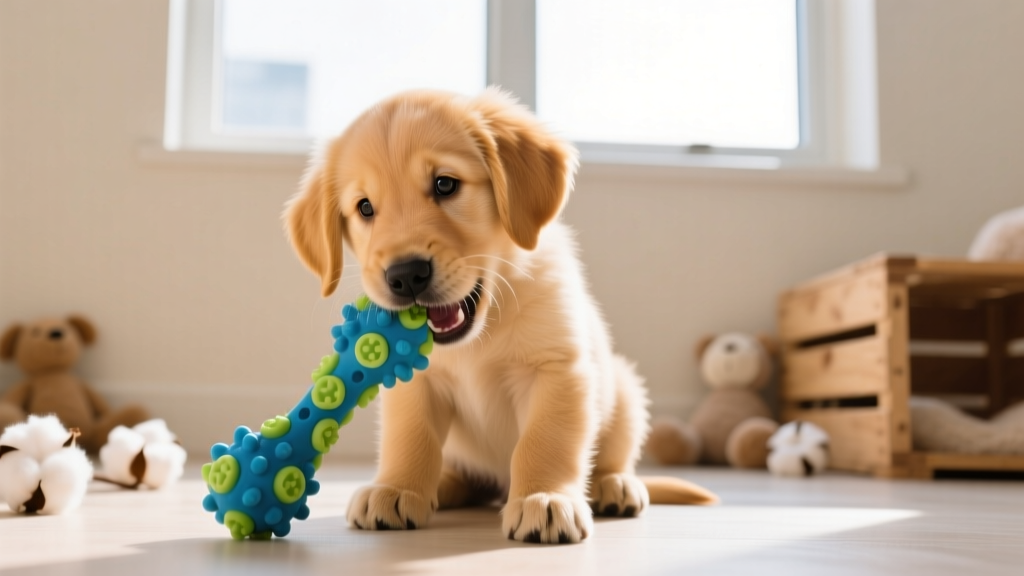
How Old Is My Puppy? Calculator, Milestones & First-Year Care Guide
Use our how old is my puppy calculator plus breed-specific milestones, feeding charts, vaccination schedules, and potty training timelines for your pup's first year.

If you adopted a mixed-breed puppy or received a rescue with an unknown birthdate, figuring out their exact age can feel like guesswork. Our how old is my puppy calculator framework combines physical markers, dental development, and behavioral cues to help you pinpoint your pup's age within a 1-2 week window — then plan their care accordingly.
This guide walks you through every critical stage from 4 weeks to 12 months, with exact feeding portions, vaccination dates, potty training expectations, and a realistic first-year cost breakdown. Whether you're working with a known birthdate or estimating from a shelter intake, you'll find actionable timelines tailored to each developmental window.
Puppy Age Estimator: Dental Development Chart
The most reliable at-home method for aging a puppy under 6 months is examining their teeth. According to the Merck Veterinary Manual, deciduous (baby) teeth follow a predictable eruption schedule:
| Age Range | Dental Milestone | What You'll See |
|---|---|---|
| 3-4 weeks | Deciduous incisors erupt | Tiny front teeth appear along gumline |
| 4-5 weeks | Deciduous canines erupt | Four fang-like teeth emerge |
| 5-6 weeks | Deciduous premolars erupt | Side teeth fill in; full baby set by week 8 |
| 12-16 weeks | Incisors shed, permanent incisors erupt | Baby front teeth fall out; larger adult teeth replace them |
| 16-20 weeks | Permanent canines erupt | Adult fangs push in alongside or replace baby canines |
| 20-24 weeks | Permanent premolars and molars erupt | Full adult dentition (42 teeth) by ~6 months |
How to use this as a calculator: Gently lift your puppy's lip. Count the teeth present and match them to the chart above. If you see all 28 deciduous teeth fully erupted but no adult teeth pushing through, your puppy is approximately 8-12 weeks old. If adult incisors are emerging while baby canines remain, you're looking at roughly 14-16 weeks.
Age-Specific Milestones: What to Expect at Each Stage
Weeks 4-8: The Littermate Window
During this period, puppies learn bite inhibition from siblings, begin solid food transition, and develop basic motor coordination. Puppies should remain with their mother and littermates until at least 8 weeks — ideally 10-12 weeks for toy breeds. Removing a puppy before 7 weeks correlates with higher rates of fear-based aggression and separation anxiety later in life, per research published in the Journal of Veterinary Behavior.
- Social development: Play-fighting teaches bite pressure control
- Sensory: Full hearing and vision established; startle responses normalize
- Mobility: Walking, running, and early climbing attempts
- Weight gain: Doubling birth weight every 1-2 weeks depending on breed size
Weeks 8-12: The Homecoming Period
This is when most puppies join their new families. Expect 18-20 hours of sleep per day, short 5-10 minute play bursts, and frequent potty breaks (every 30-60 minutes during active periods). Fear periods typically hit around 8-10 weeks — avoid overwhelming experiences like crowded events or harsh corrections.
- Attention span: 2-3 minutes for training sessions
- Bladder control: Approximately 1 hour per month of age (a 2-month-old puppy holds it ~2 hours max overnight, less during the day)
- Bonding: Strong attachment to primary caregiver forms rapidly
Weeks 12-16: Rapid Learning Phase
Your puppy's brain is highly receptive to training during this window. This is the ideal time to establish crate routines, leash walking, and basic cues (sit, down, recall). The second fear period may appear around 12-14 weeks. Teething discomfort begins as adult teeth start loosening baby teeth.
- Training capacity: 5-8 minute sessions, 2-3 times daily
- Physical growth: Approximately 60% of adult height reached by 16 weeks in medium breeds
- Chewing intensity: Increases significantly; puppy seeks relief from gum soreness
Weeks 16-24 (4-6 Months): The Teenage Teething Stage
Peak teething occurs between 4-6 months. You'll find baby teeth on the floor or notice gaps in your puppy's smile. Chewing becomes intense and destructive if not managed. Sexual maturity may begin in small breeds as early as 5 months — discuss spay/neuter timing with your veterinarian (current AVMA guidance recommends individualized timing based on breed size).
Months 6-12: Adolescent Consolidation
By 6 months, most puppies have their full adult dentition and can hold their bladder for 4-6 hours. Energy levels peak in medium and large breeds. Regression in previously learned behaviors (potty accidents, ignoring recall) is normal and temporary. Small breeds approach physical maturity by 10-12 months; giant breeds continue growing until 18-24 months.
Feeding Schedule by Age and Weight
Puppies require significantly more calories per pound than adult dogs because they're building bone, muscle, and organ tissue simultaneously. The AKC recommends feeding a diet labeled for "growth" or "all life stages" with an AAFCO nutritional adequacy statement.
| Age | Meals Per Day | Small Breed (10-25 lb adult) | Medium Breed (26-50 lb adult) | Large Breed (51-90 lb adult) |
|---|---|---|---|---|
| 6-12 weeks | 4 meals | ½ - ¾ cup total/day | 1 - 1½ cups total/day | 1½ - 2½ cups total/day |
| 3-6 months | 3 meals | ¾ - 1 cup total/day | 1½ - 2½ cups total/day | 2½ - 4 cups total/day |
| 6-12 months | 2 meals | ¾ - 1¼ cups total/day | 2 - 3 cups total/day | 3 - 5 cups total/day |
Important notes: These are starting estimates. Adjust based on your puppy's body condition score (BCS) — you should be able to feel ribs without pressing hard, and see a visible waist from above. Large and giant breeds should eat a "large breed puppy" formula with controlled calcium and phosphorus to reduce hip dysplasia risk. Never free-feed; measured meals help with potty training predictability and weight management.
Vaccination Schedule: Week-by-Week
Your puppy's immune system relies on maternal antibodies that gradually wane between 6-16 weeks. The vaccination protocol below follows the AAHA Canine Vaccination Guidelines (endorsed by AVMA). Always confirm the schedule with your veterinarian, as regional disease prevalence may alter timing.
| Age | Vaccine | What It Protects Against | Typical Cost |
|---|---|---|---|
| 6-8 weeks | DHPP (1st dose) | Distemper, Hepatitis (Adenovirus), Parainfluenza, Parvovirus | $20-$40 |
| 10-12 weeks | DHPP (2nd dose) + Bordetella (optional) | Booster for core diseases + kennel cough | $25-$50 |
| 14-16 weeks | DHPP (3rd dose) + Rabies | Final puppy core booster + rabies (legally required in most states) | $35-$65 |
| 12-16 months | DHPP booster + Rabies booster | First annual or 3-year booster depending on vaccine type | $40-$75 |
Lifestyle vaccines your vet may recommend based on risk: Leptospirosis (outdoor/water exposure), Lyme (tick-endemic regions), and Canine Influenza (dog parks, boarding, daycare areas). These are typically given as 2-dose series starting at 12+ weeks.
The Critical Socialization Window: Weeks 3-14
Between 3 and 14 weeks of age, puppies pass through what veterinary behaviorists call the primary socialization period. During this window, novel experiences are generally accepted without lasting fear — after it closes, unfamiliar stimuli trigger caution or avoidance. Missing this window doesn't mean your dog is doomed, but remedial socialization takes months of counter-conditioning work versus days of positive exposure.
Socialization Exposure Checklist
Aim for 5-10 positive novel experiences per week during the 8-14 week window. Track progress:
- Surfaces: Grass, gravel, sand, tile, metal grates, wet pavement, carpet, wood floors
- Sounds: Vacuum cleaner, thunderstorm recordings (start at low volume), doorbell, traffic, children screaming, fireworks recordings, clapping, music genres
- People: Tall/short, hats, sunglasses, beards, uniforms, wheelchairs, walkers, children (supervised), delivery drivers
- Objects: Umbrellas opening, plastic bags rustling, bicycles, skateboards, strollers, shopping carts
- Handling: Paw touching, ear examination, mouth opening, nail clipping practice, towel wrapping, gentle restraint
- Environments: Car rides, parking lots, outdoor café patios, friend's houses, vet clinic waiting rooms (carry in), grooming salon visits (positive only)
- Other animals: Vaccinated adult dogs, cats (supervised), livestock from a distance
For each exposure: let the puppy approach voluntarily, pair the experience with high-value treats (boiled chicken, cheese), and watch for stress signals (tucked tail, lip licking, freezing, whale eye). If your puppy shows fear, increase distance and decrease intensity — never force an interaction.
Potty Training Timeline and Troubleshooting
Realistic expectation: most puppies achieve reliable house training between 4-6 months of age. Small breeds often take longer (6-8 months) due to smaller bladder capacity. Some individuals aren't fully reliable until 8-12 months. Claims of "potty trained in 3 days" apply only to older puppies with prior outdoor exposure and dedicated owner schedules.
| Age | Maximum Bladder Hold Time | Potty Break Frequency | Expected Accident Rate |
|---|---|---|---|
| 8-10 weeks | 30-60 minutes (daytime) | Every 30-45 min when awake; after every meal, nap, play session | Multiple per day — completely normal |
| 3-4 months | 2-3 hours | Every 1-2 hours during the day | 1-3 per week if schedule is consistent |
| 4-6 months | 3-4 hours | Every 2-3 hours | Occasional accidents during routine changes |
| 6-12 months | 4-6 hours | Every 3-4 hours; 3-4 outings/day | Rare — if frequent, rule out UTI with your vet |
Potty Training Troubleshooting
Regression at 4-6 months: Often coincides with teething distraction or increased independence. Return to a tighter schedule for 1-2 weeks. Do not punish — this resets progress.
Submissive/excitement urination: Common in puppies under 1 year. Greet calmly, avoid leaning over the puppy, take them outside immediately upon entering the house. Most outgrow this by 12 months.
Marking behavior: Typically begins at sexual maturity (5-10 months). Spaying/neutering reduces but doesn't always eliminate marking. Supervise closely indoors and interrupt with a neutral redirect to outdoors.
Nighttime accidents after initial success: Rule out urinary tract infection (UTI) with a vet visit. UTIs are common in puppies and present as sudden frequency increase, straining, or blood in urine.
Crate Training Progression and Time Limits
A crate should be your puppy's safe den, never a punishment space. Choose a crate that allows standing, turning, and lying down — for growing puppies, use a divider panel in a full-size crate and expand as they grow.
| Age | Maximum Crate Time (Daytime) | Maximum Crate Time (Overnight) | Training Focus |
|---|---|---|---|
| 8-10 weeks | 30-60 minutes | 2-3 hours (set alarm for potty break) | Positive association: meals, stuffed Kongs, treats inside with door open |
| 11-14 weeks | 1-2 hours | 3-4 hours | Closing door for short periods, brief departures from room |
| 15-16 weeks | 2-3 hours | 4-5 hours | Leaving house briefly, building duration with chew toys |
| 4-6 months | 3-4 hours | 6-7 hours | Full departures, reducing treat frequency gradually |
Whining protocol: If your puppy whines in the crate, wait for 3-5 seconds of silence before opening the door or offering attention. If whining persists beyond 15-20 minutes, assess whether they need a potty break (take them out on leash, boring and business-like, then return to crate). Never release a whining puppy to play or socialize — this teaches that vocalizing opens the door to fun.
Teething Timeline and Relief Strategies
Puppy teething spans approximately 3-6 months of age. The process involves 28 deciduous teeth being replaced by 42 permanent teeth. You may notice drooling, blood-tinged chew toys, decreased appetite, and intense chewing on furniture, shoes, and hands.
Safe Chew Recommendations by Age
- 8-12 weeks: Soft rubber toys (Kong Classic Puppy, West Paw Toppl), frozen wet washcloth twisted into a rope, Nylabone Puppy Chew (softer formula)
- 3-4 months: Bully sticks (supervised, remove when small enough to swallow), frozen carrot sticks, Benebone Puppy Wishbone
- 4-6 months: Kong Classic (red, standard firmness), Earth Animal No-Hide chews, frozen stuffed Kongs with yogurt and banana
Common Puppy Problems and Solutions
Puppy Biting and Nipping
Puppies explore the world with their mouths, and littermate play teaches bite inhibition — but your puppy needs to learn that human skin is completely off-limits. Expect biting to peak between 8-16 weeks and gradually decrease with consistent management.
What works:
- Redirect: When puppy teeth touch skin, immediately offer a chew toy. Praise enthusiastically when they bite the toy instead.
- Withdraw attention: If redirecting fails, stand up, cross your arms, and be still for 10-15 seconds. Resume interaction only when all four paws are on the floor and mouth is off skin.
- Time-in, not time-out: Biting often escalates when puppies are overtired. A nap in the crate (not as punishment, but as a needed reset) resolves most biting episodes in puppies under 4 months.
What doesn't work: Yelling, holding the mouth shut, "alpha" rolls, or tapping the nose. These methods increase fear and can trigger defensive biting. Positive reinforcement and management consistently outperform aversive methods, as confirmed by the AVSAB position statement on dominance theory.
Destructive Chewing
Chewing is a developmental need, not a behavioral problem. Manage the environment: puppy-proof rooms by removing shoes, cords, and small objects. Provide 5-7 approved chew options rotated weekly to maintain novelty. Confine to a puppy-safe area when unsupervised.
Whining and Crying
Identify the cause before responding: need-based whining (potty, hunger, pain) requires action; attention-based whining requires ignoring. Nighttime crate whining in the first 1-2 weeks is normal — place the crate near your bed initially, then gradually move it to the desired location over 2-3 weeks.
First-Year Cost Breakdown
Budgeting for a puppy's first year prevents financial stress and ensures you don't delay necessary care. Costs below reflect 2026 national averages and vary by region (urban areas typically 20-40% higher).
| Category | Low Estimate | Mid Estimate | High Estimate |
|---|---|---|---|
| Initial veterinary (vaccines, deworming, spay/neuter, microchip) | $400 | $650 | $1,100 |
| Food (12 months of puppy-formula diet) | $250 | $500 | $900 |
| Supplies (crate, bed, leash, harness, bowls, gates, toys, chews) | $200 | $400 | $700 |
| Training (group puppy class + optional private sessions) | $150 | $350 | $800 |
| Preventive medications (flea/tick, heartworm — 12 months) | $150 | $250 | $400 |
| Pet insurance or emergency fund contribution | $360 ($30/mo) | $600 ($50/mo) | $1,200 ($100/mo) |
| TOTAL FIRST YEAR | $1,510 | $2,750 | $5,100 |
Hidden costs to anticipate: Emergency vet visits ($200-$2,000+ per incident — puppies eat things they shouldn't), boarding/pet sitting ($35-$75/night), replacement of chewed household items, and professional grooming for coated breeds ($50-$90 per session, every 6-8 weeks).
Frequently Asked Questions
When should I bring my puppy home?
Ideally between 8-12 weeks of age. Toy and small breeds benefit from staying with the breeder until 10-12 weeks for additional neurological and social development. Never bring a puppy home before 7 weeks — early separation is linked to lifelong behavioral issues. If adopting from a rescue where the puppy arrived already separated, compensate with structured puppy socialization classes and controlled playdates.
How often should I feed my puppy at each age?
Feed 4 meals per day from 6-12 weeks, reduce to 3 meals from 3-6 months, and transition to 2 meals per day from 6 months onward. Split the daily portion evenly across meals. Feed at consistent times (e.g., 7 AM, 12 PM, 5 PM, 9 PM for four meals) to establish predictable potty patterns. Remove uneaten food after 15-20 minutes to encourage regular eating habits.
When will my puppy be fully potty trained?
Most puppies are reliably house-trained between 4-6 months, though small breeds may take 6-8 months due to smaller bladder capacity. "Fully trained" means fewer than 1 accident per month under normal conditions. Occasional accidents during illness, stress, or routine changes are normal even in trained dogs. If your puppy has frequent accidents beyond 6 months, consult your veterinarian to rule out UTIs, anatomical issues, or diabetes.
What vaccines does my puppy need and when?
Core vaccines include DHPP (Distemper, Hepatitis, Parainfluenza, Parvovirus) given as a series at 6-8, 10-12, and 14-16 weeks, plus Rabies at 14-16 weeks. Lifestyle vaccines like Bordetella, Leptospirosis, Lyme, and Canine Influenza depend on your dog's exposure risk. Your veterinarian will tailor the protocol to your region and lifestyle. Never skip the DHPP series — parvovirus is fatal in up to 91% of untreated puppies.
How do I stop puppy biting and nipping?
Redirect every bite to an appropriate chew toy, withdraw attention for 10-15 seconds if biting persists, and ensure your puppy gets adequate sleep (overtired puppies bite more). Avoid physical punishment — it damages trust and can escalate aggression. Most puppies significantly reduce mouthing by 5-6 months once adult teeth are fully in and impulse control matures. Enroll in a positive-reinforcement puppy class for structured bite inhibition exercises.
When can my puppy go outside and meet other dogs?
Your puppy can explore your private yard immediately. For public spaces, wait until 7 days after the second DHPP vaccine (typically around 11-13 weeks) for low-risk areas like quiet sidewalks. Dog parks and high-traffic dog areas should wait until 7 days after the final DHPP at 14-16 weeks. Socialization with known, fully vaccinated dogs in controlled settings (private homes, structured puppy classes) can begin immediately after the first vaccine. Always carry unvaccinated puppies in public areas rather than letting them walk on unknown ground where parvovirus may persist for months.
Marcus Aldridge
All our authors care for dogs every day — read more of their work on the authors page.