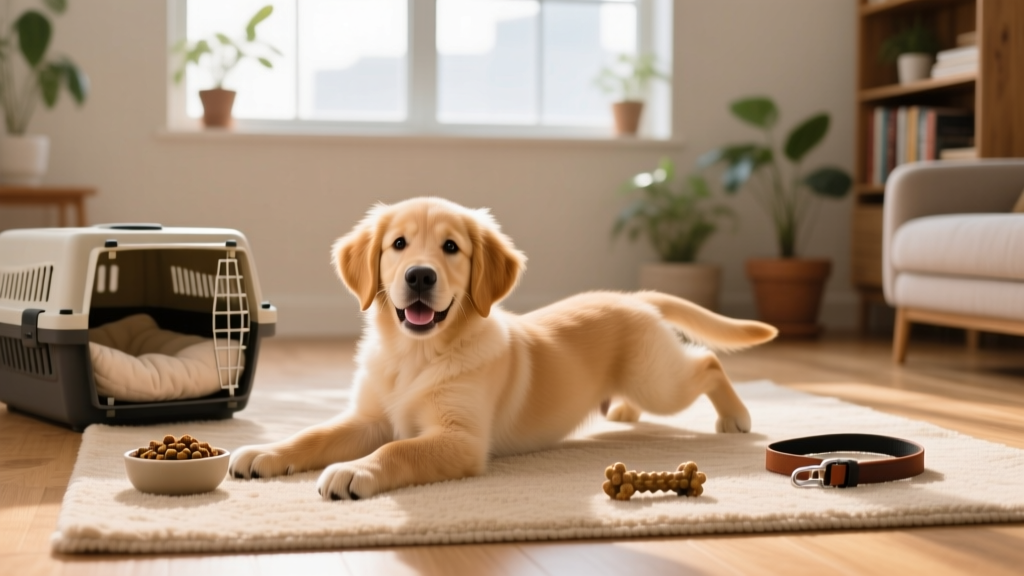
Boxer Pitbull Puppy: Complete Week-by-Week Care Guide
Raising a Boxer Pitbull puppy? This week-by-week guide covers feeding, potty training, vaccines, socialization, and first-year costs for this energetic mixed breed.

Is a Boxer Pitbull Puppy Right for Your Home?
The Boxer Pitbull mix — sometimes called a Pitoxer, Bullboxer Pit, or simply a Boxer-Pit — is a designer cross between an American Pit Bull Terrier (or American Staffordshire Terrier) and a Boxer. These puppies typically weigh 50–80 lb (23–36 kg) at maturity, stand 19–24 inches (48–61 cm) at the shoulder, and live 10–14 years. They inherit the Boxer's playful bounce and the Pit Bull's tenacious loyalty, producing a high-energy, muscular companion that demands structured puppyhood training.
Before bringing one home, understand that both parent breeds are athletic, strong-willed, and people-oriented. A Boxer Pitbull puppy will need early socialization, consistent positive-reinforcement training, and a household prepared for an active adolescent. If your local jurisdiction has breed-specific legislation (BSL), check your city and county ordinances — Pit Bull-type crosses are restricted in some areas.
Age-Specific Milestones: What to Expect Each Week
Boxer Pitbull puppies develop rapidly in their first year. Both parent breeds mature slowly — expect puppyish behavior well into the second year. Here is a concrete milestone timeline so you know what is normal at each stage.
Weeks 4–8: The Breeder's Window
During this period, puppies are still with the breeder or rescue. They are learning bite inhibition from littermates, beginning to eat softened kibble, and receiving their first DHPP vaccine (typically at 6–8 weeks). Eyes and ears are fully functional. A responsible breeder will have started early neurological stimulation (ENS) and introduced novel surfaces, sounds, and gentle handling.
- Weight at 8 weeks: Expect roughly 8–14 lb (3.6–6.4 kg)
- Behavior: Curious, mouthy, sleeping 18–20 hours per day
- Your role: Visit the litter if possible; observe temperament and ask the breeder about health testing (OFA hips, cardiac exam, and thyroid screening for both parent breeds)
Weeks 8–12: Home Adjustment and Bonding
This is when you bring your puppy home. Expect a 3–5 day decompression period with disrupted sleep, whining in the crate, and possible loose stools from diet transition. Your puppy is in a fear imprint period (weeks 8–11), so avoid traumatic experiences — no harsh corrections, no forced interactions with overwhelming dogs.
- Sleep: 16–18 hours per day (enforced naps are critical)
- Attention span: 5–10 minutes per training session
- Exercise limit: 5 minutes of structured walking per month of age, twice daily (so roughly 10 minutes per walk at 8 weeks)
Weeks 12–16: Confidence Building
Your puppy gains coordination and boldness. This is the prime window for introducing grooming routines (nail trims, ear cleaning, tooth brushing), crate comfort, and basic cues (sit, down, recall, name recognition). Teething discomfort begins around week 14 as baby incisors loosen.
- Weight at 16 weeks: Roughly 20–30 lb (9–14 kg)
- Behavior: Testing boundaries, increased chewing, beginning to show breed-specific traits (boxing with front paws, tugging)
- Training: Enroll in a positive-reinforcement puppy kindergarten class (AKC S.T.A.R. Puppy or equivalent)
Weeks 16–24: The Adolescent Surge
Energy levels spike dramatically. Your Boxer Pitbull puppy will seem to "forget" training — this is normal adolescent regression. Spay/neuter is typically performed between 16–24 weeks (discuss timing with your vet; some orthopedic specialists recommend waiting until growth plates close at 12–18 months for large-breed mixes). Adult teeth are fully in by 6 months.
- Weight at 6 months: Approximately 35–50 lb (16–23 kg)
- Exercise: 20–30 minutes of structured activity twice daily, plus mental enrichment
- Common issues: Jumping, mouthing, leash pulling, counter-surfing
Months 6–12: Refinement and Maturity
Growth rate slows but your puppy is still filling out musculoskeletally. Continue structured training — impulse control exercises (wait at doors, leave-it, settle on a mat) pay enormous dividends. Begin longer walks, controlled playdates with vaccinated dogs, and introductory canine sports like nose work or flirt pole sessions.
- Weight at 12 months: Near adult weight, 50–75 lb (23–34 kg)
- Behavior: More settled at home if exercise needs are met; still prone to zoomies and exuberant greetings
- Training: Transition to adult dog classes; work toward AKC Canine Good Citizen (CGC) preparation
Feeding Schedule: Exact Portions by Age and Weight
Boxer Pitbull mixes are prone to both obesity (Boxer lineage) and food sensitivities (both breeds). Choose an AAFCO-approved large-breed puppy formula with a named animal protein as the first ingredient, minimum 22% protein and 8% fat for growth. Avoid grain-free diets unless your vet identifies a specific allergy — the FDA has investigated a potential link between grain-free diets and dilated cardiomyopathy (DCM) in dogs.
| Age | Estimated Weight | Meals/Day | Daily Total (kibble) | Notes |
|---|---|---|---|---|
| 8–12 weeks | 8–14 lb (3.6–6.4 kg) | 3–4 | 1.5–2 cups | Moisten with warm water if needed |
| 12–16 weeks | 14–22 lb (6.4–10 kg) | 3 | 2–2.5 cups | Begin transitioning to dry kibble |
| 16–24 weeks | 22–40 lb (10–18 kg) | 3 | 2.5–3.5 cups | Monitor body condition score (BCS) weekly |
| 6–9 months | 40–55 lb (18–25 kg) | 2 | 3–4 cups | Reduce to 2 meals at 6 months |
| 9–12 months | 55–75 lb (25–34 kg) | 2 | 3.5–4.5 cups | Begin transitioning to adult formula at 12 months |
Important: These are starting points. Adjust based on your puppy's body condition score — you should be able to feel ribs without pressing hard, and see a visible waist from above. Consult your veterinarian for portion adjustments. Always feed measured amounts; free-feeding leads to rapid weight gain in this mix.
Potty Training Timeline and Troubleshooting
Realistic expectation: most Boxer Pitbull puppies are reliably house-trained between 4–6 months of age, with occasional accidents until 8–10 months. Both parent breeds are intelligent and respond well to consistent routines, but the Boxer's exuberance can lead to excited submissiveness urination through the first year.
The Core Routine
- Take puppy outside within 5 minutes of: waking up, finishing a meal, finishing play, and after any crate time.
- Use a consistent verbal cue ("go potty") while they eliminate.
- Immediately reward with a high-value treat (small pieces of boiled chicken or commercial training treats) and enthusiastic praise.
- Supervise 100% of indoor time or confine to a crate/pen when you cannot watch.
Age-Based Bladder Capacity
| Age | Max Crate Time (Daytime) | Nighttime Stretch | Expected Accidents/Week |
|---|---|---|---|
| 8–10 weeks | 1–2 hours | 2–3 hours (set alarm) | 3–5 |
| 10–14 weeks | 2–3 hours | 4–5 hours | 1–3 |
| 14–20 weeks | 3–4 hours | 6–7 hours | 0–2 |
| 5–6 months | 4–5 hours | 7–8 hours | 0–1 |
Submissive and Excitement Urination
Boxer lineage makes this mix prone to submissive urination when greeting. Management strategies: greet your puppy calmly without eye contact or leaning over them, take them outside immediately upon arriving home, and avoid scolding — punishment worsens the behavior. Most puppies outgrow this by 12 months.
Socialization Window: The Critical 3–14 Week Period
The American Veterinary Medical Association (AVMA) and the American Veterinary Society of Animal Behavior (AVSAB) emphasize that the primary socialization window for puppies closes between 12–14 weeks. Incomplete socialization is the leading behavioral reason dogs are surrendered to shelters. For a Boxer Pitbull mix — a powerful, strong dog that must be trustworthy in public — this window is non-negotiable.
Socialization Exposure Checklist
Aim for positive, non-threatening exposure to each category below before 14 weeks. Pair every new experience with treats and praise. If your puppy shows fear, increase distance and let them observe — never force interaction.
- People (minimum 10 types): Men with beards, people wearing hats/sunglasses, children (supervised), people in wheelchairs, tall people, people carrying umbrellas or bags, delivery workers, people of different ethnicities
- Surfaces: Grass, gravel, metal grates, wet pavement, carpet, tile, wood floors, wobble boards
- Sounds: Vacuum cleaner, doorbell, thunderstorms (play recordings at low volume), traffic, fireworks recordings, clapping, power tools at a distance
- Handling: Paw touching, ear inspection, mouth opening, nail clipping practice, being held gently, wearing a harness, being towel-dried
- Environments: Car rides, parking lots, outdoor café patios (carried if unvaccinated), pet-friendly stores (after full vaccination), friend's homes
- Other animals: Fully vaccinated, friendly adult dogs (arranged playdates — not dog parks), cats (if household has them), livestock if rural
Safe Socialization Before Full Vaccination
Your puppy will not be fully vaccinated until approximately 16 weeks. The AVSAB recommends that puppies begin socialization classes as early as 7–8 weeks, provided they have received at least one DHPP vaccine and the class requires all attendees to be current on vaccinations. Carry your puppy in public spaces, invite vaccinated dogs to your home, and host puppy playdates with known-healthy dogs. Avoid dog parks, pet store floors, and high-traffic public areas until 7 days after the final puppy vaccine.
Vaccination Schedule and Preventive Care
Your veterinarian will tailor a vaccination protocol based on local disease prevalence and your puppy's lifestyle. The following is a standard schedule consistent with AVMA guidelines and AAHA canine vaccination guidelines.
| Age | Vaccine | Notes |
|---|---|---|
| 6–8 weeks | DHPP (Distemper, Hepatitis, Parainfluenza, Parvovirus) #1 | Often given by breeder/rescue |
| 10–12 weeks | DHPP #2; Bordetella (optional based on lifestyle) | Required before group puppy classes |
| 14–16 weeks | DHPP #3; Rabies (required by law) | Final puppy series; immunity established 7 days later |
| 12–16 months | DHPP booster; Rabies booster (1- or 3-year depending on jurisdiction) | First adult boosters |
Additional vaccines to discuss with your vet: Leptospirosis (recommended for dogs with outdoor/water exposure), Lyme disease (tick-endemic regions), and Canine Influenza (H3N2/H3N8 — recommended if you board or attend group events).
Parasite Prevention
Begin monthly heartworm prevention (e.g., Heartgard Plus, Interceptor Plus, or Revolution Plus) by 8 weeks of age — no heartworm test required for puppies under 7 months. Start a monthly flea and tick preventive appropriate for your puppy's current weight. Your vet will perform a fecal flotation at the first wellness visit to check for roundworms, hookworms, giardia, and coccidia.
Teething Timeline and Crate Training Progression
Teething: Months 3–6
Boxer Pitbull puppies are powerful chewers. Baby teeth begin loosening around 12–14 weeks, and all 42 adult teeth should be in place by 6–7 months. During this window, expect increased chewing, drooling, and occasional blood on toys.
Safe chew options:
- Frozen Kong Classic (stuffed with plain yogurt and banana, frozen overnight)
- Benebone Wishbone or Nylabone Power Chew (size-appropriate — choose the next size up for strong-jawed breeds)
- Frozen wet washcloths (twist, soak in water, freeze — supervise use)
- Yak cheese chews (supervise; remove when small enough to swallow)
Avoid: Rawhide (choking and intestinal blockage risk), cooked bones (splintering), tennis balls (abrasive felt wears down teeth), and any toy small enough to fit entirely inside your puppy's mouth.
Crate Training Progression
Both Boxers and Pit Bulls can develop separation-related behaviors if not gradually taught to be alone. A crate provides a safe den and aids potty training. Choose a wire or plastic crate sized for your dog's expected adult dimensions (36–42 inches) with a divider panel to reduce space as your puppy grows.
| Age | Max Daytime Crate Duration | Nighttime Duration | Training Goal |
|---|---|---|---|
| 8–10 weeks | 30–60 minutes | 2–3 hours (alarm set) | Positive association: meals in crate, door open |
| 10–14 weeks | 1–2 hours | 3–5 hours | Calm settling; covered crate may help |
| 14–20 weeks | 2–3 hours | 5–7 hours | Quiet resting without vocalization |
| 5–6 months | 3–4 hours | 7–8 hours | Independent crate entry on cue |
| 6–12 months | 4–5 hours max | 8 hours (if sleeping through) | Begin transitioning to pen or dog-proofed room if reliable |
Never use the crate as punishment. If your puppy whines after being settled and eliminating, wait for 3–5 seconds of silence before releasing. Releasing mid-whine teaches that noise opens the door.
Common Puppy Problems and Solutions
Puppy Biting and Nipping
Boxer Pitbull puppies are notoriously mouthy — both parent breeds were selected for tenacity and jaw strength. Biting peaks between 10–16 weeks and again during teething.
Solution protocol:
- When teeth touch skin, say "ouch" in a calm, neutral tone and withdraw attention for 10–15 seconds (stand up, fold arms, look away).
- Redirect to an appropriate chew toy and praise enthusiastic chewing on the toy.
- If biting continues after two redirects, implement a 2–3 minute timeout in a pen or boring room — not the crate.
- Ensure your puppy is getting adequate sleep — overtired puppies bite more. Enforce naps every 60–90 minutes for puppies under 4 months.
Never hold the mouth shut, hit the nose, or perform alpha rolls. These methods increase fear and aggression. If biting does not improve by 5 months, consult a certified professional dog trainer (CPDT-KA) or veterinary behaviorist (DACVB).
Destructive Chewing
This mix has the Boxer's playful energy and the Pit Bull's jaw power. Unsupervised puppies will destroy furniture, baseboards, and shoes. Management: puppy-proof all accessible rooms (use baby gates), provide a rotation of 5–7 appropriate chew toys, and ensure at least 30–45 minutes of daily mental enrichment (food puzzles, snuffle mats, frozen Kongs, training sessions).
Whining and Crying in the Crate
Distinguish between protest whining (short, intermittent — ignore and reward silence) and distress whining (escalating, frantic, with panting or attempts to escape — address the cause). Common causes: need to eliminate, crate too large or too small, temperature discomfort, or genuine separation anxiety. If your puppy shows signs of true anxiety (self-injury, prolonged panic), consult your veterinarian — early intervention prevents chronic separation-related behavior.
First-Year Cost Breakdown
Budgeting realistically prevents financial stress and ensures your puppy receives proper care. Costs below reflect 2026 national averages; urban areas (NYC, SF, Seattle) may run 30–50% higher.
| Category | Low Estimate | Mid Estimate | High Estimate |
|---|---|---|---|
| Puppy purchase (responsible breeder) or adoption fee | $200 (rescue) | $800–$1,500 | $2,500 |
| Veterinary (wellness exams, vaccines, spay/neuter, fecal tests) | $600 | $900 | $1,400 |
| Food (large-breed puppy formula, 12 months) | $400 | $600 | $900 |
| Preventives (heartworm, flea/tick — 12 months) | $180 | $280 | $400 |
| Supplies (crate, bed, leash, harness, bowls, toys, gates) | $250 | $450 | $700 |
| Training (puppy kindergarten + basic manners) | $150 | $350 | $600 |
| Pet insurance (annual premium) | $400 | $600 | $900 |
| Emergency fund / unexpected illness | $0 | $300 | $2,000+ |
| Total first year | $2,180 | $4,280 | $9,400 |
Recurring annual cost after year one: $1,200–$2,500 for food, preventives, annual exams, and insurance.
Frequently Asked Questions
When should I bring my Boxer Pitbull puppy home?
Ideally between 8–10 weeks of age. Reputable breeders will not release puppies before 8 weeks — this is the minimum age for social and neurological readiness. Some breeders of larger breeds keep puppies until 10–12 weeks for additional socialization. If adopting from a rescue, follow their placement timeline.
How often should I feed my puppy at each age?
Feed 3–4 meals per day from 8–12 weeks, 3 meals from 12 weeks to 6 months, then transition to 2 meals per day from 6 months onward. Consistent mealtimes also aid potty training — puppies typically need to eliminate 15–30 minutes after eating.
When will my puppy be fully potty trained?
Most Boxer Pitbull puppies are reliably house-trained between 4–6 months with consistent scheduling. Occasional accidents are normal until 8–10 months, especially during excitement or routine changes. If your puppy is not making progress by 5 months, consult your veterinarian to rule out medical causes like UTIs or congenital bladder issues.
What vaccines does my puppy need and when?
Core vaccines include DHPP (Distemper, Hepatitis, Parainfluenza, Parvovirus) given as a series at 6–8, 10–12, and 14–16 weeks, plus Rabies at 14–16 weeks (timing varies by state law). Lifestyle-dependent vaccines include Bordetella, Leptospirosis, Lyme, and Canine Influenza. Discuss your puppy's specific risk profile with your veterinarian.
How do I stop puppy biting and nipping?
Use a consistent protocol: say "ouch," withdraw attention for 10–15 seconds, then redirect to a chew toy. Enforce naps every 60–90 minutes (overtired puppies bite more). Provide appropriate outlets for chewing. Never use physical punishment — it damages trust and can increase aggressive responses. Expect biting to decrease significantly by 5–6 months as adult teeth come in and impulse control improves.
When can my puppy go outside and meet other dogs?
Your puppy can explore your own yard (if no unvaccinated dogs have access) immediately. For public spaces and dog-to-dog introductions, wait until 7 days after the final DHPP vaccine at 14–16 weeks — typically around 17 weeks of age. Before that, carry your puppy in public for socialization exposure, and arrange playdates only with fully vaccinated, known-healthy dogs in private settings. Avoid dog parks until at least 6 months of age and only after your puppy has solid recall and social skills.
Tom Renshaw
All our authors care for dogs every day — read more of their work on the authors page.