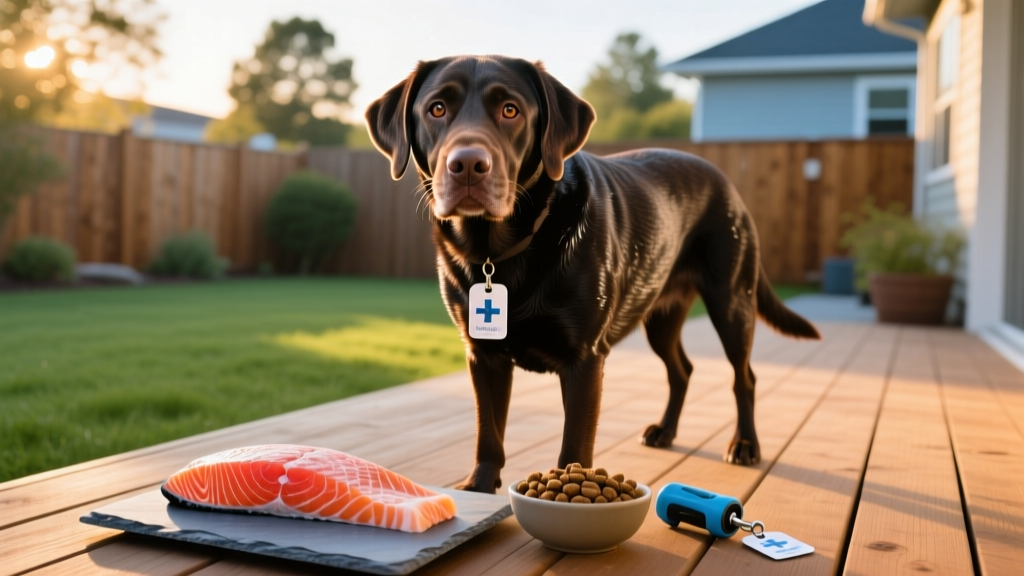
Dog CBD Treats: Nutrition Guide for Safe Dosing & Diet Integration
Complete guide to dog CBD treats: safe dosing by weight, nutritional breakdown, ingredient risks, and how to integrate CBD into your dog's daily diet plan.

Understanding Dog CBD Treats: What They Are and How They Work
Dog CBD treats are edible chews, biscuits, or soft bites infused with cannabidiol (CBD) — a non-psychoactive compound derived from hemp (Cannabis sativa). Unlike THC, which produces intoxication, CBD interacts with the canine endocannabinoid system, specifically CB1 and CB2 receptors, to potentially support calm behavior, joint comfort, and general wellness.
The market has expanded rapidly. According to a 2024 survey by the American Veterinary Medical Association, approximately 35% of US dog owners reported trying a CBD product for their pet, with treats being the most popular delivery format over oils and tinctures due to ease of dosing and palatability.
But here's what most product labels won't tell you: a CBD treat is still a treat. It contributes calories, fat, protein, and potentially problematic ingredients to your dog's daily intake. If you're giving CBD treats regularly, you need to account for them nutritionally — not just therapeutically.
Nutritional Requirements: Where CBD Treats Fit in Your Dog's Diet
Before adding any CBD treat to your dog's routine, you need a baseline understanding of their daily nutritional needs. CBD treats should never exceed 10% of your dog's total daily caloric intake — this is the standard veterinary guideline for all treats combined.
Daily Caloric Needs by Weight and Life Stage
| Dog Weight | Resting Calories (kcal/day) | Active Adult (kcal/day) | Senior/Low Activity (kcal/day) | Max Treat Calories (10%) |
|---|---|---|---|---|
| 10 lb / 4.5 kg | 340 | 450 | 290 | 29-45 kcal |
| 25 lb / 11.3 kg | 640 | 850 | 540 | 54-85 kcal |
| 50 lb / 22.7 kg | 1,050 | 1,400 | 890 | 89-140 kcal |
| 75 lb / 34 kg | 1,430 | 1,900 | 1,210 | 121-190 kcal |
| 100 lb / 45.4 kg | 1,780 | 2,370 | 1,510 | 151-237 kcal |
Adjustment factors: Intact (unspayed/neutered) dogs burn roughly 10-15% more calories than altered dogs. Working or sporting breeds may need 2-3x resting calories. Pregnant dogs in late gestation require 25-50% more. Always use your dog's ideal weight, not current weight, when calculating — feeding for an overweight dog's current weight perpetuates the problem.
Macronutrient Targets for Adult Maintenance
Per AAFCO nutrient profiles, adult dog food must meet minimum standards:
- Crude Protein: Minimum 18% dry matter (DM) for adults; 22% DM for growth/reproduction
- Crude Fat: Minimum 5.5% DM for adults; 8.5% DM for growth/reproduction
- Calcium: 0.5-1.8% DM for adults; large-breed puppies capped at 1.2% DM
- Fiber: No minimum, but typical commercial diets range 2-5% DM
Most CBD treats are primarily carbohydrate and fat (carrier oils like coconut or MCT oil). A typical 5mg CBD soft chew contains approximately 15-25 kcal, 1-3g fat, 0-1g protein, and 3-6g carbohydrates. This means CBD treats contribute almost nothing to your dog's protein requirements while adding fat and calories you must track.
CBD Dosing by Weight: Getting the Amount Right
This is where most dog owners get confused — and where mistakes happen. CBD dosing for dogs is not standardized by the FDA, but veterinary research provides working guidelines. A 2018 pharmacokinetic study published in Frontiers in Veterinary Science established that CBD is dose-dependent in dogs, with a starting point of approximately 1-2 mg CBD per kilogram of body weight, given twice daily.
| Dog Weight | Low Dose (1 mg/kg) | Standard Dose (2 mg/kg) | Higher Dose (4 mg/kg)* | Treat Count at 5mg/treat |
|---|---|---|---|---|
| 10 lb / 4.5 kg | 4.5 mg | 9 mg | 18 mg | 1-2 treats (std) |
| 25 lb / 11.3 kg | 11.3 mg | 22.6 mg | 45 mg | 2-4 treats (std) |
| 50 lb / 22.7 kg | 22.7 mg | 45.4 mg | 91 mg | 5-9 treats (std) |
| 75 lb / 34 kg | 34 mg | 68 mg | 136 mg | 7-14 treats (std) |
*Higher doses should only be used under direct veterinary supervision. Research on long-term high-dose CBD in dogs is limited.
Top Recommended CBD Treat Brands: Nutritional Analysis
When selecting a CBD treat, you need to evaluate it on two separate axes: (1) CBD quality and accuracy, and (2) overall nutritional profile. Here are brands that perform well on both, based on third-party lab transparency, ingredient quality, and caloric density.
1. HolistaPet CBD Dog Treats (Joint & Mobility)
Price: $34.95 for 30 treats (~$1.17/treat)
CBD per treat: 5mg broad-spectrum hemp extract
Calories per treat: ~17 kcal
Key ingredients: Organic oat flour, organic coconut oil, full-spectrum hemp extract, boswellia serrata, turmeric
What to look for: Certificate of Analysis (COA) available on website showing CBD concentration and THC below 0.3%. Third-party tested by independent labs.
Nutritional note: Low protein (~1g/treat). Contains coconut oil as fat carrier — adds approximately 1.5g fat per treat. Appropriate for dogs on limited-ingredient diets if grain sensitivities are not oat-related.
2. Honest Paws Wellness CBD Chews (Calming)
Price: $29.99 for 30 chews (~$1.00/chew)
CBD per treat: 10mg full-spectrum hemp extract
Calories per chew: ~22 kcal
Key ingredients: Chicken meal base, sweet potato, hemp extract, L-theanine, chamomile
What to look for: Higher CBD concentration means fewer treats needed — better calorie management for smaller dogs. The chicken meal base adds approximately 2g protein per chew.
Nutritional note: Contains chicken — avoid if your dog has poultry protein allergy. L-theanine (50mg/chew) is an amino acid with evidence supporting calm behavior in canines.
3. King Kanine King Kalm Crunch (Senior Support)
Price: $39.99 for 30 treats (~$1.33/treat)
CBD per treat: 5mg broad-spectrum CBD + 2.5mg CBG
Calories per treat: ~20 kcal
Key ingredients: Organic honey, oats, cinnamon, hemp extract, glucosamine HCl (100mg), chondroitin sulfate (50mg)
What to look for: Dual-cannabinoid formula (CBD + CBG) with added joint-support compounds. The glucosamine and chondroitin doses are below therapeutic levels for osteoarthritis (typically 500-1000mg glucosamine for a 50 lb dog) but provide baseline support.
Nutritional note: Honey adds simple sugars — monitor if your dog is diabetic or overweight. Cinnamon in small amounts is safe for dogs but avoid cassia cinnamon in large quantities due to coumarin content.
4. Charlotte's Web Hemp-Infused Dog Chews
Price: $44.99 for 30 chews (~$1.50/chew)
CBD per treat: 10mg full-spectrum hemp extract
Calories per chew: ~18 kcal
Key ingredients: Chicken, sweet potatoes, tapioca, whole-plant hemp extract, sunflower lecithin
What to look for: Charlotte's Web is one of the most established hemp companies in the US. Their whole-plant extract contains trace cannabinoids and terpenes beyond CBD. The NASC (National Animal Supplement Council) Quality Seal on packaging indicates ongoing quality audits.
Nutritional note: Chicken is the first ingredient — higher protein content (~3g/chew) than most CBD treats, making these slightly more nutritionally substantive.
5. ElleVet Mobility Chews (Veterinary Line)
Price: $59.95 for 60 chews (~$1.00/chew)
CBD per chew: 10mg CBD + CBDA (proprietary full-spectrum blend)
Calories per chew: ~15 kcal
Key ingredients: Peanut butter, oats, hemp extract, green-lipped mussel, turmeric
What to look for: ElleVet is one of the few CBD brands that has published peer-reviewed clinical research on their specific product formulation in dogs (Cornell University, 2018). The CBDA component is the raw acidic form of CBD, which some research suggests has higher bioavailability.
Nutritional note: Contains peanut butter — confirm yours does not contain xylitol (birch sugar), which is lethally toxic to dogs. Green-lipped mussel provides natural omega-3s (EPA/DHA) and glycosaminoglycans for joint support.
6. Treatibles Soft Chews (Multi-Dog Value)
Price: $49.99 for 90 chews (~$0.56/chew)
CBD per chew: 1mg full-spectrum phytocannabinoid-rich hemp oil
Calories per chew: ~8 kcal
Key ingredients: Organic brown rice, organic coconut oil, hemp oil, pumpkin, blueberries
What to look for: Lower per-treat CBD dose makes these ideal for small dogs (under 15 lb) where precise dosing matters. The lower calorie count (8 kcal) means you can give more chews without blowing the treat calorie budget.
Nutritional note: Blueberries provide antioxidants (anthocyanins). Pumpkin adds soluble fiber — beneficial for dogs with mild GI sensitivity but monitor total fiber intake if your dog is on a therapeutic GI diet.
Ingredient Red Flags: What to Avoid in CBD Treats
Not all CBD treats are created equal. Some contain ingredients that are actively harmful to dogs, while others include unnecessary fillers that add calories without benefit. Here's your ingredient analysis guide:
| Ingredient | Risk Level | Why It's a Problem |
|---|---|---|
| Xylitol (birch sugar) | TOXIC | Causes rapid insulin release → hypoglycemia → liver failure. Toxic dose: 0.1g/kg. As little as 2-3 pieces of sugar-free gum can kill a 10 lb dog. |
| Chocolate/cocoa | TOXIC | Contains theobromine and caffeine. Dark chocolate is most dangerous. Toxic dose of theobromine: 20mg/kg for mild signs, 40-50mg/kg for cardiac effects. |
| Grapes/raisins | TOXIC | Cause acute kidney injury in susceptible dogs. Mechanism is ASPCA Poison Control-documented but exact toxic threshold is unknown — any amount should be avoided. |
| Macadamia nuts | HIGH | Cause weakness, vomiting, tremors, hyperthermia. Toxic dose: approximately 2.4g/kg. Sometimes found in premium "gourmet" CBD treats. |
| Artificial colors (Red 40, Yellow 5, Blue 1) | MODERATE | No nutritional purpose. Some studies link artificial dyes to behavioral changes and hypersensitivity in susceptible animals. Dogs don't care about treat color. |
| Propylene glycol | MODERATE | Used as a humectant/moisture preservative. While FDA-approved for dog food (not cat food), it can cause Heinz body anemia at high doses. Prefer treats without it. |
| Excess sugar/sucrose/corn syrup | LOW-MODERATE | Contributes empty calories, promotes dental disease, and is inappropriate for diabetic or overweight dogs. Dogs don't require added sugar. |
| THC above 0.3% | TOXIC | Dogs have higher concentrations of CB1 receptors in their cerebellum than humans, making them more sensitive to THC. Signs include ataxia, urinary incontinence, depression, and in severe cases, seizures. |
Integrating CBD Treats Into Your Dog's Existing Diet Plan
The key to successfully adding CBD treats is treating them as part of your dog's overall nutritional picture, not as a separate "supplement" category you don't count. Here's a practical framework:
Step 1: Calculate Your Dog's Total Daily Calorie Budget
Use the table above or the formula: Resting Energy Requirement (RER) = 70 × (body weight in kg)^0.75, then multiply by an activity factor:
- Neutered adult, normal activity: RER × 1.6
- Intact adult: RER × 1.8
- Lightly active/obesity-prone: RER × 1.2-1.4
- Weight loss: RER × 1.0 (feed for target weight)
- Senior, inactive: RER × 1.2
- Working/sporting dog: RER × 2.0-5.0
Step 2: Reserve 10% for Treats (Including CBD Treats)
If your 30 lb dog's daily budget is 700 kcal, treats get 70 kcal max. If each CBD treat is 18 kcal and you give 2 daily (36 kcal), you have 34 kcal remaining for training treats, dental chews, or other snacks.
Step 3: Adjust Main Meal Portions
If CBD treat calories push you over budget, reduce kibble or wet food proportionally. One cup of typical adult maintenance kibble contains approximately 350-450 kcal. Removing 1/8 cup of kibble (about 45-55 kcal) offsets 2-3 CBD treats.
Step 4: Transition Gradually
Even though CBD treats aren't replacing your dog's main food, introducing any new edible can cause GI upset. Follow a modified transition protocol:
| Day | CBD Treat Dose | What to Monitor |
|---|---|---|
| Day 1-2 | 25% of target dose (e.g., half a treat) | Stool consistency, appetite, energy level, any vomiting |
| Day 3-4 | 50% of target dose | Drowsiness (common initial side effect), coordination, thirst |
| Day 5-6 | 75% of target dose | Behavioral changes, comfort level, continued GI tolerance |
| Day 7+ | Full target dose | Ongoing: stool quality, coat condition, body condition score |
If loose stools occur at any stage, hold at the current dose level for 2-3 additional days before advancing. If diarrhea persists beyond 48 hours, discontinue and consult your vet.
Life Stage and Condition Considerations for CBD Treats
Puppies Under 12 Months
CBD research in growing dogs is extremely limited. The endocannabinoid system plays a role in neurodevelopment, and introducing exogenous cannabinoids during brain development is not well-studied. Most veterinary behaviorists recommend waiting until physical maturity before starting CBD. If your puppy has anxiety or pain issues, discuss conventional options (behavioral modification, environmental enrichment, prescription medications) with your vet first.
Senior Dogs (7+ Years, Varies by Breed)
Senior dogs are the most common candidates for CBD treats, typically for osteoarthritis, cognitive dysfunction, or age-related anxiety. Key considerations:
- Kidney function: CBD is primarily metabolized by the liver, but senior dogs often have declining renal function. If your senior dog has Stage 2+ kidney disease (IRIS staging), discuss CBD with your vet — it may still be appropriate, but monitoring liver enzymes and renal values (BUN, creatinine, SDMA) every 3-6 months is prudent.
- Polypharmacy: Senior dogs often take NSAIDs (carprofen, meloxicam), gabapentin, or other medications. CBD can alter drug metabolism via CYP450 inhibition. Your vet may need to adjust doses of concurrent medications.
- Calorie sensitivity: Senior dogs have lower caloric needs. A 60 lb senior Lab may only need 1,000-1,100 kcal/day. CBD treat calories must be carefully budgeted to avoid weight gain, which worsens arthritis.
Overweight Dogs on Weight Loss Plans
If your dog is on a weight loss protocol (typically fed at RER for target weight), CBD treats still count toward the 10% treat budget — which is already smaller because total calories are restricted. For a 50 lb dog targeting 40 lb, the daily calorie budget might be only 890 kcal, leaving 89 kcal for all treats. Consider using CBD oil tincture instead of treats — a few drops on food adds negligible calories compared to 9+ chews.
Dogs with Food Allergies
CBD treats contain carrier ingredients that may trigger allergies. Common triggers in CBD treats include:
- Chicken/chicken meal — one of the most common canine food allergens
- Beef — another top allergen
- Wheat/gluten — less common than protein allergies but present in some biscuit-style treats
- Coconut oil — rare allergen but documented
If your dog is on a veterinary-prescribed hydrolyzed protein or novel protein elimination diet, do NOT introduce CBD treats containing common proteins — they will invalidate the diet trial. Look for single-protein or protein-free CBD treats, or use pure CBD oil.
Homemade CBD Treats: Recipes and Safety Considerations
Some dog owners prefer making their own CBD treats to control ingredients. This is feasible, but comes with significant caveats:
Basic Homemade CBD Dog Biscuit Recipe
Ingredients:
- 2 cups whole wheat flour (substitute oat flour for gluten-free)
- 1/2 cup unsweetened peanut butter (VERIFY no xylitol/birch sugar)
- 1 large egg
- 1/3 cup water or low-sodium bone broth
- CBD oil tincture — dose calculated for your dog's weight (see dosing table above)
Instructions:
- Preheat oven to 325°F (163°C)
- Mix flour and peanut butter until crumbly
- Add egg, water/broth, and CBD oil. Knead into stiff dough
- Roll to 1/4 inch thickness, cut with cookie cutters
- Bake 25-30 minutes until firm and lightly golden
- Cool completely. Store in airtight container, refrigerate up to 2 weeks
Yield: Approximately 30 small biscuits
CBD dosing challenge: If you add 150mg CBD oil to the batch (for 5mg/treat), mixing must be extremely thorough to ensure even distribution. Uneven mixing means some treats may contain 2mg while others contain 8mg.
Heat Stability Concern
CBD degrades at high temperatures. Research indicates significant degradation begins at approximately 320°F (160°C). When baking homemade CBD treats, keep oven temperature at or below 325°F and consider adding the CBD oil after baking — drizzle over cooled treats and let absorb, or mix into a no-bake recipe (peanut butter + oats + CBD oil, formed into balls and refrigerated).
Monitoring Your Dog's Response: What Success Looks Like
Track these parameters over 4-8 weeks to evaluate whether CBD treats are benefiting your dog without causing unintended nutritional or health effects:
Body Condition Score (BCS)
Use the 9-point Purina BCS scale (available from your vet or the Purina Body Condition Tool). Ideal is 4-5/9: ribs easily felt but not visible, waist visible from above, abdominal tuck visible from the side. If your dog's BCS increases after starting CBD treats, reduce main meal portions to compensate for treat calories.
Stool Quality
Use a simple 1-4 scale: 1 = hard pellets, 2 = firm and formed (ideal), 3 = soft but holds shape, 4 = liquid diarrhea. CBD treats with high fat content (coconut oil, MCT oil) may soften stools in sensitive dogs. Persistent score 3-4 stools warrant reducing CBD treat frequency or switching to a lower-fat formulation.
Coat and Skin Quality
Positive signs: shiny coat, reduced shedding, less scratching. Negative signs: greasy coat, flaky skin, new hot spots. Some dogs react to carrier oils; others benefit from the omega fatty acids in hemp extract.
Energy and Behavior
Appropriate CBD dosing should not cause sedation in most dogs. If your dog seems noticeably sleepy, lethargic, or "out of it" after CBD treats, the dose is likely too high. Reduce by 25-50% and monitor. Mild initial drowsiness during the first 2-3 days is common and usually resolves.
Targeted Symptom Tracking
Keep a simple daily log for the condition you're addressing:
- Arthritis: Rate mobility 1-10 (1 = can barely rise, 10 = moving freely). Note stair climbing ability, willingness to jump, morning stiffness duration.
- Anxiety: Rate reactivity to triggers 1-10. Note frequency of panting, pacing, vocalization, destructive behavior during alone time or storms.
- Seizure frequency: Log date, duration, severity. NEVER adjust anti-seizure medication without your neurologist's guidance.
Supplement Stacking: What to Add Alongside CBD Treats
CBD is often one component of a broader wellness plan. Here are common supplement pairings, with dosing guidance:
| Supplement | Purpose | Typical Dose | CBD Interaction Notes |
|---|---|---|---|
| Omega-3 (EPA/DHA) | Joint, skin, cognitive support | 50-100 mg combined EPA+DHA per kg body weight daily | Complementary — both anti-inflammatory. No negative interaction. May enhance combined effect. |
| Glucosamine + Chondroitin | Joint cartilage support | Glucosamine: 20 mg/kg/day; Chondroitin: 15 mg/kg/day | No known interaction. Commonly stacked with CBD for arthritis management. |
| L-Theanine | Calm behavior, stress reduction | 5-10 mg/kg, up to 200-400 mg per dose for large dogs | Additive calming effect possible. Start both at low doses and increase gradually. |
| Probiotics | GI health, immune support | 1-10 billion CFU daily (species-specific strains) | No known interaction. May help if CBD treats cause mild GI upset during transition. |
| Turmeric/Curcumin | Anti-inflammatory | 15-20 mg/kg/day (enhanced-absorption formulations preferred) | Both metabolized by CYP450 — potential for altered drug metabolism. Discuss with vet if dog takes other medications. |
Important: Does your dog need supplements at all? If your dog eats a complete-and-balanced commercial diet (look for the AAFCO statement on the label: "This product is formulated to meet the nutritional levels established by the AAFCO Dog Food Nutrient Profiles"), additional vitamin or mineral supplements are usually unnecessary and can be harmful. Targeted supplements (omega-3s, joint support) are condition-specific additions, not baseline requirements for every dog.
Frequently Asked Questions About Dog CBD Treats
What is the best dog food for a dog taking CBD treats regularly?
The best food for a dog on CBD treats is one that is AAFCO-certified complete and balanced for your dog's life stage, with a calorie density that leaves room for treat calories within the 10% guideline. For most dogs, a high-quality adult maintenance kibble or wet food with moderate fat (12-18% DM) works well, since CBD treats already add fat via carrier oils. Specific recommended brands include Purina Pro Plan Adult, Royal Canin Adult, Hill's Science Diet Adult, or Orijen Original — all of which publish full guaranteed analysis and feeding guides. The key is not the specific brand but ensuring the food meets AAFCO standards and your dog maintains an ideal BCS of 4-5/9.
How much should I feed my dog if I'm giving CBD treats?
Calculate your dog's daily calorie requirement using the RER formula (70 × kg^0.75 × activity factor), then subtract CBD treat calories from the total. For example: a 25 lb moderately active dog needs approximately 850 kcal/day. Two 18-kcal CBD treats = 36 kcal. Training treats = 30 kcal. That's 66 kcal in treats (7.8% — within the 10% cap). Feed 784 kcal of main meals. If your dog's main food is 400 kcal/cup, that's approximately 1.96 cups per day, split into two meals.
Can I feed my dog a homemade or raw diet alongside CBD treats?
You can, but with significant caveats. Raw diets carry documented risks including Salmonella and E. coli contamination (for both dogs and humans handling the food), nutritional imbalance, and dental fractures from bones. A 2022 study in the Journal of the American Veterinary Medical Association found that 25-30% of raw diet samples tested positive for Salmonella. If you choose a homemade diet, work with a veterinary nutritionist to formulate a complete recipe. CBD treats can be incorporated, but you'll need to account for their calories and fat content within the overall homemade diet plan. Never add CBD oil to raw meat and let it sit — the fat carrier can promote bacterial growth at room temperature.
What ingredients should I avoid in CBD treats?
Avoid xylitol (birch sugar — lethally toxic), chocolate/cocoa, grapes/raisins, macadamia nuts, artificial colors, and any product that does not provide a Certificate of Analysis (COA) verifying THC content below 0.3%. Also avoid treats with vague ingredient lists like "natural flavors" or "hemp extract" without specifying CBD concentration. Reputable brands list exact mg of CBD per treat and provide batch-specific lab results.
How do I switch my dog to a new food while continuing CBD treats?
Follow the standard 7-10 day food transition protocol for the main diet: Days 1-2, mix 25% new food with 75% old food; Days 3-4, 50/50; Days 5-6, 75% new / 25% old; Day 7+, 100% new food. Continue CBD treats at their established dose throughout the transition. However, if your dog develops GI upset (soft stools, vomiting) during the food switch, pause any new variables — including CBD treats if they were recently introduced — until you identify the cause. Introducing a new food AND starting CBD treats simultaneously makes it impossible to know which caused any adverse reaction.
Does my dog need supplements if they eat CBD treats?
CBD treats are not a substitute for any nutritional supplement. CBD may have anti-inflammatory and anxiolytic properties, but it does not provide omega-3 fatty acids, glucosamine, vitamins, or minerals. Whether your dog needs additional supplements depends on their diet, health conditions, and life stage — not on whether they receive CBD. A dog eating a complete-and-balanced commercial diet typically needs no additional supplements. A dog with diagnosed osteoarthritis may benefit from omega-3s and glucosamine alongside CBD. Always discuss supplement plans with your veterinarian to avoid unnecessary spending or potentially harmful overdosing.
How long does it take for CBD treats to work in dogs?
Acute effects (calming, mild pain relief) typically appear within 30-90 minutes of ingestion and last 4-8 hours. However, for chronic conditions like arthritis or anxiety, research suggests a cumulative effect — full benefits may take 2-4 weeks of consistent daily dosing. A 2018 Cornell University study on CBD for canine osteoarthritis found significant improvement in pain and mobility at week 4 of twice-daily dosing, with continued improvement through week 8.
Can CBD treats make my dog sick?
At appropriate doses, CBD is generally well-tolerated in dogs. The most commonly reported side effects are mild drowsiness, dry mouth (increased thirst), and soft stools. A 2020 safety study published in the Journal of Animal Physiology and Animal Nutrition found that dogs receiving 4 mg/kg CBD twice daily for 6 months showed no significant adverse changes in blood work, though some dogs had elevated alkaline phosphatase (ALP), a liver enzyme. This is why periodic bloodwork monitoring is recommended for dogs on long-term CBD — your vet will determine the appropriate testing interval.
Robin Maitland
All our authors care for dogs every day — read more of their work on the authors page.