Can Dogs Eat Raw Fish? Safety Guide, Risks & Vet Advice
Can dogs eat raw fish? Learn which fish are safe raw, parasite risks, proper serving sizes by weight, and when cooking is the smarter choice for your dog.
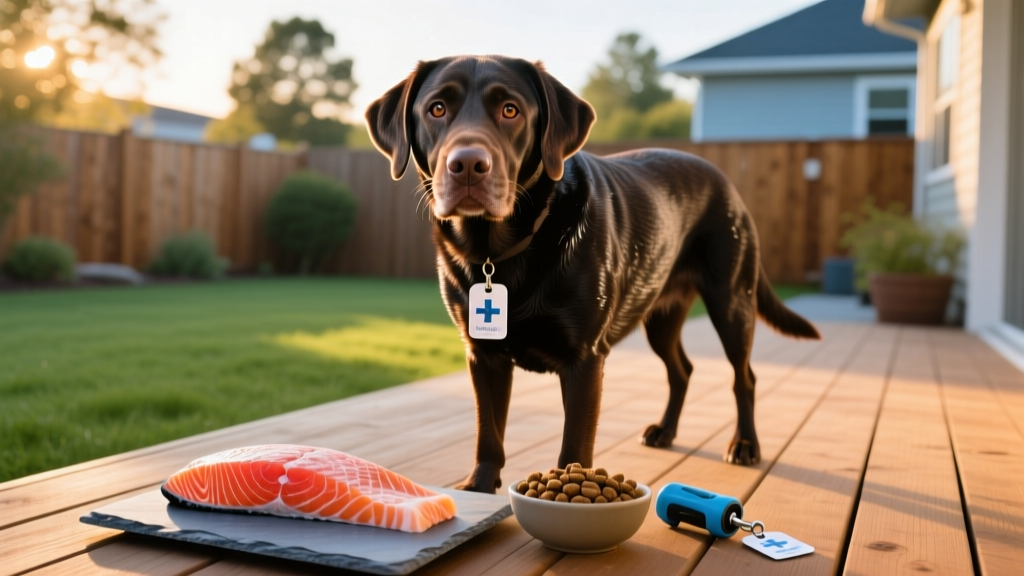
While fish itself is an excellent protein source rich in omega-3 fatty acids, feeding it raw carries significant risks including parasitic infection (flukes, tapeworms, roundworms), bacterial contamination (Salmonella, Listeria), and thiamine deficiency from prolonged raw fish consumption. The FDA and most veterinary nutritionists recommend cooking fish thoroughly before offering it to your dog. Commercially frozen fish labeled "sushi-grade" reduces but does not eliminate parasite risk, as home freezers rarely reach the -4°F (-20°C) temperature needed to kill all parasites.
Why Raw Fish Poses Real Risks to Dogs
Fish is a staple protein in many high-quality commercial dog foods, and for good reason — it's digestible, hypoallergenic compared to chicken or beef, and packed with beneficial fats. The problem isn't the fish itself; it's the raw preparation.
Parasitic Infections
Raw fish can harbor several parasites dangerous to dogs:
- Salmon Poisoning Disease (SPD): Caused by the parasite Nanophyetus salmincola carrying the bacterium Neorickettsia helminthoeca. Found primarily in raw salmon and trout from the Pacific Northwest (Washington, Oregon, Northern California). Without treatment, SPD has a fatality rate of up to 90% within 14 days, according to the Merck Veterinary Manual. Symptoms appear 6-10 days after ingestion.
- Tapeworms (Diphyllobothrium spp.): Raw freshwater fish can transmit tapeworms that grow up to 30 feet long inside your dog's intestines, causing weight loss, abdominal discomfort, and visible segments in stool.
- Liver Flukes (Clonorchis sinensis): Found in raw freshwater fish, these parasites damage the liver and bile ducts over time.
- Anisakis (herring worm): Found in raw marine fish like mackerel, herring, and cod. Causes severe gastrointestinal inflammation.
Bacterial Contamination
Raw fish carries the same bacterial risks as raw meat. A 2024 study in the Journal of Food Protection found that approximately 16% of retail raw fish samples tested positive for Salmonella, while Listeria monocytogenes was detected in up to 28% of samples. Dogs with compromised immune systems, puppies, and senior dogs face the highest risk of serious illness.
Thiaminase and Vitamin B1 Deficiency
Many raw fish species — especially carp, herring, smelt, and goldfish — contain an enzyme called thiaminase that destroys thiamine (vitamin B1). Chronic thiamine deficiency leads to neurological symptoms: seizures, loss of coordination, and in severe cases, death. Cooking destroys thiaminase, making the fish safe.
Nutritional Benefits of Fish (When Cooked Properly)
Once cooked, fish becomes one of the most nutritious proteins you can offer your dog. Here's what a 3-ounce (85g) serving of cooked salmon provides:
| Nutrient | Amount per 3 oz Cooked Salmon | Benefit for Dogs |
|---|---|---|
| Protein | 22g | Muscle maintenance, tissue repair |
| Omega-3 (EPA + DHA) | 1.5–1.8g | Anti-inflammatory, joint and coat health |
| Vitamin D | 447 IU | Calcium absorption, bone health |
| Vitamin B12 | 4.8 mcg | Nerve function, red blood cell production |
| Selenium | 31 mcg | Antioxidant, immune support |
| Potassium | 534 mg | Muscle function, electrolyte balance |
Fish is particularly valuable for dogs with food sensitivities. Salmon, whitefish, and herring are common novel proteins in limited-ingredient diets prescribed for dogs with chicken or beef allergies. The omega-3 fatty acids EPA and DHA have documented benefits for dogs with osteoarthritis, atopic dermatitis, and chronic kidney disease.
Safe Serving Sizes of Cooked Fish by Dog Weight
These portions assume plain, fully cooked fish (baked, steamed, or boiled) with no skin, bones, seasoning, or oil. Fish should make up no more than 10% of your dog's daily caloric intake, per the AKC's feeding guidelines.
| Dog Weight | Breed Examples | Serving Size (Cooked Fish) | Max Frequency |
|---|---|---|---|
| Under 10 lb / 4.5 kg | Chihuahua, Toy Poodle, Pomeranian | 1–2 tablespoons (flaked) | 2–3 times per week |
| 10–25 lb / 4.5–11 kg | French Bulldog, Corgi, Beagle | 2–4 tablespoons (flaked) | 2–3 times per week |
| 25–60 lb / 11–27 kg | Border Collie, Australian Shepherd, Bulldog | ¼–⅓ cup (flaked) | 2–3 times per week |
| 60–100 lb / 27–45 kg | Labrador, Golden Retriever, German Shepherd | ⅓–½ cup (flaked) | 2–3 times per week |
| Over 100 lb / 45+ kg | Great Dane, Mastiff, Saint Bernard | ½–¾ cup (flaked) | 2–3 times per week |
Calorie context: A 3-ounce serving of cooked salmon contains roughly 175 calories. A 50-lb dog typically needs 900–1,100 calories per day, so a ⅓-cup serving (~185 cal) fits within the 10% treat allowance. Adjust portions if your dog is on a weight-management plan.
How to Prepare Fish Safely for Your Dog
- Choose low-mercury species: Salmon, sardines, whitefish, trout, herring, and Arctic char are excellent choices. Avoid king mackerel, shark, swordfish, tilefish, and albacore tuna due to high mercury accumulation.
- Remove all bones: Fish bones — even small pin bones — can splinter and cause esophageal or intestinal perforation. Run your fingers along the fillet to check for bones before and after cooking.
- Cook thoroughly: Bake at 375°F (190°C) for 12–15 minutes, or until the internal temperature reaches 145°F (63°C) and the flesh flakes easily. Steaming and boiling are equally effective. The flesh should be opaque throughout — no translucent or pinkish center.
- Skip all seasoning: No salt, butter, garlic, onion, lemon juice, or oil. Garlic and onion are toxic to dogs (causing hemolytic anemia), and added fats can trigger pancreatitis in susceptible breeds like Miniature Schnauzers.
- Remove the skin: Fish skin can carry higher concentrations of environmental contaminants (PCBs, mercury). While cooked salmon skin in tiny amounts isn't acutely toxic, removing it is the safer practice.
- Cool and flake: Let the fish cool completely, then flake into bite-sized pieces appropriate for your dog's size. For small dogs, mash with a fork.
- Store properly: Refrigerate cooked fish in an airtight container for up to 3 days, or freeze in portion-sized bags for up to 2 months.
What Happens If Your Dog Eats Raw Fish?
If your dog accidentally consumes raw fish — whether they snatched sushi off the counter or got into your grocery bag — here's what to expect and how to respond:
Immediate (0–12 hours)
Most dogs will show no immediate symptoms. Some may experience mild vomiting or diarrhea within a few hours due to bacterial contamination or the unfamiliar texture. Offer fresh water and monitor closely.
Delayed onset (2–14 days)
This is the critical window for Salmon Poisoning Disease and parasitic infections. Watch for:
- Fever (normal canine temperature: 101–102.5°F / 38.3–39.2°C)
- Vomiting (may contain blood)
- Severe diarrhea, sometimes bloody
- Lethargy and weakness
- Loss of appetite lasting more than 24 hours
- Swollen lymph nodes (especially under the jaw)
- Weight loss over 1–2 weeks
- Visible tapeworm segments (resembling white rice grains) in stool or around the anus
- Fever above 103°F (39.4°C)
- Bloody diarrhea or vomit
- Refusal to eat for more than 24 hours
- Collapse, severe lethargy, or inability to stand
- Seizures or tremors (possible thiamine deficiency)
- Known ingestion of raw salmon or trout from the Pacific Northwest
Salmon Poisoning Disease is treatable with antibiotics (doxycycline) and deworming medication (praziquantel), but only if caught early. Untreated SPD is frequently fatal. Always tell your vet that your dog ate raw fish — this detail is critical for correct diagnosis.
Dogs Who Should Never Eat Fish (Raw or Cooked)
Even properly cooked fish isn't appropriate for every dog. Consult your veterinarian before introducing fish if your dog falls into any of these categories:
- Dogs with known fish allergies: Though fish is often a hypoallergenic protein, some dogs are specifically allergic to fish proteins. Signs include chronic ear infections, paw licking, and skin redness.
- Dogs with pancreatitis: Fatty fish like salmon and mackerel are high in fat and can trigger a pancreatitis flare-up. Whitefish and cod are leaner alternatives if your vet approves.
- Dogs with kidney disease: Fish is high in phosphorus, which must be restricted in dogs with chronic kidney disease (CKD). Your vet or a veterinary nutritionist can calculate safe amounts.
- Puppies under 12 weeks: Their developing immune systems are more vulnerable to bacterial contamination, and their diets should consist entirely of AAFCO-approved puppy food for balanced growth.
- Dogs on prescription diets: Adding fish to a therapeutic diet (e.g., Hill's Prescription Diet, Royal Canin Veterinary Diet) can disrupt the carefully calibrated nutrient balance.
Related Foods and Fish Products to Avoid
| Food / Product | Safe for Dogs? | Reason |
|---|---|---|
| Raw sushi-grade fish | ❌ No | Flash-freezing kills some but not all parasites; bacterial risk remains |
| Smoked salmon | ❌ No | Extremely high sodium (up to 650mg per 3 oz); risk of salt toxicosis |
| Pickled herring | ❌ No | High sodium, vinegar, and often contains onion or garlic |
| Canned sardines in water | ✅ Yes (in moderation) | Low-sodium varieties are safe; bones are soft enough to eat; 1 sardine for small dogs, 2 for large |
| Canned tuna in water | ⚠️ Rarely only | High mercury; limit to once per month at most |
| Fish sticks / breaded fish | ❌ No | Breading contains garlic/onion powder; deep-fried in unhealthy oils |
| Raw shellfish (shrimp, crab) | ❌ No | Carries Vibrio bacteria and parasites; shells are choking hazards |
| Fish oil supplements | ✅ Yes (vet-dosed) | Safe alternative to get omega-3s without parasite risk; follow label or vet guidance |
How to Introduce Cooked Fish to Your Dog's Diet
Even safe, cooked fish should be introduced gradually to avoid digestive upset:
- Day 1: Offer a single piece the size of a pea (small dogs) or a grape (large dogs). Mix it into their regular food.
- Days 2–3: Monitor for any signs of allergic reaction: itching, hives, facial swelling, vomiting, or diarrhea.
- Day 4: If no reaction, increase to half the recommended serving size for your dog's weight.
- Day 7: If stools remain normal and your dog shows no adverse signs, you can offer the full recommended serving.
- Ongoing: Limit fish to 2–3 meals per week. Rotate with other safe proteins to maintain dietary variety and prevent nutrient imbalances.
Pro tip: If you're considering a fish-based commercial diet (brands like Orijen Six Fish, Taste of the Wild Pacific Stream, or Zignature Whitefish), these are AAFCO-formulated for complete nutrition and eliminate the guesswork of supplementing home-cooked fish. Expect to pay $55–$95 for a 25-lb bag, which lasts a 50-lb dog approximately 3–4 weeks.
Frequently Asked Questions
Can dogs eat raw fish if it's been frozen first?
Freezing at -4°F (-20°C) for at least 7 days kills most parasites, but most home freezers only reach 0°F (-18°C), which is insufficient. Even properly frozen raw fish may still carry bacteria like Salmonella and Listeria. The safest approach is always to cook fish to 145°F (63°C) internal temperature.
Is sushi safe for dogs if I remove the raw fish?
Sushi rice is safe in small amounts, but soy sauce (extremely high sodium), wasabi (irritant), pickled ginger, and the nori seaweed wrapper can cause digestive issues. Avocado rolls are risky because avocado contains persin, which is mildly toxic to dogs. It's simpler and safer to prepare plain cooked fish at home.
Can puppies eat cooked fish?
Cooked, boneless, unseasoned fish can be offered to puppies over 12 weeks old as an occasional treat in very small amounts (½ teaspoon for small breeds). However, puppies need precisely balanced nutrition for growth, so their primary diet should be a high-quality AAFCO-approved puppy food. Always consult your veterinarian before adding human foods to a puppy's diet.
How much does treatment for Salmon Poisoning Disease cost?
Treatment typically involves hospitalization (1–3 days), IV fluids, antibiotics (doxycycline), and deworming (praziquantel). Total costs range from $800 to $3,000+ depending on severity and your region. Early detection significantly reduces both cost and risk. This is one of many reasons to simply avoid feeding raw fish.
Are fish bones safe for dogs if they're cooked?
No. Cooked fish bones become brittle and splinter easily, posing risks of esophageal puncture, intestinal blockage, and internal bleeding. Raw fish bones are slightly more flexible but still carry parasite and choking risks. Always remove all bones before serving fish to your dog, regardless of cooking method.
Can I use fish as a training treat?
Cooked, flaked fish makes an excellent high-value training treat, especially for dogs who are food-motivated but need a novel protein. Cut cooked salmon or whitefish into pea-sized pieces and store in a treat pouch during training sessions. Keep total treat calories under 10% of daily intake. For a convenient alternative, freeze-dried fish treats (like PureBites Salmon or Stella & Chewy's Surf 'N Turf) cost $8–$14 per bag and are shelf-stable.
Bottom line: Fish is a fantastic addition to your dog's diet — when cooked properly. The risks of raw fish (parasites, bacteria, thiamine destruction) far outweigh any perceived benefits. If your dog accidentally eats raw fish, monitor closely for 14 days and contact your veterinarian immediately if symptoms develop. For personalized dietary guidance, always consult your veterinarian or a board-certified veterinary nutritionist.
Beth Carrasco
All our authors care for dogs every day — read more of their work on the authors page.