Dog Skin Yeast Infection: Pictures, Symptoms, and Care Guide
Identify dog skin yeast infection with visual descriptions, symptoms, home exam techniques, and vet-recommended treatment strategies for Malassezia dermatitis.
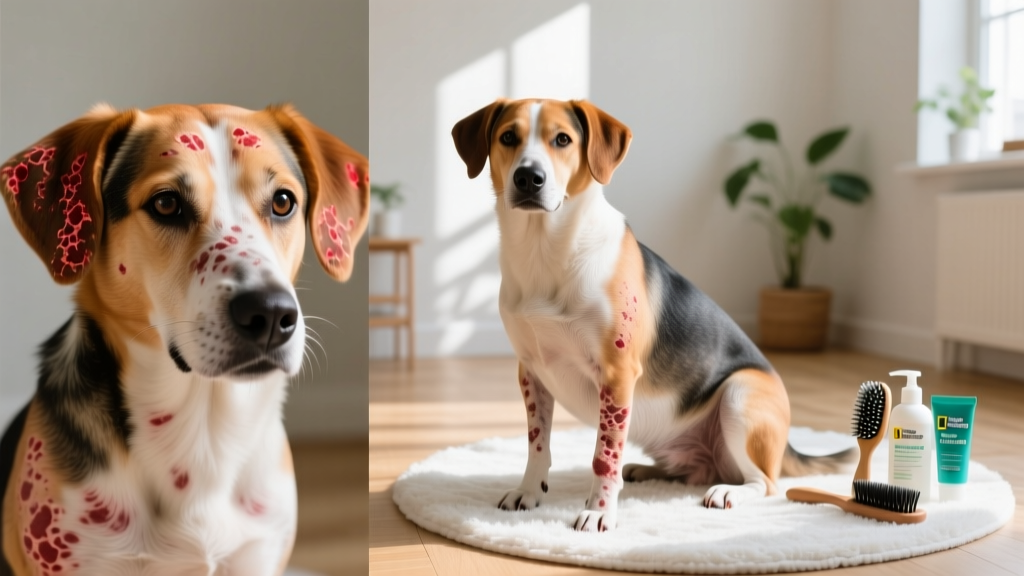
If you've noticed your dog obsessively licking their paws, scratching behind their ears, or developing greasy, smelly patches on their skin, you may be dealing with a yeast infection. While searching for dog skin yeast infection pictures can help you compare what you're seeing at home, understanding the underlying biology, recognizing early warning signs, and knowing when to involve your veterinarian are what truly protect your dog's comfort and health.
This guide walks you through the anatomy of canine skin, how to perform a thorough home examination, what normal versus abnormal skin looks like, and a practical care routine to keep yeast overgrowth at bay.
Veterinary Disclaimer
This guide is for educational purposes and does not replace professional veterinary diagnosis or treatment. Yeast infections can mimic bacterial infections, allergic dermatitis, and parasitic conditions. Always consult your veterinarian before starting any medicated treatment.
Canine Skin Anatomy: How Your Dog's Skin Differs From Yours
Understanding why dogs get yeast infections starts with understanding their skin structure.
| Feature | Human Skin | Canine Skin |
|---|---|---|
| Surface pH | Acidic (4.0–5.5) | Near-neutral (6.2–7.4) |
| Epidermal thickness | 10–15 cell layers | 3–5 cell layers (thinner) |
| Epidermal turnover | ~28 days | ~21 days (faster) |
| Hair follicle grouping | 1 hair per follicle | Compound follicles (3–15 hairs per group) |
| Sweat glands | Eccrine glands all over body | Apocrine glands at each hair follicle; eccrine only on paw pads |
Why this matters for yeast: Dogs' near-neutral skin pH is less hostile to fungal organisms than our acidic skin. Combined with thinner epidermis and compound hair follicles that trap moisture, canine skin provides an environment where Malassezia pachydermatis — the yeast species responsible for most canine yeast dermatitis — can proliferate when conditions shift in its favor.
Malassezia is a normal resident of canine skin in small numbers. According to the Merck Veterinary Manual, it becomes pathogenic when the skin's microenvironment changes — typically due to excess moisture, sebum overproduction, allergic inflammation, or immune compromise. The yeast feeds on lipids (fats) in skin oils, which is why infections concentrate in sebum-rich areas like ears, lip folds, armpits, and the groin.
Common Dog Skin Yeast Infection Symptoms and Related Problems
Yeast dermatitis rarely appears in isolation. It's usually secondary to an underlying problem — most commonly environmental allergies (atopic dermatitis), food allergies, hormonal imbalances like hypothyroidism, or anatomical skin folds that trap moisture.
| Condition | Primary Symptoms | Connection to Yeast |
|---|---|---|
| Malassezia dermatitis (yeast infection) | Greasy skin, musty/sweet odor, brownish waxy discharge, intense itching, skin thickening (lichenification), hyperpigmentation (darkening) | Primary condition — yeast overgrowth on skin surface |
| Yeast otitis (ear infection) | Head shaking, ear scratching, brown crumbly discharge, ear canal redness, odor | Malassezia thrives in warm, dark ear canals; affects up to 50% of dogs with atopic dermatitis |
| Interdigital yeast (paw infection) | Paw licking, reddish-brown staining between toes, swollen toe pads, limping in severe cases | Licking creates moisture; yeast colonizes the webbed spaces |
| Lip fold dermatitis | Redness in lip folds, brown staining, odor, drooling | Saliva and food trapped in folds feed yeast growth |
| Secondary bacterial pyoderma | Pustules, crusts, circular lesions, hair loss patches | Compromised skin barrier from yeast allows Staphylococcus overgrowth; mixed infections are very common |
What Dog Skin Yeast Infection Pictures Typically Show
When you search for dog skin yeast infection pictures, you'll notice several recurring visual patterns:
- Early stage: Pink to red skin with a slightly greasy sheen, often in the armpits, groin, or between toes. Hair may look thin but isn't completely gone.
- Moderate stage: Skin darkens to brownish-gray or black (hyperpigmentation). The surface becomes thickened with a texture resembling elephant skin or suede leather — this is called lichenification.
- Chronic stage: Deeply pigmented, thickened, hairless patches with visible scaling. The skin may have a distinctive sweet or musty "corn chip" odor that's noticeable even from a distance.
- Paw involvement: Rusty-brown staining on the hair between toes and around nail beds, caused by porphyrins in saliva from chronic licking combined with yeast pigment.
How to Check Your Dog's Skin: A Step-by-Step Home Examination
Perform this exam every 2–4 weeks on a healthy dog, and weekly if your dog has a history of yeast issues. Choose a time when your dog is relaxed — after a walk or during a calm evening.
Home Skin Examination Protocol
- Start with a visual sweep (2 minutes). Under bright, natural light, observe your dog standing from both sides. Look for asymmetry — patches of hair loss, areas that look darker than surrounding skin, or spots your dog favors when scratching.
- Run your hands over the entire body (3 minutes). Using flat palms, stroke firmly from head to tail, feeling for bumps, crusts, thickened areas, or unusual warmth. Pay extra attention to the armpits, groin, under the neck, and around the tail base.
- Part the coat in high-risk zones (5 minutes). Use your fingers to separate the hair in these areas and examine the skin directly:
- Inside and behind the ear flaps
- Both armpits
- The groin and inner thighs
- Between all toes on each paw (spread each toe individually)
- Lip folds (gently lift the lip on each side)
- Under any skin folds (face wrinkles, tail pocket)
- Around the vulva or prepuce
- Perform the "white tissue test" on ears. Gently wipe the inside of the ear flap and the visible ear canal entrance with a white tissue or cotton pad. Note any brown, waxy residue — healthy ear debris should be pale yellow and minimal.
- Smell check. Lean close to each area. Healthy dog skin has a mild, neutral scent. A sweet, musty, or "old bread" smell in specific areas strongly suggests yeast overgrowth.
- Document findings. Take clear photos of any concerning areas with a coin next to the lesion for scale. Note the date, location, size, color, and your dog's behavior (licking, scratching frequency). This record is invaluable for your veterinarian.
Normal vs. Abnormal: What Healthy Dog Skin Actually Looks Like
| Indicator | Normal / Healthy | Abnormal / Concerning |
|---|---|---|
| Color | Pink to light gray, depending on pigmentation. Some breeds naturally have dark patches (especially on belly). | New darkening (brown/black patches), diffuse redness, or mottled discoloration that wasn't present before. |
| Texture | Smooth, supple, slightly elastic. Skin should move freely over underlying tissue. | Thickened (feels like leather or elephant hide), crusty, flaky, or stuck-down skin that doesn't move easily. |
| Odor | Mild, neutral — the typical "dog smell" that fades after a bath. | Sweet, musty, cheesy, or "corn chip" odor, especially from ears, paws, or skin folds. |
| Moisture/Oil | Dry to very slightly oily. No visible residue when touched. | Greasy or waxy feel, brown residue on fingers after petting, oily patches that mat the coat. |
| Hair coat | Full, even coverage (except normal seasonal shedding patterns). Hair rooted firmly. | Patchy thinning, broken hairs, hair that pulls out easily, or complete bald spots in specific areas. |
| Itch level | Occasional scratching (5–10 times per day is normal). | Frequent scratching, licking, or biting at specific areas. Interrupted sleep due to itching. Chewing at paws multiple times daily. |
| Ear canals | Pale pink interior, minimal pale yellow wax, no strong odor. | Red, swollen ear canals with brown/black waxy buildup, head shaking, or pain when ears are touched. |
Key insight: The most reliable early indicator of yeast overgrowth is behavioral change — your dog suddenly paying excessive attention to one body area. Skin color changes and odor follow within days to weeks. By the time you see thickened, darkened "elephant skin," the infection has typically been present for 2–4 weeks.
Home Care Routine: Cleaning and Maintenance for Yeast Prevention
For dogs with no active infection, this maintenance routine keeps yeast populations in check. For dogs with active yeast dermatitis, your veterinarian will prescribe targeted antifungal treatment — these home care steps support that medical treatment but do not replace it.
Weekly Skin Maintenance Routine
- Daily (high-risk breeds): Wipe skin folds, lip folds, and between paw toes with a veterinary-recommended antifungal wipe (chlorhexidine + miconazole or ketoconazole formula). Cost: $12–$18 per box of 50 wipes.
- Daily (all dogs with paw licking): Rinse paws with cool water after outdoor walks, dry thoroughly between toes with a microfiber towel. Consider a paw wash cup ($8–$15) filled with diluted chlorhexidine solution (per vet guidance).
- Weekly: Clean ears with a veterinarian-approved ear cleanser containing a drying agent (salicylic acid or boric acid base). Apply 3–5 drops, massage the ear base for 20 seconds, let dog shake, wipe visible debris with cotton pad. Cost: $10–$20 per bottle (lasts 2–3 months).
- Every 1–2 weeks: Bathe with antifungal shampoo if your dog has a yeast history. Look for shampoos containing 2–4% chlorhexidine gluconate combined with 1–2% miconazole nitrate or ketoconazole. Contact time matters — lather and leave on skin for a full 10 minutes before rinsing. Cost: $15–$30 per bottle.
- Every 2–4 weeks: Full home skin examination as described above.
- Ongoing: Wash bedding weekly in hot water (minimum 130°F / 54°C) to reduce environmental yeast load.
Recommended Products for Yeast-Prone Dogs
| Product Type | Active Ingredients to Look For | Price Range (2026) | Use Case |
|---|---|---|---|
| Antifungal shampoo | Chlorhexidine 2–4% + ketoconazole 1–2% or miconazole 2% | $15–$35 (16 oz) | Full-body bathing; 10-minute contact time required |
| Antifungal wipes | Chlorhexidine 2% + ketoconazole 1% or miconazole 2% | $12–$22 (50–80 count) | Spot cleaning folds, paws, and ears between baths |
| Ear cleanser (drying) | Salicylic acid, boric acid, or acetic acid base | $10–$20 (8 oz) | Weekly ear maintenance; lowers ear canal pH |
| Leave-in spray/rinse | Chlorhexidine 0.5–2%, sometimes with EDTA | $14–$28 (8–16 oz) | Between-bath maintenance on hot spots or folds |
| Paw balm (barrier) | Beeswax, shea butter, vitamin E (no antifungal — barrier only) | $8–$16 (2 oz) | Protects dry, cracked paw pads after cleaning and drying |
Important: Never use human antifungal creams (like clotrimazole or terbinafine) on your dog without veterinary guidance. Dogs lick treated areas, and these formulations are not designed for ingestion. Additionally, some human products contain zinc oxide or other ingredients that are toxic when ingested by dogs.
Breeds Most Prone to Skin Yeast Infections
While any dog can develop Malassezia dermatitis, certain breeds have anatomical, genetic, or immunological factors that significantly increase their risk. According to data cited by the American Kennel Club, these breeds appear most frequently in veterinary dermatology cases:
| Breed | Risk Factors | Most Affected Areas |
|---|---|---|
| West Highland White Terrier | Strong atopic dermatitis predisposition; "Westie skin" genetic trait | Ears, paws, ventral abdomen |
| Basset Hound | Heavy skin folds, pendulous ears, high sebum production | Ears, lip folds, body folds, neck |
| Cocker Spaniel | Long, heavy ear flaps; primary seborrhea tendency; lip folds | Ears, lip folds, groin |
| English Bulldog | Extensive facial and body skin folds; atopy predisposition | Face wrinkles, tail pocket, armpits, toe folds |
| German Shepherd | Immune-mediated tendencies; deep ear canals | Ears, trunk, groin |
| Poodle (all sizes) | Dense, curly coat traps moisture; atopic tendency | Ears, paw webs, skin folds under coat |
| Shih Tzu | Facial folds, long coat retaining moisture, brachycephalic anatomy | Face folds, ears, groin, perineal area |
| Dachshund | Low-to-ground body contacts damp surfaces; atopy | Ventral abdomen, armpits, paws, ears |
Crossbreed note: Designer breeds inheriting traits from these lines (e.g., Cockapoos, Cavachons, Maltipoos) may carry similar risk factors, particularly if they inherit the floppy ears or skin folds of their parent breeds.
When to See the Vet: Red Flags You Shouldn't Ignore
🚨 Call Your Veterinarian If You Notice:
- Open sores, raw patches, or bleeding skin — indicates deep tissue involvement; may require oral antifungals and antibiotics
- Ear hematoma (swollen, puffy ear flap) — caused by vigorous head shaking; requires surgical or medical intervention
- Head tilt, loss of balance, or walking in circles — suggests yeast or bacterial infection has reached the middle or inner ear (otitis media/interna); this is urgent
- Fever (rectal temperature over 103°F / 39.4°C) — suggests systemic infection beyond the skin surface
- Lesions spreading rapidly (noticeably larger within 24–48 hours)
- Pain response — yelping, flinching, or aggression when you touch affected areas
- Appetite loss or lethargy lasting more than 24 hours alongside skin symptoms
- No improvement after 7–10 days of over-the-counter antifungal shampoo use
- Recurring infections — 3 or more episodes within 12 months signals an underlying condition (allergies, hypothyroidism, Cushing's disease) requiring diagnostic workup
What to Expect at the Vet Visit
Your veterinarian will typically perform one or more of these diagnostics:
- Cytology (tape prep or impression smear): A clear tape or glass slide is pressed against the affected skin, stained, and examined under a microscope. This confirms yeast presence and estimates density. Cost: $35–$75.
- Ear cytology: Same technique applied to ear canal debris. Cost: $25–$50 per ear.
- Skin scraping: Rules out demodectic or sarcoptic mange mites that can mimic yeast symptoms. Cost: $30–$60.
- Bacterial culture (if mixed infection suspected): Identifies specific bacteria and antibiotic sensitivity. Cost: $80–$200.
- Allergy testing (for recurrent cases): Blood-based (IgE) or intradermal skin testing to identify environmental allergens. Cost: $250–$600.
- Thyroid panel or adrenal function tests: If hormonal imbalance is suspected as the underlying cause. Cost: $100–$350.
Treatment typically involves a combination approach: topical antifungal therapy (shampoos, wipes, ear drops) for 3–6 weeks, oral antifungal medication (ketoconazole, itraconazole, or fluconazole) for moderate-to-severe cases lasting 3–8 weeks, and investigation/treatment of the underlying cause. According to veterinary dermatology references, the recurrence rate exceeds 60% if the underlying trigger (allergies, hormonal disease) is not addressed.
Prevention Strategies: Keeping Yeast From Coming Back
Prevention focuses on managing the skin microenvironment and addressing underlying causes:
- Dietary management: If food allergy is a trigger, work with your veterinarian on an elimination diet trial (8–12 weeks on a novel protein or hydrolyzed diet). Omega-3 fatty acid supplementation (EPA + DHA at 50–100 mg/kg combined daily) supports skin barrier function and reduces inflammatory responses. Source: pharmaceutical-grade fish oil formulated for dogs, not human supplements (which may contain xylitol or inappropriate vitamin A/D levels).
- Environmental allergen reduction: Wipe your dog down with a damp microfiber cloth after outdoor exposure during high-pollen seasons. Use HEPA air filtration in rooms where your dog spends the most time. Wash bedding weekly in hot water.
- Moisture control: Thoroughly dry your dog after baths, swims, or rain exposure — especially ears, paws, and skin folds. For dogs that swim frequently, use a veterinarian-recommended drying ear cleanser within 30 minutes of water exposure.
- Weight management: Overweight dogs develop deeper skin folds and have reduced air circulation against the skin. A body condition score (BCS) of 4–5 out of 9 is ideal. Even a 5–10% weight reduction can significantly improve fold dermatitis in brachycephalic breeds.
- Regular grooming: Keep hair clipped short around paw pads, in groin areas, and around skin folds to improve air circulation. For long-eared breeds, consider an ear snood or hair tie to keep ear flaps elevated during meals and outdoor activity.
- Probiotic support: Emerging veterinary research suggests that oral probiotics containing Lactobacillus and Bifidobacterium strains may help modulate skin immune responses. Discuss specific products and dosing with your veterinarian — canine-specific formulations (e.g., 5–10 billion CFU daily for medium dogs) are preferred over human probiotics.
- Immunotherapy: For dogs with confirmed environmental allergies driving recurrent yeast infections, allergen-specific immunotherapy (allergy shots or sublingual drops) can reduce long-term dependence on medications. Success rates of 60–80% are reported, with full effects taking 6–12 months. Cost: $1,000–$2,500 for initial testing and first year of treatment.
Frequently Asked Questions
Is a dog skin yeast infection contagious to humans or other pets?
Malassezia pachydermatis is species-specific and is not considered zoonotic (transmissible to humans) in healthy individuals. Immunocompromised humans (those undergoing chemotherapy, organ transplant recipients, or people with HIV/AIDS) should avoid direct contact with infected dogs as a precaution. The yeast is also not generally contagious between dogs — it's an overgrowth of organisms already present on the individual dog's skin, not a transmitted infection.
Can I use apple cider vinegar to treat my dog's yeast infection?
Diluted apple cider vinegar (1 part vinegar to 3 parts water) can lower skin surface pH and may provide mild antifungal effects as a supplementary rinse. However, it should never be used on open wounds, raw skin, or inside the ear canal — the acidity will cause significant pain and tissue irritation. It is not a substitute for veterinary-prescribed antifungal treatment for active infections. If you want to try this as a maintenance rinse on intact skin, consult your veterinarian first.
How long does it take for a dog yeast infection to clear up?
With appropriate veterinary treatment, most mild-to-moderate cases show visible improvement within 7–14 days and resolve within 3–6 weeks. Chronic, thickened "elephant skin" (lichenified) cases may require 6–12 weeks of treatment. If the underlying cause is not addressed, recurrence is extremely common — often within weeks of stopping treatment.
Why does my dog keep getting yeast infections even with treatment?
Recurrent yeast dermatitis almost always indicates an unresolved underlying condition. The most common culprits are: atopic dermatitis (environmental allergies, affecting ~10–15% of all dogs), food allergy (affecting ~1–2% of dogs, but up to 20% of dogs with chronic skin disease), hypothyroidism, or Cushing's disease (hyperadrenocorticism). Work with your veterinarian or a veterinary dermatologist to identify and manage the root cause.
Does diet affect yeast infections in dogs?
Indirectly, yes. Yeast feeds on skin lipids (fats), and diets that trigger allergic inflammation can increase sebum production and compromise the skin barrier. There is no scientific evidence that dietary yeast (such as brewer's yeast in some dog foods) causes or worsens skin yeast infections — the species in food is different from Malassezia. However, if your dog has a food allergy to a specific protein, eliminating that allergen through a veterinary-supervised diet trial can dramatically reduce recurrent yeast flares.
For more information on canine skin conditions, consult the AVMA's dog health resources or ask your veterinarian about a referral to a board-certified veterinary dermatologist (DACVD).
Dr. Hannah Wickes
All our authors care for dogs every day — read more of their work on the authors page.


