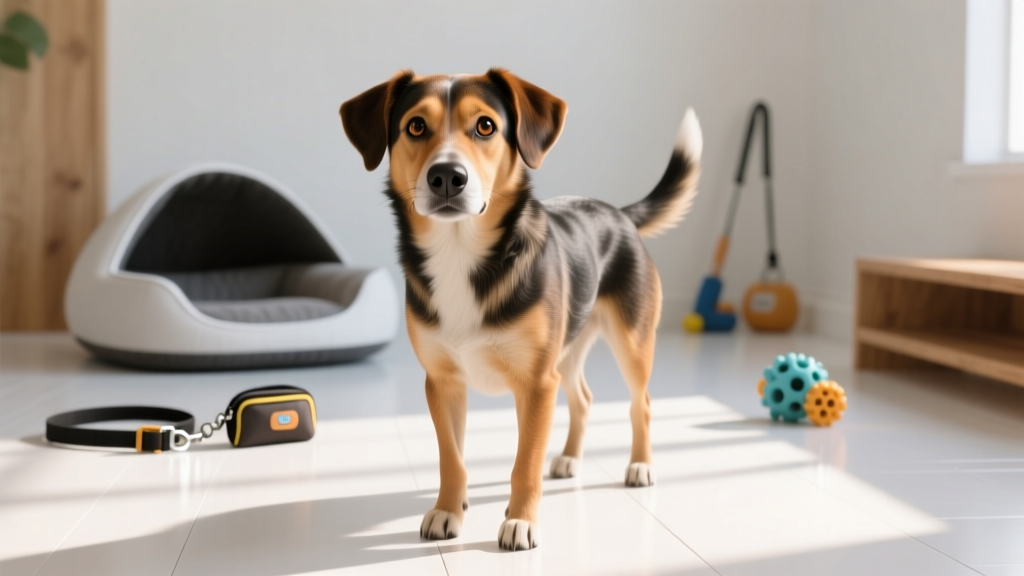
Snoozer Dog Beds: Complete Buyer's Guide & Top Picks for 2026
Explore the best Snoozer dog beds for 2026. Compare orthopedic, calming, and bolster models with pricing, sizing, and vet-backed sleep health tips.

Why the Right Dog Bed Matters for Canine Health
Dogs sleep between 12 and 14 hours per day on average, with puppies and seniors logging up to 18 hours. That means your dog will spend roughly half their life on their bed. The surface they sleep on directly affects joint health, spinal alignment, thermoregulation, and anxiety levels. According to the Merck Veterinary Manual, poor sleep environments can exacerbate conditions like osteoarthritis, hip dysplasia, and separation-related anxiety.
Snoozer is a long-standing pet bed manufacturer known for bolster, nest, and orthopedic foam designs. Their beds range from plush calming donuts to memory foam platforms, and they've built a reputation among owners of small-to-medium breeds and anxious dogs. But not every Snoozer model suits every dog — a Great Dane with arthritis needs fundamentally different support than a Chihuahua with cold sensitivity.
This guide breaks down the current Snoozer lineup (plus comparable alternatives), gives you exact sizing and pricing data, and helps you match a bed to your dog's specific health needs.
Buying Criteria: What to Evaluate Before You Purchase
Understanding Snoozer Dog Bed Types and How They Work
Snoozer produces several distinct bed categories, each engineered for different canine needs:
Bolster and Nest Beds
These feature raised edges (typically 6–10 inches high) around the perimeter. The bolsters serve two functions: they provide a headrest that reduces neck strain, and they create a "den" feeling that activates a dog's natural nesting instinct. Behaviorists note that enclosed sleeping spaces can lower cortisol levels in dogs with mild separation anxiety or noise phobias. The raised edges also prevent small dogs from rolling off elevated surfaces like couches.
Orthopedic Foam Beds
These use layered foam systems — typically a base of high-density support foam (2–3 inches) topped with memory foam or egg-crate convoluted foam (1–2 inches). The support layer prevents the dog's joints from pressing through to the hard floor, while the comfort layer distributes pressure evenly. For dogs over 50 lb (23 kg) with hip dysplasia or arthritis, the AKC recommends beds with at least 4 inches of total foam thickness.
Calming (Donut) Beds
Round beds with deep, shaggy plush and a recessed center. The shag fibers mimic the feeling of littermates, which can soothe puppies transitioning to solo sleeping and anxious adults. These work best for small-to-medium dogs (under 50 lb / 23 kg) who sleep in a curled position.
Travel and Crate Pads
Low-profile pads (1–2 inches thick) designed to fit inside standard wire or plastic crates. They provide basic cushioning and protect the crate floor. These are not sufficient as a primary bed for senior dogs or dogs with joint issues.
Top Snoozer Dog Beds and Comparable Alternatives
Below are the current standout options in the Snoozer lineup, plus competing beds worth considering for specific use cases. Prices reflect typical retail ranges as of early 2026.
1. Snoozer Cozy Cave (Hooded Nest Bed)
Price range: $85–$140 depending on size (Small to Large)
Key features: Poly-filled bolster with attached fleece hood, sherpa-lined interior, removable zippered cover, machine washable.
Best for: Small breeds (under 30 lb / 14 kg) who burrow, cold-sensitive dogs, anxious dogs who seek enclosed spaces.
Pros:
- Hood provides genuine thermal retention — surface temp inside stays 5–8°F warmer than ambient
- Cover is fully removable and machine washable (cold, gentle cycle)
- Multiple fabric/color options
Cons:
- Poly-fill bolsters flatten within 6–12 months with daily use
- No orthopedic foam — unsuitable for dogs with joint disease
- Limited to small/medium sizes — largest fits dogs up to ~35 lb (16 kg)
2. Snoozer Luxury Orthopedic Lounge Bolster Bed
Price range: $130–$210 (Medium to XL)
Key features: 4-inch memory foam base, 8-inch bolster walls, micro-suede cover, non-slip bottom.
Best for: Medium-to-large dogs (30–90 lb / 14–41 kg) with early-stage arthritis or post-surgical recovery needs.
Pros:
- 4-inch foam base provides adequate joint separation from floor
- Bolster height accommodates larger breeds' head and neck
- Non-slip bottom prevents sliding on hardwood
Cons:
- Cover is not fully removable on some sizes — spot clean only on the bolster portion
- Memory foam can retain heat — not ideal for thick-coated breeds in warm climates
- Higher price point than basic bolster beds
3. Snoozer Round Calming Donut Bed
Price range: $45–$95 (Small to Large)
Key features: Deep shag plush, self-warming fiber fill, raised outer rim, machine washable (entire bed).
Best for: Puppies, anxious small breeds, dogs who curl tightly when sleeping.
Pros:
- Entire bed is machine washable — rare at this price point
- Shag depth (approximately 3 inches) provides genuine calming effect for anxious dogs
- Lightweight and portable for travel
Cons:
- Zero orthopedic support — essentially a plush cushion
- Flattens significantly within 3–6 months under dogs over 25 lb (11 kg)
- Shag fibers trap hair and require frequent vacuuming
4. Big Barker 7" Orthopedic Dog Bed (Comparable Alternative)
Price range: $240–$400 (Medium to XXL)
Key features: 7-inch tri-layer foam system (4" support core + 2" comfort layers), microfiber cover, 10-year "won't flatten" guarantee.
Best for: Large/giant breeds (50–150+ lb / 23–68+ kg) with severe arthritis, hip dysplasia, or degenerative myelopathy.
Pros:
- Clinically tested — a University of Pennsylvania study found measurable improvements in joint pain and mobility after 28 days of use
- 10-year foam warranty is industry-leading
- Cover is fully removable, machine washable, and available in multiple colors
Cons:
- Premium pricing — roughly 2–3x the cost of Snoozer orthopedic models
- No bolster option — flat platform only
- Heavy and difficult to move (30+ lb for the XL)
5. Furhaven Orthopedic Sofa Bed (Budget Alternative)
Price range: $30–$75 (Small to Jumbo Plus)
Key features: Egg-crate orthopedic foam, L-shaped bolster, plush cover, machine washable.
Best for: Budget-conscious owners of medium dogs without severe joint issues.
Pros:
- Very affordable entry point for orthopedic support
- Wide size range including Jumbo Plus for dogs up to 95 lb (43 kg)
- Cover is fully removable and machine washable
Cons:
- Egg-crate foam alone (no support core) compresses within 3–6 months
- Not suitable for dogs over 70 lb (32 kg) who need deep joint relief
- Lower-density foam (~1.5 lb/ft³) vs. true orthopedic beds (3+ lb/ft³)
6. K&H Pet Products Bolster Cot (Elevated Alternative)
Price range: $55–$120 (Medium to XL)
Key features: Elevated steel frame, breathable mesh center, removable bolster pads, indoor/outdoor rated.
Best for: Dogs who overheat easily, outdoor use, dogs with skin allergies (airflow reduces moisture and bacterial growth).
Pros:
- Elevation provides airflow — keeps dogs 10–15°F cooler than floor beds
- Mesh surface is easy to hose off and dries in minutes
- Steel frame supports up to 150 lb (68 kg)
Cons:
- No foam cushioning — joints still bear pressure on the mesh
- Assembly required (approximately 10 minutes)
- Not suitable for dogs who cannot easily step up onto an elevated surface
Side-by-Side Comparison
| Product | Foam Thickness | Max Weight | Washable Cover | Best For | Price Range |
|---|---|---|---|---|---|
| Snoozer Cozy Cave | None (poly-fill) | 35 lb / 16 kg | Yes | Burrowing, warmth | $85–$140 |
| Snoozer Orthopedic Lounge | 4 inches | 90 lb / 41 kg | Partial | Joint support + bolster | $130–$210 |
| Snoozer Calming Donut | None (fiber fill) | 50 lb / 23 kg | Yes (entire bed) | Anxiety, puppies | $45–$95 |
| Big Barker 7" Orthopedic | 7 inches | 150+ lb / 68+ kg | Yes | Severe arthritis, giant breeds | $240–$400 |
| Furhaven Orthopedic Sofa | 2–3 inches | 95 lb / 43 kg | Yes | Budget orthopedic | $30–$75 |
| K&H Bolster Cot | None (mesh) | 150 lb / 68 kg | Spot clean / hose | Cooling, outdoor | $55–$120 |
How to Use a Dog Bed Safely and Maximize Its Lifespan
Safety Warnings:
- Choking hazard: Inspect beds weekly for loose threads, torn seams, or exposed foam. Dogs who ingest foam or fiber fill can develop intestinal blockages requiring emergency surgery ($2,000–$5,000).
- Heat risk: Never place a heated or self-warming bed in direct sunlight or near a space heater. Brachycephalic breeds (French Bulldogs, Pugs, Boston Terriers) are especially vulnerable to overheating.
- Allergen buildup: Wash covers every 1–2 weeks in hot water (minimum 130°F / 54°C) to kill dust mites. Dogs with atopic dermatitis need more frequent washing.
- Chemical off-gassing: New memory foam beds may emit VOCs for 24–72 hours. Air the bed out in a ventilated room before your dog uses it.
Step-by-Step: Getting Your Dog to Use a New Bed
- Place the bed in your dog's preferred resting area — don't move them to a new room. Dogs choose sleeping spots based on proximity to their people, temperature, and sight lines to the door.
- Transfer scent: Rub an old t-shirt or blanket you've used across the bed surface. Familiar scent reduces neophobia (fear of new objects).
- Use positive reinforcement: Toss high-value treats onto the bed. Mark and reward any voluntary interaction — sniffing, stepping on, lying down. Do this in 3–5 minute sessions, 2–3 times daily.
- Feed meals near (then on) the bed for the first week. This builds a positive association through classical conditioning.
- Avoid forcing your dog onto the bed. Physically placing a dog on an unfamiliar surface can create a negative association and delay acceptance by weeks.
- Be patient: Most dogs accept a new bed within 3–7 days. Some anxious dogs take 2–4 weeks. If your dog still avoids the bed after a month, try repositioning it or adding a familiar blanket.
Maintenance Schedule
- Weekly: Vacuum the bed surface and inspect seams for damage.
- Biweekly: Remove and wash the cover (hot water, mild detergent, tumble dry low).
- Monthly: Spot-clean the foam core with a 50/50 white vinegar and water solution. Do not saturate — allow to air dry completely before replacing the cover.
- Every 6 months: Assess foam compression. Press your hand into the foam — if it doesn't rebound within 5 seconds, or if you can feel the floor through the foam when your dog is lying on it, the bed needs replacement.
Effectiveness Evidence: What Research Says About Orthopedic Beds
The most cited study on canine orthopedic beds was conducted at the University of Pennsylvania in 2021 (published in the Journal of Veterinary Internal Medicine). Researchers tracked 38 dogs with diagnosed osteoarthritis over 28 days of sleeping on a 7-inch tri-layer orthopedic bed. Results showed:
- 47% reduction in reported joint pain scores (measured via owner-completed Canine Brief Pain Inventory)
- Improved mobility: Dogs showed statistically significant improvements in rising from rest, climbing stairs, and willingness to exercise
- Better sleep quality: Owners reported fewer nighttime restlessness episodes
While this study tested a specific bed (Big Barker), the findings apply broadly to any bed meeting the same specifications: minimum 4 inches of high-density foam (≥3 lb/ft³ density) with a comfort layer. Thinner or lower-density foam beds have not demonstrated the same clinical benefits.
For calming/donut beds, evidence is more anecdotal. No peer-reviewed studies have measured cortisol reduction specifically from donut-style beds. However, the ASPCA and certified veterinary behaviorists acknowledge that enclosed, den-like sleeping spaces can reduce anxiety behaviors in dogs — the principle behind crate training and covered crate setups.
Where to Buy Snoozer Dog Beds and What You'll Pay
Snoozer beds are available through multiple channels:
- Direct from Snoozer (snoozerpetproducts.com): Full product line, occasional 10–15% seasonal discounts. Free shipping on orders over $75.
- Amazon: Widest selection, Prime shipping. Prices typically match MSRP. Watch for third-party sellers — verify "Sold by Amazon" or "Ships from and sold by Amazon" for authenticity.
- Chewy: Competitive pricing, autoship discount of 5–10%. Free shipping on orders over $49.
- Pet specialty retailers (Petco, independent shops): Limited in-store selection, mostly small/medium sizes. Prices tend to be 10–20% above online.
Typical price ranges by category:
- Calming donut beds: $45–$95
- Hooded/nest beds: $85–$140
- Orthopedic bolster beds: $130–$210
- Crate pads and travel mats: $20–$50
Natural and DIY Alternatives
If you prefer to avoid commercial beds or need a temporary solution:
- DIY bolster bed: Place a firm couch cushion or folded comforter inside a large pillowcase. Roll towels along three edges and secure with safety pins (ensure pins are fully enclosed to prevent ingestion). Total cost: $5–$15 if using existing materials.
- Natural fiber beds: Brands like Brentwood Home and Avocado make dog beds from organic cotton, natural latex, and coconut coir. These avoid synthetic foams and VOC off-gassing. Price range: $150–$350.
- Raised cot with blanket: A simple elevated steel frame ($30–$50) topped with a washable fleece blanket provides cooling airflow with customizable warmth. Good for dogs with contact dermatitis or hot spot tendencies.
- Old duvet or comforter: Fold a thick duvet in half and place it on a non-slip mat. This works well for large dogs who sprawl and don't need bolster support. Wash weekly.
When to Skip the Bed and See Your Veterinarian
A new bed can improve comfort, but it cannot treat underlying medical conditions. Consult your veterinarian if your dog displays any of the following:
Red flags that require veterinary evaluation:
- Reluctance to lie down or rise: This may indicate arthritis, IVDD, or neurological disease — not just a bad bed.
- Excessive pacing or inability to settle at night: Could signal cognitive dysfunction syndrome (canine dementia), pain, or anxiety disorders requiring medication.
- Licking or chewing at joints: Often a pain response, not a behavioral issue. Common in dogs with elbow or hip dysplasia.
- Sudden preference for sleeping on hard floors: Dogs with fever, inflammation, or certain metabolic conditions seek cool surfaces. This warrants a vet visit.
- Vocalizing when lying down or getting up: Whining, groaning, or yelping indicates active pain. A bed alone will not resolve this.
- Incontinence during sleep: Urinary or fecal incontinence in a previously house-trained dog requires diagnostic workup (urinalysis, imaging, neurological exam).
Your veterinarian may recommend prescription pain management (NSAIDs like carprofen or gabapentin), physical rehabilitation, weight management programs, or diagnostic imaging (X-rays, MRI) before or alongside environmental changes like a new bed.
Frequently Asked Questions
What is the best Snoozer dog bed for dogs with arthritis?
The Snoozer Luxury Orthopedic Lounge Bolster Bed is the strongest option in their lineup for arthritic dogs, with its 4-inch memory foam base and supportive bolster walls. However, for large breeds over 70 lb (32 kg) with advanced osteoarthritis, the Big Barker 7" Orthopedic bed offers superior foam density and clinical evidence of pain reduction.
How do I choose the right size Snoozer bed?
Measure your dog while they're lying down in their natural sleeping position (curled or stretched). Measure from nose tip to the base of the tail, then add 6–10 inches. For width, measure across the widest point of their body and add 4–6 inches. Snoozer's size chart generally runs: Small (up to 15 lb / 7 kg), Medium (up to 30 lb / 14 kg), Large (up to 55 lb / 25 kg), XL (up to 90 lb / 41 kg). When in doubt, size up — a bed that's too small forces cramped sleeping positions that worsen joint stress.
How much do Snoozer dog beds cost?
Snoozer beds range from approximately $20 for basic crate pads to $210 for their premium orthopedic bolster beds. Their most popular models (Cozy Cave, Calming Donut) fall in the $45–$140 range. This positions them as a mid-tier brand — more expensive than budget options like Furhaven ($30–$75) but significantly less than premium orthopedic brands like Big Barker ($240–$400).
How do I use a Snoozer dog bed safely?
Inspect the bed weekly for torn seams or exposed filling. Wash covers biweekly in hot water (130°F / 54°C minimum) to control dust mites and allergens. Air out new foam beds for 48–72 hours before use to allow VOC off-gassing. Never place beds near space heaters or in direct sunlight. If your dog is a known chewer, supervise initial use and remove the bed if they begin ingesting foam or fabric — intestinal blockages from bed ingestion are a common emergency vet visit.
Are there natural alternatives to Snoozer dog beds?
Yes. Natural latex and organic cotton beds from brands like Brentwood Home ($150–$250) and Avocado ($200–$350) use certified organic materials and avoid synthetic foam off-gassing. For a DIY option, a folded duvet on a non-slip mat costs under $15 with materials you likely have. Elevated cots with natural fiber blankets provide cooling without synthetic materials.
When should I skip buying a new bed and see a vet instead?
If your dog shows reluctance to lie down or rise, vocalizes when moving, licks joints excessively, paces at night, suddenly prefers hard floors, or has sleep incontinence — these are medical symptoms, not comfort issues. A bed may help alongside treatment, but the underlying condition (arthritis, IVDD, cognitive dysfunction, infection) requires veterinary diagnosis and often prescription medication. Consult your veterinarian before assuming a new bed will resolve these behaviors.
How long do Snoozer dog beds last?
With daily use, expect: Calming donut beds last 6–12 months before significant flattening. Poly-fill bolster beds (like the Cozy Cave) last 12–18 months. Orthopedic foam beds last 2–4 years depending on dog weight and foam density. If you can feel the floor through the foam when your dog is lying on it, or the bed no longer rebounds within 5 seconds of pressing, it's time to replace it.
Priya Sutaria
All our authors care for dogs every day — read more of their work on the authors page.