Dog Vagina Anatomy & Health: A Complete Canine Science Guide
Learn about dog vagina anatomy, estrus cycle physiology, common infections like vaginitis, and when to see a vet.
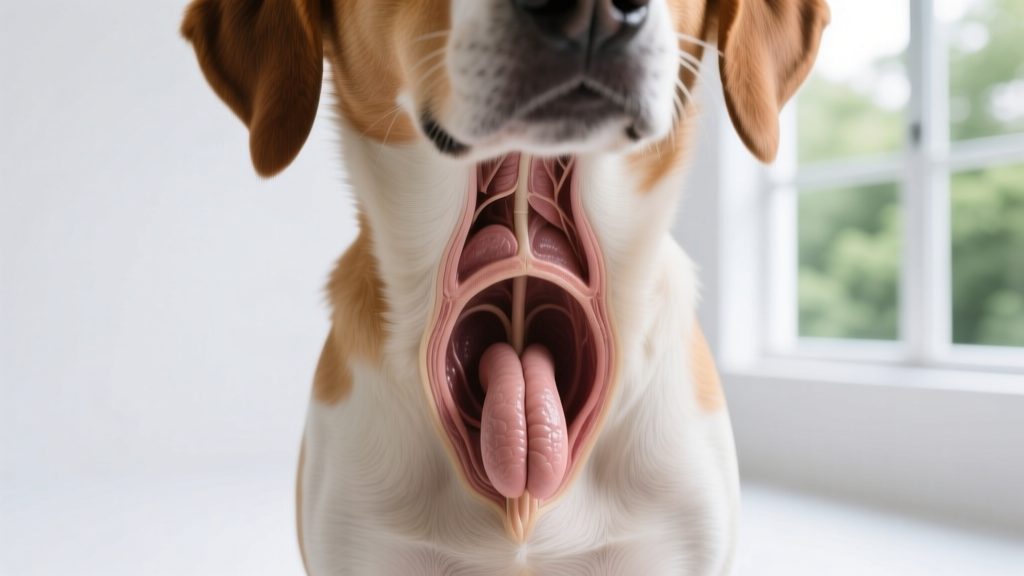
Quick Answer: What Is the Dog Vagina?
The dog vagina is the internal reproductive canal connecting the cervix to the vulva (the external structure most people mistakenly call the "vagina"). It serves as the birth canal during whelping, receives the male during mating, and is lined with specialized epithelial tissue that changes dramatically throughout the estrus cycle. The visible external structure is the vulva, which includes the clitoral fossa and labia. Understanding this distinction matters for recognizing normal discharge, identifying infections like vaginitis, and monitoring your dog's reproductive health.
Dog Vagina vs. Vulva: The Anatomy Most Owners Get Wrong
When dog owners say "my dog's vagina looks swollen," they're almost always observing the vulva — the external genitalia visible beneath the anus. This confusion isn't just semantic; it affects how you describe symptoms to your veterinarian and what conditions you should be watching for.
The canine female reproductive tract, from internal to external, consists of:
- Ovaries — produce eggs and reproductive hormones (estradiol, progesterone)
- Uterus — bicornuate (Y-shaped) structure where puppies develop; dogs have two uterine horns
- Cervix — muscular valve separating uterus from vagina; opens during estrus and whelping
- Vagina — muscular canal approximately 4-8 inches long depending on breed size; lined with stratified squamous epithelium
- Vestibule — shared passage for reproductive and urinary tracts
- Vulva — external lips (labia), clitoral fossa, and visible mucosal tissue
The vaginal lining is remarkable: during proestrus and estrus, estrogen causes the epithelial layers to thicken dramatically — from approximately 2-3 cell layers to 15-20 layers. This thickening, called cornification, is why vaginal cytology (swabbing cells and examining them under a microscope) is a reliable tool for determining optimal breeding timing.
The Estrus Cycle: How Hormones Transform Vaginal Tissue
The dog's reproductive cycle operates differently from the human menstrual cycle. Dogs are monoestrous — they cycle once or twice per year rather than monthly — and they do not shed a uterine lining if pregnancy doesn't occur. Instead, the endometrium is reabsorbed.
The four phases of the canine estrus cycle directly affect vaginal physiology:
| Phase | Duration | Hormone Profile | Vaginal Changes | Visible Signs |
|---|---|---|---|---|
| Proestrus | 7-10 days | Rising estrogen (peaks at 50-100 pg/mL) | Epithelial thickening begins; increased mucus production | Vulvar swelling; bloody vaginal discharge; male interest but female refuses mating |
| Estrus | 5-9 days | Estrogen drops; progesterone rises (LH surge triggers ovulation) | Maximum epithelial cornification (>90% superficial cells on cytology) | Discharge lightens to straw/pink; vulva softens; female stands for male (standing heat) |
| Diestrus | 60-90 days | Progesterone dominant (15-80 ng/mL whether pregnant or not) | Epithelium thins rapidly; mucus decreases; white blood cells appear on cytology | Discharge stops; vulva returns to normal size; female rejects males |
| Anestrus | 3-5 months | Low baseline hormones | Vaginal tissue at rest; thin epithelium (2-3 layers) | No external signs; reproductive tract quiescent |
According to the Merck Veterinary Manual, the entire cycle from proestrus through diestrus typically spans 6-7 months in most breeds, though this varies significantly. Basenjis and other primitive breeds may cycle only once annually, while smaller breeds can cycle every 4-5 months.
Evolutionary Context: Why Dogs Developed This Reproductive Pattern
Wolves and wild canids are seasonal monoestrous breeders — they cycle once per year, typically in late winter, so pups are born in spring when prey is abundant. Domestication has relaxed this seasonal constraint in most dog breeds, allowing year-round cycling, but the fundamental once-or-twice-yearly pattern persists.
The prolonged proestrus-estrus window (up to 3 weeks of fertility signaling) evolved because wild canids live in dispersed populations. Extended receptivity signaling maximizes the chance that a roaming male will encounter a receptive female. The vaginal cornification mechanism serves a protective function: the thickened epithelium shields delicate tissue during the copulatory tie, when the bulbus glandis swells and dogs remain physically locked for 5-45 minutes.
Another evolutionary adaptation: dogs are induced ovulators in some contexts, meaning the physical act of mating can stimulate additional LH release, though most dogs ovulate spontaneously during estrus. This dual mechanism increases reproductive success in the wild.
Common Vaginal Conditions: Vaginitis, Infections, and When to Worry
Vaginal health issues are among the most frequently misidentified problems in intact female dogs — and occasionally affect spayed dogs as well. Here's what you need to know about conditions affecting the canine vagina and vulva:
Vaginitis
Vaginitis (inflammation of the vaginal mucosa) occurs in two primary forms:
- Juvenile vaginitis — Extremely common in prepubertal puppies (8-16 weeks old). Presents as mild mucoid (white/yellow) discharge with no systemic illness. Studies estimate 20-30% of female puppies experience this. It typically resolves spontaneously after the first estrus cycle as vaginal tissue matures. Treatment is rarely needed; your vet may recommend gentle cleansing with dilute chlorhexidine solution if discharge is excessive.
- Adult-onset vaginitis — Less common and more likely to indicate an underlying cause: bacterial overgrowth, anatomical abnormalities (recessed vulva, strictures), urinary tract infection, or foreign material (grass awns are a surprising but documented culprit). Requires veterinary investigation including vaginal cytology, culture, and possibly vaginoscopy.
Pyometra — The Life-Threatening Emergency
While pyometra is technically a uterine infection, vaginal discharge is often the first sign owners notice. This condition affects approximately 23-24% of intact female dogs before age 10, according to research published in Theriogenology. It occurs during diestrus when progesterone causes the cervix to remain slightly open and the uterine lining to thicken, creating ideal conditions for bacterial infection (usually E. coli ascending from the vagina).
🚨 Emergency: Call Your Veterinarian Immediately If You Observe
- Foul-smelling, pus-like (yellow/green) vaginal discharge — especially 4-8 weeks after a heat cycle
- Excessive licking of the vulva combined with lethargy or fever (>103°F / 39.4°C)
- Abdominal distension with increased thirst and urination
- Vaginal bleeding in a spayed dog (this should never occur and may indicate ovarian remnant syndrome or a serious condition)
- Prolapsed tissue visible at the vulva — could be vaginal hyperplasia, polyp, or tumor
- Difficulty urinating alongside genital swelling
Open pyometra (where the cervix is open and discharge drains) has a surgical survival rate of approximately 90-95%. Closed pyometra (no drainage) is far more dangerous and can cause uterine rupture within hours.
Other Vaginal and Vulvar Conditions
| Condition | Signs | Most Common In | Treatment Approach |
|---|---|---|---|
| Vaginal hyperplasia/prolapse | Pink/red tissue mass protruding from vulva during estrus | Brachycephalic breeds (Boxers, Bulldogs, Mastiffs) | Usually resolves post-estrus; severe cases require surgical reduction or ovariohysterectomy |
| Recessed (hooded) vulva | Excess skin folds trapping moisture; chronic dermatitis and secondary UTIs | Overweight dogs; breeds with heavy skin folds | Weight management; topical cleansing; episioplasty surgery in severe cases ($800-$1,500) |
| Vaginal tumors | Mass, bleeding, straining to urinate or defecate | Older intact females (transmissible venereal tumors in younger dogs in endemic areas) | Surgical excision; TVT responds well to vincristine chemotherapy |
| Clitoral hypertrophy | Enlarged clitoris visible at vulva; may be mistaken for penile tissue | Dogs exposed to androgenic compounds; some idiopathic cases | Remove androgen source; surgical reduction if causing irritation |
Spaying and Vaginal Health: What Changes After Ovariohysterectomy
After a traditional spay (ovariohysterectomy), the ovaries and uterus are removed, but the vagina remains. This means spayed dogs can still develop vaginitis, though it's far less common. The vaginal epithelium becomes permanently thin (atrophic) due to the absence of estrogen, which actually reduces infection susceptibility in most cases.
However, approximately 5-20% of spayed dogs develop spay-related urinary incontinence (urethral sphincter mechanism incompetence). This isn't a vaginal problem per se, but owners sometimes confuse urine leakage with vaginal discharge. The distinction matters: incontinence typically occurs when the dog is lying down or sleeping, producing damp spots, while vaginal discharge is present regardless of position.
For owners considering spaying timing: research from UC Davis (Hart et al., 2020) suggests that early spaying (before 6 months) in certain large breeds may increase risks of joint disorders and some cancers, while leaving dogs intact increases pyometra and mammary tumor risk. Discuss breed-specific timing with your veterinarian — there is no one-size-fits-all recommendation.
Myths vs. Facts: Common Misconceptions About Dog Reproductive Anatomy
| Myth | Fact |
|---|---|
| "Dogs need to have one litter before being spayed" | No veterinary evidence supports this. Spaying before the first heat cycle reduces mammary cancer risk to approximately 0.5% compared to 26% in intact females (Merck Veterinary Manual). |
| "Vaginal discharge is always an infection" | Bloody discharge during proestrus is completely normal. Straw-colored discharge during estrus is normal. Only foul-smelling, purulent, or off-cycle discharge warrants concern. |
| "A spayed dog can't have vaginal problems" | Spayed dogs can develop vaginitis, vaginal tumors, vestibular issues, and urinary conditions affecting the vulvar area. |
| "The vulva and vagina are the same thing" | The vulva is external; the vagina is the internal canal. They have different tissue types, different conditions, and different examination methods. |
| "Dogs menstruate like humans" | Dogs do not shed their uterine lining. The bloody discharge during proestrus comes from uterine capillary diapedesis (blood cells passing through intact vessel walls), not endometrial shedding. |
Breed Variations in Reproductive Anatomy and Cycling
While the fundamental anatomy is consistent across breeds, several variations are worth knowing:
- Cycling frequency: Basenjis, Tibetan Mastiffs, and Australian Dingoes typically cycle once annually. Most small breeds (Chihuahuas, Toy Poodles) cycle every 4-6 months. Large and giant breeds (Great Danes, Saint Bernards) may cycle every 8-12 months.
- Vulvar conformation: Brachycephalic breeds and heavily wrinkled breeds (Shar-Peis, Bulldogs) are predisposed to recessed or hooded vulvas, creating moisture-trapping skin folds that promote chronic dermatitis and ascending infections.
- Vaginal prolapse risk: Boxers, English Bulldogs, Mastiffs, and Weimaraners have documented predispositions to vaginal hyperplasia and prolapse during estrus, likely due to exaggerated estrogen sensitivity in vaginal tissue.
- Litter size variation: Uterine horn length (and by extension, vaginal canal proportions) correlates with breed size. A Great Dane's reproductive tract is proportionally much larger than a Chihuahua's, which partly explains why giant breeds average 8-12 puppies while toy breeds average 1-4.
If you own a breed with known reproductive predispositions, discuss preventive strategies with your veterinarian — particularly if you plan to breed, which requires additional health testing and financial planning.
Practical Takeaways for Dog Owners
What This Means for Daily Life
- Track your intact dog's cycles: Note start dates, discharge character, and duration in a calendar. This helps your vet identify abnormalities and is essential if you're considering breeding. Most dogs cycle every 6-8 months; deviations of more than 4 weeks from her normal pattern warrant a vet visit.
- Hygiene during heat: Use dog-specific diapers (washable options like Paw Inspired cost $15-25 for a 3-pack; disposables run $20-35 for 12-16 count) to manage bloody discharge. Change every 4-6 hours to prevent bacterial growth. Clean the vulva gently with unscented pet wipes.
- Don't attempt internal cleaning: The vaginal canal is self-cleaning. Never insert anything into a dog's vagina or attempt to flush it at home. External vulvar cleaning with a damp cloth is sufficient.
- Know the pyometra window: The highest risk period is 4-8 weeks after a heat cycle ends. During this time, watch for increased water consumption, lethargy, appetite loss, or any vaginal discharge.
- Post-spay monitoring: After spaying, some mild clear discharge for 1-2 weeks is normal as residual hormones clear. Persistent discharge beyond 3 weeks should be evaluated.
Frequently Asked Questions
Is vaginal discharge normal in spayed dogs?
No. Any vaginal discharge in a spayed dog is abnormal and should be evaluated by a veterinarian. Possible causes include vaginal infection, urinary tract infection (which can appear as vulvar discharge), ovarian remnant syndrome (if ovarian tissue was incompletely removed), or vaginal tumors. Spayed dogs with discharge need vaginal cytology and possibly an abdominal ultrasound.
Can dogs get yeast infections in the vagina?
Yes, though less commonly than humans. Canine vaginal yeast infections (typically Malassezia species) are usually secondary to antibiotic use, immunosuppression, or underlying allergies. Signs include vulvar redness, excessive licking, and thick white discharge. Diagnosis requires fungal culture, and treatment typically involves topical antifungal therapy prescribed by your veterinarian.
How is the dog's reproductive cycle different from humans?
The differences are substantial. Humans have a ~28-day menstrual cycle with endometrial shedding (menstruation). Dogs have a ~6-7 month estrous cycle with no endometrial shedding. Humans are spontaneously ovulating and continuously receptive; dogs ovulate during estrus and are only receptive during standing heat. Human vaginal pH is acidic (~3.8-4.5); canine vaginal pH during estrus is closer to neutral (~7.0-7.5), which is why dogs are more susceptible to ascending bacterial infections during heat.
What does it mean when my dog licks her vulva excessively?
Occasional grooming is normal. Excessive licking (more than brief cleaning sessions) signals irritation, which could indicate: vaginitis, urinary tract infection, vulvar dermatitis, allergies, anal gland impaction (referred irritation), or vaginal foreign body. If licking persists beyond 24-48 hours, schedule a veterinary examination. Your vet will likely perform a urinalysis ($45-80), vaginal cytology ($30-60), and possibly a culture ($60-120) to identify the cause.
Is vaginal prolapse in dogs an emergency?
It depends on severity. Mild vaginal hyperplasia (slight tissue swelling during estrus) often resolves on its own when estrogen levels drop. However, a true prolapse — where a large mass of tissue protrudes and cannot retract — is urgent. The exposed tissue can become necrotic, and the dog may be unable to urinate. Seek veterinary care within 12-24 hours. Emergency treatment may involve manual reduction under sedation ($200-500) or surgical intervention.
When to Consult Your Veterinarian
Reproductive health is not an area for home diagnosis. Always consult your veterinarian if you observe:
- Any vaginal discharge in a spayed dog
- Foul-smelling or purulent discharge in an intact dog
- Discharge accompanied by lethargy, fever, vomiting, or increased thirst
- Tissue protruding from the vulva
- Bleeding that continues beyond 3 weeks of a heat cycle
- Signs of pain when urinating or defecating
- A missed heat cycle in a dog who previously cycled regularly
Your veterinarian can perform vaginal cytology, cultures, ultrasound, and vaginoscopy to diagnose conditions accurately. For complex reproductive cases, ask for a referral to a veterinary theriogenologist (reproductive specialist).
Sources & Further Reading
- Merck Veterinary Manual — Estrous Cycle and Ovulation in Dogs
- Hart, B.L. et al. (2020). "Assisting Decision-Making on Age of Neutering for 35 Breeds of Dogs." Frontiers in Veterinary Science.
- Hagman, R. (2017). "Pyometra in Small Animals." Veterinary Clinics of North America: Small Animal Practice.
- American Kennel Club — Pyometra in Dogs: Symptoms, Treatment, and Prevention
Priya Sutaria
All our authors care for dogs every day — read more of their work on the authors page.


