The Dog Vagus Nerve: How It Controls Calm, Stress, and Digestion
Discover how the dog vagus nerve regulates stress, digestion, and heart rate—and what the science means for your dog's daily wellbeing and training.

What Exactly Is the Dog Vagus Nerve?
The vagus nerve (cranial nerve X) is a paired nerve that originates in the medulla oblongata—the lower portion of the brainstem—and wanders through the body, branching into virtually every major organ system. The name "vagus" comes from the Latin word for "wandering," and that's precisely what this nerve does. In dogs, as in all mammals, the vagus nerve carries roughly 80% afferent (sensory) fibers sending information from the body to the brain, and about 20% efferent (motor) fibers sending commands from the brain to the organs.
This sensory-dominant ratio is a critical detail that many owners miss. It means your dog's gut, heart, and lungs are constantly reporting their status to the brain via the vagus nerve. This is why gastrointestinal distress can trigger behavioral changes—vomiting, lethargy, or irritability—long before you notice anything physically wrong. The gut is literally talking to the brain through this nerve.
According to the Merck Veterinary Manual, the autonomic nervous system—of which the vagus nerve is the primary parasympathetic component—regulates all involuntary functions including heart rate, bronchial constriction, gastrointestinal motility, and glandular secretion. In practical terms, the vagus nerve is your dog's built-in calming mechanism.
The Evolutionary Basis: Why Wolves Needed a Vagal Brake
This evolutionary heritage explains a lot about modern dog behavior. When your dog explodes with energy at the sight of a squirrel, then flops down for a nap twenty minutes later, you're watching a well-functioning vagal brake in action. Dogs with poor vagal tone—the measure of how effectively the vagus nerve modulates heart rate—tend to stay in heightened arousal states longer, take more time to settle after stressful events, and may develop chronic stress-related behaviors.
Domestication likely selected for enhanced vagal function. A 2016 study published in Biology Letters found that dogs show increased vagal activation in the presence of their owners compared to strangers, suggesting that the human-dog bond itself may have co-evolved with vagal regulation pathways. This is one reason why your physical presence can literally calm your dog's heart rate.
Physiological Mechanism: How the Vagus Nerve Works in Your Dog's Body
- Stimulus detected: Sensory receptors in the gut wall, heart, lungs, or larynx detect changes (stretch, chemical signals, pressure).
- Afferent transmission: The vagus nerve carries this sensory information upward through the neck and into the nucleus tractus solitarius (NTS) in the brainstem.
- Central processing: The NTS relays signals to the hypothalamus, amygdala, and prefrontal cortex—regions governing emotion, stress response, and autonomic regulation.
- Efferent response: The brain sends motor commands back down the vagus nerve to target organs.
- Organ response: The heart slows (via acetylcholine release at the sinoatrial node), digestive secretions increase, bronchial passages constrict slightly, and inflammatory cytokines are suppressed through the cholinergic anti-inflammatory pathway.
The cholinergic anti-inflammatory pathway is particularly important for dog owners to understand. Research published in Nature Reviews Immunology has demonstrated that vagus nerve stimulation suppresses the production of tumor necrosis factor (TNF) and other pro-inflammatory cytokines. In dogs with chronic inflammatory conditions—atopic dermatitis, inflammatory bowel disease, or osteoarthritis—vagal tone may play a direct role in modulating disease severity.
Heart rate variability (HRV) is the most accessible measure of vagal tone. A dog with high HRV shows healthy beat-to-beat variation in heart rate, indicating strong vagal modulation. Low HRV correlates with chronic stress, anxiety disorders, and poor recovery from exercise. Veterinary cardiologists increasingly use HRV as a biomarker for overall autonomic health in working and athletic dogs.
| Body System | Vagal Action | What You Observe |
|---|---|---|
| Cardiovascular | Slows heart rate via SA node inhibition | Calm resting heart rate (60-140 bpm depending on breed size); rapid recovery post-exercise |
| Gastrointestinal | Stimulates peristalsis, gastric acid, and enzyme secretion | Regular bowel movements, good appetite, efficient nutrient absorption |
| Respiratory | Modulates bronchial tone and cough reflex | Normal breathing at rest; protective cough when needed |
| Immune | Suppresses pro-inflammatory cytokines (TNF, IL-6) | Reduced allergic reactivity, faster resolution of inflammation |
| Behavioral | Modulates amygdala reactivity via NTS pathway | Ability to settle after stress, lower baseline anxiety, better social engagement |
Practical Implications: What Vagal Science Means for Daily Life With Your Dog
- Slow, rhythmic petting along the neck and chest can stimulate vagal afferents. Research in Applied Animal Behaviour Science found that slow stroking at approximately 10-15 strokes per minute lowered canine heart rate by an average of 6-10 bpm within 5 minutes.
- Long, slow exhalations matter. Dogs naturally regulate vagal tone through breathing patterns. Panting is sympathetic; slow nasal breathing is parasympathetic. After intense exercise, allow your dog to cool down gradually rather than crating immediately—this gives the vagal brake time to engage.
- Mealtime environment directly affects digestion via vagal pathways. A stressed dog eating in a chaotic kitchen will have suppressed gastric motility compared to a relaxed dog eating in a quiet space. If your dog has chronic digestive issues, evaluate mealtime stress before changing food.
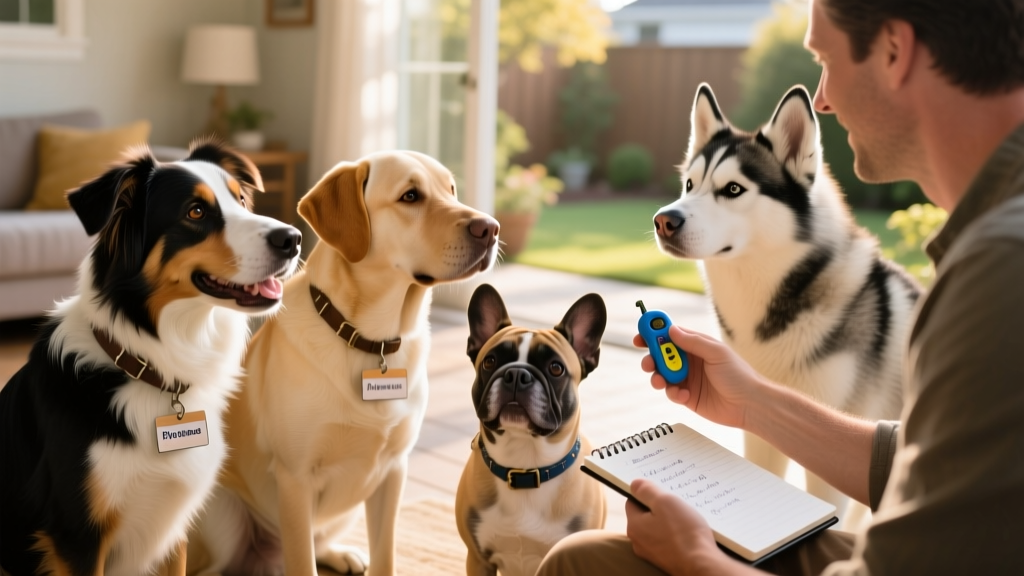
- Positive reinforcement training builds vagal tone over time. Reward-based training creates predictable, low-stress learning environments that strengthen parasympathetic resilience. Force-free methods aren't just ethically sound—they're physiologically supportive.
- Ear and throat massage can gently stimulate vagal branches. The auricular branch of the vagus nerve surfaces near the base of the ear in dogs. Gentle circular massage in this area for 2-3 minutes may promote calming—useful before vet visits or grooming sessions.
For dogs with anxiety disorders—separation anxiety, noise phobia, or leash reactivity—understanding vagal function reframes the problem. These dogs aren't "stubborn" or "defiant." They often have underdeveloped vagal braking capacity, meaning their nervous systems literally cannot downshift from arousal as efficiently. Treatment should address both the behavioral and the physiological components. Working with a certified fear-free trainer or veterinary behaviorist who understands autonomic nervous system function can make a meaningful difference.
Environmental enrichment also plays a measurable role. A 2023 study in Frontiers in Veterinary Science found that dogs provided with daily sniffing opportunities (scent work, snuffle mats, decompression walks on long lines in nature) showed improved HRV metrics within 4 weeks compared to dogs walked only on-leash in urban environments. Sniffing is a naturally calming, vagal-activating behavior for dogs.
Common Misconceptions About the Dog Vagus Nerve
| Myth | Fact |
|---|---|
| "Vagus nerve stimulation devices designed for humans work the same way on dogs." | Canine vagal anatomy differs significantly. The cervical vagus nerve in dogs is proportionally thicker relative to body size and branches differently at the larynx. Human TENS/VNS devices should never be used on dogs without direct veterinary oversight. Incorrect placement can cause bradycardia (dangerously slow heart rate) or laryngeal paralysis. |
| "If my dog is anxious, their vagus nerve must be damaged." | Anxiety is multifactorial. Many anxious dogs have structurally intact vagus nerves but low vagal tone—a functional measure, not a structural one. Vagal tone can be improved through environmental modification, consistent routines, positive reinforcement training, and in some cases, veterinary-prescribed supplements or medications. |
| "Vomiting always means a vagus nerve problem." | While the vagus nerve controls the vomiting reflex via its efferent fibers to the stomach and diaphragm, most vomiting in dogs is caused by dietary indiscretion, infections, foreign bodies, or metabolic disease—not primary vagal dysfunction. Persistent vomiting always warrants veterinary investigation. |
| "Dogs experience 'vagal fainting' the same way humans do." | Vasovagal syncope (fainting triggered by vagal overstimulation) does occur in dogs, but it's relatively rare and most commonly associated with severe bradycardia in older, small-breed dogs with underlying cardiac disease. If your dog collapses, this is always a veterinary emergency—not something to manage at home. |
Breed Variations in Vagal Function and Autonomic Tone
Vagal tone and autonomic nervous system balance vary meaningfully across breeds, largely due to selective breeding for specific working styles. Understanding these differences helps set realistic expectations for your dog's stress recovery and calmness capacity.
- Brachycephalic breeds (French Bulldogs, Pugs, English Bulldogs) face unique vagal challenges. Brachycephalic obstructive airway syndrome (BOAS) creates chronic respiratory resistance, which alters the normal vagal feedback loop between lungs and brainstem. These dogs often show chronically elevated sympathetic tone—meaning they may appear restless, snore heavily, and have poor exercise recovery. Surgical correction of elongated soft palates and stenotic nares can improve vagal function indirectly by normalizing airway resistance.
- Sighthounds (Greyhounds, Whippets, Salukis) typically exhibit very high resting vagal tone, reflected in their characteristically low resting heart rates (sometimes 50-60 bpm in large sighthounds versus the typical 60-100 bpm for large breeds). This is a normal breed trait, not pathology—but it means veterinarians must use breed-specific reference ranges when evaluating cardiac function.
- Working and herding breeds (Border Collies, Belgian Malinois, German Shepherds) are often selected for high sympathetic drive—the ability to sustain intense arousal during work. Without adequate off-switch training and decompression time, these dogs can develop chronically suppressed vagal tone, leading to stress-related gastrointestinal issues, poor sleep quality, and difficulty settling in the home environment.
- Toy and companion breeds (Cavalier King Charles Spaniels, Bichon Frises) tend to have moderate-to-high vagal tone but are predisposed to vagally-mediated cardiac conditions. In Cavaliers, mitral valve disease can trigger excessive vagal reflexes, sometimes causing coughing or fainting episodes that owners mistake for seizures.
When Vagal Dysfunction Might Signal a Problem
- Sudden collapse or fainting episodes (especially during or after excitement)
- Resting heart rate consistently above 160 bpm in a calm, large-breed dog or above 180 bpm in a calm, small-breed dog
- Chronic regurgitation (bringing up undigested food without abdominal effort)—this may indicate megaesophagus, a condition involving vagal nerve damage to the esophagus
- Persistent laryngeal paralysis (noisy breathing, voice change, exercise intolerance)—the recurrent laryngeal nerve is a branch of the vagus nerve
- Inability to settle or sleep through the night for more than 2-3 consecutive nights without an identifiable environmental cause
- Chronic diarrhea or constipation with no dietary or infectious explanation—vagal neuropathy can impair GI motility
Always consult your veterinarian for proper diagnosis. Vagal dysfunction can mimic or co-occur with cardiac disease, neurological disorders, and metabolic conditions. Diagnostic workup may include thoracic radiographs ($200-$450), echocardiogram ($350-$700), Holter monitoring ($250-$500), and neurological examination.
Megaesophagus deserves special attention here. This condition—where the esophagus loses its ability to move food to the stomach due to vagal nerve impairment—can be congenital (seen in breeds like Great Danes, Irish Setters, and German Shepherds) or acquired secondary to diseases like myasthenia gravis, hypothyroidism, or dysautonomia. Dogs with megaesophagus require lifelong management: upright feeding in a Bailey chair, multiple small meals of a specific consistency (often a blended slurry), and careful monitoring for aspiration pneumonia. The prognosis varies significantly depending on the underlying cause.
How Is the Dog Vagus Nerve Different From the Human Vagus Nerve?
While the fundamental anatomy and function are conserved across mammals, several key differences affect how we should interpret and respond to vagal signals in dogs:
- Vocalization pathway: The recurrent laryngeal nerve (a vagal branch) controls the larynx in both species. But dogs use a wider range of laryngeal modulation for communication—growls, whines, barks, and howls each require different vagal motor patterns. Humans primarily use the vagus nerve for speech. This means laryngeal paralysis in dogs affects not just breathing but their entire communicative repertoire.
- Heart rate baseline: A human resting heart rate of 60-100 bpm is normal. Dogs range from approximately 60 bpm (large sighthounds) to 180 bpm (toy breeds like Chihuahuas). Vagal modulation operates across this wider range, making breed-specific baselines essential for clinical interpretation.
- Gut-brain axis sensitivity: Dogs have a shorter, faster GI transit time (typically 8-10 hours versus 24-72 hours in humans). This means vagal afferent signals from the gut reach the brain more rapidly. Dietary changes or GI upset can trigger behavioral changes within hours in dogs—a timeline that surprises many owners.
- Social co-regulation: Research from the ASPCA-cited behavioral literature shows that dogs exhibit measurable vagal synchrony with their owners during calm physical contact—a phenomenon called interpersonal physiological synchrony. This effect is stronger in dogs with secure attachment bonds to their owners, and it's one reason why therapy dogs experience mutual stress reduction with the humans they visit.
Frequently Asked Questions
Why does my dog seem calmer when I breathe slowly next to them?
Dogs are highly attuned to human respiratory patterns through auditory and visual cues. When you breathe slowly and deeply, you activate your own vagus nerve, which changes your body language, muscle tension, and even your scent profile (cortisol levels in breath and sweat shift). Your dog reads these micro-signals and their own vagal system responds in kind—a co-regulation loop. This is not anthropomorphism; it's measurable physiological synchrony documented in peer-reviewed studies.
Can I improve my dog's vagal tone at home?
Yes, through consistent, low-cost practices: daily decompression walks on a 15-30 foot long line in natural settings (15-30 minutes minimum), slow rhythmic petting along the neck and chest for 5-10 minutes daily, predictable feeding and walking schedules (predictability reduces sympathetic load), and positive reinforcement training sessions of 5-15 minutes that end on a success. These are not instant fixes—vagal tone builds over weeks to months, much like cardiovascular fitness.
Is vomiting after eating too fast a vagus nerve issue?
Rapid eating followed by regurgitation is usually a mechanical problem—food is swallowed before adequate chewing, triggering esophageal stretch receptors. While the vagus nerve mediates the esophageal response, this is normal vagal function, not dysfunction. Solutions include slow-feeder bowls ($8-$25), snuffle mats, or spreading kibble on a flat baking sheet. If regurgitation occurs without rapid eating, or if your dog loses weight despite eating normally, consult your veterinarian to rule out megaesophagus or other vagal neuropathies.
Does spaying or neutering affect vagal function?
There is no direct evidence that gonadectomy damages the vagus nerve. However, the hormonal changes following spay/neuter can alter autonomic nervous system balance indirectly. Sex hormones (estrogen and testosterone) modulate vagal tone in mammals. Post-gonadectomy weight gain—a common issue—can also reduce HRV by increasing cardiac workload. Maintaining your dog at an ideal body condition score (BCS 4-5 on a 9-point scale) is the most effective way to support healthy vagal function regardless of reproductive status.
Are there supplements that support vagal health in dogs?
Omega-3 fatty acids (EPA and DHA) have documented effects on HRV and vagal tone in both human and canine research. A typical therapeutic dose is 50-100 mg combined EPA/DHA per kg of body weight daily, sourced from a high-quality fish oil product with verified purity testing. L-theanine (found in products like Virbac Anxitane, approximately $30-$45 for a 30-day supply for a medium dog) may support parasympathetic function through GABAergic pathways that interact with vagal circuits. Always discuss supplement protocols with your veterinarian before starting, especially if your dog takes other medications.
Related Behaviors and Abilities Connected to Vagal Function
The vagus nerve doesn't operate in isolation. It's deeply interconnected with several other canine capacities and behaviors that owners frequently observe:
- Social referencing: Your dog's ability to look at you for emotional cues in uncertain situations relies partly on vagal-mediated facial muscle control and the capacity to shift attention between threat assessment and social engagement. Dogs with strong vagal tone social-reference more readily.
- Shake-off behavior: When your dog shakes their entire body after a stressful encounter (vet visit, dog-dog interaction), they're engaging a somatic reset mechanism that involves vagal recalibration. This full-body shake releases muscular tension and signals the autonomic nervous system to return to baseline. It's normal, healthy, and should never be interrupted.
- Sighing and groaning when settling: These audible exhalations are vagal activation in real-time. The long exhale stimulates vagal afferents in the lungs and diaphragm, triggering parasympathetic downshift. If your dog sighs when lying down, they're self-regulating effectively.
- Play bows: The play bow is a polyvagal signal—it communicates "what follows is not a threat" by displaying vulnerability (lowered front body). Dogs with healthy vagal function use play bows frequently and accurately during social interactions. Dogs with poor vagal tone may skip play signaling and escalate to reactive behavior more quickly.
Understanding the dog vagus nerve transforms how you interpret your dog's behavior. That post-walk flop on the couch isn't laziness—it's a healthy vagal brake engaging. That nervous stomach before a car ride isn't drama—it's sympathetic override suppressing vagal digestive function. And that deep sigh when your dog curls up beside you is, quite literally, their nervous system saying: I'm safe, and I know it.
Marcus Aldridge
All our authors care for dogs every day — read more of their work on the authors page.