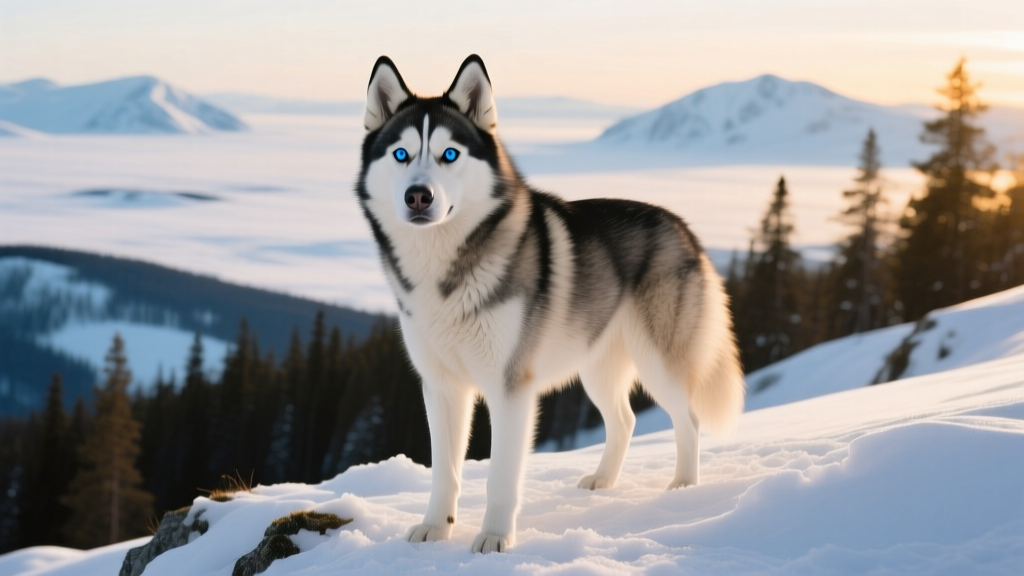
The Rare Irish Wolfhound x Scottish Deerhound Mix
Explore the wolfhound deerhound cross — a rare giant sighthound blend. Learn about temperament, health risks, costs, and whether this mix fits your home.

If you've spent any time researching giant sighthounds, you've likely encountered the wolfhound deerhound — a designer cross between two of the tallest dog breeds on Earth: the Irish Wolfhound and the Scottish Deerhound. This isn't a breed you'll stumble across at your local shelter, and it's certainly not one that appears in any major kennel club registry. But for the small community of owners who deliberately seek out this cross, the wolfhound deerhound represents a fascinating blend of two ancient Celtic hunting dogs, each with centuries of specialized purpose behind them.
Before we get into the specifics, let's be direct: this cross is rare. Most giant sighthound enthusiasts stick to one purebred or the other, and intentional wolfhound deerhound breedings are uncommon enough that prospective owners often spend months — sometimes over a year — locating a litter. That rarity means information is scattered and sometimes contradictory. This guide pulls together what we know from breed clubs, veterinary literature, and the owners who live with these dogs daily.
Two Ancient Lines: Where the Wolfhound and Deerhound Come From
To understand what you're getting in a wolfhound deerhound cross, you need to understand the two breeds that produce it. Both originated in the Celtic regions of the British Isles, and both were bred for the same fundamental purpose — coursing large game by sight — but their histories diverged in important ways.
Origin Timeline
- ~391 AD: Roman records reference large Irish hunting dogs (probable wolfhound ancestors) used in arena combat and war
- 15th–16th century: Irish Wolfhounds are systematically used to hunt wolves and elk across Ireland; Scottish Deerhounds (then called "Irish Grey Dogs") hunt red deer in the Scottish Highlands
- 1700s: Wolf populations decline in Ireland and Britain; both breeds face near-extinction as their original quarry disappears
- 1860s–1880s: Captain George Augustus Graham leads the Irish Wolfhound revival, reportedly incorporating Scottish Deerhound bloodlines into his breeding program — meaning these breeds have been cross-pollinated before
- 1886: Scottish Deerhound recognized by the AKC
- 1897: Irish Wolfhound recognized by the AKC
- Late 1990s–2000s: Designer/mixed-breed trend produces occasional intentional wolfhound deerhound crosses, though no registry formally recognizes the combination
The Irish Wolfhound was, as the name implies, built to hunt wolves — a pursuit requiring explosive speed, immense power, and the ability to grapple with prey larger than itself. They were war dogs before they were hunting dogs, and that legacy of courage and physicality is still visible in the modern breed.
The Scottish Deerhound was built for endurance coursing of red deer across rugged Highland terrain. Where the Wolfhound is a sprinter-wrestler, the Deerhound is a distance runner — lighter-boned, more aerodynamic, and built to sustain a chase over miles of moorland rather than overpower prey in a single burst.
This distinction matters enormously when you're looking at the cross. A wolfhound deerhound puppy could lean heavily toward either parent's working style, and that affects everything from exercise needs to prey drive expression.
What Does a Wolfhound Deerhound Actually Look Like?
Because this is a first-generation (F1) cross with no standardized breed type, appearance varies considerably even within a single litter. That said, certain traits tend to appear consistently.
| Trait | Typical Range |
|---|---|
| Weight (male) | 95–140 lb / 43–64 kg |
| Weight (female) | 80–115 lb / 36–52 kg |
| Height (at shoulder) | 28–33 inches / 71–84 cm |
| Lifespan | 6–9 years (occasionally 10) |
| Coat type | Wiry to shaggy; moderate length; may show Deerhound-type furnishings (beard, eyebrows) or Wolfhound-type softer texture |
| Colors | Grey, brindle, wheaten, fawn, red, black, white-marked variants |
| Energy level | Moderate — bursts of sprinting followed by long rest periods |
| Grooming needs | Moderate — weekly brushing, hand-stripping 2–4 times/year if coat leans Deerhound |
| Family fit | Good with respectful children; not ideal for toddlers due to sheer size |
The most distinctive physical feature setting this cross apart from other giant breeds is the combination of a deep, narrow chest with a pronounced tuck-up at the loin — the classic sighthound silhouette, but at a scale that makes it unmistakable. The topline typically shows a gentle arch, and the tail is long, carried low with a slight curve. Ears are usually rose-shaped or semi-erect, folding back along the skull.
One practical note: because coat texture varies between the softer Wolfhound-type and the harsher Deerhound-type wiry coat, you won't know your puppy's adult grooming requirements until the coat matures around 12–18 months.
Temperament: What Surprises New Owners
Most people who bring home a wolfhound deerhound expect a laid-back couch dog — and they get one, eventually. What surprises them is the intensity of the prey drive and the emotional sensitivity that comes packaged inside that enormous frame.
The Prey Drive Reality
Both parent breeds are sighthounds, meaning they are hardwired to chase anything that runs. This isn't a training problem you can fully eliminate — it's neurology. A wolfhound deerhound that spots a deer, rabbit, or even a fast-moving cyclist at 200 yards will react. Off-leash freedom should only be granted in fully fenced areas or after extensive recall training in low-distraction environments. Many experienced sighthound owners use GPS tracking collars (such as the Garmin Alpha 300 or Tractive GPS DOG 4) as a safety layer during off-leash time in open fields.
The Sensitivity Factor
What catches first-time giant sighthound owners off guard is how emotionally attuned these dogs are. Wolfhound deerhounds tend to bond deeply with their primary person and can develop separation distress if left alone for extended periods (more than 4–5 hours regularly). They respond poorly to harsh corrections — a raised voice is often enough to shut a wolfhound deerhound down entirely. Training must be built on positive reinforcement and force-free methods; aversive tools like shock collars or prong collars are both ineffective and damaging with this temperament type.
The "Gentle Giant" Isn't Always Gentle With Space
These dogs don't seem to realize how large they are. A wolfhound deerhound that wants to greet you will lean its full 120 pounds against your legs. One that stretches out on the sofa will occupy the entire three-seat piece of furniture. Owners consistently report that the biggest daily challenge isn't exercise — it's managing a dog that occupies physical space like a small pony but has the spatial awareness of a lapdog.
Health Concerns: What the Data Tells Us
Giant breeds carry specific health risks, and the wolfhound deerhound inherits predispositions from both parent lines. While hybrid vigor (the theory that mixed-breed dogs have fewer inherited conditions) is sometimes cited as a benefit of crossbreeding, the evidence is limited for giant breeds where both parents share similar genetic vulnerabilities. Always consult your veterinarian about breed-appropriate screening protocols.
| Condition | Estimated Prevalence | Screening Method | Typical Cost Range |
|---|---|---|---|
| Dilated Cardiomyopathy (DCM) | ~25–40% in Irish Wolfhounds by age 8 (parent breed data) | Annual echocardiogram + Holter monitor | $400–$800 per screening |
| Osteosarcoma (bone cancer) | Significantly elevated vs. general population; leading cause of death in both parent breeds | X-ray if lameness persists >48 hours | $200–$500 diagnostic; $3,000–$8,000+ treatment |
| Gastric Dilatation-Volvulus (bloat/GDV) | High risk — deep-chested giant breed | Emergency presentation; prophylactic gastropexy available ($300–$800 at time of spay/neuter) | $3,000–$7,000 emergency surgery |
| Hip Dysplasia | ~15–20% (based on OFA parent breed data) | OFA/PennHIP evaluation at 24 months | $200–$400 evaluation |
| Portosystemic Shunt (liver shunt) | Low but documented in Irish Wolfhounds | Bile acids test at 8–12 weeks | $150–$300 test; $3,000–$6,000 surgical correction |
Bloat Warning: Know the Signs
Gastric dilatation-volvulus (GDV) is a life-threatening emergency common in deep-chested breeds. If your wolfhound deerhound shows a distended abdomen, unproductive retching (trying to vomit but nothing comes up), restlessness, or pale gums, go to an emergency veterinary clinic immediately. Do not wait. Survival drops significantly with each hour of delay.
Ask your vet about prophylactic gastropexy — a preventive surgery that tacks the stomach to the abdominal wall, dramatically reducing the risk of the stomach twisting. Many owners schedule this at the time of spay or neuter.
Recommended Screening Schedule
- 8–12 weeks: Bile acids test (liver shunt screening)
- 12 months: Baseline cardiac evaluation (echocardiogram)
- 24 months: OFA hip evaluation + annual cardiac re-check
- 3 years and annually: Echocardiogram + Holter monitor for DCM screening
- Any persistent lameness (>48 hours): Immediate X-ray to rule out osteosarcoma
Care Requirements: What's Different About This Cross
Owning a wolfhound deerhound isn't like owning a Labrador or a Golden Retriever scaled up. These dogs have specific care needs that stem from their sighthound physiology and giant-breed growth patterns.
Exercise: Less Than You Think, But Specific
Adult wolfhound deerhounds typically need 45–90 minutes of daily exercise, but the type matters more than the duration. Long, steady walks are fine, but these dogs thrive with access to a securely fenced area (minimum 6-foot fence — they can clear lower fencing when motivated) where they can sprint freely 2–3 times per week. A tired sighthound is a good sighthound, but "tired" for this cross means one good gallop session, not three hours of hiking.
Critical for puppies: Giant breeds should NOT be exercised on hard surfaces (concrete, asphalt) or forced to run until growth plates close at approximately 18–24 months. Controlled free play on grass or dirt is ideal. Structured running, agility, or jumping before skeletal maturity increases the risk of developmental orthopedic disease.
Nutrition: Giant-Breed Specifics
Feed a diet formulated for giant-breed growth (for puppies) or giant-breed adult maintenance. Look for an AAFCO statement of nutritional adequacy on the label. Key targets:
- Protein: 22–28% minimum (adult maintenance)
- Fat: 12–18%
- Calcium: 1.0–1.5% (critical for controlled growth in puppies)
- Caloric density: Moderate — overfeeding giant puppies accelerates growth and increases orthopedic risk
Many wolfhound deerhound owners feed 5–8 cups of high-quality kibble daily for an adult, split into two meals (never one large meal, which increases bloat risk). Avoid elevated food bowls — research has linked raised feeders to increased GDV incidence in giant breeds.
Grooming
Coat care depends on which parent's coat your dog inherits:
- Deerhound-type wiry coat: Hand-stripping or professional grooming 2–4 times per year; weekly brushing with a slicker brush and undercoat rake
- Wolfhound-type softer coat: Weekly brushing with a pin brush; less frequent professional grooming but more prone to matting behind ears and at the elbows
Both coat types benefit from regular attention to the furnishings (the longer hair on the legs, belly, and face), which collects debris, burrs, and ice balls in winter.
How Does the Wolfhound Deerhound Compare to Similar Breeds?
If you're considering this cross, you're likely also looking at the parent breeds or other giant sighthounds. Here's how they stack up on the traits that matter most to owners.
| Trait | Wolfhound Deerhound (F1) | Irish Wolfhound | Scottish Deerhound |
|---|---|---|---|
| Height | 28–33 in / 71–84 cm | 32–35+ in / 81–89+ cm (AKC minimum 30 in) | 28–32 in / 71–81 cm |
| Weight | 80–140 lb / 36–64 kg | 120–180 lb / 54–82 kg | 75–110 lb / 34–50 kg |
| Lifespan | 6–9 years | 6–8 years | 8–11 years |
| Energy | Moderate | Low–Moderate | Moderate–High |
| Trainability | Moderate — independent thinker | Moderate — willing but slow to mature | Moderate — can be aloof |
| Stranger friendliness | Varies — often reserved initially | Generally friendly | Dignified/reserved |
| Coat maintenance | Moderate | Low–Moderate | Moderate–High |
The wolfhound deerhound typically falls between its parents in size and energy. Owners who want something slightly smaller and potentially longer-lived than a pure Wolfhound, but with more substance and a softer temperament than a pure Deerhound, often find the cross hits a sweet spot. The trade-off is predictability — with purebreds, you know what you're getting; with the cross, there's more variation.
Finding a Wolfhound Deerhound: Availability, Cost, and Red Flags
This is where prospective owners encounter the biggest challenge. The wolfhound deerhound is not a mainstream designer breed like a Labradoodle or Goldendoodle. There are no dedicated breed clubs, no registry recognition, and very few breeders who produce these crosses intentionally and repeatedly.
Where to Look
- Sighthound rescue networks: Occasionally, wolfhound deerhound mixes appear in rescue through AKC Rescue Network affiliates or breed-specific sighthound rescues. These dogs are typically owner surrenders due to lifestyle mismatches.
- Breeder referrals through parent-breed clubs: Contact the Irish Wolfhound Club of America or the Scottish Deerhound Club of America. While these organizations focus on purebreds, members sometimes know of planned crosses or can direct you to reputable sources.
- Small-scale hobby breeders: A handful of breeders in the US and UK produce F1 wolfhound deerhound litters, usually one or two per year at most. Expect waitlists of 6–18 months.
Cost Breakdown
| Expense | Estimated Range |
|---|---|
| Puppy purchase price | $1,500–$3,500 (from health-tested parents) |
| First-year veterinary care (vaccines, spay/neuter, screenings) | $1,200–$2,500 |
| Annual food budget | $1,500–$2,800 |
| Annual cardiac screening | $400–$800 |
| Pet insurance (giant breed, monthly) | $80–$180/month |
| Estimated first-year total | $5,600–$11,400 |
Red Flags to Watch For
- No health testing of parent dogs: Both parents should have current cardiac clearances (echocardiogram + Holter), OFA hip scores, and bile acids testing. If a breeder says "my dogs are healthy" without documentation, walk away.
- Multiple litters available simultaneously or year-round: Responsible breeders of giant breeds produce 1–2 litters per year maximum. Constant availability suggests a commercial operation.
- Prices significantly below $1,500: Health testing, giant-breed prenatal care, and proper puppy socialization are expensive. Low prices almost always mean corners were cut.
- No take-back clause: A reputable breeder will contractually require you to return the dog to them if you can no longer keep it, at any point in the dog's life.
- Claims of "rare breed" status or registry papers from unrecognized organizations: The wolfhound deerhound is not a recognized breed. Any breeder presenting it as one is misrepresenting what they sell.
Real Owner Insights: What It's Actually Like
We spoke with and surveyed owners in the sighthound community about their experiences with wolfhound deerhound crosses. Here's what they consistently report:
Energy level in the home: Most owners describe their wolfhound deerhound as "a rug that occasionally gets up to look out the window." Indoor energy is very low. These dogs sprawl, sigh, and sleep for 14–18 hours per day as adults. The couch-dog reputation is well-earned.
Exercise reality: A 30–45 minute walk plus access to a fenced yard for a few good sprints satisfies most adults. Puppies and adolescents (8–24 months) are considerably more active and need more structured mental stimulation — food puzzles, scent games, and short training sessions prevent destructive boredom.
Trainability quirks: Wolfhound deerhounds learn quickly but obey slowly. They understand what you want; they just evaluate whether it's worth doing. Owners report the best results with high-value food rewards (freeze-dried liver, chicken, cheese) and very short training sessions (5–10 minutes). Recall is the hardest behavior to proof reliably, and most owners never achieve off-leash reliability in unfenced areas with wildlife present.
With children: Generally excellent with children aged 8 and up who understand how to interact respectfully with a large dog. The risk with toddlers isn't aggression — it's accidental injury from a dog that weighs as much as the parent and doesn't watch where it puts its feet.
With other pets: Usually good with other dogs, especially if socialized early. Cat and small-animal cohabitation is risky due to prey drive — some individuals can learn to coexist with household cats, but introductions require careful management and the risk never fully disappears.
Lifestyle fit: These dogs do surprisingly well in apartments if the owner commits to daily walks and regular sprint sessions elsewhere. They're quiet indoors and not prone to barking. The bigger apartment challenge is physical space — a wolfhound deerhound lying in a hallway blocks the hallway. Homes with fenced yards are ideal but not mandatory for committed owners.
Frequently Asked Questions
Where did the wolfhound deerhound originate and what was it bred for?
The wolfhound deerhound isn't a breed with its own origin story — it's a modern cross between two ancient Celtic sighthounds. The Irish Wolfhound was bred in Ireland for wolf hunting and warfare, while the Scottish Deerhound was bred in the Scottish Highlands for red deer coursing. The cross itself emerged from the designer-dog trend of the late 1990s and 2000s, though the two breeds were occasionally interbred during the 19th-century Wolfhound revival.
How rare is the wolfhound deerhound today?
Very rare. There are no breed clubs, no registry recognition, and only a small number of intentional breedings each year in the United States and the UK. Most wolfhound deerhounds in rescue are accidental crosses or owner surrenders from people who underestimated the size and care requirements. Expect to search for 6–18 months to locate a puppy from health-tested parents.
What makes this cross different from similar-looking breeds?
The wolfhound deerhound occupies a middle ground between its parent breeds — typically smaller than a pure Irish Wolfhound but more substantial than a pure Scottish Deerhound. The coat is variable (wiry to shaggy), and temperament tends to blend the Wolfhound's outgoing friendliness with the Deerhound's dignified reserve. Compared to other giant breeds like the Great Dane or Leonberger, the wolfhound deerhound has significantly higher prey drive and a more independent problem-solving style.
Is this cross suitable for families or first-time dog owners?
Wolfhound deerhounds are generally gentle and patient, making them good family dogs for households with older children. However, they are not recommended for first-time owners. The combination of giant-breed health management, intense prey drive, emotional sensitivity, and the financial commitment of caring for a 100+ lb dog with a short lifespan requires prior dog ownership experience. First-time owners interested in giant breeds may be better served by a purebred Irish Wolfhound from a mentor-breeder who provides extensive guidance.
What special care does a wolfhound deerhound require?
Beyond standard giant-breed nutrition and controlled puppy exercise, the three care requirements that set this cross apart are: (1) annual cardiac screening starting at 12 months for DCM detection, (2) secure fencing of at least 6 feet to manage prey drive, and (3) proactive bloat prevention including two smaller meals per day, no exercise within one hour of eating, and discussion of prophylactic gastropexy with your veterinarian.
How much does a wolfhound deerhound typically cost?
Puppy prices range from $1,500 to $3,500 from breeders who health-test both parents. First-year total costs (purchase, veterinary care, food, insurance, supplies) typically fall between $5,600 and $11,400. Ongoing annual costs for food, insurance, and preventive veterinary care run $3,500–$6,000 per year. Emergency veterinary care for conditions like bloat or osteosarcoma can add $3,000–$15,000+ to any given year, making pet insurance or a dedicated emergency fund essential.
Beth Carrasco
All our authors care for dogs every day — read more of their work on the authors page.