Arctic Husky Dogs: Complete Siberian Husky Breed Guide for Owners
Everything about arctic husky dogs: temperament, exercise needs, health risks, grooming, costs, and whether a Siberian Husky fits your family lifestyle.
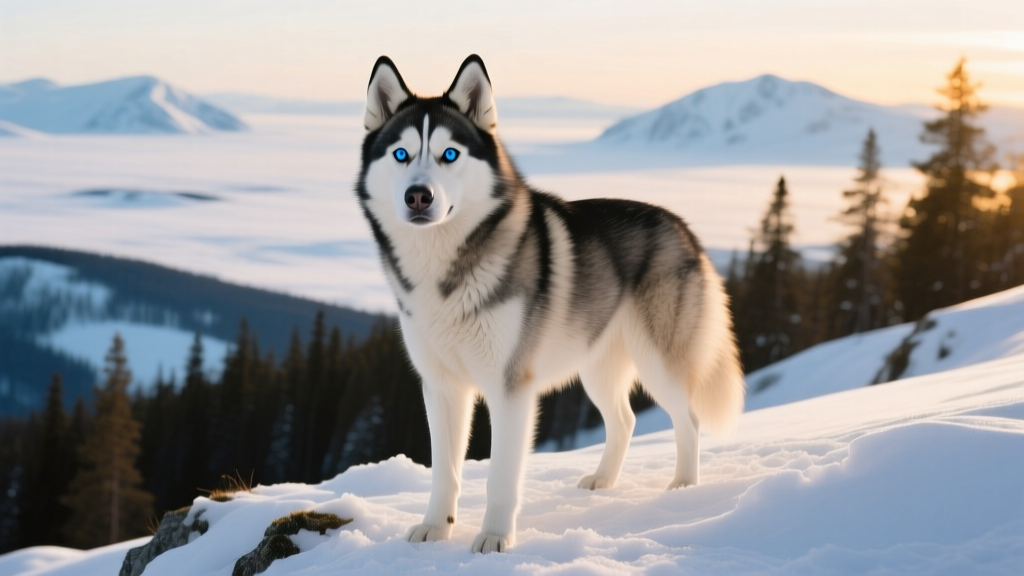
Arctic Husky Dogs at a Glance
When people search for "arctic husky dogs," they're almost always talking about the Siberian Husky — a medium-sized working breed developed by the Chukchi people of northeastern Siberia over 3,000 years ago. These dogs were built to pull sleds across frozen tundra at moderate speeds over vast distances, and that heritage shapes nearly everything about them today: their stamina, their independence, their prey drive, and their legendary ability to escape a fenced yard.
The Siberian Husky arrived in Alaska in 1908 for sled-dog racing and gained lasting fame during the 1925 serum run to Nome, when mushers like Leonhard Seppala and lead dog Balto delivered diphtheria antitoxin across 674 miles of brutal winter terrain. The American Kennel Club recognized the breed in 1930, and they've remained one of the most popular — and most frequently surrendered — breeds in the United States ever since.
| Attribute | Details |
|---|---|
| Size Class | Medium (working group) |
| Weight (Males) | 45–60 lb / 20–27 kg |
| Weight (Females) | 35–50 lb / 16–23 kg |
| Height (Males) | 21–23.5 in / 53–60 cm |
| Height (Females) | 20–22 in / 51–56 cm |
| Lifespan | 12–14 years |
| Coat Type | Double coat: dense undercoat + straight outer guard hairs |
| Energy Level | Very high — bred for endurance, not sprinting |
| Grooming Frequency | Weekly brushing; daily during biannual blowouts |
| Family Fit | Active households, experienced owners, homes with secure fencing |
Temperament & Personality: What Living With Arctic Husky Dogs Is Really Like
Siberian Huskies are not typical companion dogs. They're friendly, yes — but they're also independent thinkers who were bred to make decisions on their own across miles of featureless ice. Understanding their core traits will save you a lot of frustration.
1. Outgoing but not clingy. A Husky will greet visitors with enthusiasm and wag, but they rarely shadow one person around the house. They're pack-oriented and bond with the household, not a single individual. Don't expect the velcro-dog attachment you'd see in a German Shepherd or Vizsla.
2. High prey drive. This is non-negotiable in most Huskies. Squirrels, rabbits, cats, and sometimes small dogs will trigger a chase response. I've worked with owners who successfully managed multi-pet households, but it requires careful introductions, constant supervision, and never — ever — trusting the dog off-leash in an unsecured area.
3. Escape artists. A six-foot fence means nothing to a motivated Husky. They dig under, climb over, and exploit any gap in a gate latch. According to rescue organizations, Huskies consistently rank among the top breeds for escaping and becoming lost. Underground electronic fences are ineffective — the shock won't stop a Husky that's already in chase mode.
4. Vocal. Huskies rarely bark in the traditional sense. Instead, they howl, "talk" (a woo-woo vocalization), scream when frustrated, and will absolutely let the neighborhood know if they're bored or left alone too long. Apartment dwellers should take this seriously — noise complaints are common.
5. Stubbornly independent. A Husky understands what you want. They just don't always see why they should comply. This isn't defiance; it's a breed trait rooted in centuries of autonomous sled-pulling decisions. Training requires patience, creativity, and high-value rewards.
Exercise & Activity Requirements
This is where most first-time Husky owners underestimate the breed. "A walk around the block" will not satisfy a Siberian Husky. These dogs were built to run 100+ miles per day at a steady trot, and while your pet Husky doesn't need that volume, they do need serious daily output.
| Activity Type | Minimum Daily Duration | Notes |
|---|---|---|
| Leashed walking/jogging | 60–90 minutes | Split into 2 sessions minimum; brisk pace, not ambling |
| Off-leash running (secured area only) | 30–45 minutes | Fenced dog parks, long-line in open fields; never trust recall in open areas |
| Mental stimulation | 20–30 minutes | Puzzle feeders, scent work, hide-and-seek games |
| Pulling sports (canicross, bikejoring) | 3–4x per week | Ideal outlet for breed drive; use proper harness (e.g., Non-Stop Dogwear Freemotion) |
Total minimum: 90–120 minutes of structured activity per day, plus access to a securely fenced yard. Huskies under-exercised develop destructive behaviors — chewing through drywall, digging up landscaping, and compulsive pacing are all common outcomes of pent-up energy.
In warm weather (above 70°F / 21°C), shift exercise to early morning and late evening. Their double coat makes them heat-sensitive, and heatstroke is a genuine risk. Always carry water and watch for excessive panting, dark red gums, or stumbling.
Health Issues Common in Arctic Husky Dogs
Siberian Huskies are generally a hardy breed with a lifespan of 12–14 years, but they carry predispositions to several conditions that prospective owners should understand. The Merck Veterinary Manual and breed health surveys highlight the following:
| Condition | Prevalence | What to Watch For | Typical Treatment Cost |
|---|---|---|---|
| Cataracts (hereditary) | ~10% of breed | Cloudy lens, vision changes, often appears by age 2–4 | $1,500–$4,000 per eye (surgical phacoemulsification) |
| Progressive Retinal Atrophy (PRA) | ~3–5% | Night blindness progressing to total blindness; no cure | $200–$400 (diagnosis via ERG); management only |
| Hip Dysplasia | ~6–8% (OFA data) | Hind-end lameness, bunny-hopping gait, reluctance to jump | $3,500–$7,000 (total hip replacement) |
| Corneal Dystrophy | Breed-specific; uncommon | Opaque spots on cornea, usually bilateral, may impair vision | $300–$800 (monitoring, rarely surgical) |
| Zinc-Responsive Dermatosis | Huskies predisposed | Crusting, scaling around eyes, mouth, pressure points | $100–$300 (zinc supplementation + dermatology consult) |
Ask breeders for: OFA hip certification, CERF/OFA eye exam (within past 12 months), and a health guarantee covering hereditary conditions for at least 2 years. Reputable breeders test breeding stock and share results openly.
Always consult your veterinarian about breed-appropriate screening. A baseline eye exam by a veterinary ophthalmologist by age 1 is a smart move for any Husky puppy, even if the breeder provides clearances — some conditions develop later.
Grooming: Managing the Double Coat
The Siberian Husky's double coat is a marvel of insulation — it keeps them warm at -50°F (-45°C) and surprisingly cool in summer by trapping air against the skin. But it requires consistent maintenance.
Weekly brushing (non-shedding season): Use a slicker brush or undercoat rake for 15–20 minutes to remove loose undercoat and prevent matting behind the ears and along the hindquarters. The AKC recommends against shaving — the coat regulates temperature and protects against sunburn.
Biannual coat blowouts (spring and fall): For 2–4 weeks, your Husky will shed enormous quantities of undercoat. Daily brushing with an undercoat rake (tools like the Furminator or Chris Christensen Big G) is necessary. Expect tumbleweeds of fur throughout your home. Some owners use a high-velocity dryer (e.g., MetroVac Air Force Commander, ~$130–$180) to blast loose coat out efficiently.
Bathing: Every 6–8 weeks or as needed. Huskies are relatively low-odor dogs and don't require frequent baths. Use a canine-specific shampoo; human products disrupt skin pH. Fully dry the undercoat — trapped moisture leads to hot spots.
Nails, ears, teeth: Trim nails every 3–4 weeks. Check ears weekly for debris (Huskies have erect, well-ventilated ears, so infections are less common than in floppy-eared breeds). Brush teeth 3–4 times per week minimum with enzymatic canine toothpaste.
Training & Intelligence
Huskies rank 45th out of 138 breeds in Stanley Coren's working/obedience intelligence rankings, which measures how quickly a breed obeys known commands. This ranking misleads many people into thinking Huskies are "dumb." They're not. They're independent problem-solvers who prioritize their own goals over compliance.
Trainability rating: Moderate. They learn commands quickly but compliance is inconsistent without strong motivation.
Recommended methods: Positive reinforcement exclusively — high-value treats (freeze-dried liver, chicken), play rewards, and short sessions (5–10 minutes). Force-free, reward-based training works best. Shock collars, prong collars, and alpha rolls damage trust and increase behavioral problems in this breed.
Priority training goals:
- Recall: Start early, practice daily in secured areas. Expect that recall will never be 100% reliable in open, distracting environments. This is a management issue, not a training failure.
- Leash manners: Huskies pull — it's what they were bred to do. Use a front-clip harness (Ruffwear Front Range or similar) and practice loose-leash walking with treats at your hip. Canicross or structured pulling sessions can satisfy the drive so they walk more calmly afterward.
- Crate training: Essential for preventing destruction when unsupervised. Use an impact-rated crate (e.g., ProVari, ~$500–$700) — standard wire crates are no match for a determined Husky.
- Leave-it / drop-it: Critical given their scavenging tendencies and prey drive.
Family Suitability: Kids, Pets, and Living Arrangements
With children: Huskies are generally good with kids they're raised alongside. They're playful and tolerant, but their exuberance can knock over toddlers. Always supervise interactions, and teach children not to disturb a sleeping or eating dog. Huskies are not "nanny dogs" — they won't instinctively protect children the way some guardian breeds might.
With other dogs: Excellent, generally. Huskies are pack animals and typically enjoy canine companionship. Same-sex aggression can occur in intact dogs; spaying/neutering reduces this risk. Introduce carefully and supervise initial interactions.
With cats and small animals: High risk. The prey drive is real and often unmodifiable. Some Huskies coexist peacefully with household cats they're raised with, but this is the exception, not the rule. Never leave a Husky unsupervised with a cat, rabbit, or small dog — even if they've been "fine" for years. One triggered chase instinct can be fatal.
Apartment living: Possible but challenging. A Husky can live in an apartment if they receive 90+ minutes of daily exercise and mental stimulation. The bigger issues are vocalization (howling complaints) and destruction when under-stimulated. A house with a securely fenced yard (minimum 6-foot fence with dig-proof barriers at the base) is significantly better suited.
Pros of Owning Arctic Husky Dogs
- Friendly, social, and good with people
- Relatively low odor, clean dogs
- Hardy and generally healthy with long lifespan
- Excellent hiking, running, and sledding partners
- Strikingly beautiful appearance
- Not prone to aggression toward humans
Cons to Consider Honestly
- Extreme shedding twice per year
- Not reliable off-leash — ever
- High prey drive threatens cats and small pets
- Destructive when under-exercised or bored
- Escape-prone; requires fortress-level fencing
- Vocal (howling) — problematic in close housing
Cost of Ownership
Siberian Huskies are moderately priced to acquire but carry significant ongoing costs, particularly related to exercise enrichment, grooming, and potential veterinary care for breed-specific conditions.
| Expense Category | Estimated Cost Range |
|---|---|
| Puppy from responsible breeder (health-tested parents, AKC registered) | $1,200–$2,500 |
| Adoption/rescue fee | $150–$500 |
| First-year veterinary (vaccines, spay/neuter, microchip, heartworm) | $600–$1,200 |
| Annual routine veterinary care (years 2+) | $400–$800 |
| High-quality food (AAFCO complete, 22%+ protein) | $50–$90/month ($600–$1,080/year) |
| Grooming supplies and tools | $80–$250 (initial); $30–$60/year replacement |
| Secure fencing (6-foot, dig-proof) | $1,500–$4,000 (installation) |
| Impact-rated crate | $400–$700 |
| Pet insurance (accident + illness) | $40–$70/month |
| Estimated first-year total | $4,500–$9,000+ |
| Estimated annual cost (years 2+) | $1,800–$3,500 |
These ranges reflect 2026 pricing and vary by region. Urban veterinary care and boarding costs push totals higher. Emergency vet visits for ingestion, injury, or bloat can add $1,000–$5,000+ per incident — pet insurance or a dedicated emergency fund is strongly recommended.
Is a Siberian Husky Right for You? (FAQ)
Is this breed right for first-time owners?
Generally, no. The Siberian Husky's combination of escape tendencies, high exercise needs, prey drive, and independent temperament makes them a poor match for someone without prior dog-handling experience. If you're a determined first-time owner, commit to working with a certified positive-reinforcement trainer from day one, and consider adopting an adult Husky (age 3+) whose temperament is already established through a reputable rescue organization.
How much exercise does this breed need daily?
A minimum of 90–120 minutes of structured physical activity per day, including brisk walks or jogs (60–90 minutes), off-leash running in secured areas (30–45 minutes), and mental stimulation (20–30 minutes). Pulling sports like canicross or bikejoring are ideal outlets 3–4 times per week. Anything less consistently leads to behavioral problems.
What health problems is this breed prone to?
The most significant breed-specific conditions are hereditary cataracts (~10% prevalence), progressive retinal atrophy (3–5%), hip dysplasia (6–8% per OFA data), corneal dystrophy, and zinc-responsive dermatosis. Request OFA hip and CERF eye clearances from any breeder. Annual eye exams through age 4 are recommended even with clear initial results.
How big does this breed get?
Adult males: 45–60 lb (20–27 kg) and 21–23.5 inches (53–60 cm) at the shoulder. Adult females: 35–50 lb (16–23 kg) and 20–22 inches (51–56 cm). They're medium-sized dogs — smaller than many people expect given their thick coat and presence.
Is this breed good with children and other pets?
Huskies are typically friendly with children they're raised with, though their energy can overwhelm toddlers. They generally get along well with other dogs. The major concern is small animals — cats, rabbits, and small dogs trigger prey drive in most Huskies, and cohabitation carries genuine risk. Never leave a Husky unsupervised with a cat regardless of past behavior.
How much does this breed cost to buy and maintain?
Purchase price from a responsible breeder ranges from $1,200–$2,500. First-year costs including veterinary care, food, fencing, and supplies typically total $4,500–$9,000+. Ongoing annual costs settle to $1,800–$3,500 per year for food, routine veterinary care, insurance, and enrichment. Rescue adoption is a lower-cost entry point at $150–$500 and gives a dog a second chance — Huskies are among the most commonly surrendered breeds in shelters.
Before committing, spend time with the breed. Volunteer at a Husky rescue, foster a dog, or connect with a local breed club. The Siberian Husky Club of America maintains breeder referral networks and rescue resources. Understanding the reality of arctic husky dogs before bringing one home is the single best way to prevent the heartbreak of rehoming.
Aaron Whyte
All our authors care for dogs every day — read more of their work on the authors page.


