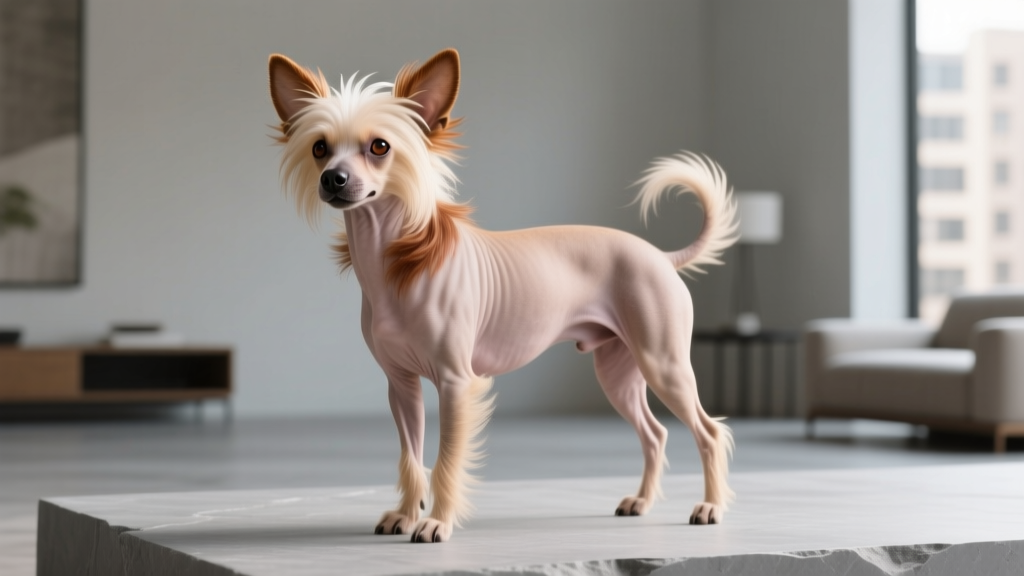
Mexican Dog Xoloitzcuintli: Complete Rare Breed Guide & Care Tips
Everything about the Mexican dog Xoloitzcuintli: origin, temperament, hairless care needs, health risks, pricing.

If you've ever scrolled through dog breeds and stopped at a sleek, hairless canine that looks like it walked straight out of an ancient Aztec temple, you've likely encountered the Mexican dog Xoloitzcuintli (pronounced "show-low-eats-QUEENT-lee"). Often shortened to "Xolo," this breed is one of the oldest and rarest dogs on the planet — and one of the most misunderstood.
Despite their striking appearance, Xolos remain a mystery to most prospective dog owners. Search volume for "Mexican dog Xoloitzcuintli" has climbed steadily as people discover this breed through social media and documentaries like the Pixar film Coco. But viral fame doesn't equal breed knowledge. Below, you'll find a comprehensive, evidence-based guide covering everything from their 3,500-year history to the sunscreen they need on their bare skin.
Ancient Origins: Where the Xoloitzcuintli Comes From
The Xoloitzcuintli originated in what is now Mexico and parts of Central America. Archaeological evidence — including ceramic figurines and skeletal remains — places this breed alongside humans in the region for at least 3,500 years, making it one of the oldest dog breeds in the Americas.
The breed's name is a fusion of two Nahuatl (Aztec language) words: Xolotl, the god of lightning and death, and itzcuintli, meaning dog. According to Aztec mythology, the god Xolotl created the Xoloitzcuintli to guide human souls through Mictlán, the underworld. This spiritual role made the breed sacred — but also, tragically, a ritual sacrifice candidate and a food source in pre-Columbian times.
- ~1500 BCE: Earliest archaeological evidence of Xolo-type dogs in Colima, Mexico
- 1300–1521 CE: Aztec Empire era — Xolos serve as companions, healers, and spiritual guides
- 1520s: Spanish conquistadors arrive; breed nearly eradicated through consumption and persecution
- 1887: First recorded Xolo exhibited at a dog show in the United States (listed as "Mexican Hairless")
- 1956: Xoloitzcuintli officially recognized by the Federación Canófila Mexicana (FCM)
- 2011: American Kennel Club (AKC) grants full recognition in the Non-Sporting Group
- Present day: Estimated fewer than 30,000 Xolos worldwide; roughly 1,000–1,500 registered with the AKC
Beyond spiritual duties, Xolos served practical purposes: their warm, hairless bodies were believed to relieve arthritis and asthma (a practice with no clinical evidence, but the body-heat theory has some physiological basis). They also functioned as alert dogs, barking at intruders and predators around settlements.
Physical Traits: What Makes the Xoloitzcuintli Unmistakable
The Xoloitzcuintli comes in three size varieties and two coat types — and understanding this variation is critical before you start looking at puppies.
| Trait | Toy | Miniature | Standard |
|---|---|---|---|
| Height | 10–14 in (25–35 cm) | 14–18 in (36–46 cm) | 18–23 in (46–58 cm) |
| Weight | 5–15 lb (2.3–6.8 kg) | 15–30 lb (6.8–13.6 kg) | 30–55 lb (13.6–25 kg) |
| Lifespan | 13–18 years (one of the longest-lived breeds) | ||
| Coat Types | Hairless (dominant gene) or Coated (recessive; short, flat coat) | ||
| Colors | Black, gray, slate, red, liver, bronze; often with white markings | ||
| Ears | Large, upright, bat-like; set high on skull (leather-textured in hairless variety) | ||
| Eyes | Almond-shaped, medium; dark brown to amber | ||
Key distinguishing features: Hairless Xolos have smooth, tough skin that feels warm to the touch (their body temperature isn't actually higher — it just transfers heat more directly without fur insulation). They typically retain only a tuft of hair on the head and sometimes on the tail tip and toes. The coated variety, often called "powderpuff" by breeders, has a short, dense coat that requires minimal grooming. Notably, hairless Xolos often have fewer teeth than coated dogs — missing premolars are common and accepted by the AKC breed standard.
Temperament: What Surprises New Xolo Owners
The most common surprise? Xolos are not the cuddly, gregarious dogs their cute appearance might suggest. They are intensely loyal to their primary person or family but tend to be aloof — sometimes standoffish — with strangers. Think less Golden Retriever, more cat-like devotion.
Core temperament traits:
- Primitive and alert: Xolos are highly observant and will watch everything in their environment. They're excellent watchdogs who bark to alert but are not aggressive.
- Velcro with their people: They follow owners room-to-room and prefer physical proximity, but often on their own terms — leaning against you rather than climbing into your lap.
- Sensitive to routine changes: Xolos thrive on predictability. Disruptions to feeding, walking, or sleeping schedules can trigger anxiety behaviors like pacing or vocalizing.
- High prey drive: Their ancient hunting instincts mean squirrels, rabbits, and even cats may trigger a chase. Secure fencing (minimum 6 feet / 1.8 m for Standards) is non-negotiable.
- Slow to warm up: Socialization windows are critical. Xolos not exposed to varied people, surfaces, and environments before 16 weeks may become permanently fearful.
Trainability note: Xolos respond well to positive reinforcement — treats, praise, and play. They shut down under harsh corrections or repetitive drilling. Keep training sessions under 10 minutes and vary the activities. Force-free methods aren't just recommended here; they're practically required for this breed's sensitive temperament.
Care Requirements: The Unique Demands of a Hairless Dog
The hairless Xoloitzcuintli requires a care regimen that no other mainstream breed demands. If you're considering this breed, budget both time and money for the following:
- Bathing: Every 1–2 weeks using a gentle, pH-balanced canine shampoo (human shampoo disrupts their skin's acid mantle). Recommended: Veterinary Formula Clinical Care or Earthbath Oatmeal & Aloe.
- Moisturizing: Apply a dog-safe moisturizer (e.g., coconut oil or products like Vetricyn Skin & Coat Spray) 2–3 times weekly to prevent cracking.
- Sunscreen: Mandatory for hairless Xolos spending time outdoors. Use a zinc oxide–free, dog-specific sunscreen (e.g., Epi-Pet Sunscreen, SPF 30+). Reapply every 2 hours during peak UV. Zinc oxide is toxic to dogs if ingested.
- Acne management: Hairless Xolos are prone to comedones (blackheads) and acne on the back and face. Weekly exfoliation with a soft cloth and benzoyl peroxide canine wipes can help. Consult your veterinarian if lesions persist.
- Cold-weather clothing: In temperatures below 50°F (10°C), hairless Xolos need a fitted dog sweater or jacket. Below 32°F (0°C), limit outdoor time to bathroom breaks only.
- Coated Xolos: Brush weekly with a rubber grooming mitt. Bathe monthly. Minimal shedding — a genuine advantage for allergy-sensitive households.
Exercise needs: Xolos are moderately active. Standards require 45–60 minutes of daily exercise (two 20–30 minute walks plus play). Miniatures and Toys do well with 30–45 minutes. Mental stimulation matters as much as physical — puzzle feeders, scent games, and short training sessions prevent boredom-related destruction.
Nutrition: Feed an AAFCO-certified complete-and-balanced diet. Standards typically eat 1.5–2.5 cups of high-quality kibble daily (split into two meals), adjusted for body condition score. Because Xolos can have dental gaps (especially hairless varieties), some owners find soft or wet food easier for them to eat. Monitor weight closely — obesity stresses their lean, athletic frames.
Health Concerns: Breed-Specific Risks to Watch For
The Xoloitzcuintli benefits from what geneticists call hybrid vigor — centuries of natural selection in Mexico produced a hardy, resilient dog. However, "hardy" does not mean "immune." Consult your veterinarian for a preventive care plan tailored to your Xolo's size variety and coat type.
| Condition | Prevalence / Risk | What to Watch For |
|---|---|---|
| Canine Ectodermal Dysplasia | Present in all hairless Xolos (linked to the FOXI3 gene that causes hairlessness) | Missing teeth, sparse hair, skin abnormalities; managed with dental care and skin protection |
| Patellar Luxation | Moderate risk in Toy and Miniature varieties (estimated 5–8% of small-breed dogs) | Skipping steps, holding hind leg up intermittently, reluctance to jump |
| Skin Infections & Dermatitis | High in hairless variety if skin care is neglected | Redness, pustules, crusting, excessive scratching |
| Keratoconjunctivitis Sicca (Dry Eye) | Reported in the breed; exact prevalence unknown | Thick eye discharge, squinting, corneal cloudiness |
| Dental Disease | Very high — congenitally missing teeth create gaps where food accumulates | Bad breath, red gums, difficulty eating; professional dental cleanings recommended annually |
According to the Merck Veterinary Manual, the hairless gene in Xolos is a semi-lethal dominant trait — meaning dogs inheriting two copies of the gene (homozygous) typically do not survive. Responsible breeders pair hairless-to-coated dogs to avoid this outcome. Always ask a breeder about their pairing strategy.
How the Xolo Compares to Similar Breeds
If you're drawn to the Xolo's look but aren't sure it's the right fit, here's how it stacks up against breeds with overlapping traits:
| Trait | Xoloitzcuintli (Standard) | Chinese Crested (Hairless) | Basenji |
|---|---|---|---|
| Weight | 30–55 lb (13.6–25 kg) | 8–12 lb (3.6–5.4 kg) | 22–24 lb (10–11 kg) |
| Energy Level | Moderate | Low–Moderate | High |
| Stranger Friendliness | Aloof / Reserved | Friendly / Outgoing | Aloof / Reserved |
| Trainability | Moderate (sensitive) | Moderate | Low (independent) |
| Barking | Low (alert only) | Moderate | Very low ("barkless") |
| Skin Care Needs | High (hairless) | High (hairless) | Low (coated) |
| Good for First-Time Owners? | Challenging | Yes | Challenging |
| AKC Group | Non-Sporting | Toy | Hound |
The Xolo is most often confused with the Chinese Crested, but they differ significantly in size, temperament, and history. The Basenji shares the Xolo's primitive temperament and aloofness with strangers, but is a fully coated breed with different exercise demands. If you want a hairless dog but prefer something smaller and more sociable, the Chinese Crested may be a better match.
Finding a Xoloitzcuintli: Availability, Pricing & Red Flags
The Xoloitzcuintli is genuinely rare outside Mexico. In the United States, the AKC registered approximately 150–200 Xolo litters annually in recent years. Waitlists from reputable breeders commonly run 6–18 months.
Typical pricing (2026 estimates):
- Pet-quality puppy (spay/neuter agreement): $2,500–$4,500
- Show/breeding-quality puppy: $4,500–$6,500+
- Adult rescue/adoption: $300–$800 (extremely rare; check Xoloitzcuintli Rescue and breed-specific Facebook groups)
- First-year total cost (puppy + supplies + vet care): $4,000–$7,000
- Ongoing annual cost: $1,500–$2,500 (food, skin care products, vet visits, insurance)
Where to look: The AKC Marketplace lists registered breeders. The Xoloitzcuintli Club of America maintains a breeder referral list. In Mexico, the Federación Canófila Mexicana (FCM) oversees breeders.
- They cannot provide OFA (Orthopedic Foundation for Animals) or PennHIP clearances for Standard Xolos
- They sell hairless-to-hairless pairings (increases risk of homozygous lethal gene expression)
- Puppies are available immediately with no questions asked
- They don't ask you questions about your home, experience, and lifestyle
- Price is below $1,500 — likely a backyard breeder or puppy mill sourcing
- No health guarantee or take-back clause in the contract
Is the Xoloitzcuintli Right for Your Family?
The honest answer: this is not an ideal first dog. Xolos require an owner who understands primitive breed psychology, can commit to a skin care routine, and has the patience for slow, trust-based socialization. They thrive in quieter households — apartments work well for Toy and Miniature varieties, while Standards need a yard with secure fencing.
Best fit for: Experienced dog owners, singles or couples without very young children (Xolos can be nippy if startled, and small children may accidentally injure a Toy Xolo), allergy-sensitive households (the coated variety sheds minimally), and people who enjoy a quiet, observant companion rather than a boisterous playmate.
Poor fit for: First-time dog owners, families with toddlers, people who travel frequently (Xolos bond deeply and develop separation anxiety), and anyone seeking a highly social, dog-park-friendly breed.
Frequently Asked Questions
Are Xoloitzcuintli dogs truly hypoallergenic?
No dog is 100% hypoallergenic. Hairless Xolos produce less dander and don't shed fur, which reduces allergen load significantly. However, allergens also come from saliva and skin proteins. Coated Xolos shed minimally and may be equally tolerable for some allergy sufferers. Spend time with a Xolo before committing to assess your reaction.
How rare is the Xoloitzcuintli today?
Very rare. Global population estimates place the total number at fewer than 30,000, with the majority in Mexico. In the U.S., the AKC registers roughly 150–200 litters per year. The Standard variety is the rarest of the three sizes.
Do Xoloitzcuintli dogs bark a lot?
No. Xolos are notably quiet dogs. They will bark to alert you to unusual sounds or visitors, but they are not nuisance barkers. Some owners report their Xolos rarely bark at all, instead using body language and soft vocalizations (whines, sighs) to communicate.
Can Xoloitzcuintli dogs live with cats or other small pets?
It depends on early socialization and the individual dog's prey drive. Xolos raised alongside cats from puppyhood often coexist peacefully. However, their hunting instincts mean small rodents, birds, and unfamiliar cats may trigger a chase. Always supervise initial introductions and never leave a Xolo unsupervised with small pets until trust is established.
What is the difference between hairless and coated Xolos?
The hairless variety carries a dominant gene (FOXI3) that suppresses most hair growth, leaving skin exposed. They require sunscreen, moisturizer, and cold-weather clothing. Coated Xolos carry two recessive genes and have a short, flat coat — they need minimal grooming but still carry the hairless gene and can produce hairless puppies. Both varieties can appear in the same litter.
How long do Xoloitzcuintli dogs live?
Xolos are among the longest-lived dog breeds, with a typical lifespan of 13–18 years. Toy and Miniature varieties tend toward the upper end of that range. Their longevity is attributed to centuries of natural selection and a relatively low rate of inherited diseases compared to heavily bred purebreds.
Jonas Cole
All our authors care for dogs every day — read more of their work on the authors page.