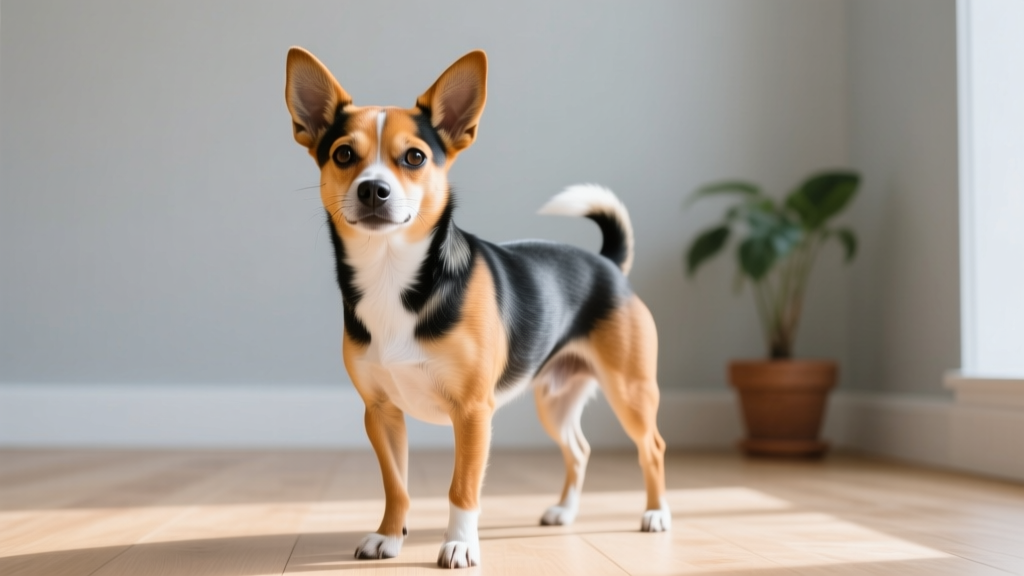
Chorkie Dog Profile: The Chihuahua Yorkie Mix Explained
Everything you need to know about the Chorkie dog (Chihuahua Yorkie mix): size, temperament, health risks, grooming, training, and 2026 ownership costs.

What Is a Chorkie? Meet the Chihuahua Yorkie Designer Dog
If you've been searching for a tiny companion with an outsized personality, the Chorkie — a cross between a Chihuahua and a Yorkshire Terrier — might be on your radar. This designer dog (sometimes called a Yorkie-Chi or Chi-Yorkie) blends two of America's most popular toy breeds into one spirited package. Unlike purebreds recognized by the American Kennel Club, the Chorkie falls under the hybrid or designer-dog category, meaning traits can vary noticeably from one litter to the next depending on which parent's genes dominate.
The Chorkie emerged during the designer-dog boom of the late 1990s and early 2000s in the United States, when breeders began intentionally crossing small companion breeds to combine desirable traits. While neither the AKC nor the United Kennel Club recognizes the Chorkie as a standalone breed, registries like the American Canine Hybrid Club (ACHC) and the Designer Breed Registry (DBR) do track these crosses. Most Chorkies today are first-generation (F1) crosses, meaning one purebred Chihuahua parent and one purebred Yorkshire Terrier parent — though some breeders now produce F1B (backcross) and multigen lines.
| Attribute | Details |
|---|---|
| Size Class | Toy / Small |
| Weight | 4–10 lb (1.8–4.5 kg) |
| Height | 6–9 inches (15–23 cm) at the shoulder |
| Lifespan | 12–16 years (some reach 18+) |
| Coat Type | Short-to-medium; smooth, wiry, or silky depending on gene expression |
| Energy Level | Moderate — bursts of play followed by long naps |
| Grooming Needs | Low to moderate (varies by coat type) |
| Best Suited For | Adults, seniors, apartment dwellers, experienced toy-breed owners |
Physical Characteristics: How Big Does a Chorkie Get?
Because the Chorkie is a mixed breed, physical appearance is less predictable than with a purebred. That said, both parent breeds are toy-class dogs, so you can expect a compact frame regardless of which parent's traits dominate.
- Weight range: 4–10 lb (1.8–4.5 kg). Most adults settle around 6–8 lb (2.7–3.6 kg).
- Height range: 6–9 inches (15–23 cm) at the withers.
- Body shape: Slightly longer than tall, with a moderately tucked abdomen. Legs are fine-boned but surprisingly sturdy.
- Head: May lean toward the Chihuahua's apple-dome skull or the Yorkie's flatter, more terrier-like muzzle. Some Chorkies show a slight stop and dark, almond-shaped eyes.
- Ears: Typically erect or semi-erect, V-shaped, set high on the head — a trait both parent breeds share.
- Tail: Medium length, often carried in a slight curve over the back.
Coat and Color Variations
Coat type is one of the most variable traits in the Chorkie. If Yorkie genes dominate, expect a long, silky, low-shedding coat that may require daily brushing. If Chihuahua genes take over, you'll likely see a short, smooth coat with moderate seasonal shedding. Some Chorkies land in between — a medium-length, slightly wiry texture that's relatively low-maintenance.
Common color combinations include:
- Black and tan (classic Yorkie coloring)
- Fawn, cream, or sable (common Chihuahua colors)
- Blue and gold
- Chocolate and tan
- Tricolor or parti-color patterns
Temperament & Personality: 5 Core Chorkie Traits
The Chorkie inherits personality traits from two famously bold toy breeds. Don't let the small size fool you — these dogs carry themselves with the confidence of animals three times their weight. Here are five core behavioral traits you can expect, based on typical parent-breed temperaments and owner reports:
1. Fiercely Loyal to Their Person
Chorkies tend to bond intensely with one primary person. They'll follow you from room to room, curl up in your lap at every opportunity, and may become visibly anxious when separated. This velcro-dog tendency is endearing but can develop into separation anxiety if the dog isn't taught to self-soothe from puppyhood.
2. Alert and Vocal
Both Chihuahuas and Yorkies are known for being excellent watchdogs, and the Chorkie is no exception. Expect barking at doorbells, passing cars, unfamiliar footsteps in the hallway, and sometimes at nothing you can perceive. Early training to manage excessive vocalization is important, especially in apartment settings where noise complaints are a real concern.
3. Confident and Sometimes Bossy
Chorkies often display what trainers call "small dog syndrome" — not because small dogs are inherently poorly behaved, but because owners tend to tolerate pushy behavior in tiny dogs that they wouldn't accept in a larger breed. A Chorkie may try to resource-guard toys, claim your lap aggressively, or snap at larger dogs that approach too quickly. Consistent, positive-reinforcement training from day one prevents these patterns from hardening.
4. Playful in Short Bursts
Expect 10–15 minutes of intense play — chasing a flirt pole, wrestling with a stuffed toy, doing zoomies around the living room — followed by a 2-hour nap on the couch. This burst-and-rest pattern is typical of toy breeds and makes Chorkies well-suited to smaller living spaces.
5. Wary of Strangers
Most Chorkies are not immediately friendly with new people. They'll observe from a distance, possibly bark, and warm up on their own timeline. Forcing interactions or allowing strangers to pick up a reluctant Chorkie will backfire — these dogs need to approach on their own terms.
Chorkie Pros
- Compact size — ideal for apartments and travel
- Long lifespan (12–16+ years)
- Low exercise requirements compared to larger breeds
- Strong bonding and companionship
- Minimal shedding (if Yorkie-coat-dominant)
- Alert and attentive to their owner
Chorkie Cons
- Prone to excessive barking without training
- Fragile frame — not ideal for homes with toddlers
- Separation anxiety risk if left alone frequently
- Can be stubborn during training sessions
- Dental disease is common and requires proactive care
- Unpredictable traits in F1 crosses (coat, size, temperament)
Exercise & Activity Needs: How Much Does a Chorkie Need Daily?
Chorkies are not high-drive athletes, but they do need structured daily activity to maintain a healthy weight and prevent boredom-driven behaviors like destructive chewing or excessive barking.
| Activity | Duration | Frequency | Notes |
|---|---|---|---|
| Leash walk | 15–20 minutes | Twice daily | Use a well-fitted harness (not a collar) to protect the trachea |
| Indoor play session | 10–15 minutes | 1–2 times daily | Flirt pole, fetch with soft toys, puzzle feeders |
| Training/mental enrichment | 5–10 minutes | Daily | Short sessions — toy breeds lose focus quickly |
| Free exploration (sniffari) | 10–15 minutes | 2–3 times per week | Let the dog set the pace; sniffing is mentally tiring |
Total daily exercise target: 30–45 minutes, split across multiple short sessions. Puppies under 12 months need less structured exercise — follow the general rule of 5 minutes of walking per month of age, twice daily (so a 4-month-old gets roughly 20 minutes of walk time per day). Senior Chorkies over age 10 may slow down but still benefit from gentle daily walks to maintain joint mobility and muscle tone.
Activity Types to Avoid
Because of their small size and delicate bone structure, Chorkies should not participate in high-impact activities like agility jumps set at full height, long-distance running, or rough play with large dogs. A single misstep during play with a 60-lb dog can result in a fractured leg. Always supervise interactions with dogs more than 3× the Chorkie's weight.
Common Health Issues in the Chorkie
Crossbreeding can sometimes produce hybrid vigor — the idea that mixed-breed dogs have a lower risk of inherited conditions due to a wider gene pool. However, this benefit is not guaranteed, especially when both parent breeds share predispositions to the same conditions. Always consult your veterinarian for breed-appropriate health screening and preventive care.
| Condition | Risk Level | Prevalence | Key Signs |
|---|---|---|---|
| Patellar Luxation | High | ~15–20% of toy breeds (Orthopedic Foundation for Animals data) | Intermittent skipping or "hopping" on hind legs; knee pops out of place |
| Dental Disease (Periodontitis) | Very High | Over 80% of small-breed dogs by age 3 (AVMA) | Bad breath, red/swollen gums, loose teeth, reluctance to eat hard kibble |
| Tracheal Collapse | Moderate-High | Common in toy breeds, especially over age 6 | Dry, honking cough; worsens with excitement or pressure on the neck |
| Hypoglycemia | Moderate (puppies) | Most common in puppies under 6 months and dogs under 5 lb | Lethargy, trembling, disorientation, collapse in severe cases |
| Portosystemic Shunt (Liver Shunt) | Low-Moderate | Yorkies are among the most predisposed breeds; estimated 0.2–0.5% prevalence | Stunted growth, seizures after eating, head pressing, chronic vomiting |
Preventive Health Schedule
Work with your veterinarian to establish a screening protocol. A reasonable baseline for a Chorkie includes:
- Annual wellness exam with full dental assessment
- Patellar evaluation at 12 months and annually after age 5
- Blood panel (CBC, chemistry) annually starting at age 7 to monitor liver and kidney function
- Daily tooth brushing with enzymatic dog toothpaste — this single habit can add years to your dog's life by preventing systemic infections originating from oral bacteria
🚨 When to Call the Vet Immediately
Seek emergency veterinary care if your Chorkie shows any of these signs:
- Difficulty breathing or persistent honking cough
- Sudden collapse, inability to stand, or seizure activity
- Blue or pale gums (normal is bubblegum pink)
- Repeated vomiting or diarrhea lasting more than 12 hours
- Signs of pain when picked up (yelping, trembling, hiding)
Grooming Requirements: Tools, Frequency, and Techniques
Grooming needs vary significantly depending on which parent's coat your Chorkie inherits. Here's a breakdown by coat type:
Short/Smooth Coat (Chihuahua-Dominant)
- Brushing: Once weekly with a rubber grooming mitt or soft bristle brush
- Bathing: Every 4–6 weeks or as needed
- Shedding: Light to moderate year-round, with seasonal increases
Long/Silky Coat (Yorkie-Dominant)
- Brushing: Daily or every other day with a pin brush and metal comb to prevent matting
- Bathing: Every 2–3 weeks with a gentle, dog-specific shampoo
- Professional grooming: Every 6–8 weeks for a trim (many owners opt for a "puppy cut" to reduce maintenance)
- Shedding: Minimal — Yorkie-type hair grows continuously rather than shedding seasonally
Universal Grooming Tasks (All Chorkies)
- Nail trims: Every 2–3 weeks. Overgrown nails alter gait and can cause joint stress. Use a small guillotine-style clipper or a low-speed Dremel tool.
- Ear cleaning: Weekly check; clean with a veterinary-recommended ear wash if you see wax buildup or detect odor.
- Eye care: Wipe tear stains daily with a soft, damp cloth. Chorkies with lighter coats may show prominent tear staining — a product like Eye Envy (applied with the included solution pads) works well for persistent cases.
- Dental care: Daily brushing is ideal. At minimum, brush 3–4 times per week and provide VOHC-approved (Veterinary Oral Health Council) dental chews sized for small dogs.
Training & Intelligence: What Works Best for Chorkies
Both Chihuahuas and Yorkshire Terriers rank in the average-to-below-average range on Stanley Coren's working intelligence scale for purebreds, but this measures obedience to commands — not overall problem-solving ability. In practice, Chorkies are clever dogs that learn quickly when motivated, but they're also independent thinkers who may decide that ignoring your recall cue is more interesting than coming when called.
Trainability rating: Moderate (3/5). Expect to invest more patience than you would with a biddable breed like a Border Collie or Golden Retriever.
Recommended Training Methods
Force-free, positive-reinforcement training is the only approach that works reliably with Chorkies. These dogs are sensitive to tone of voice and body language — harsh corrections, yelling, or physical punishment will cause them to shut down or become fear-reactive.
- High-value food rewards: Tiny pieces of freeze-dried chicken, small cheese bits, or commercial training treats (keep pieces under 3 calories each to avoid weight gain)
- Session length: 3–5 minutes maximum, 2–3 times per day. Toy breeds have short attention spans.
- Priority skills: Housebreaking (notoriously difficult in toy breeds — be patient and use a consistent schedule), recall, "quiet" cue for barking management, and crate training for safe alone-time
- Socialization window: Expose your Chorkie puppy to diverse people, surfaces, sounds, and other vaccinated dogs between 8 and 16 weeks of age. This critical period shapes lifelong confidence.
Never use shock collars, prong collars, or alpha-roll techniques on a Chorkie. Their small trachea makes neck pressure dangerous, and aversive methods increase fear-based aggression — a common behavioral problem in poorly socialized toy breeds.
Family Suitability: Kids, Other Pets, and Living Spaces
Chorkies and Children
Chorkies are generally not recommended for families with children under age 8. Their fragile frame (4–10 lb) makes them vulnerable to accidental injury from rough handling, drops, or being stepped on. A toddler squeezing a Chorkie too tightly can cause rib fractures or internal injuries. If you have young children and want a small companion dog, consider sturdier breeds like a Cavalier King Charles Spaniel or a Bichon Frise.
For families with older, respectful children (8+) who understand how to interact gently with small dogs, a well-socialized Chorkie can be a wonderful companion — but an adult should always supervise interactions.
Chorkies and Other Pets
Chorkies can coexist with other dogs and cats, especially if raised together from puppyhood. However, their bold personality means they won't back down from confrontations, even with much larger dogs. Introduce new pets gradually using scent-swapping and controlled, leashed meetings. Never leave a Chorkie unsupervised with a dog more than 20 lb — prey drive or play escalation in the larger dog can lead to serious injury.
Apartment Living
Chorkies are one of the best breeds for apartment life. Their small size, moderate exercise needs (30–45 minutes/day), and adaptability to indoor living make them natural city dogs. The main challenge is barking — invest in "quiet" cue training early and consider white-noise machines or window film to reduce visual triggers from hallways and streets.
Cost of Ownership: Purchase Price and Annual Expenses
Here's a realistic breakdown of what to budget for a Chorkie in 2026:
| Expense Category | Cost Range (USD) |
|---|---|
| Puppy from a responsible breeder | $800–$2,500 |
| Adoption/rescue fee | $200–$500 |
| First-year veterinary costs (vaccines, spay/neuter, microchip) | $500–$900 |
| Annual routine vet care (wellness exam, vaccines, dental cleaning) | $400–$800/year |
| Food (high-quality small-breed kibble or wet food) | $200–$400/year |
| Grooming (if Yorkie-coat type, professional grooming) | $300–$600/year |
| Pet insurance (accident + illness plan) | $30–$55/month ($360–$660/year) |
| Supplies (harness, crate, bed, toys, bowls) | $150–$300 (initial) |
| Estimated first-year total | $2,500–$5,500+ |
| Estimated annual cost (years 2+) | $1,500–$3,000/year |
A note on purchasing: Responsible Chorkie breeders health-test both parent dogs (patellar evaluations, cardiac exams, and genetic screening for known Yorkie and Chihuahua conditions) and provide documentation. They also include a take-back clause in their contracts. Avoid breeders who cannot show OFA or PennHIP results for parent dogs, who have multiple litters available year-round, or who sell puppies exclusively through third-party websites. Adoption from a breed-specific rescue (such as Chihuahua or Yorkie rescues that occasionally take in mixes) is an equally valid and often more affordable path.
Frequently Asked Questions
Is the Chorkie a good breed for first-time dog owners?
It depends. Chorkies are manageable in size and exercise needs, which appeals to first-time owners, but their stubbornness during training, sensitivity, and need for careful socialization can be challenging for someone without prior dog experience. If you're a first-time owner, consider enrolling in a positive-reinforcement puppy class within the first week of bringing your Chorkie home. A qualified trainer can help you navigate housebreaking, barking, and socialization during the critical early months.
How much exercise does a Chorkie need each day?
Plan for 30–45 minutes of total daily activity, split into two short leash walks (15–20 minutes each) plus indoor play sessions. This is far less than what a sporting or working breed requires, but don't skip it — under-exercised Chorkies channel pent-up energy into barking, chewing, and pacing.
What health problems are Chorkies most prone to?
The highest-risk conditions are dental disease (affecting over 80% of small breeds by age 3), patellar luxation (kneecap dislocation), and tracheal collapse. Puppies are also at risk for hypoglycemia. See the health risks table above for full details and consult your veterinarian about a breed-appropriate screening schedule.
How big does a Chorkie get as an adult?
Most adult Chorkies weigh between 4 and 10 lb (1.8–4.5 kg) and stand 6–9 inches (15–23 cm) tall at the shoulder. Size depends on which parent's genes are more strongly expressed and whether the Chihuahua parent was a standard or "teacup" variety (note: "teacup" is not a recognized size classification and breeding for extremely small size carries serious health risks).
Are Chorkies good with children and other pets?
Chorkies are best suited to homes with older children (8+) who can handle a small dog gently. They're not recommended for families with toddlers due to injury risk. With other pets, early socialization is key — Chorkies can live peacefully with other dogs and cats but should never be left unsupervised with much larger animals.
How much does a Chorkie cost to buy and maintain?
Expect to pay $800–$2,500 for a puppy from a responsible breeder, or $200–$500 through a rescue. First-year expenses typically total $2,500–$5,500 including veterinary care, supplies, and food. Ongoing annual costs run $1,500–$3,000 per year for routine care, food, grooming, and pet insurance.
This article is for informational purposes only and does not replace professional veterinary advice. Always consult your veterinarian for health, nutrition, and behavioral guidance specific to your dog.
Anouk Beaumont
All our authors care for dogs every day — read more of their work on the authors page.