Chinese Crested Dog Price Guide: What to Expect in 2026
the Chinese Crested dog price range, breeder costs, adoption fees, & lifetime ownership expenses.
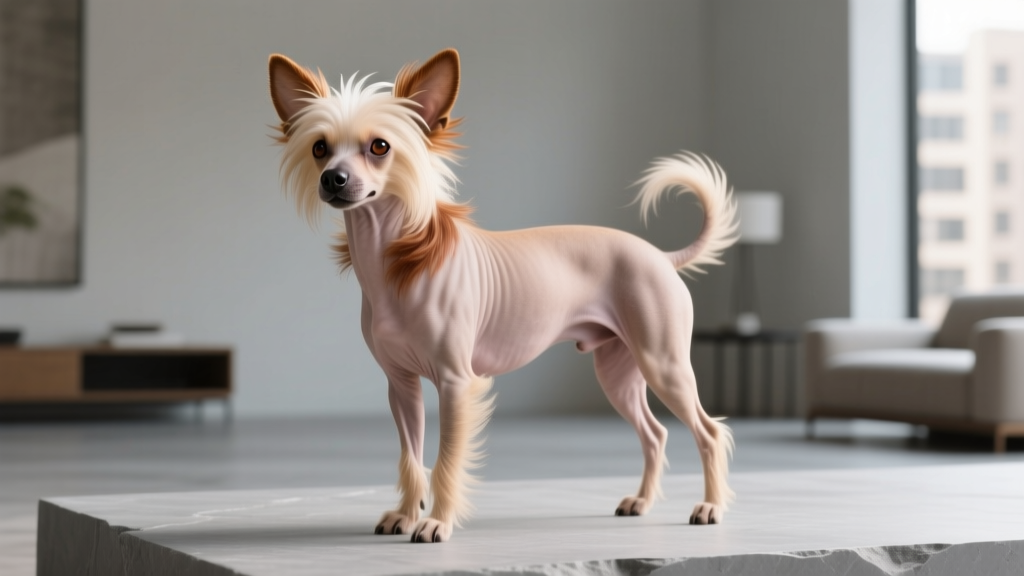
If you've ever scrolled through a dog adoption site or breeder listing and stopped at a photo of a nearly hairless dog with a dramatic crest of fur on its head, you've likely encountered the Chinese Crested. This breed turns heads — and raises questions. How much does a Chinese Crested actually cost? Why do prices vary so wildly? And what are you really paying for?
The Chinese Crested dog price typically ranges from $1,200 to $4,500 for a puppy from a reputable breeder, but that number only tells part of the story. Between the two distinct varieties (Hairless and Powderpuff), show-line versus companion-line breeding, and the breed's unique care needs, there's a lot to unpack before you write a check.
This guide breaks down every cost factor, from initial purchase to lifetime care, so you can budget realistically and avoid overpaying — or worse, funding an irresponsible breeding operation.
Where Did the Chinese Crested Originate?
Despite the name, the Chinese Crested's origin story is more complicated than a single country. The breed is believed to have originated in Africa or Mexico, where hairless dogs were documented as early as the 1500s. Chinese traders reportedly picked up these small, hairless dogs at ports in Africa and Central America, bringing them aboard ships as rat catchers and companions during long voyages.
By the time these dogs reached Chinese ports, they had been selectively bred down in size. Chinese sailors and merchants reportedly valued them as companion dogs and — in some historical accounts — as living hot-water bottles for the sick and elderly, thanks to their warm, exposed skin.
The breed we recognize today was largely shaped in the United States and United Kingdom during the late 19th and 20th centuries. Debby Wood, a prominent US breeder, and Gypsy Rose Lee, the famous burlesque performer, were instrumental in popularizing the breed in America during the mid-1900s.
Chinese Crested Origin Timeline
- 1500s–1700s: Hairless dogs documented in Africa and Central America; traded along maritime routes
- 1800s: Arrive in China via trade ships; bred smaller for companionship
- Late 1800s: First exhibited at early dog shows in the UK and US
- 1950s–1960s: Gypsy Rose Lee and Debby Wood establish formal breeding programs in the US
- 1991: AKC grants full recognition (Toy Group)
- 1987: UK Kennel Club recognizes the breed
- Current: FCI-recognized under Group 9 (Companion and Toy Dogs)
Today, the Chinese Crested is not considered rare, but it remains uncommon compared to mainstream toy breeds. The AKC typically ranks it between #60 and #80 in annual popularity registrations, meaning you won't find them at every breeder or shelter, but dedicated breeders do exist across the US.
Physical Traits: Hairless vs. Powderpuff
The Chinese Crested comes in two varieties, and both can appear in the same litter. This is one of the breed's most distinctive features — and a major driver of the Chinese Crested dog price variation.
| Weight | 8–12 lb (3.6–5.4 kg) |
|---|---|
| Height | 11–13 in (28–33 cm) at the shoulder |
| Lifespan | 13–18 years |
| Coat (Hairless) | Soft skin with hair only on head (crest), tail (plume), and feet (socks) |
| Coat (Powderpuff) | Full-body long, silky coat covering entire body |
| Energy Level | Moderate — 30–45 minutes of activity per day |
| Grooming Needs | Hairless: High (skin care); Powderpuff: High (coat brushing) |
| Family Fit | Best with gentle older children; sensitive to rough handling |
| AKC Group | Toy |
| Recognized | AKC (1991), UKC, FCI |
The Hairless Gene: A Genetic Quirk
The Hairless variety carries a semi-dominant gene (FOXI3 mutation) that suppresses hair growth across most of the body. Breeding two Hairless Cresteds together will produce some puppies that inherit two copies of the gene — and these double-dominant puppies do not survive gestation. This means responsible breeders always pair a Hairless with a Powderpuff (which carries two recessive, non-hairless alleles). This breeding constraint limits litter sizes and contributes to the Chinese Crested dog price being higher than some other toy breeds.
The exposed skin of the Hairless variety ranges from smooth and pale to spotted or darkly pigmented. Many owners are surprised to find that their Hairless Crested's skin color can change with sun exposure and age, developing freckles or darkening over time.
What Surprises New Owners: Temperament Realities
The Chinese Crested is often described as "cat-like" — and that comparison is more accurate than most breed marketing admits. These dogs are deeply bonded to one or two people, often following their chosen human from room to room. They are not typically aloof, but they are selective about who earns their trust.
Here's what catches first-time owners off guard:
- Velcro attachment: Chinese Cresteds develop intense bonds and are prone to separation anxiety if left alone for long stretches. Owners who work 10-hour days without a dog walker or companion animal report significant behavioral issues (excessive barking, destructive chewing, house-soiling).
- Surprising athleticism: Despite their delicate appearance, these dogs are agile and fast. Hairless Cresteds excel at lure coursing and agility at the amateur level. Don't mistake fragility for laziness.
- Sensitivity to tone: Harsh corrections shut this breed down completely. Force-free, positive reinforcement methods are not just recommended — they are essentially the only effective approach. Scolding a Crested often results in the dog hiding or refusing to engage for hours.
- Vocal tendencies: They are not excessive barkers by default, but they will alert-bark at strangers and can develop nuisance barking if under-stimulated.
- Cold intolerance: The Hairless variety genuinely needs sweaters and coats in temperatures below 60°F (15°C). This isn't fashion — it's a thermoregulation necessity.
Chinese Crested Dog Price: What You'll Actually Pay
The Chinese Crested dog price depends on several factors: the variety (Hairless puppies often command higher prices due to demand), the breeder's reputation, pedigree depth, geographic region, and whether the puppy is sold as a companion or show prospect.
| Source | Price Range | What's Typically Included |
|---|---|---|
| Responsible breeder (companion pet) | $1,200–$2,500 | Health testing, early socialization, spay/neuter contract, AKC registration |
| Responsible breeder (show prospect) | $2,500–$4,500 | All above plus conformation evaluation, co-ownership options, show mentorship |
| Breed-specific rescue | $300–$600 | Veterinary exam, vaccinations, spay/neuter, behavioral assessment |
| General shelter/rescue | $150–$400 | Basic veterinary care, vaccinations, spay/neuter |
| Puppy mill / backyard breeder | $500–$1,500 | Little to no health testing, no guarantees — avoid |
Why Hairless Puppies Often Cost More
Hairless Chinese Crested puppies tend to sit at the higher end of the price range ($1,800–$4,500) because they are more visually distinctive and in higher demand among buyers seeking the "classic" Crested look. Powderpuff puppies, while equally healthy and purebred, often price $200–$500 less from the same litter. Both varieties are genetically sound and make equally good companions.
Red Flags When Shopping for a Chinese Crested
Because the Chinese Crested dog price is relatively high, the breed attracts unethical breeders. Watch for these warning signs:
- No OFA or CHIC health testing documentation: Reputable breeders test for patellar luxation, cardiac issues, and eye conditions, and register results with the Orthopedic Foundation for Animals (OFA).
- Multiple litters available simultaneously: A responsible breeder typically has one or two litters per year, not a constant supply.
- Unwillingness to let you meet the dam: Seeing the mother dog's temperament and living conditions is essential.
- "Rare colors" marketed at premium prices: The AKC standard accepts many colors, but breeders charging extra for "rare merle" or "exotic blue" are prioritizing aesthetics over health. Merle-to-merle breedings in particular carry risks of deafness and ocular defects.
- No take-back clause: Ethical breeders contractually require that the dog be returned to them at any point in its life if you can no longer care for it.
Breed-Specific Health Concerns and Costs
Chinese Cresteds are generally a long-lived breed (13–18 years is typical), but they carry predispositions to several conditions that prospective owners should budget for. Always consult your veterinarian about breed-appropriate screening and preventive care.
| Condition | Prevalence | Typical Treatment Cost | Notes |
|---|---|---|---|
| Patellar luxation (kneecap dislocation) | Common — estimated 10–15% of the breed | $1,500–$3,500 per knee (surgical) | Grade I–II may be managed conservatively; Grade III–IV often requires surgery |
| Progressive retinal atrophy (PRA) | Low-moderate; DNA test available | No cure; supportive care $200–$500/year | Responsible breeders DNA-test and avoid breeding carriers together |
| Legg-Calvé-Perthes disease | Low; more common in small breeds generally | $1,500–$3,000 (femoral head excision surgery) | Usually presents between 4–12 months of age |
| Dental disease (early tooth loss) | Very high in Hairless variety — up to 80% by age 5 | $500–$1,500 per dental cleaning; extractions add $200–$600 per tooth | Hairless Cresteds often have shallow tooth roots and missing premolars due to the FOXI3 gene |
| Skin conditions (comedones, sunburn, allergies) | High in Hairless variety | $100–$400 per dermatology visit; ongoing topical care $20–$50/month | Requires sunscreen, regular bathing, and sometimes prescription topicals |
| Primary lens luxation (PLL) | Low; DNA test available | $2,000–$4,000 (surgical lens removal) | Painful emergency condition; can lead to glaucoma if untreated |
The dental situation in Hairless Chinese Cresteds deserves special attention. The same FOXI3 gene that causes hairlessness also affects tooth development. Many Hairless Cresteds are missing premolars, have irregular tooth placement, or develop early periodontal disease. Budget for professional dental cleanings every 6–12 months starting at age 2, and establish a daily tooth-brushing routine from puppyhood. Powderpuff Cresteds typically have normal dentition.
Special Care Requirements Unique to the Breed
The Chinese Crested is not a low-maintenance dog despite its small size. Both varieties require dedicated care routines that differ significantly from most other toy breeds.
Hairless Variety Skin Care Checklist
- Bathing: Every 1–2 weeks using a gentle, pH-balanced canine shampoo (human products disrupt their skin barrier)
- Acne/comedone management: Blackheads on the back and abdomen are common; use a benzoyl peroxide canine wash (2.5–5%) weekly if prone to breakouts — consult your veterinarian for persistent cases
- Sunscreen: Apply dog-safe SPF 30+ sunscreen to exposed skin before any outdoor time in direct sunlight. Human sunscreens containing zinc oxide or xylitol are toxic to dogs — call ASPCA Animal Poison Control at (888) 426-4435 if your dog ingests sunscreen
- Moisturizing: Apply a canine-safe moisturizer or coconut oil after bathing to prevent dry, flaky skin
- Cold protection: Fleece sweaters for indoor warmth below 68°F (20°C); insulated coats for outdoor walks below 50°F (10°C)
- Clothing hygiene: Wash dog clothing weekly; dirty garments against bare skin cause irritation and bacterial infections
Powderpuff Variety Coat Care
The Powderpuff's long, silky coat requires brushing 3–4 times per week to prevent matting, particularly behind the ears, in the armpits, and around the hindquarters. Professional grooming every 6–8 weeks ($50–$80 per session) keeps the coat manageable. Many owners opt for a shorter "puppy cut" to reduce maintenance.
Exercise and Enrichment
Chinese Cresteds need 30–45 minutes of daily activity, split between walks and indoor play. They are not endurance athletes — two 15-minute walks plus a 10-minute play session satisfies most individuals. Mental stimulation matters: puzzle feeders, short training sessions (5–10 minutes, 2–3 times daily), and scent games prevent the boredom-driven barking and chewing that frustrate many owners.
How the Chinese Crested Compares to Similar Breeds
If you're weighing the Chinese Crested against other small companion breeds, here's how the key factors stack up.
| Factor | Chinese Crested | Xoloitzcuintli (Toy) | Havanese |
|---|---|---|---|
| Weight | 8–12 lb (3.6–5.4 kg) | 10–15 lb (4.5–6.8 kg) | 7–13 lb (3.2–5.9 kg) |
| Hairless variety? | Yes (plus Powderpuff) | Yes (plus coated) | No (full coat only) |
| Typical puppy price | $1,200–$4,500 | $2,000–$5,000 | $1,000–$2,500 |
| Separation anxiety risk | High | Moderate | High |
| Grooming demand | High (skin or coat) | High (skin care for hairless) | High (daily brushing) |
| Trainability | Moderate — sensitive, slow to trust | Moderate — independent streak | High — eager, responsive |
| Good with young children? | Better with older, gentle children | Better with older children | Generally good with all ages |
| Lifespan | 13–18 years | 13–18 years | 14–16 years |
| Barking level | Moderate | Low–moderate | Moderate–high |
The Xoloitzcuintli (Mexican Hairless) is the closest comparison in terms of appearance and care. Xolos tend to be slightly sturdier, more independent, and less prone to separation anxiety — but they are also harder to find and often more expensive. The Havanese is a better choice for families with younger children and owners who want a more outgoing, forgiving temperament, though you trade the unique look and skin-care routine for daily coat maintenance.
Lifetime Ownership Costs
The Chinese Crested dog price is just the entry fee. Here's a realistic annual budget for a Chinese Crested in the US:
| Category | Estimated Annual Cost |
|---|---|
| High-quality small-breed food (AAFCO complete & balanced) | $300–$500 |
| Routine veterinary care (wellness exams, vaccines, parasite prevention) | $400–$700 |
| Dental cleanings (1–2 per year for Hairless) | $500–$1,500 |
| Skin care products (Hairless) or grooming (Powderpuff) | $300–$600 |
| Pet insurance (optional but recommended) | $400–$700 |
| Clothing and cold-weather gear (Hairless) | $100–$250 |
| Toys, enrichment, supplies | $150–$300 |
| Total estimated annual cost | $2,150–$4,550 |
Over a 15-year lifespan, total lifetime costs typically range from $35,000 to $70,000, including the initial purchase price. Emergency veterinary care for unexpected illness or injury can add $2,000–$8,000 in a single year, which is why pet insurance or a dedicated emergency fund is strongly recommended.
Frequently Asked Questions
Is the Chinese Crested a good first dog?
It can be, with caveats. The Chinese Crested's sensitivity and separation anxiety risk make it a challenging match for first-time owners who work long hours or have chaotic households. If you're home frequently, committed to positive reinforcement training, and prepared for the grooming demands, a Chinese Crested can be a rewarding first dog. A Havanese or Cavalier King Charles Spaniel may be more forgiving of beginner mistakes.
Why are Chinese Crested puppies so expensive?
Several factors drive the Chinese Crested dog price upward: the breed's hairless gene requires careful pairing (Hairless to Powderpuff only), which limits viable breedings. Litters are often small (2–4 puppies). Reputable breeders invest in OFA health testing, genetic screening for PRA and PLL, and extensive early socialization. The breed's long lifespan also means breeders support puppy buyers for 15+ years.
Do Hairless Chinese Cresteds smell?
No — in fact, many owners report that Hairless Cresteds have less "dog odor" than coated breeds because there's no fur to trap oils and dander. However, their exposed skin does produce oil, and without regular bathing (every 1–2 weeks), buildup can lead to a waxy smell and skin infections. Consistent skin care eliminates odor issues.
Can Chinese Cresteds be left alone during the day?
Short periods (2–4 hours) are manageable with proper preparation — crate training, puzzle toys, and a comfortable environment. Beyond 4–5 hours regularly, most Chinese Cresteds develop separation anxiety behaviors. Doggy daycare, a dog walker, or a companion animal can help if you work full-time.
Are Chinese Cresteds hypoallergenic?
No dog is truly hypoallergenic, but the Hairless Chinese Crested is often well-tolerated by people with mild dog allergies because there is minimal fur to carry dander. Allergies are triggered by proteins in saliva and skin cells, not hair itself — so individual reactions vary. Spend time with a Hairless Crested before committing to assess your personal tolerance.
Where can I find a Chinese Crested rescue?
The American Chinese Crested Club (ACCC) maintains a rescue network, and breed-specific rescues like Crested Rescue USA occasionally have dogs available. General platforms like Petfinder also list Chinese Cresteds, though availability is sporadic. Rescue dogs typically cost $300–$600 and come spayed/neutered, vaccinated, and behaviorally assessed.
Aaron Whyte
All our authors care for dogs every day — read more of their work on the authors page.


