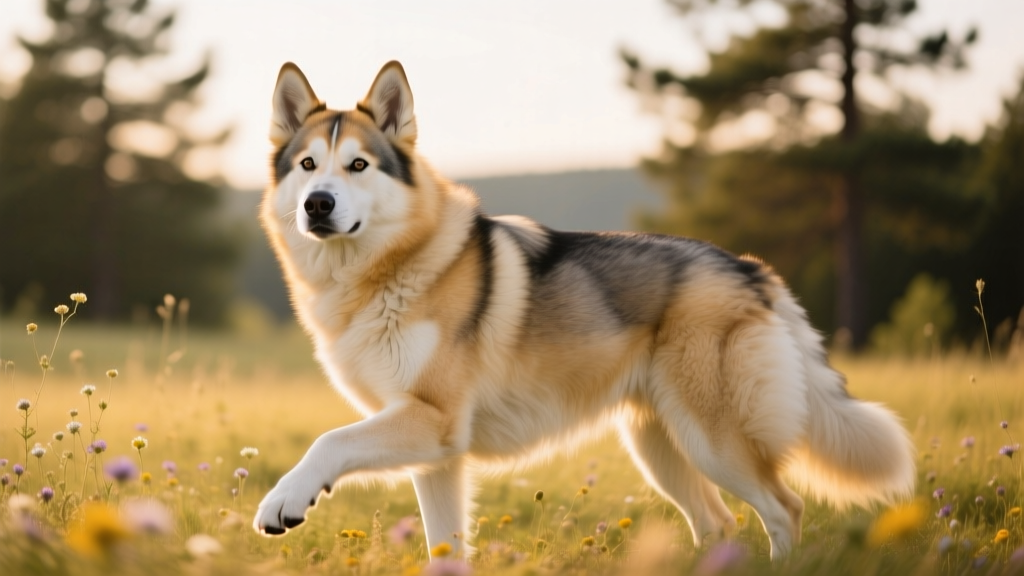
Icelandic Sheepdog: Guide to This Rare Nordic Herding Breed
Discover the Icelandic Sheepdog: origin, temperament, health risks, grooming needs, cost, and whether this rare Nordic herder fits your family.

If you've never heard of the Icelandic Sheepdog, you're not alone. With fewer than 5,000 registered individuals worldwide and a population that nearly vanished twice in the last century, this compact, fox-like herder remains one of the rarest breeds recognized by major kennel clubs. Yet those who live with an Icelandic Sheepdog — often called the "Íslenskur fjárhundur" in its native tongue — describe a dog of remarkable intelligence, tireless work ethic, and surprising vocal personality that sets it apart from more familiar Nordic breeds like the Shetland Sheepdog or Finnish Spitz.
This guide covers everything prospective owners need to know about the Icelandic Sheepdog, from its Viking-era origins to the practical realities of owning one in 2026, including where to find a responsible breeder, what health screenings matter, and the grooming commitment this double-coated breed demands.
Origins: From Viking Longships to Iceland's Remote Farms
The Icelandic Sheepdog's story begins not in Iceland itself, but on the decks of Viking vessels. When Norse settlers arrived in Iceland between 870 and 930 AD, they brought dogs with them — primarily spitz-type herding and hunting dogs from Scandinavia. Over the next thousand years, geographic isolation on an island with no native land predators shaped a breed uniquely adapted to Iceland's harsh subarctic conditions, volcanic terrain, and the specific demands of managing sheep across open highlands.
Breed Origin Timeline
- 870–930 AD: Norse settlers bring spitz-type herding dogs to Iceland
- 1500s–1800s: Breed develops in isolation; used for herding sheep, cattle, and horses across Iceland's rugged interior
- 1880s: Distemper and other diseases kill an estimated 75% of Iceland's dog population
- 1901: Denmark bans import of Icelandic dogs, further isolating the gene pool
- 1930s: Fewer than 50 purebred Icelandic Sheepdogs believed to remain — breed nearly extinct
- 1952: The Icelandic Kennel Club (Hundaræktunarfélag Íslands, HRÍ) is founded; breed recovery begins
- 1972: FCI (Fédération Cynologique Internationale) officially recognizes the breed
- 2010: AKC (American Kennel Club) grants full recognition in the Herding Group
- Present day: Estimated global population of 4,000–5,000 registered dogs
The breed's historical purpose was distinctly Icelandic: unlike border collies that herd with a fixed "eye" or Australian shepherds that drive stock, the Icelandic Sheepdog was bred to bark sheep and cattle into movement across vast, fenceless terrain. This barking-herding style is hardwired into the breed and remains one of the most important — and sometimes challenging — traits new owners encounter.
According to the AKC breed standard, the Icelandic Sheepdog is Iceland's only native dog breed, making its survival a matter of national cultural heritage.
Physical Profile: Compact Powerhouse With a Fox-Like Face
| Attribute | Specification |
|---|---|
| Weight (male) | 30–35 lb / 14–16 kg |
| Weight (female) | 25–30 lb / 11–14 kg |
| Height (male) | 18 in / 46 cm at the withers |
| Height (female) | 16.5 in / 42 cm at the withers |
| Lifespan | 12–14 years (some reach 16) |
| Coat type | Double coat; medium or long outer coat, thick woolly undercoat |
| Colors | Tan, chocolate brown, gray, black — all with white markings; pied (white with color patches) also accepted |
| Energy level | High (60–90 min structured activity/day) |
| Grooming frequency | Brushing 2–3×/week; daily during biannual coat blows |
| AKC Group | Herding (recognized 2010) |
| FCI Group | Group 5: Spitz and Primitive Types, Section 3: Nordic Watchdogs and Herders |
Several physical traits distinguish the Icelandic Sheepdog from similar-looking breeds:
- Polydactyl hind dewclaws: Most Icelandic Sheepdogs are born with double dewclaws on their rear legs — a functional trait that historically provided extra grip on icy, rocky terrain. The AKC standard considers double hind dewclaws desirable, and removal is discouraged.
- Fox-like expression: A wedge-shaped head, prick ears, and almond-shaped dark eyes with black rims give the breed an alert, almost wild appearance that differs markedly from the softer expression of a Shetland Sheepdog.
- Curled tail carried over the back: Unlike the long, low-carried tail of a Sheltie, the Icelandic Sheepdog's tail curls tightly over its back — a classic spitz hallmark.
- Two coat lengths: Both shorthaired (medium-length) and longhaired varieties exist within the same breed and even the same litter. The longhaired variety has a distinctly longer outer coat but the same dense undercoat.
Temperament: What Surprises First-Time Owners
The Icelandic Sheepdog's temperament is where the breed truly diverges from what casual observers expect. People often assume a small-to-medium herding dog will be a calm apartment companion. The reality is more nuanced:
The Barking Factor
This is the single most reported surprise among new owners. The Icelandic Sheepdog was literally bred to bark — it's how they moved livestock across Iceland's open highlands. In a home environment, this translates to alert barking at deliveries, wildlife, passing cars, and anything else that crosses the dog's perceived territory boundary. It is not nuisance barking born of anxiety; it is working barking, and it requires active management through training and environmental enrichment.
Force-free counter-conditioning and "quiet" cue training using positive reinforcement are the recommended approaches. Shock collars, prong collars, and bark-activated devices are strongly discouraged — they can increase anxiety-driven barking and damage the trust-based relationship this sensitive breed requires.
Intelligence With an Independent Streak
Icelandic Sheepdogs rank high in problem-solving ability but moderate in what trainers call "biddability" — the willingness to obey commands for their own sake. They learn quickly but may decide a command isn't worth following if they don't see the point. This is typical of primitive and spitz-type breeds. Experienced owners report success with reward-based training that keeps sessions short (5–10 minutes), varied, and game-like.
Family Compatibility
With proper socialization beginning before 16 weeks of age, Icelandic Sheepdogs are excellent family dogs. They tend to form strong bonds with all household members rather than attaching to a single person. They are generally good with children who understand how to interact respectfully with dogs. Their herding instinct may manifest as nipping at running children's heels — manageable with redirection training but important for families with toddlers to anticipate.
Owner insight: "People think because she's medium-sized and fluffy that she'll be a couch dog. She's not. She needs a job — even if that job is a puzzle feeder, a flirt pole session, or learning a new trick. A bored Icelandic Sheepdog is a loud Icelandic Sheepdog." — Multi-year breed owner
Health Concerns: What the Data Shows
The Icelandic Sheepdog benefits from a relatively small but carefully managed gene pool. The Icelandic Kennel Club (HRÍ) and international breed clubs maintain strict breeding regulations, including mandatory health screenings. That said, several breed-specific conditions warrant awareness:
| Condition | Type | Estimated Prevalence | Screening Method |
|---|---|---|---|
| Hip Dysplasia | Orthopedic | ~8–12% of screened dogs (OFA data) | OFA or PennHIP radiographic evaluation |
| Patellar Luxation | Orthopedic | ~5–8% | Veterinary orthopedic exam; OFA grading |
| Hereditary Cataracts | Ophthalmic | Reported but low prevalence | Annual CERF/OFA ophthalmologist exam |
| MDR1 Gene Mutation | Pharmacogenetic | Present in some Nordic herding breeds; testing recommended | Wisdom Panel or Embark DNA test |
| Addison's Disease (Hypoadrenocorticism) | Endocrine / Autoimmune | Anecdotal reports; no large-scale prevalence study | ACTH stimulation test if symptomatic |
The Orthopedic Foundation for Animals (OFA) maintains a public database of hip, patella, and eye screening results. Responsible breeders should provide OFA numbers for both sire and dam, demonstrating clearances for hips (Fair or better), patellas (Grade 0 or 1), and current eye certification.
Because the gene pool is small, the breed's international club enforces a coefficient of inbreeding (COI) threshold — most responsible breeders aim for a COI below 5% over a 10-generation pedigree. Prospective buyers should request this calculation.
- Limping or stiffness lasting more than 48 hours, especially in dogs under 2 years (hip/patella concern)
- Cloudiness or bluish tint in the eyes
- Episodes of weakness, trembling, or collapse — especially after stress (possible Addisonian crisis)
- Unusual sensitivity to standard-dose medications like ivermectin (possible MDR1 mutation)
Always consult your veterinarian for diagnosis and treatment — breed predisposition information is not a substitute for professional veterinary care.
Care Requirements: Grooming, Exercise, and Daily Life
Grooming: The Double-Coat Commitment
The Icelandic Sheepdog's double coat is waterproof, self-cleaning to a degree, and remarkably insulating — it kept the breed functional in Iceland's driving sleet and sub-zero wind chills. Maintaining it requires:
- Regular brushing (2–3× per week): Use a slicker brush followed by an undercoat rake. Focus on the ruff, britches (rear feathering), and behind the ears where mats form first.
- Coat blows (twice yearly): During seasonal shedding — typically spring and fall — the undercoat releases in massive quantities. Daily brushing with a de-shedding tool (such as the Furminator for medium breeds or a high-velocity dryer on cool setting) is essential for 2–3 weeks.
- Bathing (every 6–8 weeks or as needed): Use a canine-specific shampoo. The undercoat can take 45–60 minutes to fully dry with a high-velocity dryer — air-drying a thick double coat risks hot spots and fungal skin infections.
- Never shave: Shaving a double-coated breed damages the coat's insulating structure. The outer guard hairs may not regrow properly, leaving the dog vulnerable to both sunburn and cold.
- Nail trims every 2–3 weeks: Active dogs on varied terrain may wear nails naturally, but the polydactyl dewclaws never touch the ground and require regular trimming to prevent curling into the pad.
Exercise: More Than a Walk Around the Block
Plan for 60–90 minutes of structured daily activity. This doesn't have to be high-impact — the breed excels at and enjoys:
- Herding trials and instinct tests (AKC and AHBA sanctioned events)
- Agility and rally obedience
- Hiking and trail running (excellent endurance for their size)
- Nose work and scent detection games
- Puzzle feeders and food-dispensing toys for mental stimulation on rest days
A securely fenced yard is strongly recommended. Icelandic Sheepdogs have a moderate prey drive and will chase squirrels, rabbits, and deer. They are not reliable off-leash in unfenced areas despite strong recall training — the herding instinct to chase moving targets overrides obedience in high-distraction environments.
Climate Considerations
This breed thrives in cool-to-cold climates and tolerates winter conditions that would distress most dogs. In hot climates (sustained temperatures above 85°F / 29°C), exercise must shift to early morning and evening. Provide shade, fresh water, and cooling mats. Heat stroke risk is real for double-coated Nordic breeds in southern US summers.
How the Icelandic Sheepdog Compares to Similar Breeds
| Trait | Icelandic Sheepdog | Shetland Sheepdog | Finnish Spitz |
|---|---|---|---|
| Size | 25–35 lb / 11–16 kg | 15–25 lb / 7–11 kg | 23–33 lb / 10–15 kg |
| AKC Group | Herding | Herding | Non-Sporting |
| Original purpose | Barking herder (sheep, cattle, horses) | Herding (sheep, ponies) | Bark-pointer (game birds) |
| Barking tendency | Very high (functional trait) | High | Very high |
| Trainability (biddability) | Moderate-high; independent thinker | Very high; eager to please | Moderate; independent |
| Coat maintenance | High (thick double coat) | High (long double coat) | Moderate-high (double coat, less undercoat density) |
| Stranger friendliness | Reserved but not aggressive; warms up | Reserved; can be shy | Aloof; bonds tightly to family |
| Rarity (US registrations) | Very rare (~150–200 AKC registrations/year) | Common (~4,000+ AKC registrations/year) | Uncommon (~300–400 AKC registrations/year) |
| Typical puppy price (US) | $2,000–$3,500 | $1,200–$2,500 | $1,500–$2,500 |
The key distinction: the Icelandic Sheepdog is stockier, more independent, and more physically hardy than the Sheltie, with a denser coat and stronger bark-herding instinct. Compared to the Finnish Spitz, it is more handler-focused and less cat-like in temperament, though both share the Nordic spitz vocalization tendency.
Finding an Icelandic Sheepdog: Breeders, Rescue, and Costs
Breeder Availability
With roughly 150–200 AKC registrations per year in the United States, the Icelandic Sheepdog is genuinely rare. Expect:
- Wait times of 12–24 months from initial breeder contact to puppy availability
- Fewer than 10 active breeders in the US at any given time; many litters are planned through the Icelandic Sheepdog Association of America (ISAA)
- Import options from Iceland, Scandinavia, Germany, and the Netherlands — import costs add $1,500–$3,000 for transport, health documentation, and quarantine compliance
Typical Costs
| Expense | Estimated Range |
|---|---|
| Puppy purchase price (US breeder) | $2,000–$3,500 |
| Imported puppy (Europe/Iceland) | $3,500–$6,500 (all-in) |
| First-year veterinary care (vaccines, spay/neuter, microchip) | $800–$1,500 |
| Annual ongoing care (food, preventive meds, grooming supplies, insurance) | $1,200–$2,200/year |
| Pet insurance (accident + illness, medium dog) | $40–$75/month |
Breeder Red Flags
Because the breed is rare, unethical breeders sometimes capitalize on scarcity. Watch for:
- No OFA health clearances publicly verifiable for sire and dam
- Multiple litters available simultaneously or year-round
- No requirement that you return the dog to them if you can no longer keep it (a hallmark of responsible breeding contracts)
- Prices significantly above $4,000 for a US-bred puppy without import justification
- Unwillingness to connect you with the ISAA or provide references from previous puppy buyers
Rescue is also an option, though rare-breed rescues have long waitlists. The ISAA maintains a rescue liaison for dogs that need rehoming. Adoption fees typically range from $300–$600 and often include spay/neuter and basic veterinary care.
Is the Icelandic Sheepdog Right for You?
This breed suits owners who:
- Live in a house with a fenced yard (apartments are possible but challenging due to barking)
- Enjoy outdoor activity and can commit to 60–90 minutes of daily exercise
- Have experience with independent-minded or spitz-type breeds, or are willing to invest in professional positive-reinforcement training
- Can tolerate — and actively manage — a vocal dog
- Are prepared for significant grooming time, especially during coat blows
- Understand that a 12–24 month breeder waitlist is normal and are willing to plan ahead
This breed may not suit owners who:
- Need a quiet dog for apartment or condo living with noise restrictions
- Work long hours away from home without dog-walking or daycare support
- Prefer a highly biddable, "easy" first dog (a Labrador or Golden Retriever may be a better fit for first-time owners)
- Live in consistently hot climates without air conditioning or willingness to adjust exercise schedules
Frequently Asked Questions
How rare is the Icelandic Sheepdog today?
Very rare. The global registered population is estimated at 4,000–5,000 dogs, with the majority in Iceland, Scandinavia, Germany, and the United States. The AKC registers approximately 150–200 puppies per year in the US. The breed nearly went extinct in the 1930s when fewer than 50 individuals remained.
What makes the Icelandic Sheepdog different from a Shetland Sheepdog?
Despite the similar name and herding background, they are quite different breeds. The Icelandic Sheepdog is stockier (30–35 lb vs. 15–25 lb), has a spitz-type build with prick ears and curled tail, possesses double hind dewclaws, and herds primarily by barking rather than by the Sheltie's more silent, circling style. Temperamentally, the Icelandic Sheepdog is more independent and less overtly eager to please than the Sheltie.
Is the Icelandic Sheepdog suitable for first-time dog owners?
It can work, but it is not the easiest choice. The breed's barking tendency, independent thinking, and high grooming needs present challenges that experienced owners handle more smoothly. First-time owners who are committed to attending puppy classes, working with a certified positive-reinforcement trainer, and investing time in early socialization (before 16 weeks) can succeed. However, breeds like the Shetland Sheepdog or Nova Scotia Duck Tolling Retriever may offer a gentler learning curve for novice handlers.
Can Icelandic Sheepdogs live in hot climates?
Yes, with management. They are far more comfortable in cold weather, but thousands live successfully in warmer US states. Key accommodations include exercising during cool hours (before 8 AM and after 7 PM in summer), providing shade and cooling mats, never shaving the coat (the double coat actually insulates against heat as well as cold), and watching for signs of heat distress: excessive panting, drooling, lethargy, or vomiting. If these occur, cool the dog gradually and contact your veterinarian immediately.
Do Icelandic Sheepdogs get along with cats and other pets?
Generally yes, especially when raised together from puppyhood. Their herding instinct may cause them to chase or "herd" smaller pets, which can be managed with training. Their prey drive toward outdoor wildlife (rabbits, squirrels) is moderate to high, so supervised outdoor time and secure fencing are important.
How much does an Icelandic Sheepdog puppy cost?
Expect to pay $2,000–$3,500 from a US-based responsible breeder. Imported puppies from Iceland or Europe typically cost $3,500–$6,500 when transport and documentation are included. Be cautious of prices below $1,500 (potential puppy mill or backyard breeder) or above $4,500 for a domestically bred puppy without exceptional justification.
What health tests should an Icelandic Sheepdog breeder provide?
At minimum: OFA hip evaluation (Fair or better), OFA patella evaluation (Grade 0–1), and a current CERF/OFA ophthalmologist eye exam. Additional recommended tests include MDR1 gene mutation screening and a COI (coefficient of inbreeding) calculation below 5%. All results should be publicly verifiable on the OFA website.
Sources: American Kennel Club — Icelandic Sheepdog, Orthopedic Foundation for Animals, Merck Veterinary Manual.
Aaron Whyte
All our authors care for dogs every day — read more of their work on the authors page.