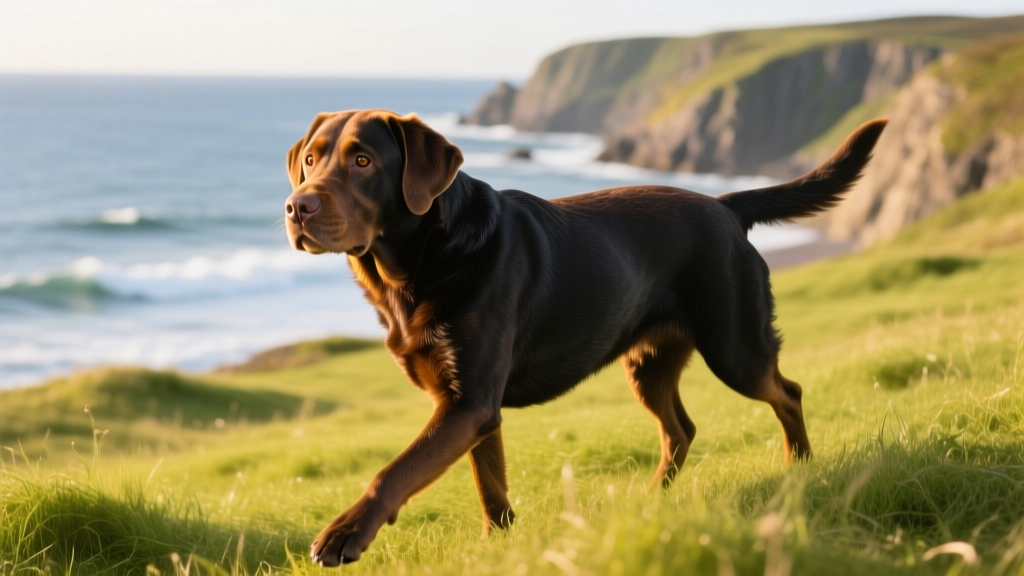
Doberman Alsatian Mix: Complete Breed Guide for 2026 Owners
Everything about the Doberman Alsatian mix: size, temperament, coat, health risks, cost, and whether this powerful designer cross suits your lifestyle.

The Doberman Alsatian mix — sometimes called a Dobie Shepherd or Doberman German Shepherd mix — pairs two of the most iconic working breeds in the world. Both parent breeds rank in the top 15 of AKC popularity, and their cross produces a large, athletic, intensely loyal dog that demands an experienced handler. This guide breaks down exactly what you can (and cannot) predict about this mix, from size variability to inherited health conditions, so you can make an informed decision before committing.
What Two Breeds Make Up the Doberman Alsatian Mix?
The Doberman Alsatian mix is a first-generation or multigenerational cross between the Doberman Pinscher and the German Shepherd Dog (GSD). "Alsatian" is simply the British and European name for the German Shepherd, so this is functionally a Doberman × German Shepherd designer cross.
Neither the AKC nor the UKC recognizes this mix as a standalone breed. You may find it listed under designer registries like the International Designer Canine Registry (IDCR) or the American Canine Hybrid Club (ACHC), but these registrations carry no health or temperament guarantees.
| Trait | Doberman Pinscher | German Shepherd Dog |
|---|---|---|
| Origin | Germany, 1890s (Louis Dobermann) | Germany, 1899 (Captain Max von Stephanitz) |
| AKC Group | Working | Herding |
| Weight Range | 60–100 lb / 27–45 kg | 50–90 lb / 23–41 kg |
| Height Range | 24–28 in / 61–71 cm | 22–26 in / 56–66 cm |
| Coat | Short, smooth, single coat | Medium-length double coat (also long-coat variety) |
| Shedding Level | Low to moderate | Moderate to heavy (seasonal blowout) |
| Lifespan | 10–12 years | 7–10 years |
| Energy Level | High | High to very high |
| Primary Instinct | Guarding / protection | Herding / protection / tracking |
Understanding Generations: F1, F1B, and F2 Doberman Alsatian Mixes
Generation terminology matters because it affects trait predictability and potential hybrid vigor. Here is how designer breeders classify litters:
- F1 (First Generation): One purebred Doberman × one purebred German Shepherd. Puppies inherit roughly 50/50 genetics. Highest genetic diversity but widest trait variation — one littermate might look almost entirely Doberman, another almost entirely GSD.
- F1B (First Generation Backcross): An F1 Doberman Alsatian mix bred back to one of the parent breeds (usually the German Shepherd for coat density or the Doberman for a sleeker build). Genetics are roughly 75/25.
- F2 (Second Generation): Two F1 Doberman Alsatian mixes bred together. Genetic recombination increases variability — puppies in an F2 litter can look wildly different from each other.
- Multigenerational (Multigen): Three or more generations of intentional Doberman × German Shepherd crosses. Rare in this particular pairing because there is less commercial demand compared to doodle-type breeds. Trait predictability improves slightly but never reaches purebred consistency.
Most Doberman Alsatian mixes you encounter will be F1 crosses or accidental litters. True multigen breeding programs for this mix are uncommon.
How Big Will a Doberman Alsatian Mix Get?
Size is one of the more predictable traits in this cross because both parents are large breeds, but there is still meaningful variation depending on which parent's genes dominate and the sex of the individual dog.
| Sex | Weight (lb / kg) | Height at Shoulder (in / cm) |
|---|---|---|
| Male | 70–110 lb / 32–50 kg | 25–28 in / 64–71 cm |
| Female | 55–85 lb / 25–39 kg | 23–26 in / 58–66 cm |
Key variables: Males from a large Doberman sire line can push past 100 lb (45 kg), especially if the German Shepherd parent was from a heavier working-line background. Females tend to be noticeably smaller. Puppies typically reach 70% of adult weight by 6 months and full skeletal maturity between 18 and 24 months. Overfeeding during the growth phase increases the risk of hip dysplasia — feed a large-breed puppy formula (look for AAFCO "growth" or "all life stages" statements with controlled calcium-to-phosphorus ratios) and keep body condition score (BCS) at 4–5 out of 9.
Coat Types, Shedding, and the Hypoallergenic Question
Is the Doberman Alsatian mix hypoallergenic? No. Neither parent breed is hypoallergenic, and this mix will shed. How much depends on which coat genes the individual inherits:
| Coat Type | Inherited From | Shedding Level | Grooming Demand |
|---|---|---|---|
| Short, smooth single coat | Doberman-dominant | Low to moderate year-round | Weekly brushing, occasional bath |
| Medium-length double coat | German Shepherd-dominant | Moderate year-round, heavy seasonal blowout | Brushing 3–4× per week, daily during shed season |
| Intermediate (short-to-medium with light undercoat) | Mixed expression | Moderate | Brushing 2–3× per week |
Color possibilities are broad: black and tan (most common, since both breeds carry this pattern), black and rust, sable, all-black, or bi-color. The Doberman's distinctive rust markings can appear in the mix even when the coat length leans German Shepherd. White markings are uncommon and not breed-standard for either parent.
Practical grooming advice: Invest in a de-shedding tool like the Furminator for short-haired dogs (if Doberman-coat dominant) or an undercoat rake (if GSD-coat dominant). Budget roughly $40–$70 per professional grooming session if you opt for deshedding treatments during seasonal coat blowouts, typically twice per year. Bathe no more than once every 6–8 weeks to avoid stripping natural skin oils — both parent breeds can be prone to dry skin.
Temperament: What to Expect (and Where Things Vary)
Both Dobermans and German Shepherds are intelligent, driven, bond-intensive working breeds. The mix almost always produces a dog that is:
- Intensely loyal — typically forming a primary bond with one person
- Highly alert — vocal about strangers approaching the home
- Physically and mentally demanding — requires 60–90 minutes of structured activity daily
- Sensitive to handler emotion — both parent breeds read human body language acutely and shut down under harsh correction
Best-case temperament scenario: A well-socialized Doberman Alsatian mix is confident, trainable, and steady. They excel in obedience, agility, nose work, and protection sports (IPO/Schutzhund, PSA). They are affectionate with family, tolerant of children they are raised with, and appropriately aloof with strangers without being reactive.
Challenging temperament scenario: Without early socialization (critical window: 3–14 weeks) and consistent positive reinforcement training, this mix can develop leash reactivity, resource guarding, stranger-directed fear aggression, or separation anxiety. Both parent breeds are prone to anxiety-based behavioral issues when under-stimulated or isolated for long periods. A bored, under-exercised Doberman Alsatian mix in an apartment with minimal human contact is a recipe for destructive behavior and noise complaints.
Training approach: Use force-free, positive reinforcement methods exclusively. Both Dobermans and German Shepherds are physically powerful and emotionally sensitive — aversive tools like shock collars, prong collars, or alpha rolls increase fear and aggression risk while damaging the handler-dog bond. Look for a trainer certified by the CCPDT (Certification Council for Professional Dog Trainers) or IAABC (International Association of Animal Behavior Consultants).
Health Considerations: Hybrid Vigor vs. Reality
Debunking the hybrid vigor myth: Crossbreeding does not automatically eliminate health problems. Hybrid vigor (heterosis) refers to the statistical advantage of greater genetic diversity reducing the probability that two copies of the same recessive disease gene will pair up. However, both Dobermans and German Shepherds carry overlapping dominant and polygenic conditions that a mix can absolutely inherit. A 2023 study in the PLOS ONE journal found that mixed-breed dogs showed lower incidence of some inherited disorders but no significant advantage for complex polygenic conditions like hip dysplasia.
| Condition | Parent Breed Risk | Prevalence Estimate | Screening Method |
|---|---|---|---|
| Dilated Cardiomyopathy (DCM) | Doberman (very high risk) | Up to 58% of Dobermans develop DCM in their lifetime | Annual echocardiogram + Holter monitor; genetic test for PDK4 and DCM2 markers |
| Hip Dysplasia | German Shepherd (high risk) | ~19% of GSDs affected per OFA data | OFA or PennHIP evaluation at 24 months |
| Elbow Dysplasia | German Shepherd | ~15% of GSDs | OFA elbow radiographs |
| Degenerative Myelopathy (DM) | German Shepherd | Carrier rate ~35% in GSDs | DNA test (SOD1 mutation) |
| Von Willebrand Disease (vWD) | Doberman | ~50% of Dobermans are carriers or affected | DNA test for vWD Type 1 |
| Cervical Vertebral Instability (Wobbler Syndrome) | Doberman | Estimated 5–8% of Dobermans | MRI or myelography if symptoms appear |
| Exocrine Pancreatic Insufficiency (EPI) | German Shepherd | Higher prevalence in GSDs than general population | TLI blood test if chronic weight loss/diarrhea |
What responsible breeders do: Both parent dogs should have OFA hip and elbow clearances, a Doberman-specific cardiac panel (echocardiogram + Holter), and DNA tests for DM and vWD. Ask to see certificates — not just verbal assurances. Budget $800–$1,500 annually for preventive veterinary care including cardiac monitoring if your dog is Doberman-dominant.
When to consult your veterinarian immediately: Coughing, exercise intolerance, fainting episodes, rear-leg weakness or dragging, chronic diarrhea with weight loss, or difficulty swallowing. These can signal DCM, DM, Wobbler syndrome, or EPI — all conditions requiring prompt diagnosis. Your vet will determine appropriate diagnostic tests and treatment protocols.
Cost Breakdown: Purchase Price and Lifetime Expenses
| Source | Price Range | Notes |
|---|---|---|
| Responsible breeder (health-tested parents, OFA certs) | $1,000–$2,500 | Rare — few dedicated breeding programs exist for this mix |
| Casual/backyard breeder | $400–$800 | No health testing; higher risk of inherited disease |
| Breed-specific rescue (Doberman or GSD rescue) | $200–$500 adoption fee | Most likely source; mixes often end up in rescue due to owner unpreparedness |
| General shelter | $50–$300 | May be labeled as "shepherd mix" without confirmed Doberman lineage |
First-year total cost estimate: $3,500–$6,000 including purchase/adoption, spay/neuter ($300–$700), initial vaccinations ($200–$400), microchip ($50), crate and gear ($200–$500), food ($600–$1,000 for a large breed eating 4–6 cups/day), preventive medications ($200–$400), and training classes ($200–$600 for group obedience or $800–$1,500 for private sessions).
Ongoing annual cost: $2,000–$4,000 depending on health status. Cardiac monitoring alone for a Doberman-lineage dog can add $400–$800 per year. Pet insurance premiums for large breeds typically run $60–$120/month depending on deductible and coverage level.
Who This Mix Suits Best — and Who Should Consider Another Dog
Ideal owner profile:
- Experience with large, driven working breeds (not a first-time dog owner breed)
- Active lifestyle — running, hiking, structured dog sports
- Home with a fenced yard (minimum 5-foot fence; both breeds are athletic jumpers)
- Available for 2+ hours of daily engagement (exercise + training + companionship)
- Comfortable managing a powerful dog on leash (100+ lb potential pulling force)
- No small pets (cats, rabbits) unless raised together from puppyhood — both parents have prey drive
Less ideal situations:
- Apartment living without dedicated exercise outlets
- First-time dog owners without professional training support
- Families who work 10+ hour days and cannot arrange midday interaction
- Homes with very young children unless the dog has been raised with children and is closely supervised — the size and energy of this mix can accidentally knock over toddlers
- Owners seeking a low-maintenance, independent, or couch-potato companion
Exercise prescription: Plan for 60–90 minutes of structured physical activity daily, split into at least two sessions. This should include leash walking, off-leash running in secure areas, and mental stimulation (puzzle feeders, scent work, obedience drills). A tired Doberman Alsatian mix is a well-behaved one; an under-exercised one will invent its own entertainment, usually destructively.
Frequently Asked Questions
What two breeds make up the Doberman Alsatian mix?
The Doberman Pinscher and the German Shepherd Dog (GSD). "Alsatian" is the European name for the German Shepherd.
How big will this mixed breed get?
Males typically weigh 70–110 lb (32–50 kg) and stand 25–28 inches (64–71 cm) at the shoulder. Females are smaller, at 55–85 lb (25–39 kg) and 23–26 inches (58–66 cm). Individual size depends on which parent's genes dominate and the specific lineage.
What will the temperament be like?
Expect high intelligence, strong loyalty to one primary handler, alertness to strangers, and a need for 60–90 minutes of daily structured activity. Without proper socialization and training, this mix can develop reactivity, anxiety, or guarding behaviors. With positive reinforcement training, they are steady, trainable, and deeply bonded companions.
Is the Doberman Alsatian mix hypoallergenic or low-shedding?
No. This mix is not hypoallergenic. Shedding ranges from moderate (Doberman-coat dominant) to heavy with seasonal blowouts (German Shepherd-coat dominant). No dog is truly hypoallergenic — allergens come from dander and saliva, not just hair.
What health issues might this mix inherit?
The most concerning inherited conditions include dilated cardiomyopathy (DCM) from the Doberman side, hip and elbow dysplasia from the German Shepherd side, degenerative myelopathy, Von Willebrand disease, and Wobbler syndrome. Responsible breeders screen both parent dogs with OFA evaluations, cardiac panels, and DNA tests.
How much does a Doberman Alsatian mix cost?
From a responsible breeder with health-tested parents, expect $1,000–$2,500. Through breed-specific rescue, adoption fees typically run $200–$500. First-year total ownership costs range from $3,500–$6,000, with ongoing annual costs of $2,000–$4,000.
Are Doberman Alsatian mixes good with children?
They can be excellent with children they are raised alongside, but their large size and high energy mean interactions with toddlers should always be supervised. Teach children to respect the dog's space during eating and sleeping. Never leave any large dog unsupervised with young children.
Do Doberman Alsatian mixes make good guard dogs?
They are naturally alert and will bark at strangers approaching the home, making them effective watchdogs. However, formal protection training should only be pursued with a qualified professional and is not necessary for most pet owners. A well-socialized dog that barks at the door is sufficient for home security in most situations.
Disclaimer: This article provides general breed information and should not replace professional veterinary advice. Always consult your veterinarian for health screening, diagnostic testing, and treatment decisions specific to your dog. For suspected poisoning emergencies, contact the ASPCA Animal Poison Control Center at (888) 426-4435 (24/7, consultation fee applies).
Marcus Aldridge
All our authors care for dogs every day — read more of their work on the authors page.