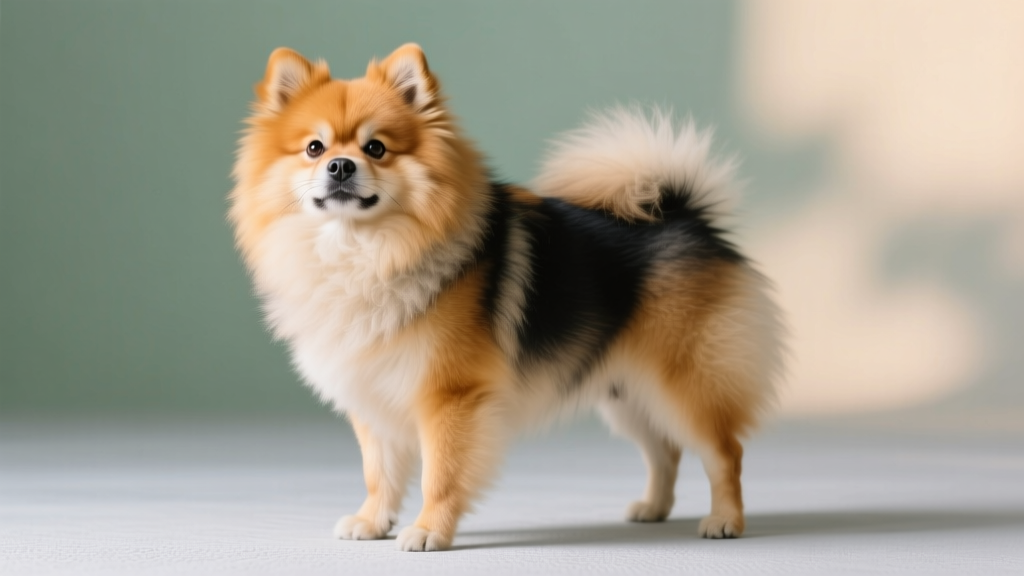
The Golden Pyrenees Breed Guide
Everything about the Great Pyrenees and Golden Retriever mix: size, temperament, health risks, grooming, training, and 2026 cost of ownership.

Meet the Golden Pyrenees: A Designer Blend of Guardian and Companion
If you've spent any time browsing doodle forums or designer-breed Facebook groups, you've probably seen photos of a big, fluffy, cream-colored dog with soulful eyes and a goofy grin. That's likely a Golden Pyrenees — the cross between a Great Pyrenees and Golden Retriever. Sometimes called a Golden Pyrenees, Pyrenees Golden, or Golden Pyr, this designer mix pairs the gentle, people-pleasing nature of the Golden Retriever with the calm, watchful independence of the Great Pyrenees.
Unlike standardized breeds recognized by the AKC, the Golden Pyrenees is a designer cross, meaning individual puppies in the same litter can vary significantly in appearance, size, and temperament. Most responsible breeders produce F1 (first-generation) crosses, though F1B (backcrossed to one parent breed) and multigen lines are becoming more common as the mix gains popularity.
The Great Pyrenees traces its lineage to the Pyrenees Mountains between France and Spain, where it has guarded flocks for at least 3,000 years. The Golden Retriever was developed in the Scottish Highlands during the 1860s by Lord Tweedmouth as a gun dog for retrieving waterfowl. Crossing these two breeds aims to combine the Pyr's protective instincts and calm demeanor with the Golden's trainability and sociable warmth.
Physical Characteristics: Size, Coat, and Appearance
One of the biggest variables in any Great Pyrenees and Golden Retriever mix is size. Because the parent breeds differ substantially — Great Pyrenees males can exceed 100 lb while Golden Retrievers typically top out around 75 lb — predicting adult size requires understanding the genetic lottery at play.
| Trait | Range |
|---|---|
| Weight (Male) | 75–120 lb / 34–54 kg |
| Weight (Female) | 65–100 lb / 29–45 kg |
| Height (at shoulder) | 22–32 inches / 56–81 cm |
| Coat Type | Medium to long double coat; straight or slightly wavy |
| Common Colors | Cream, white, golden, light apricot, pale biscuit with possible badger markings |
| Energy Level | Moderate (3–4/5) |
| Grooming Needs | High — daily to every-other-day brushing |
| Family Fit | Excellent for families with space; good with children when socialized |
Most Golden Pyrenees dogs inherit the dense double coat from both parent breeds. The undercoat is soft and insulating, while the outer coat is longer and weather-resistant. Colors tend to cluster around cream, pale gold, and white, though some puppies inherit the Great Pyrenees' characteristic "badger marks" — patches of gray, tan, or reddish-brown on the head and ears.
Expect floppy or semi-prick ears, a broad skull, dark almond-shaped eyes, and a heavily feathered tail that may curl over the back (a Pyr trait) or hang straight (a Golden trait). Many owners describe the expression as "thoughtful" or "gentle" — a blend of the Pyr's watchful gaze and the Golden's eager friendliness.
Temperament and Personality: What to Expect
The temperament of a Great Pyrenees and Golden Retriever mix is where this cross truly shines — and where it can surprise unprepared owners. Here are the five core traits you'll most commonly see:
1. Gentle protectiveness. Unlike a purebred Golden Retriever who might greet a burglar with a wagging tail, the Golden Pyrenees often inherits the Pyr's instinct to assess new people before warming up. They rarely show aggression, but they will position themselves between their family and a stranger, bark a deep warning, and watch closely. Once they determine a visitor is safe, they typically relax and may even request belly rubs.
2. Independent thinking. The Great Pyrenees was bred to make decisions alone while guarding flocks on mountainsides — no human was there to give commands. This means your Golden Pyrenees may hear your "come" cue, evaluate whether it's worth obeying, and then saunter over at their own pace. This isn't stubbornness in the traditional sense; it's a breed-level tendency toward autonomous problem-solving.
3. Deep family bonding. These dogs tend to form intense attachments to their primary people. They'll follow you from room to room, lean against your legs, and insist on sleeping in your space. Separation anxiety can develop if they're left alone for long stretches without proper conditioning.
4. Low-key indoor energy. Despite their size, most Golden Pyrenees dogs are surprisingly calm indoors. They're the type to sprawl across a cool tile floor and nap for hours. The Golden Retriever's playful side usually emerges during outdoor activities, but don't expect a hyperactive housemate.
5. Vocal watchdog tendencies. The Great Pyrenees is famously vocal — they bark at night sounds, passing cars, and leaves that look suspicious. Many Golden Pyrenees inherit at least some of this tendency. If you live in an apartment or have close neighbors, this is a trait to manage early with positive reinforcement training.
Exercise and Activity Needs
A common misconception is that large dogs need intense, prolonged exercise. For the Golden Pyrenees, the reality is more nuanced. The Great Pyrenees was bred for steady, low-intensity patrol work — walking fence lines and watching — not for running or fetching. The Golden Retriever side adds more enthusiasm for structured play, but the mix tends to land at a moderate activity level.
Break this into two sessions: a 30-minute morning walk and a 20–45 minute afternoon activity.
| Activity | Duration | Frequency | Notes |
|---|---|---|---|
| Leash walking | 25–40 min | Daily | Moderate pace; avoid forced jogging |
| Free yard roaming | 30–60 min | Daily | Secure 6-foot fence minimum |
| Swimming | 15–30 min | 2–3x/week | Low-impact; great for joint health |
| Nose work / scent games | 10–20 min | 3–4x/week | Mental stimulation; tires them out |
| Hiking (easy-moderate) | 45–90 min | Weekends | Avoid steep terrain in heat |
A critical note on heat: the Great Pyrenees side means this mix is prone to overheating in temperatures above 80°F (27°C). Schedule walks for early morning and evening during summer, always carry water, and watch for excessive panting or lagging behind. Never shave a double-coated dog — the undercoat actually insulates against heat as well as cold.
Common Health Issues and Prevention
Crossbreeds can benefit from hybrid vigor — the reduced likelihood of inheriting recessive disorders common in purebred lines — but this is not a guarantee. A Golden Pyrenees can inherit conditions from either parent breed, and the large-to-giant size class carries inherent orthopedic risks. Always consult your veterinarian for breed-appropriate health screening.
| Condition | Prevalence | Inherited From | Screening / Prevention |
|---|---|---|---|
| Hip Dysplasia | ~15–20% (estimated based on parent breed OFA data) | Both breeds | OFA/PennHIP evaluation at 24 months; maintain lean body condition |
| Elbow Dysplasia | ~10–12% | Both breeds | OFA elbow radiographs; avoid repetitive high-impact activity in puppies |
| Gastric Dilatation-Volvulus (Bloat) | Elevated risk in deep-chested large breeds | Great Pyrenees | Prophylactic gastropexy during spay/neuter; slow-feeder bowls; no exercise 1 hr before/after meals |
| Subvalvular Aortic Stenosis (SAS) | ~3–5% in Golden Retrievers | Golden Retriever | Cardiac exam by veterinary cardiologist at 12+ months |
| Osteosarcoma | Golden Retrievers: ~1 in 8 lifetime risk per AKC health data | Golden Retriever | Annual wellness exams; watch for limping or swelling on limbs |
Responsible breeders of Great Pyrenees and Golden Retriever crosses should provide OFA (Orthopedic Foundation for Animals) clearances for hips and elbows, cardiac evaluations, and ideally, genetic testing for known mutations like the GRMD (Golden Retriever Muscular Dystrophy) gene. Ask to see these documents before purchasing a puppy.
Grooming Requirements: Managing the Double Coat
If you're not prepared for dog hair on every surface of your home, this is not the mix for you. Both parent breeds are prolific shedders, and the Golden Pyrenees typically inherits a thick, long double coat that demands consistent maintenance.
| Task | Frequency | Tools Needed |
|---|---|---|
| Brushing (full coat) | Every 2–3 days (daily during blow coat) | Undercoat rake, slicker brush, steel comb |
| De-shedding session | Weekly during spring/fall shed | Furminator or de-shedding tool (use gently) |
| Bathing | Every 6–8 weeks | Oatmeal-based dog shampoo; high-velocity dryer |
| Nail trimming | Every 3–4 weeks | Guillotine or scissor clippers; styptic powder |
| Ear cleaning | Weekly | Veterinary ear cleanser; cotton balls (never Q-tips) |
| Teeth brushing | 3–5x per week (daily ideal) | Dog toothpaste (enzymatic); finger brush or dual-head brush |
Invest in a high-velocity pet dryer (brands like Flying Pig or B-Air produce models in the $80–$150 range). After bathing, a high-velocity dryer blows out loose undercoat far more effectively than towel drying and can cut your brushing time in half. Professional grooming sessions typically cost $80–$130 for a breed this size, depending on your region and coat condition.
Training and Intelligence: Working With an Independent Thinker
The Golden Retriever is ranked 4th in Stanley Coren's The Intelligence of Dogs for working and obedience intelligence. The Great Pyrenees, by contrast, was bred to work independently without human direction. Your Golden Pyrenees will fall somewhere on this spectrum — typically eager to engage but not as biddable as a pure Golden.
Trainability rating: 3.5/5 — Responsive to positive reinforcement but may not obey instantly. Not recommended for competitive obedience without patience.
Effective training methods for this mix:
- Positive reinforcement only. Use high-value treats (freeze-dried liver, cheese bits), praise, and play. Never use shock collars, prong collars, or alpha rolls — these methods damage trust and can trigger fear-based reactivity in sensitive dogs.
- Short, varied sessions. 10–15 minutes, 2–3 times daily. The Pyr side gets bored with repetition, so rotate exercises frequently.
- Early socialization (8–16 weeks). Expose your puppy to at least 100 different people, surfaces, sounds, and environments before 16 weeks. This is critical for preventing the wariness that can tip into fear-based barking or avoidance.
- Recall training priority. Because of the Pyr's tendency to patrol and the Golden's tendency to follow scents, reliable recall is essential. Practice in fenced areas before attempting off-leash work. Many owners use a long-line (30-foot training leash) during the recall-training phase.
- "Quiet" cue training. Given the vocal tendencies, teach a "quiet" or "enough" cue early. Reward silence after barking rather than punishing the bark itself.
Family Suitability: Kids, Pets, and Living Spaces
- Gentle and patient with children when properly socialized
- Calm indoor temperament — not prone to bouncing off furniture
- Protective instinct provides natural watchdog coverage
- Generally good with other household pets raised together
- Thrives as a therapy or emotional support dog
- Size makes them accidentally knock over small toddlers
- Heavy shedding — not ideal for allergy sufferers
- Not suited for apartments without significant outdoor access
- Barking can disturb neighbors in close-quarters living
- High grooming time commitment (30+ min/week)
With children: Golden Pyrenees dogs are generally excellent with kids, especially when raised alongside them. Their patience level is high, and they tend to tolerate the ear-pulling and tail-grabbing that comes with toddlers. However, their size (a 90-lb dog can easily knock over a 3-year-old) means all interactions should be supervised. Teach children to respect the dog's sleep space and food bowl.
With other pets: Most Golden Pyrenees dogs coexist peacefully with cats and other dogs, particularly when introduced as puppies. The Pyr's livestock-guarding heritage means they often view smaller animals as part of their "flock." Caution is warranted with same-sex dog introductions in adulthood — some individuals show dog-selective tendencies inherited from the Pyr side.
Apartment living: This is not an ideal apartment breed. They need space to move, a secure outdoor area, and enough room to stretch out (they take up significant floor space). If you do live in an apartment, commit to multiple daily walks, access to a dog park, and proactive bark management training. A house with a fenced yard (minimum 6-foot fence — the Pyr side may try to roam) is strongly preferred.
Cost of Ownership: Purchase Price and Annual Expenses
Before bringing home a Great Pyrenees and Golden Retriever mix, budget realistically. Large and giant breeds cost more to feed, medicate, and treat than smaller dogs.
| Expense | Range (USD) | Notes |
|---|---|---|
| Puppy purchase price | $800–$2,500 | From responsible breeder with health testing; rescue/adoption: $200–$500 |
| Annual food (high-quality kibble or balanced raw) | $720–$1,440 | 4–6 cups/day for a 90-lb dog; premium brands like Orijen or Fromm |
| Annual veterinary care (wellness) | $500–$900 | Includes exams, vaccines, heartworm prevention, flea/tick |
| Grooming (professional + supplies) | $400–$800 | 4–6 professional sessions/year + at-home tools |
| Pet insurance (annual premium) | $600–$1,200 | Varies by deductible, coverage level, and region |
| Miscellaneous (toys, bedding, leash, crate) | $200–$500 | XL crate (48-inch), orthopedic bed, sturdy toys |
| Estimated first-year total | $3,220–$7,340 | Includes puppy price; subsequent years: $2,420–$4,840 |
Emergency veterinary care for conditions like bloat surgery ($3,000–$7,000) or hip replacement ($5,000–$8,000 per hip) can be financially devastating without insurance or an emergency fund. We strongly recommend either enrolling in a pet insurance policy (providers like Trupanion, Healthy Paws, or Nationwide) or maintaining a dedicated savings account of at least $3,000–$5,000 for unexpected medical costs.
Frequently Asked Questions
Is the Great Pyrenees and Golden Retriever mix right for first-time owners?
It can work, but with caveats. The Golden Retriever side makes them more forgiving of training mistakes than a purebred Great Pyrenees, but their size, grooming demands, and independent streak mean first-time owners should invest in puppy classes, read up on large-breed care, and be prepared for the physical demands of handling a 90+ lb dog. If you're a first-time owner, consider adopting an adult Golden Pyrenees from a rescue — you'll skip the challenging puppy phase and get a dog with a known temperament.
How much exercise does a Golden Pyrenees need daily?
Plan for 45–75 minutes of total activity per day, split across two sessions. This includes leash walks, yard time, swimming, and mental enrichment like puzzle feeders or scent work. They do not need high-intensity running — steady, moderate activity suits their build and joint health best.
What health problems is this mix prone to?
The most significant concerns are hip dysplasia, elbow dysplasia, gastric dilatation-volvulus (bloat), subvalvular aortic stenosis (a heart condition from the Golden side), and osteosarcoma (bone cancer, also from the Golden side). Annual veterinary wellness exams and maintaining a lean body condition score (BCS of 4–5 out of 9) are the two most impactful things you can do for long-term health. For more on breed-specific screening, see the Orthopedic Foundation for Animals.
How big does a Great Pyrenees and Golden Retriever mix get?
Adult males typically weigh 75–120 lb (34–54 kg) and stand 25–32 inches (64–81 cm) at the shoulder. Females are generally 65–100 lb (29–45 kg) and 22–28 inches (56–71 cm). Size varies significantly depending on which parent breed the puppy favors. Ask the breeder for the parents' measurements for a better estimate.
Is this mix good with children and other pets?
Yes, generally. Golden Pyrenees dogs tend to be gentle, patient, and protective of children in their family. They usually coexist well with cats and other dogs, especially when socialized early. Always supervise interactions between large dogs and small children, and teach kids to respect the dog's boundaries.
How much does a Golden Pyrenees cost to buy and maintain?
Puppy prices range from $800–$2,500 from a responsible breeder (or $200–$500 through rescue adoption). Annual maintenance costs run $2,420–$4,840, including food, veterinary care, grooming, insurance, and supplies. First-year costs (including the puppy) typically total $3,220–$7,340.
This article is for informational purposes only and does not replace professional veterinary advice. Always consult your veterinarian for health decisions specific to your dog. For breed-specific health data, refer to the AKC Health Resources and the Merck Veterinary Manual.
Robin Maitland
All our authors care for dogs every day — read more of their work on the authors page.