Chow Pomeranian Mix: Complete Breed Guide for Prospective Owners
Everything you need to know about the Chow Pomeranian mix — size, temperament, coat types, health risks, grooming needs, and whether this designer
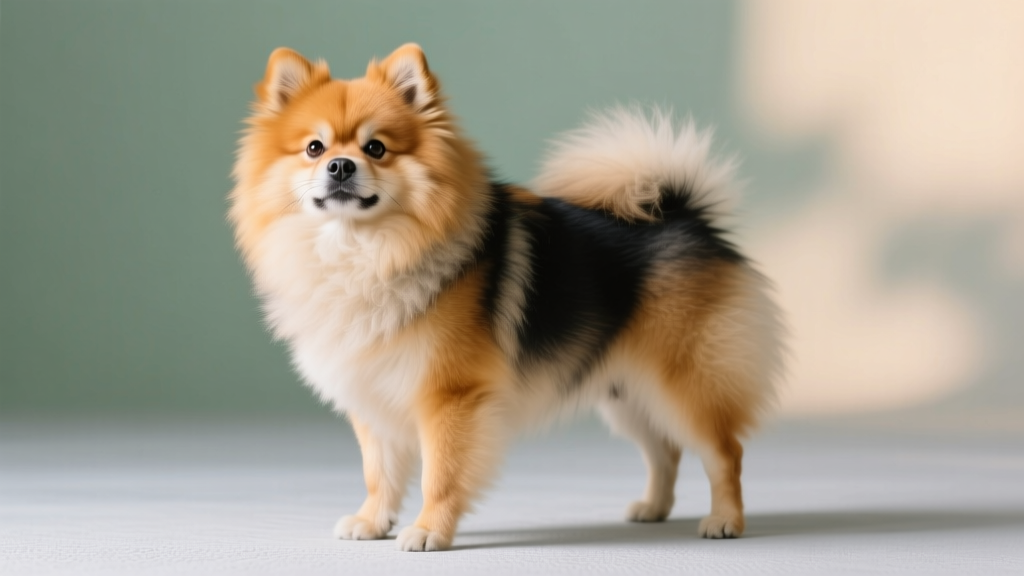
The Chow Pomeranian mix — sometimes called the "Chowranian" or "Pom Chow" — is a designer cross between two ancient Spitz-family breeds: the Chow Chow and the Pomeranian. Both parents share pointed ears, curled tails, and thick double coats, which gives this mix a somewhat predictable appearance. But when you cross a 45–70 lb Chow Chow with a 3–7 lb Pomeranian, the genetic lottery produces puppies that can vary dramatically in size, temperament, and care requirements.
This guide breaks down what you can realistically expect from a Chow Pomeranian mix, including the traits that tend to carry forward, the health conditions you should screen for, and the type of household where this cross actually thrives.
Parent Breeds: Chow Chow and Pomeranian at a Glance
Before evaluating any designer mix, you need to understand both parent breeds. The Chow Chow and Pomeranian share a Spitz lineage — both originated in cold climates and retain primitive breed traits like independence, wariness of strangers, and strong prey drive. But their temperaments and physical builds diverged significantly over centuries of selective breeding.
| Trait | Chow Chow | Pomeranian |
|---|---|---|
| AKC Group | Non-Sporting | Toy |
| Weight Range | 45–70 lb (20–32 kg) | 3–7 lb (1.4–3.2 kg) |
| Height | 17–20 in (43–51 cm) | 6–7 in (15–18 cm) |
| Lifespan | 8–12 years | 12–16 years |
| Coat | Dense double coat (rough or smooth) | Heavy double coat, long guard hairs |
| Shedding | Heavy, seasonal blowouts | Moderate-heavy, seasonal blowouts |
| Temperament | Aloof, independent, cat-like | Bold, alert, affectionate with family |
| Trainability | Low — requires patience | Moderate — responds well to positive reinforcement |
| Barking Level | Low — barks when necessary | High — vocal watchdog |
| Exercise Needs | 30–45 min/day, low intensity | 20–30 min/day, moderate intensity |
| Origin | China, ancient breed (2,000+ years) | Pomerania region (Germany/Poland), descended from larger Spitz |
The Chow Chow's reputation for aloofness and stubbornness is well-documented — the AKC breed standard describes them as "independent and dignified." Pomeranians, while smaller, inherited the Spitz boldness and can be surprisingly territorial. Both breeds require early, consistent socialization, and both carry a genetic predisposition to certain orthopedic and dermatological conditions that can surface in their offspring.
Understanding Generations: F1, F1B, F2, and Multigen Chow Pomeranian Mixes
Designer dog terminology can confuse first-time buyers. Here's what each generation label means for a Chow Pomeranian mix:
- F1 (First Generation): One purebred Chow Chow parent × one purebred Pomeranian parent. Maximum genetic diversity, but highest trait variability — puppies in the same litter can look and behave very differently.
- F1B (First Generation Backcross): An F1 Chow Pomeranian mix bred back to one of the parent breeds (usually the Pomeranian, for size manageability). Slightly more predictable traits leaning toward the backcross parent.
- F2 (Second Generation): Two F1 Chow Pomeranian mixes bred together. Wider trait variation than F1B — some puppies may strongly favor one grandparent breed.
- Multigen (F3+): Multiple generations of Chow Pomeranian mixes bred together. Theoretically more predictable, but this cross is rare enough that established multigen lines barely exist as of 2026.
In practice, most Chow Pomeranian mixes you'll encounter are F1 crosses. This is partly because the significant size difference between the parent breeds makes breeding logistically challenging — and ethically questionable when a 60 lb Chow Chow is involved. Responsible breeders typically use artificial insemination and ensure the smaller Pomeranian is never the dam (mother) carrying an oversized litter, which could cause life-threatening birthing complications. Always ask a breeder which parent serves as the dam and why.
Size Range: How Big Will a Chow Pomeranian Mix Get?
The size gap between a Chow Chow and a Pomeranian is one of the widest of any designer cross. This creates enormous variability in the offspring. Most Chow Pomeranian mixes fall somewhere in the small-to-medium range, but outliers exist in both directions.
| Generation | Weight Range | Height Range | Size Category |
|---|---|---|---|
| F1 (50/50 split) | 15–40 lb (7–18 kg) | 10–17 in (25–43 cm) | Small to medium |
| F1B (backcross to Pomeranian) | 8–20 lb (3.6–9 kg) | 8–13 in (20–33 cm) | Small |
| F1B (backcross to Chow Chow) | 30–55 lb (14–25 kg) | 15–19 in (38–48 cm) | Medium |
| F2 | 10–45 lb (4.5–20 kg) | 9–18 in (23–46 cm) | Highly variable |
A practical rule: expect an F1 puppy's adult weight to land roughly between 20–35 lb (9–16 kg), with height around 12–16 in (30–41 cm). But this is an estimate, not a guarantee. If a breeder can show you the parents in person, you can make a more informed prediction — the puppy will almost always fall between the two parents' sizes, trending toward the dam's influence during gestation.
Coat Types and Shedding: Is a Chow Pomeranian Mix Hypoallergenic?
No. The Chow Pomeranian mix is not hypoallergenic. Neither parent breed carries the low-shedding, hair-like coat genetics found in Poodles or Bichon Frises. Both the Chow Chow and Pomeranian have dense double coats consisting of a soft, insulating undercoat beneath longer guard hairs. Your mix will almost certainly inherit this double coat structure.
| Coat Feature | Likely Inherited From Chow Chow | Likely Inherited From Pomeranian |
|---|---|---|
| Texture | Rough, dense, straight | Softer, longer, slightly wavy |
| Length | Medium (1–3 inches) | Long (3–6 inches, especially ruff and tail) |
| Color Range | Red, black, blue, cinnamon, cream | Orange, red, cream, sable, black, brown, parti-color |
| Shedding Level | Heavy — biannual coat blow | Moderate-heavy — biannual coat blow |
| Distinctive Feature | Blue-black tongue, heavily furred tail over back | Pronounced ruff around neck, plumed tail |
During shedding season (typically spring and fall), expect to vacuum daily. A high-velocity dryer like the Chris Christensen K-9 III or a Furminator deShedding tool designed for small-to-medium dogs will be essential. Budget $40–$80 for a professional grooming session every 6–8 weeks if you don't want to manage the coat at home — though many groomers charge a premium for double-coated breeds that require extensive undercoat removal.
Temperament: What to Expect (and What Might Surprise You)
Temperament is where designer mixes become hardest to predict. The Chow Chow and Pomeranian share some traits — alertness, loyalty to family, wariness of strangers — but differ sharply in energy level and sociability.
Best-case scenario: Your Chow Pomeranian mix inherits the Pomeranian's playful affection toward family members and the Chow Chow's calm, low-drama energy. The result is a moderately active companion dog who is alert enough to bark at the doorbell but settles quickly, bonds closely with one or two people, and tolerates other household pets with proper introduction.
Challenging scenario: Your mix inherits the Chow Chow's same-sex aggression and stranger suspicion combined with the Pomeranian's high-pitched, persistent barking. This creates a dog who is difficult to socialize, reactive on leash, and vocal enough to cause noise complaints in apartments. Without structured, force-free training from puppyhood, this combination can become a management burden.
Key temperament variables to watch for in a puppy:
- Stranger reaction: Does the puppy approach new people curiously (Pom-leaning) or hang back and observe (Chow-leaning)?
- Handling tolerance: Chow Chows are notoriously sensitive to restraint and grooming. Test by gently holding the puppy's paws and examining their ears — resistance at 8 weeks often intensifies with age.
- Play style: Pomeranians tend toward bouncy, interactive play. Chow Chows are more solitary and self-directed. Your mix will land somewhere on this spectrum.
- Vocalization: If a puppy barks frequently at stimuli in the breeder's home by 6–8 weeks, expect a vocal adult dog.
Both parent breeds respond best to positive reinforcement training — treat rewards, clicker markers, and patience. The Chow Chow's independent streak means repetition bores them quickly; keep sessions to 5–10 minutes. Never use prong collars, shock collars, or alpha rolls on this mix. Aversive methods damage the trust of an already cautious dog and can trigger defensive aggression.
Health Considerations: Hybrid Vigor vs. Inherited Reality
Let's address a common misconception directly: hybrid vigor does not eliminate health risks in designer crosses. The concept of heterosis — where mixed-breed animals show improved biological function due to genetic diversity — has documented support in livestock and some canine studies. However, it only applies to conditions caused by recessive genes that differ between the parent breeds. Conditions that both parent breeds share remain fully possible in the offspring.
According to the Merck Veterinary Manual, here are the health conditions you should screen for in a Chow Pomeranian mix, organized by which parent carries the risk:
| Condition | From Chow Chow | From Pomeranian | Prevalence Notes |
|---|---|---|---|
| Hip Dysplasia | ✓ High risk | ✓ Moderate risk | Both breeds carry risk; OFA screening recommended for parents |
| Patellar Luxation | Low risk | ✓ High risk | Common in toy breeds; kneecap slips out of groove |
| Entropion (eyelid rolling inward) | ✓ High risk | ✓ Moderate risk | Surgical correction often needed; both breeds predisposed |
| Elbow Dysplasia | ✓ Moderate risk | Low risk | Primarily a Chow Chow concern |
| Tracheal Collapse | Low risk | ✓ High risk | Toy breed hallmark; use harness, never neck collar for walks |
| Hypothyroidism | ✓ Moderate risk | Low risk | Autoimmune thyroiditis; blood panel screening available |
| Dental Disease | Low risk | ✓ High risk | Small mouths crowd teeth; daily brushing critical |
| Hot Spots / Dermatitis | ✓ High risk | ✓ Moderate risk | Dense double coat traps moisture; common in humid climates |
What to ask a breeder: Request OFA (Orthopedic Foundation for Animals) hip and patella clearances for both parents, CERF (Canine Eye Registration Foundation) or OFA eye certifications, and a thyroid panel for the Chow Chow parent. A responsible breeder will have these on file and share them without hesitation. If they claim "vet checked" without documentation, walk away.
Plan for annual veterinary wellness exams that include joint assessments, eye exams, and dental evaluations. Budget $800–$1,500 annually for routine care, and consider pet insurance — companies like Trupanion, Healthy Paws, and Nationwide cover designer breeds. Premiums for a small-to-medium mixed breed typically run $35–$65/month depending on your ZIP code and deductible choice.
- Sudden hind-leg lameness or "skipping" gait (possible patellar luxation or hip issue)
- Squinting, eye redness, or pawing at the face (possible entropion or corneal ulcer)
- Honking cough or breathing difficulty, especially during excitement or heat (possible tracheal collapse)
- Hot, red, oozing skin patches with hair loss (hot spot requiring antibiotic treatment)
- Lethargy, weight gain, and hair thinning (possible hypothyroidism)
Always consult your veterinarian for diagnosis and treatment — never attempt to manage these conditions at home without professional guidance.
Grooming and Daily Care Requirements
Regardless of which parent's coat your mix favors, expect significant grooming commitment. Here's a practical weekly care schedule:
- Brushing: 3–4 times per week minimum using a slicker brush followed by an undercoat rake. During seasonal shedding (spring/fall), daily brushing for 15–20 minutes.
- Bathing: Every 6–8 weeks using a dog-specific, pH-balanced shampoo. Over-bathing strips natural oils from the double coat and worsens skin dryness.
- Dental care: Daily tooth brushing with enzymatic dog toothpaste (e.g., Virbac C.E.T. or Sentry Petrodex). Small-mouthed mixes inherit Pomeranian dental crowding, making them prone to periodontal disease by age 3–4 without consistent care.
- Nail trims: Every 2–3 weeks. Overgrown nails alter gait and worsen joint stress on already-vulnerable hips and knees.
- Ear cleaning: Weekly inspection and cleaning with a vet-recommended ear wash (e.g., Epi-Otic Advanced). Both parent breeds have erect ears, which generally ventilate well, but the dense fur around the ear canal can trap debris.
- Eye care: Wipe tear stains daily with a damp cloth. Entropion-prone dogs need regular veterinary eye checks to catch inward-rolling lids before they cause corneal scarring.
Exercise needs: Plan for 30–45 minutes of daily activity. This mix is not a marathon runner — the Chow Chow's low endurance and the Pomeranian's small stride both limit intense exercise. Two 15–20 minute leash walks plus indoor play sessions (puzzle toys, short fetch rounds) typically suffice. Avoid exercising in heat above 80°F (27°C) — the dense double coat makes this mix susceptible to heatstroke.
Cost Breakdown: Purchase Price and Lifetime Ownership
The Chow Pomeranian mix is a niche designer cross, which affects both availability and pricing. Unlike popular Doodle mixes, you won't find established breeding programs with waiting lists in every state.
| Source | Price Range | Notes |
|---|---|---|
| Responsible breeder (health-tested parents, OFA certs) | $800–$2,500 | Wide range reflects breeder reputation, location, and generation. F1B backcross to Pomeranian often priced higher due to smaller, more manageable size. |
| Backyard breeder / online marketplace | $300–$800 | Higher health and behavioral risk. No genetic screening or take-back guarantees. Not recommended. |
| Rescue / shelter adoption | $50–$400 | Available through Spitz-breed rescues or general shelters. Adult dogs may have unknown health history. Check Petfinder.com and breed-specific rescues like Chow Chow Welfare. |
First-year ownership budget estimate:
- Purchase/adoption: $800–$2,500
- Initial veterinary exam + vaccinations: $200–$400
- Spay/neuter: $300–$600
- Supplies (crate, harness, grooming tools, bowls, bed): $250–$500
- Food (quality kibble like Orijen Small Breed, Fromm, or Open Farm): $300–$500/year
- Grooming (professional, every 6–8 weeks): $300–$600/year
- Pet insurance: $420–$780/year
- Total first year: $2,570–$5,880
Rescue adoption dramatically reduces the upfront cost, and adult dogs from rescue often come with spay/neuter, vaccinations, and behavioral assessments already completed. If you're flexible on age and appearance, this is a responsible and cost-effective option.
Who Is This Mix Best Suited For?
The Chow Pomeranian mix is not a beginner-friendly dog. The combination of Chow Chow independence and Pomeranian sensitivity creates a dog that needs an owner who understands canine body language, commits to early socialization, and has patience for a dog that doesn't always obey on command.
This mix tends to do well with:
- Experienced dog owners who have trained independent breeds before
- Adults-only households or families with children over 10 (both parent breeds can be intolerant of rough handling)
- Apartment or condo dwellers (if barking is managed through training — the moderate exercise needs suit smaller spaces)
- People who work from home or can arrange midday visits (this mix bonds closely and can develop separation anxiety if left alone 8+ hours daily)
- Cooler climates — the double coat is a significant heat liability in southern US summers
This mix is a poor fit for:
- First-time dog owners unfamiliar with Spitz-type temperament
- Families with toddlers or very young children
- Owners seeking a highly obedient, off-leash reliable dog
- Multi-pet households with cats or small animals (both parents carry prey drive)
- Anyone unwilling to commit to regular grooming — neglecting this coat leads to matting, hot spots, and skin infections
Frequently Asked Questions
What two breeds make up a Chow Pomeranian mix?
The Chow Pomeranian mix is a cross between a Chow Chow (a medium-sized, ancient Chinese Spitz breed) and a Pomeranian (a small toy Spitz breed originally developed in the Pomerania region of Central Europe). Both belong to the Spitz family and share pointed ears, curled tails, and thick double coats.
How big will a Chow Pomeranian mix get?
Most F1 Chow Pomeranian mixes reach 15–40 lb (7–18 kg) and stand 10–17 in (25–43 cm) tall at the shoulder. F1B backcrosses to the Pomeranian tend to be smaller (8–20 lb), while backcrosses to the Chow Chow can reach 30–55 lb. Always ask to see both parents for the most accurate size prediction.
What will the temperament be like?
Expect an alert, loyal dog that bonds closely with family but may be reserved or aloof with strangers. Temperament varies significantly between individuals — some inherit the Pomeranian's playful sociability, while others lean toward the Chow Chow's cat-like independence. Early socialization (starting by 8–12 weeks) and consistent positive reinforcement training are essential regardless of which temperament your puppy shows.
Is the Chow Pomeranian mix hypoallergenic or low-shedding?
No. Both parent breeds have heavy-shedding double coats, and the mix will shed significantly year-round with intense seasonal coat blows in spring and fall. If you have dog allergies, this cross is not a suitable choice. No dog is truly hypoallergenic, but breeds like Poodles and Bichon Frises produce less dander and shed far less hair.
What health issues might a Chow Pomeranian mix inherit?
Conditions shared by both parent breeds — including hip dysplasia, entropion, and dermatitis — represent the highest risk. Pomeranian-specific risks like patellar luxation, tracheal collapse, and dental disease are also possible. Chow Chow-specific risks include elbow dysplasia and hypothyroidism. Require OFA health clearances from the breeder for both parents, and maintain regular veterinary checkups to catch issues early.
How much does a Chow Pomeranian mix cost?
From a responsible breeder with health-tested parents, expect to pay $800–$2,500. Rescue adoption fees range from $50–$400. First-year total ownership costs (including veterinary care, supplies, food, grooming, and insurance) typically run $2,570–$5,880 depending on your location and the dog's health needs.
Can I find a Chow Pomeranian mix at a rescue?
Yes, though availability is limited. Check Petfinder.com, search Spitz-breed rescue organizations, and monitor local shelters. Chow Chow Welfare and the American Pomeranian Club's rescue network occasionally have mixed-breed dogs that match this profile. Adult rescue dogs may have unknown parentage, so DNA testing through Embark or Wisdom Panel ($70–$200) can confirm breed composition and screen for inherited health markers.
This article is for informational purposes only and does not replace professional veterinary advice. Always consult your veterinarian for health decisions regarding your dog. For breed-specific health data, reference the AKC breed health resources and the Orthopedic Foundation for Animals.
Beth Carrasco
All our authors care for dogs every day — read more of their work on the authors page.


