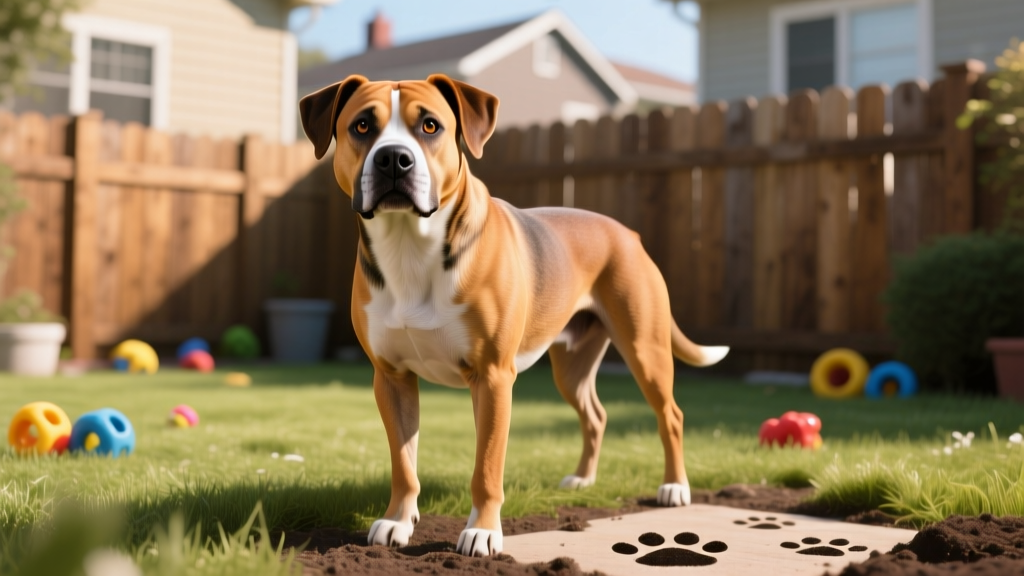
Golden Retriever Lab Mix: The Goldador Breed Profile & Care Guide
Everything about the Golden Retriever Lab mix (Goldador): size, temperament, health risks, exercise needs, grooming, and 2026 cost of ownership.

If you've been searching for a family dog that combines the gentle patience of a Golden Retriever with the athletic drive of a Labrador, the Golden Retriever Lab mix — often called the Goldador — deserves a serious look. This designer crossbreed has climbed steadily in popularity over the last decade, and for good reason: both parent breeds consistently rank among the top five most registered dogs with the American Kennel Club. But mixing two large, energetic retrievers isn't a shortcut to an easy dog. In this profile, we break down exactly what you can expect from a Goldador in terms of size, temperament, health predispositions, and lifetime cost.
Breed Overview: Origin, Size Class, and Lifespan
The Goldador is a first-generation (F1) or multigenerational cross between a purebred Golden Retriever and a purebred Labrador Retriever. Unlike many designer breeds that emerged as novelty experiments, the Golden Retriever Lab mix was intentionally developed starting in the late 1990s and early 2000s — primarily in the United States and the United Kingdom — for use as guide dogs, therapy dogs, and search-and-rescue candidates. The logic was straightforward: both parent breeds already dominated assistance-dog placement programs (Guide Dogs for the Blind reports that Labs and Goldens make up the vast majority of their breeding stock), so a cross could theoretically combine the Lab's resilience with the Golden's softer temperament while benefiting from hybrid vigor.
Neither the AKC nor the UKC recognizes the Goldador as a standalone breed. You'll find them registered with the Designer Registry of America and similar hybrid-breed organizations, but these registries don't carry the same weight as major kennel clubs. That said, reputable Goldador breeders will provide pedigree documentation for both parent dogs, including OFA (Orthopedic Foundation for Animals) hip and elbow clearances.
| Attribute | Details |
|---|---|
| Size Class | Large |
| Adult Weight | 60–80 lb (27–36 kg) |
| Adult Height | 21.5–24.5 in (55–62 cm) at the shoulder |
| Lifespan | 10–13 years |
| Coat Type | Medium-length double coat; water-resistant undercoat |
| Common Colors | Gold, cream, yellow, black, chocolate |
| Energy Level | High — 60–90 minutes of structured exercise daily |
| Grooming Frequency | Brushing 3–4× per week; bath every 6–8 weeks |
| Family Fit | Excellent with children and other dogs; moderate with cats |
Physical Characteristics: Size, Coat, and Build
Because the Golden Retriever Lab mix inherits genes from two similarly proportioned breeds, there's less size variability than you'd see in crosses between drastically different-sized parents. Most Goldadors land squarely in the large-breed category.
Weight: Males typically weigh 70–80 lb (32–36 kg); females tend to be 60–70 lb (27–32 kg). Puppies grow rapidly through the first 8 months and usually reach full skeletal maturity between 14 and 18 months. Watch for rapid growth spurts in the first 6 months — feeding a large-breed puppy formula (with controlled calcium-to-phosphorus ratios around 1.2:1) helps reduce the risk of developmental orthopedic disease.
Height: Expect 22–24.5 inches (56–62 cm) for males and 21.5–23 inches (55–58 cm) for females, measured at the withers.
Coat: This is where genetics play a lottery. A Goldador can inherit the Golden's longer, flowing feathered coat, the Lab's shorter, denser water-repellent coat, or a blend of both. Most land somewhere in the middle: a medium-length double coat with moderate feathering on the legs, chest, and tail. The undercoat is thick and soft, providing insulation — and shedding prolifically during spring and fall coat blows.
Build: Expect a broad skull, medium-length muzzle (not as narrow as a pure Lab's, not as wide as some Golden lines), dark brown or hazel eyes, and pendant ears that fold close to the head. The tail is usually straight or slightly curved — never curled over the back — and well-feathered.
Temperament & Personality: What Living With a Goldador Is Really Like
Both parent breeds are famously people-oriented, but they express that orientation differently. Labs tend to be boisterous and high-drive, especially through adolescence (which can stretch to age 3). Goldens are typically softer and more biddable. A Goldador's temperament depends on which parent's genes dominate, but most fall into a predictable range.
1. Eager to please, but not pushy. Unlike a Border Collie that will stare at you waiting for commands, a Goldador usually checks in with their handler during off-leash walks and responds well to verbal cues. They're not as handler-focused as a Golden, but they're noticeably more attentive than many hound or terrier breeds.
2. Mouthy and carry-oriented. Both Labs and Goldens were bred to retrieve game, and that instinct doesn't disappear in the cross. Expect your Goldador to greet visitors by presenting them with a shoe, a stuffed toy, or a throw pillow. This is endearing at 8 weeks and annoying at 8 months when the "gifts" are your running sneakers. Redirecting the carry instinct to appropriate items (a dedicated greeting toy basket near the door) works well with positive reinforcement.
3. Socially confident but not aggressive. Goldadors typically approach strangers with curiosity rather than suspicion. They make poor guard dogs — they're more likely to show a burglar the treat jar than bark at them. However, their size and deep bark can be a visual and auditory deterrent to casual trespassers.
4. High play drive through adulthood. Many Goldadors remain fetch-obsessed and water-loving well into their senior years. A 9-year-old Goldador I worked with still demanded two tennis-ball sessions a day, though his recovery time between throws had lengthened considerably.
5. Prone to separation distress if under-stimulated. Neither parent breed handles prolonged isolation well. A Goldador left alone for 8+ hours without enrichment will likely develop destructive habits: chewing door frames, digging at carpet, or vocalizing. Crate training from puppyhood and providing food-puzzle toys (like the Kong Classic or Outward Hound Nina Ottosson puzzles) are essential management strategies.
Exercise & Activity: How Much Does a Golden Retriever Lab Mix Need?
This is where first-time owners most commonly underestimate the breed. A Goldador is not a "moderate energy" dog that will be satisfied with a 15-minute leash walk around the block.
| Session | Duration | Activity Type |
|---|---|---|
| Morning | 30–40 min | Brisk leash walk or jog; sniffari (decompression walk on a long line) |
| Midday | 15–20 min | Fetch, flirt pole, or swimming session |
| Evening | 20–30 min | Training drills, puzzle feeders, or scent-work games |
For puppies under 12 months: Follow the "5 minutes per month of age" guideline for structured exercise — a 4-month-old puppy gets about 20 minutes of guided activity per session, twice daily. Free play in a fenced yard is fine to supplement, but avoid forced running on hard surfaces or repetitive jumping until growth plates close (typically 14–18 months for large breeds).
Best activities for Goldadors: Swimming (both parent breeds are natural swimmers — invest in a canine life jacket like the Ruffwear Float Coat for open-water outings), hiking on varied terrain, dock diving, nose work classes, and advanced obedience or rally competitions. They excel in any sport that combines physical movement with handler interaction.
Health Issues: What Is a Goldador Prone To?
While hybrid vigor (the tendency for crossbred dogs to have lower rates of recessive genetic disorders) provides some protection, Goldadors inherit predispositions from both parent breeds. Responsible breeders screen parent dogs through OFA and PennHIP evaluations — always ask for documentation.
| Condition | Prevalence / Notes | Screening / Prevention |
|---|---|---|
| Hip Dysplasia | Affects ~12–15% of Labs and ~20% of Goldens (OFA data) | PennHIP or OFA evaluation of parents; maintain lean body condition score (BCS 4–5/9) |
| Elbow Dysplasia | ~10–12% prevalence in parent breeds | OFA elbow radiographs; avoid excessive repetitive impact on hard surfaces during growth |
| Progressive Retinal Atrophy (PRA) | Autosomal recessive; both breeds carry prcd-PRA mutation | DNA test for prcd-PRA; annual CERF eye exams for breeding stock |
| Exercise-Induced Collapse (EIC) | Primarily Lab lineage; ~5–8% of Labs are carriers | DNA test available; avoid breeding two carriers |
| Hemangiosarcoma & Lymphoma | Goldens have notably high cancer rates (~60% die from cancer per Golden Retriever Club of America) | Regular wellness exams; monitor for new lumps, weight loss, or lethargy |
Additional concerns: Goldadors are at elevated risk for gastric dilatation-volvulus (GDV, or bloat), particularly if they have a deep-chested build. Feeding two smaller meals rather than one large meal, avoiding vigorous exercise within one hour of eating, and discussing prophylactic gastropexy with your veterinarian during spay/neuter surgery are evidence-based preventive strategies.
Always consult your veterinarian for personalized health screening recommendations for your Goldador. Early detection dramatically improves outcomes for hip dysplasia, cancer, and cardiac conditions.
Grooming Requirements: Tools, Frequency, and Shedding Reality
Let's be direct: a Goldador will shed. Year-round. And during the twice-annual coat blow (typically March–April and September–October), you'll find enough fur to build a second dog. Embracing the shedding and setting up a routine is more productive than fighting it.
| Task | Frequency | Recommended Tools |
|---|---|---|
| Brushing (full coat) | 3–4× per week; daily during coat blow | Undercoat rake (e.g., Furminator Large Long Hair), slicker brush |
| Bathing | Every 6–8 weeks or as needed | Oatmeal-based canine shampoo; high-velocity dryer for undercoat removal |
| Nail trimming | Every 3–4 weeks | Guillotine or scissor clippers; Dremel 7300-PT for grinding |
| Ear cleaning | Weekly (pendant ears trap moisture) | Veterinary ear cleanser (e.g., Epi-Otic Advanced); cotton balls |
| Teeth brushing | Daily or minimum 3× per week | Canine enzymatic toothpaste; finger brush or dual-head brush |
Pro tip: Invest in a high-velocity pet dryer (the B-Air Pet Dryer or similar, around $80–$120) for bath days. It blasts loose undercoat out in minutes and reduces drying time from an hour to about 15 minutes on a large dog. This is the single biggest grooming upgrade you can make for a double-coated breed.
Training & Intelligence: Trainability and Recommended Methods
Goldadors inherit strong trainability from both parent breeds. On Stanley Coren's intelligence ranking system (from The Intelligence of Dogs), both the Labrador and Golden Retriever rank in the top 10 for working/obedience intelligence — meaning they learn new commands in fewer than 5 repetitions and obey known commands on the first attempt 95% of the time or better. Most Goldadors fall in this same high-trainability range.
Recommended training approach: Positive reinforcement using food rewards, play rewards (tug and fetch are high-value for this cross), and verbal praise. Goldadors are sensitive to tone — harsh corrections or aversive tools (shock collars, prong collars, alpha rolls) damage the trust-based relationship that makes them so willing to work. Force-free, LIMA (Least Intrusive, Minimally Aversive) methods produce the best long-term results.
Key training milestones:
- 8–12 weeks: Name recognition, sit, basic crate training, handling desensitization (paw, ear, and mouth handling for future grooming and vet visits)
- 3–6 months: Leash walking foundations, recall in low-distraction environments, "drop it" and "leave it" (critical for a mouthy retriever)
- 6–12 months: Reliable recall with distractions, loose-leash walking in public, impulse control exercises (wait at doors, settle on mat)
- 12–18 months: Advanced obedience, introduction to dog sports (rally, nose work, dock diving) if desired
Socialization window: The critical socialization period closes around 14–16 weeks. Expose your Goldador puppy to diverse surfaces (gravel, metal grates, wet grass), sounds (traffic, thunder recordings, vacuum cleaners), people (children, people in hats, people using mobility aids), and other vaccinated dogs in controlled settings during this window. A well-socialized Goldador is a confident, adaptable adult; an under-socialized one may develop leash reactivity or fear-based responses.
Family Suitability: Kids, Other Pets, and Living Environments
Children: Goldadors are among the most reliable breeds around children, thanks to the low bite-inhibition threshold and patient temperament inherited from both parent breeds. That said, no dog of any breed should be left unsupervised with children under 6, and children should be taught to respect the dog's resting space (crate or bed). A 75-lb Goldador can accidentally knock over a toddler during enthusiastic greetings — management (baby gates, tethering during high-energy periods) protects both parties.
Other dogs: Generally excellent. Both parent breeds are dog-social, and Goldadors typically integrate smoothly into multi-dog households. Same-sex aggression is rare but can occur in intact males — spaying/neutering reduces this risk.
Cats and small animals: Moderate. The retriever prey drive means some Goldadors will chase cats, rabbits, or chickens. Early introduction and positive counter-conditioning can produce peaceful coexistence, but it's not guaranteed. Always supervise interactions until trust is established over several weeks.
Apartment living: Possible but challenging. A Goldador can adapt to apartment life if they receive the full 60–90 minutes of daily exercise and have access to nearby parks or trails. However, their size, shedding, vocal tendencies (some lines bark at hallway noises), and need for space make a house with a fenced yard a significantly better fit. If apartment living is your reality, commit to three structured outings daily and invest in a good vacuum.
Pros
- Highly trainable and eager to please
- Excellent with children and other dogs
- Versatile: excels in therapy, service, sport, and companionship roles
- Generally healthy with hybrid vigor benefits
- Adaptable to various climates thanks to double coat
Cons
- Heavy shedding year-round with seasonal coat blow
- High exercise needs — not suitable for sedentary owners
- Prone to separation distress if left alone long hours
- Large size requires significant food budget and space
- Cancer risk inherited from Golden Retriever lineage
Cost of Ownership: Puppy Price and Annual Care Budget
Puppy purchase price (2026 estimates): A Goldador from a health-tested breeder (OFA hips/elbows, DNA panels, CERF eye exams on both parents) typically costs $1,500–$3,000. Puppies marketed below $1,000 often come from breeders who skip health testing — this is a significant red flag. Adoption through a Lab or Golden Retriever breed rescue is an equally valid option and typically costs $300–$600, which usually includes spay/neuter, vaccinations, and a behavioral assessment.
| Expense Category | Low Estimate | High Estimate |
|---|---|---|
| High-quality kibble (large-breed formula, ~30 lb/month) | $600/year | $1,200/year |
| Preventive medications (heartworm, flea/tick) | $250/year | $450/year |
| Annual veterinary exams + vaccines | $300/year | $600/year |
| Pet insurance (comprehensive plan, $500 deductible) | $600/year | $1,200/year |
| Grooming supplies and professional grooming (if used) | $100/year | $500/year |
| Toys, enrichment, training classes | $200/year | $600/year |
| Total Estimated Annual Cost | $2,050 | $4,550 |
First-year budget note: Add $500–$1,200 to your first-year costs for initial setup (crate, bed, leash/harness, bowls, puppy vaccination series, spay/neuter surgery, microchipping). Over a 10–13 year lifespan, total ownership costs typically range from $25,000 to $55,000 — factoring in potential orthopedic surgeries ($3,000–$6,000 per hip) or cancer treatment ($5,000–$15,000+).
Frequently Asked Questions
Is the Golden Retriever Lab mix right for first-time dog owners?
Conditionally yes. Goldadors are forgiving of beginner mistakes in training (they're not as sensitive as herding breeds or as stubborn as terriers), but their exercise needs, size, and grooming demands are substantial. A first-time owner who is physically active, has access to outdoor space, and commits to puppy training classes can succeed. A first-time owner in a small apartment with a sedentary lifestyle should consider a lower-energy breed first.
How big does a Golden Retriever Lab mix get?
Adult Goldadors typically weigh 60–80 lb (27–36 kg) and stand 21.5–24.5 inches (55–62 cm) at the shoulder. Males trend toward the upper end of both ranges. Growth plateaus around 14–18 months of age, though some individuals continue filling out in chest and muscle mass through age 2.
How much exercise does a Goldador need every day?
A minimum of 60–90 minutes of structured physical and mental activity daily, split into two or three sessions. This should include aerobic exercise (running, swimming, fetch) and cognitive work (training drills, puzzle feeders, scent games). Under-exercised Goldadors are the ones that develop destructive chewing, excessive barking, and counter-surfing habits.
What health problems is the Golden Retriever Lab mix prone to?
The most significant breed-associated risks are hip and elbow dysplasia (combined prevalence of roughly 15–20% across parent breeds), progressive retinal atrophy, exercise-induced collapse (from the Lab side), and cancer — particularly hemangiosarcoma and lymphoma inherited from the Golden Retriever lineage. Bloat (GDV) is also a concern for deep-chested individuals. Regular veterinary screening and maintaining a lean body condition score are the two most impactful preventive measures.
Is a Goldador good with children and other pets?
Yes, with management. Goldadors are among the most child-tolerant large breeds, and they generally get along well with other dogs. Cat compatibility varies by individual — early positive exposure helps. Always supervise interactions between any dog and children under 6, and teach children to respect the dog's crate and resting areas as off-limits zones.
How much does a Golden Retriever Lab mix cost?
Puppy prices from health-tested breeders range from $1,500 to $3,000. Adoption through breed rescues costs $300–$600. Annual care costs range from approximately $2,050 to $4,550 depending on your region, food choices, insurance coverage, and whether you use professional grooming. Budget for potential emergency veterinary expenses of $2,000–$10,000+ over the dog's lifetime.
Do Goldadors shed a lot?
Yes — significantly. They shed moderately year-round and heavily during spring and fall coat transitions. Daily brushing during coat blow and 3–4× weekly brushing otherwise keeps loose fur manageable. A high-velocity pet dryer is the most effective tool for removing dead undercoat after baths.
Beth Carrasco
All our authors care for dogs every day — read more of their work on the authors page.