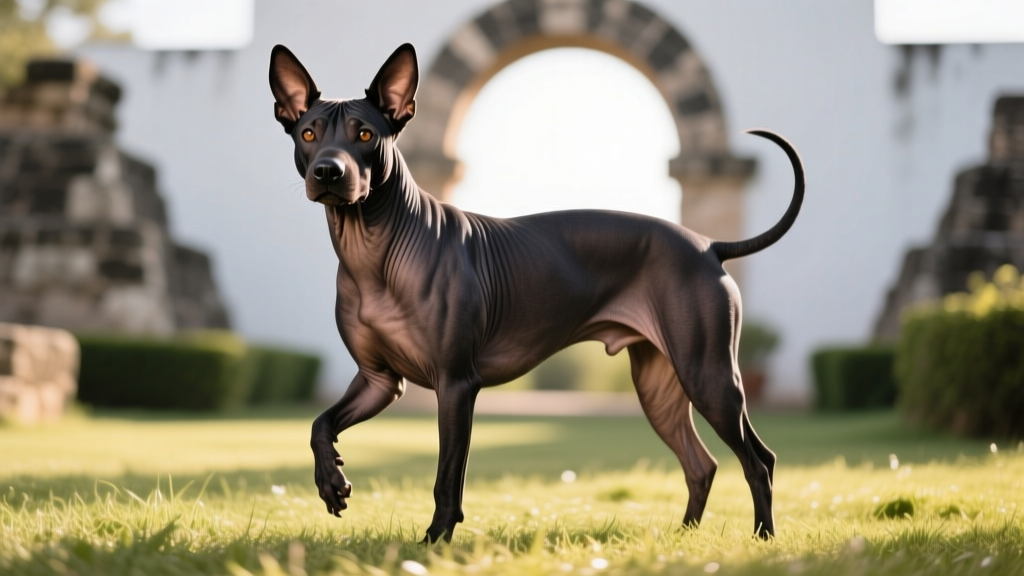
Dwarfism in Pitbulls
Is dwarfism in pitbulls a health risk or just a cosmetic trait? Learn the genetics, symptoms, care needs, and costs of owning a pitbull with dwarfism.

Understanding Dwarfism in Pitbulls: An Overview
Dwarfism in pitbulls isn't a separate breed — it's a genetic condition that can occur in American Pit Bull Terriers, American Staffordshire Terriers, and related bully-type breeds. The term "dwarfism pitbull" has gained traction among prospective owners curious about unusually short-legged or compact pitbulls, but understanding what's actually happening at the genetic level is essential before bringing one of these dogs home.
Canine dwarfism typically manifests in two forms: proportionate dwarfism (the dog is uniformly small but correctly proportioned) and disproportionate dwarfism (characterized by shortened limbs relative to body length, sometimes called chondrodysplasia). In pitbull-type breeds, disproportionate dwarfism is the more commonly observed form, often linked to mutations in the FGF4 retrogene — the same gene responsible for the short legs of breeds like Dachshunds and Corgis.
Most pitbulls with dwarfism fall into the medium size class when measured by body mass, but their height is significantly reduced compared to breed standards. According to the American Kennel Club, a standard American Staffordshire Terrier stands 17–19 inches at the shoulder; a pitbull with disproportionate dwarfism may stand only 10–14 inches while weighing within a similar or slightly reduced range.
| Attribute | Standard Pitbull | Pitbull with Dwarfism |
|---|---|---|
| Weight | 30–85 lb (14–39 kg) | 20–55 lb (9–25 kg) |
| Height | 17–21 in (43–53 cm) | 10–14 in (25–36 cm) |
| Lifespan | 12–16 years | 8–14 years (varies with severity) |
| Coat Type | Short, smooth, single coat | Short, smooth, single coat |
| Size Class | Medium to Large | Small to Medium |
| Energy Level | High | Moderate to High |
| Grooming Needs | Low (weekly brushing) | Low (weekly brushing) |
The lifespan of a pitbull with dwarfism depends heavily on the severity of the skeletal mutation and any secondary orthopedic conditions that develop. Dogs with mild chondrodysplasia and proactive veterinary care often live 12+ years, while those with severe spinal or joint complications may face a reduced lifespan of 8–10 years.
Physical Characteristics and Genetic Basis
A pitbull with dwarfism retains the breed's signature muscular build, broad skull, and tapered tail — but the limbs are noticeably shorter than expected. Key physical markers include:
- Shortened forelimbs and/or hindlimbs — the most visible trait, often apparent by 8–12 weeks of age
- Bowed front legs — carpal valgus (outward bowing at the wrist) is common in disproportionate dwarfism
- Elongated body relative to height — giving the dog a low-slung, Dachshund-like silhouette
- Broader chest — the ribcage develops normally while leg length is stunted
- Potential spinal curvature — kyphosis or lordosis may develop as the dog matures
The genetic mechanism behind disproportionate dwarfism involves a retrogene insertion of FGF4 (fibroblast growth factor 4) on chromosome 12 or chromosome 18. Research published in the Proceedings of the National Academy of Sciences confirmed that this mutation causes abnormal cartilage development during fetal growth, resulting in premature closure of growth plates in the long bones.
It's important to understand that dwarfism in pitbulls is not the result of intentional breeding in most cases. Unlike breeds where chondrodysplasia is a defining standard (Basset Hounds, Dachshunds), dwarfism in pitbulls typically arises as a spontaneous mutation or from carriers unknowingly bred together. Some unethical breeders have begun deliberately selecting for this trait to market "mini" or "pocket" pitbulls at premium prices — a practice that raises serious welfare concerns.
Temperament and Personality: What to Expect
Dwarfism affects the skeleton, not the brain. A pitbull with dwarfism carries the same core temperament traits as any other pitbull-type dog. Based on behavioral assessments and owner surveys, here are the five defining personality traits:
1. Human-Oriented and Affectionate
Pitbulls are famously people-focused. A dwarf pitbull will follow you from room to room, lean against your legs, and seek physical contact. They tend to form intense bonds with one or two primary caregivers and can develop separation anxiety if left alone for more than 4–5 hours regularly.
2. Confident and Bold
Despite their smaller stature, these dogs don't behave as though they're small. They'll approach larger dogs without hesitation, claim the center of the couch, and greet strangers with enthusiasm rather than timidity. This confidence can border on stubbornness during training sessions.
3. Play-Driven and Mouthy
Pitbulls play with their mouths — tugging, carrying toys, and gentle mouthing are normal behaviors. A dwarf pitbull will enthusiastically engage in tug-of-war, flirt pole sessions, and puzzle toys. Without appropriate outlets, this play drive redirects to furniture, shoes, and hands.
4. Dog-Selective Social Behavior
Many pitbulls exhibit same-sex aggression or selective tolerance with other dogs. This isn't universal, but it's common enough that early socialization and careful introductions are essential. A dwarf pitbull at a dog park may try to engage with dogs three times its size, which creates injury risk given its skeletal vulnerability.
5. Sensitive to Tone and Routine
These dogs read emotional cues acutely. Harsh corrections shut them down; a raised voice can trigger appeasement behaviors like lip-licking, yawning, or belly exposure. They thrive on predictable schedules and struggle with frequent changes in household routine.
Exercise and Activity Needs
Exercise planning for a pitbull with dwarfism requires balancing the breed's inherent drive and energy against the skeletal limitations imposed by shortened limbs and potential joint instability.
| Activity Type | Duration | Frequency | Notes |
|---|---|---|---|
| Leash walking (flat ground) | 20–30 minutes | Twice daily | Avoid hills and stairs; use a harness, not a collar |
| Controlled play (tug, fetch on grass) | 15–20 minutes | Daily | Keep fetch throws short (under 20 ft); avoid hard turns |
| Mental enrichment (puzzle feeders, snuffle mats) | 10–15 minutes | Daily | Critical for preventing boredom-related destruction |
| Swimming or hydrotherapy | 15–30 minutes | 1–2x per week | Excellent low-impact option; use a canine life jacket |
| Agility or jumping sports | — | Avoid | Spinal and joint impact risk is too high |
Total daily exercise should target 45–60 minutes of combined physical and mental activity. This is less than the 90+ minutes a standard pitbull needs, reflecting the dwarf dog's reduced capacity for sustained high-impact movement.
Activities to strictly avoid include jumping on/off furniture (use ramps), running on concrete or asphalt, agility equipment with jumps or A-frames, and roughhousing with larger dogs. The goal is to maintain lean muscle mass — which supports compromised joints — without creating impact forces that accelerate cartilage wear.
Common Health Issues in Pitbulls with Dwarfism
The skeletal abnormalities associated with dwarfism create a cascade of secondary health risks. Not every dwarf pitbull will develop all of these conditions, but owners should be aware of prevalence rates and early warning signs. Always consult your veterinarian for diagnosis and treatment planning.
| Condition | Description | Estimated Prevalence | Typical Onset | Treatment Cost Range |
|---|---|---|---|---|
| Intervertebral Disc Disease (IVDD) | Herniation or rupture of spinal discs, causing pain, weakness, or paralysis | 15–25% in chondrodysplastic dogs | 3–7 years | $3,000–$8,000 (surgical) |
| Hip Dysplasia | Malformation of the hip joint leading to arthritis and lameness | 20–30% (higher than standard pitbulls) | 1–4 years | $1,500–$6,000 per hip |
| Patellar Luxation | Kneecap slipping out of position, causing intermittent skipping gait | 10–15% | 6 months–3 years | $1,000–$3,500 per knee |
| Elbow Dysplasia | Abnormal development of the elbow joint, common in bowed-front-limb dogs | 10–20% | 4–10 months | $1,500–$4,000 |
| Early-Onset Osteoarthritis | Degenerative joint disease accelerated by abnormal biomechanics | 40–60% by age 7 | 3–7 years | $50–$200/month (management) |
According to the Merck Veterinary Manual, chondrodysplastic dogs carry inherently higher risks for disc disease because their intervertebral discs undergo premature calcification — the same mechanism that affects Dachshunds, but in a heavier, more muscular body that places greater mechanical stress on the spine.
Preventive measures include maintaining a lean body condition score (BCS 4–5 out of 9), providing joint supplements containing glucosamine hydrochloride (minimum 500 mg for a 30 lb dog) and omega-3 fatty acids, avoiding obesity at all costs, and scheduling annual orthopedic examinations starting at age 2.
- Sudden hind limb weakness, dragging, or inability to stand
- Vocalization (yelping, whining) when picked up or when jumping
- Loss of bladder or bowel control
- Reluctance to move, eat, or drink for more than 12 hours
- Visible spinal curvature that worsens over days
Grooming, Training, and Daily Care
Grooming Requirements
The short, single-layer coat of a pitbull requires minimal grooming regardless of whether dwarfism is present. Follow this schedule:
- Brushing: Once weekly with a rubber curry brush or bristle brush (Kong ZoomGroom works well) to distribute oils and remove loose hair
- Bathing: Every 6–8 weeks, or as needed; use a gentle oatmeal-based shampoo to avoid drying the skin
- Nail trimming: Every 2–3 weeks — this is especially important for dwarf pitbulls because overgrown nails alter foot angle and increase joint strain on already-shortened limbs
- Ear cleaning: Every 2 weeks with a veterinarian-approved ear cleanser; pitbulls are prone to allergies that cause ear inflammation
- Dental care: Daily tooth brushing with enzymatic canine toothpaste; pitbulls are predisposed to periodontal disease starting around age 3
Training and Intelligence
Pitbulls rank as moderately high in working intelligence — they learn new commands in 15–25 repetitions and obey known commands on the first attempt approximately 70–85% of the time, according to canine intelligence assessments. A dwarf pitbull is equally trainable; the physical condition does not affect cognitive ability.
Use only positive reinforcement and force-free training methods. Recommended approaches include:
- Marker-based training (clicker or verbal marker like "yes!") paired with high-value food rewards (freeze-dried liver, boiled chicken)
- Shaping — rewarding successive approximations toward a target behavior, which works well for pitbulls' problem-solving tendencies
- Capture training — marking and rewarding spontaneous behaviors like sit, down, or eye contact
- Desensitization and counter-conditioning for leash reactivity toward other dogs, which is common in the breed
Never use shock collars, prong collars, choke chains, or alpha rolls. These aversive methods increase fear-based aggression and damage the trust-based relationship pitbulls need to thrive. If your dog shows reactivity or resource guarding, consult a certified professional dog trainer (CPDT-KA) or a veterinary behaviorist (DACVB).
Family Suitability and Living Environment
- Deeply affectionate and bond-oriented with family members
- Smaller size makes them more manageable in apartments (400+ sq ft recommended)
- Generally patient with respectful children aged 8+ who understand dog body language
- Lower exercise requirements than a standard pitbull (45–60 min vs. 90+ min)
- Minimal grooming and shedding
- Higher veterinary costs due to orthopedic conditions ($2,000–$5,000/year in middle age)
- Not reliable with small pets (cats, rabbits) due to prey drive
- Dog-dog socialization requires ongoing management
- Ramps and modified furniture access needed throughout the home
- May face breed-specific legislation (BSL) in some jurisdictions — check local laws
With children: A well-socialized dwarf pitbull is typically gentle and tolerant with children who have been taught proper dog interaction (no ear pulling, no climbing on the dog, no approaching while eating). The dog's smaller size actually reduces the risk of accidental knockdowns compared to a 70 lb standard pitbull. However, toddlers and preschoolers should always be supervised — any dog, regardless of breed, can react defensively to painful or frightening handling.
With other dogs: Plan for careful, gradual introductions on neutral territory. Same-sex pairs are more likely to have conflicts. A dwarf pitbull living with a much larger dog faces injury risk during play; size-matched companions are safer.
Apartment living: A dwarf pitbull adapts better to apartment life than a standard pitbull due to lower exercise volume needs and smaller physical footprint. Key requirements include access to a ground-level outdoor area (carrying a 40 lb dog down flights of stairs daily is impractical and risky for their spine), sound desensitization training to manage alert barking, and a no-stairs policy using ramps or elevators.
Cost of Ownership
Owning a pitbull with dwarfism involves higher costs than a standard pitbull, primarily driven by orthopedic veterinary care. Here's a realistic breakdown:
| Expense Category | First Year | Annual (Years 2–7) | Senior Years (8+) |
|---|---|---|---|
| Puppy purchase (responsible breeder with health testing) | $2,000–$4,500 | — | — |
| Adoption fee (rescue, if available) | $200–$600 | — | — |
| Veterinary care (exams, vaccines, preventives) | $800–$1,500 | $600–$1,200 | $1,500–$4,000 |
| Orthopedic diagnostics (X-rays, potential MRI) | $300–$800 | $200–$600 | $500–$2,500 |
| Joint supplements and pain management | $150–$300 | $300–$800 | $600–$1,500 |
| Food (high-quality, AAFCO-approved) | $400–$700 | $400–$700 | $400–$700 |
| Pet insurance (accident + illness) | $600–$1,200 | $700–$1,500 | $1,200–$2,400 |
| Supplies (harness, ramps, crate, toys) | $400–$800 | $150–$300 | $150–$300 |
| Estimated Total | $4,850–$10,800 | $2,350–$5,100 | $4,350–$11,400 |
Pet insurance is strongly recommended. Look for policies that do not exclude hereditary or congenital conditions — some insurers will deny orthopedic claims for known chondrodysplastic dogs unless the policy was purchased before any symptoms appeared. Companies like Trupanion and Healthy Paws cover hereditary conditions without per-incident caps, though premiums for a pre-diagnosed dwarf pitbull may be 20–40% higher than standard rates.
Finding a Dwarf Pitbull Responsibly
If you're specifically seeking a pitbull with dwarfism, proceed with caution. Ethical breeders do not intentionally breed for dwarfism because it constitutes a health-compromising genetic defect, not a desirable trait. Breeders marketing "mini pitbulls," "pocket bullies," or "compact pitbulls" at premium prices ($5,000–$10,000) are typically prioritizing novelty over canine welfare.
Responsible pathways to ownership include:
- Breed-specific rescues: Organizations like Bad Rap Rescue and the Pit Bull Rescue Center occasionally take in dogs with physical abnormalities, including dwarfism. These dogs are typically already evaluated for health and temperament.
- General shelters: Dwarf pitbulls sometimes appear in municipal shelters when owners surrender them due to unexpected veterinary costs.
- Ethical breeders who happen to produce a dwarf puppy: Occasionally, two carrier parents produce a chondrodysplastic puppy in an otherwise healthy litter. A responsible breeder will disclose this, provide full genetic testing documentation (OFA, PennHIP), price the puppy at or below standard rates, and offer a take-back guarantee.
Before committing, request the following documentation: OFA or PennHIP hip and elbow scores for both parents, a DNA panel showing FGF4 retrogene status, and a veterinary orthopedic examination report for the puppy. According to the ASPCA, always verify breeder claims independently through your own veterinarian.
Frequently Asked Questions
Is a dwarf pitbull right for first-time dog owners?
A dwarf pitbull can work for a committed first-time owner who has researched the breed thoroughly and has access to a veterinary orthopedic specialist. However, the combination of breed-specific behavioral traits (dog selectivity, high play drive, sensitivity) and the medical management requirements of dwarfism makes this a more demanding choice than many starter breeds. First-time owners should strongly consider working with a professional trainer from day one and enrolling in puppy socialization classes before 16 weeks of age.
How much exercise does a dwarf pitbull need daily?
Plan for 45–60 minutes of combined activity per day, split across two or three sessions. This includes 20–30 minutes of leash walking on flat terrain, 15–20 minutes of controlled play, and 10–15 minutes of mental enrichment through puzzle toys or scent work. Avoid high-impact activities like jumping, sprinting on hard surfaces, and stair climbing.
What health problems is a dwarf pitbull prone to?
The primary concerns are Intervertebral Disc Disease (IVDD), hip dysplasia, elbow dysplasia, patellar luxation, and early-onset osteoarthritis. The estimated prevalence of at least one significant orthopedic condition by age 7 is 40–60%. Regular veterinary monitoring, weight management, and joint supplementation can slow progression but cannot eliminate genetic risk entirely.
How big does a dwarf pitbull get as an adult?
Adult weight typically ranges from 20–55 lb (9–25 kg), and height at the shoulder falls between 10–14 inches (25–36 cm). Size varies depending on whether the dwarfism is proportionate or disproportionate and the severity of the FGF4 mutation expression. Males tend toward the upper end of these ranges.
Is a dwarf pitbull good with children and other pets?
With respectful children aged 8 and older, a well-socialized dwarf pitbull is typically patient and affectionate. Always supervise interactions between any dog and young children. With other dogs, expect selective tolerance — early and ongoing socialization helps but doesn't guarantee dog-friendliness. With cats and small animals, prey drive is a real concern; cohabitation requires careful management and may not be safe long-term.
How much does a dwarf pitbull cost to buy and maintain?
Adoption fees range from $200–$600; breeder prices range from $2,000–$4,500 (avoid anyone charging premiums specifically for dwarfism). Annual maintenance costs run $2,350–$5,100 during adulthood, escalating to $4,350–$11,400 per year in the senior phase when orthopedic conditions typically require more intensive management. Pet insurance adds $600–$2,400 annually but can prevent catastrophic out-of-pocket surgical expenses.
This article is for informational purposes only and does not replace professional veterinary advice. Always consult your veterinarian for diagnosis, treatment, and ongoing care decisions for your dog. If you suspect your dog has ingested a toxic substance, contact the ASPCA Animal Poison Control Center at (888) 426-4435 (24/7, consultation fee applies).
Robin Maitland
All our authors care for dogs every day — read more of their work on the authors page.