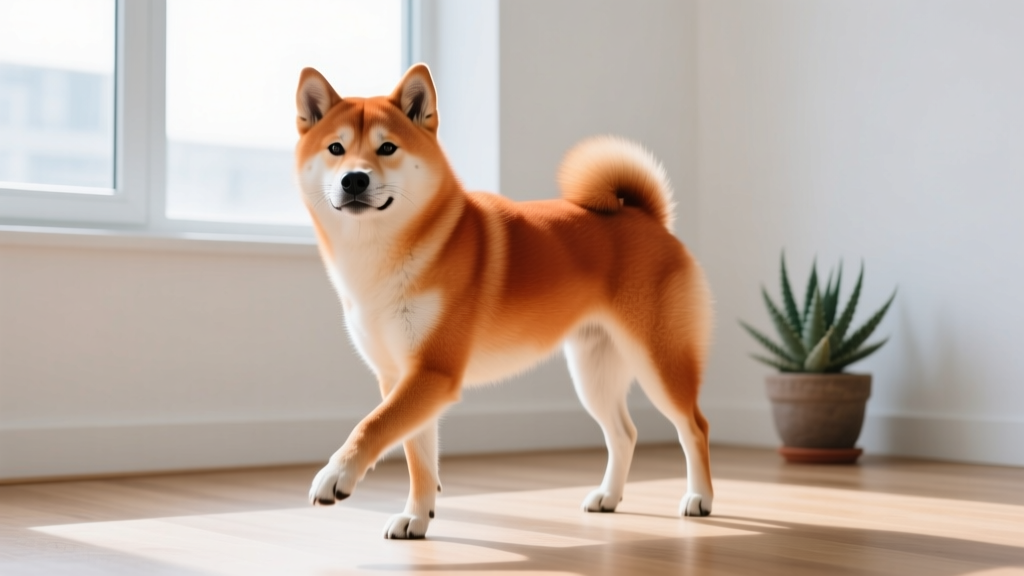
Full Grown German Shepherd
Everything about a full grown German Shepherd: adult size, weight, temperament, health risks, exercise needs, grooming, and real ownership costs.

What to Expect From a Full Grown German Shepherd
The German Shepherd Dog (GSD) consistently ranks among the top five most popular breeds in the United States, and for good reason. Originally developed in late-19th-century Germany by Captain Max von Stephanitz as an all-purpose herding and working dog, the breed has since become a staple in police K-9 units, search-and-rescue teams, service dog programs, and family homes. But living with a full grown German Shepherd is a serious commitment — these are large, intelligent, high-drive dogs that need structured exercise, ongoing training, and proactive health management.
This guide breaks down exactly what adult German Shepherds look like, how they behave, what they cost, and the health conditions you should prepare for. Whether you're researching before adoption or already sharing your couch with a GSD, you'll find specific, actionable information here.
| Attribute | Details |
|---|---|
| Size Class | Large |
| Adult Weight (Male) | 65–90 lb / 29–41 kg |
| Adult Weight (Female) | 50–70 lb / 23–32 kg |
| Adult Height (Male) | 24–26 inches / 61–66 cm at the shoulder |
| Adult Height (Female) | 22–24 inches / 56–61 cm at the shoulder |
| Lifespan | 7–10 years (median ~9 years) |
| Coat Type | Double coat — medium or long; colors include black & tan, sable, all-black, black & red |
| Energy Level | High |
| Grooming | Brushing 3–4× per week; heavy shedding seasons 2× per year |
| AKC Group | Herding Group |
| Trainability | Very high — ranks 3rd in Stanley Coren's intelligence rankings |
How Big Does a Full Grown German Shepherd Get?
German Shepherds are squarely in the large-breed category. Males are noticeably more substantial than females, often carrying 15–20 lb more muscle mass. According to the AKC breed standard, a mature male stands 24–26 inches at the withers and weighs 65–90 lb (29–41 kg). Females stand 22–24 inches and weigh 50–70 lb (23–32 kg).
Growth timeline matters here. German Shepherds reach close to their full height by 12–18 months, but they continue filling out in chest and muscle until roughly 24–36 months of age. Many owners mistake an 18-month-old GSD as "done growing" and increase food portions too aggressively, contributing to obesity — a significant risk factor for joint disease in this breed.
Body condition scoring (BCS): A healthy adult GSD should score 4–5 out of 9 on the body condition scale. You should be able to feel ribs without pressing hard, and there should be a visible waist tuck when viewed from above. Because GSDs carry a naturally sloping topline (in show lines), owners sometimes misread weight distribution — a vet tech can help you calibrate.
Temperament & Personality: Living With the Breed
German Shepherds are not generic "loyal family dogs." Their temperament reflects generations of selective breeding for specific working traits. Here are the core behavioral patterns you'll encounter:
1. Aloofness with strangers. A well-socialized GSD is confident but reserved around new people. They typically won't rush to greet visitors the way a Labrador might. This is a breed-standard trait, not shyness — but without proper socialization during the 3–14 week critical period, reservation can tip into fear-based reactivity.
2. High handler focus. GSDs bond intensely with their primary person and watch them closely for cues. This makes them exceptionally trainable but also prone to developing separation distress if left alone for long stretches without enrichment. Expect your GSD to follow you room-to-room.
3. Herding instinct. Even in pet-line dogs, you may see circling behavior, nipping at heels during play, or attempts to "gather" children or other pets. This isn't aggression — it's hardwired herding drive that needs redirection, not punishment.
4. Protective instinct. GSDs will position themselves between their family and perceived threats. This is context-dependent: a well-socialized dog distinguishes between a delivery driver and a genuine threat. Poorly socialized dogs may generalize and react to all strangers or other dogs.
5. Play drive and prey drive. Most GSDs have strong ball/tug drive and moderate-to-high prey drive. Small animals like cats, rabbits, or chickens may trigger chase behavior unless the dog was raised alongside them from puppyhood.
Exercise & Activity: What a German Shepherd Actually Needs
Vague advice like "moderate daily exercise" doesn't cut it for this breed. A full grown German Shepherd needs structured, mentally engaging activity to stay physically sound and behaviorally stable.
| Activity Type | Duration | Frequency | Examples |
|---|---|---|---|
| Aerobic exercise | 45–60 minutes | Daily | Brisk leash walking, jogging (after 18 months), hiking, swimming |
| Structured training | 15–30 minutes | 4–5× per week | Obedience drills, scent work, trick training, rally |
| Mental enrichment | 20–30 minutes | Daily | Puzzle feeders, snuffle mats, frozen Kongs, hide-and-seek |
| Free play / social | 20–30 minutes | 3–4× per week | Off-leash dog park (if socialized), playdates, flirt pole |
Total daily commitment: 90–120 minutes of combined physical and mental activity.
A few important notes:
- High-impact exercise (running on hard surfaces, jumping, agility) should be avoided until growth plates close — typically 18–24 months for large breeds. Premature high-impact activity increases hip and elbow dysplasia risk.
- Swimming is one of the best exercises for GSDs because it builds cardiovascular fitness and muscle without joint loading.
- Scent work and nose games tire a GSD mentally faster than a long walk. Ten minutes of "find it" games can equal a 30-minute walk in terms of mental fatigue.
- Under-exercised German Shepherds develop problem behaviors: destructive chewing, excessive barking, pacing, and leash reactivity. This is the number one reason GSDs end up in rescue.
Common Health Issues in German Shepherds
The German Shepherd's lifespan of 7–10 years is shorter than many breeds of similar size, largely due to a cluster of inherited conditions. Responsible breeders screen for these, but even well-bred dogs can develop them. Always consult your veterinarian for diagnosis and treatment plans — the information below is for awareness, not self-diagnosis.
| Condition | Description | Estimated Prevalence | Typical Onset | Management |
|---|---|---|---|---|
| Hip Dysplasia | Malformation of the hip joint leading to osteoarthritis | ~19–20% (OFA data) | Signs from 5–12 months; worsens with age | Weight management, joint supplements (glucosamine/chondroitin), NSAIDs, surgical options (FHO, total hip replacement) |
| Elbow Dysplasia | Abnormal elbow joint development causing lameness | ~15–17% (OFA data) | 4–10 months | Surgical correction, pain management, restricted high-impact activity |
| Degenerative Myelopathy (DM) | Progressive spinal cord disease causing rear-limb weakness and eventual paralysis | Carrier rate ~35%; affected ~5–7% | Typically 8+ years | No cure; physical therapy, mobility carts, supportive care |
| Gastric Dilatation-Volvulus (GDV / Bloat) | Stomach twists and fills with gas — life-threatening emergency | Lifetime risk ~5–6% in deep-chested breeds | Any age, peak 4–7 years | Emergency surgery; prophylactic gastropexy recommended at spay/neuter |
| Hemangiosarcoma | Aggressive cancer of blood vessel lining, often affecting spleen or heart | GSDs are 2.67× more likely than average | Typically 8–10 years | Splenectomy if localized, chemotherapy; prognosis generally poor |
If your German Shepherd shows a distended abdomen, unproductive retching (trying to vomit but nothing comes up), restlessness, drooling, or pale gums — go to an emergency vet immediately. GDV can kill within hours. Keep your nearest 24-hour emergency clinic number saved in your phone.
Preventive health testing to ask breeders about: OFA hip and elbow evaluations (not just "vet checked"), DM genetic test results (clear, carrier, or at-risk), cardiac evaluation, and thyroid panel. The Orthopedic Foundation for Animals maintains a public database where you can verify any dog's health clearances by registration number.
Grooming: Managing the Double Coat
German Shepherds have a dense double coat — a harsh, straight outer coat over a thick, soft undercoat. They shed moderately year-round and "blow" their undercoat heavily twice a year (typically spring and fall). During blow-out periods, you'll pull out tufts of undercoat that look like you could build a second dog.
Weekly routine (non-shedding season):
- Brush 3–4 times per week with an undercoat rake (like the Furminator or a comparable de-shedding tool) followed by a slicker brush for the topcoat
- Check and clean ears weekly with a veterinary ear cleaner — GSDs' upright ears trap less debris than floppy ears but still need monitoring
- Trim nails every 2–3 weeks if they don't wear down naturally on pavement
During coat blow (spring/fall, lasting 2–4 weeks):
- Daily brushing with an undercoat rake — expect 15–20 minutes per session
- A high-velocity dryer (like the MetroVac Air Force Commander, ~$120–$160) dramatically speeds up undercoat removal
- Bathing with a de-shedding shampoo can help loosen dead undercoat before brushing
Never shave a German Shepherd. The double coat provides insulation against both heat and cold. Shaving disrupts the coat's thermoregulation, can cause sunburn on exposed skin, and the coat may not grow back correctly — a condition called post-clipping alopecia.
Training & Intelligence
In neuropsychologist Stanley Coren's ranking of canine working intelligence, the German Shepherd ranks 3rd out of 138 breeds — able to learn a new command in fewer than 5 repetitions and obey known commands on the first attempt 95% of the time or better. This intelligence is a double-edged sword: a GSD that isn't given mental work will invent its own, and you probably won't like what it comes up with.
Recommended training approach: Positive reinforcement methods using food rewards, toy rewards, and praise. GSDs are sensitive to handler emotion and respond poorly to harsh corrections. Force-free, reward-based training builds the confident, reliable working partnership this breed excels at.
Training milestones for a well-adjusted adult GSD:
- Foundation obedience (by 6 months): Sit, down, stay, recall, loose-leash walking, settle on a mat
- Intermediate skills (6–12 months): Duration stays, reliable recall with distractions, place command, impulse control (leave-it, wait at doors)
- Advanced options (12+ months): AKC Canine Good Citizen, rally obedience, scent work, tracking, protection sports (IGP/Schutzhund with qualified trainers only), therapy dog certification
Socialization is non-negotiable. Between 8–16 weeks, a GSD puppy should have positive, controlled exposure to 50+ novel experiences: different surfaces, sounds, people (children, elderly, people in uniforms, people using mobility aids), other dogs of various sizes, vehicles, and environments. Inadequate socialization is the primary driver of fear-based aggression in adult GSDs.
Family Suitability: Kids, Other Pets, and Living Spaces
Strengths in a Family Setting
- Deeply loyal and protective of family members, including children they're raised with
- Patient and tolerant with children when properly socialized and supervised
- Highly trainable — can learn household rules, boundaries, and gentle play quickly
- Versatile: adapts to active families, hiking, camping, and outdoor lifestyles
- Strong bond with primary caregivers; genuinely wants to be part of family activities
Challenges to Consider
- Herding instinct may cause nipping at running children or attempts to "corral" toddlers
- High prey drive can make cohabitation with cats, rabbits, or small dogs risky without careful introduction and management
- Size and strength mean an excited GSD can accidentally knock over small children or elderly family members
- Not well-suited to apartment living unless the owner commits to 90+ minutes of daily outdoor activity
- Heavy shedding means dog hair on furniture, clothing, and in food — this is a fact of life
With children: German Shepherds raised alongside children from puppyhood are typically excellent family dogs. However, no dog of this size should be left unsupervised with children under 8. Teach children not to approach the dog while eating, sleeping, or chewing a bone — resource guarding can develop in any breed.
With other dogs: Same-sex aggression (particularly male-male) is more common in GSDs than in many breeds. Opposite-sex pairings tend to work better in multi-dog households. Early and ongoing socialization with other dogs is essential.
Apartment living: Possible but demanding. A GSD in an apartment needs dedicated daily exercise outside the unit — not just a quick potty walk. Access to a yard or nearby park is strongly recommended. Noise (barking at hallway sounds) can be a problem in shared-wall buildings without desensitization training.
Cost of Owning a German Shepherd
German Shepherds are expensive to purchase and maintain. Here's a realistic breakdown based on 2025–2026 U.S. pricing:
| Expense Category | Estimated Cost | Notes |
|---|---|---|
| Puppy from a responsible breeder | $1,500–$5,000 | Health-tested parents, OFA certifications, AKC registration, take-back clause. Working/show lines often $3,000–$5,000+ |
| Adoption from breed rescue | $300–$600 | German Shepherd rescue organizations often have adult dogs; includes spay/neuter, vaccines, and basic vetting |
| First-year veterinary care | $800–$1,500 | Puppy vaccine series (DHPP, rabies, bordetella), spay/neuter ($400–$800), microchip, heartworm test, fecal exam |
| Annual veterinary care (adult) | $600–$1,200 | Annual exam, vaccines, heartworm prevention (~$120–$180/year), flea/tick prevention (~$150–$250/year) |
| Food (high-quality large breed) | $600–$1,000/year | 60–90 lb dog eating 3–4 cups/day of AAFCO-approved kibble at $50–$80 per 30-lb bag |
| Pet insurance | $50–$100/month | Varies by age, deductible, and coverage level. Enrolling as a puppy avoids pre-existing condition exclusions |
| Grooming supplies | $50–$150/year | Undercoat rake, slicker brush, nail clippers, ear cleaner; professional grooming optional ($50–$80 per session) |
| Training classes | $200–$600 | Group puppy class ($150–$250 for 6-week course); private sessions $80–$150/hour if needed |
| Prophylactic gastropexy | $300–$800 | Often performed at time of spay/neuter to prevent GDV; highly recommended for GSDs |
Estimated first-year total: $3,500–$8,000+ depending on whether you buy from a breeder or adopt, your region, and any unexpected health issues. Ongoing annual cost: $2,000–$4,500 for a healthy adult, significantly more if chronic conditions like hip dysplasia or DM develop.
Is a German Shepherd Right for First-Time Owners?
This is one of the most common questions prospective GSD owners ask, and the honest answer is: it depends, but generally it's a challenging first breed.
German Shepherds require more training, socialization, exercise, and health management than most beginner-friendly breeds like Labrador Retrievers or Golden Retrievers. A first-time owner who is committed to attending puppy classes, hiring a qualified positive-reinforcement trainer, dedicating 90+ minutes daily to exercise, and learning canine body language can succeed — but the margin for error is smaller. Mistakes in socialization, exercise management, or training consistency show up faster and more dramatically in a GSD than in a more forgiving breed.
If you're a first-time owner set on a German Shepherd, consider adopting an adult dog (3+ years) from a reputable breed rescue. Adult dogs have established temperaments, are often already house-trained and know basic commands, and rescue organizations can match you with a dog whose energy level and personality fit your experience.
Frequently Asked Questions
At what age is a German Shepherd considered fully grown?
German Shepherds reach their full height by 12–18 months but continue to fill out in muscle and chest width until 24–36 months. Females typically mature faster than males. You'll see the most dramatic physical changes between 6–12 months, when they go through their "awkward teenage" phase — long legs, narrow chest, and sometimes uneven growth that can alarm new owners but is normal.
How much exercise does a full grown German Shepherd need daily?
Plan for a minimum of 90 minutes of combined physical exercise and mental stimulation every day. This should include 45–60 minutes of aerobic activity (walking, hiking, swimming) plus 15–30 minutes of structured training or puzzle-based enrichment. Dogs from working lines (Czech, East German, Belgian lines) often need more — up to 2+ hours daily.
What health problems are German Shepherds most prone to?
The most significant breed-specific conditions are hip dysplasia (~20% prevalence per OFA), elbow dysplasia (~15–17%), degenerative myelopathy (carrier rate ~35%), gastric dilatation-volvulus/bloat, and hemangiosarcoma. Exocrine pancreatic insufficiency (EPI) and allergies (environmental and food) are also more common in GSDs than the general dog population. Working with a breeder who performs OFA and genetic testing significantly reduces — but does not eliminate — these risks.
Are German Shepherds good with children?
Well-socialized German Shepherds raised with children are typically excellent family companions — patient, protective, and engaged. However, their size (a full grown male can weigh 90 lb) and herding instincts (nipping at running children) require active management. Always supervise interactions between any dog and children under 8, and teach children appropriate behavior around dogs.
Do German Shepherds get along with cats and other pets?
It depends heavily on the individual dog's prey drive and early exposure. GSDs raised with cats from puppyhood often coexist peacefully. Introducing an adult GSD with high prey drive to a cat household is risky and requires careful, gradual desensitization — and even then, unsupervised access should never be granted. Same-sex dog aggression is more common in this breed than average.
How much does a German Shepherd cost to buy and maintain annually?
Puppies from responsible breeders cost $1,500–$5,000. Adoption from a breed rescue runs $300–$600. Annual maintenance for a healthy adult (food, vet care, prevention medications, supplies) typically falls between $2,000–$4,500. If your dog develops hip dysplasia requiring surgery ($3,500–$7,000 per hip) or a chronic condition, costs can climb significantly. Pet insurance is strongly recommended.
What's the difference between show-line and working-line German Shepherds?
Show-line GSDs (American/Canadian lines) tend to have a more pronounced sloping topline, calmer energy, and are bred primarily for conformation. Working-line dogs (Czech, East German/DDR, West German working lines) have straighter toplines, higher drive, more intensity, and need significantly more exercise and mental stimulation. For most pet households, show-line or mixed-line dogs from health-tested parents are a better fit than high-drive working lines.
Sources referenced: American Kennel Club — German Shepherd Dog, Orthopedic Foundation for Animals — Hip Dysplasia Breed Statistics, Merck Veterinary Manual.
Anouk Beaumont
All our authors care for dogs every day — read more of their work on the authors page.