Xolo Dog Breed Profile: The Hairless Aztec Companion Explained
Complete xolo dog breed guide covering history, temperament, hairless care needs, health risks, cost, and whether this rare Aztec breed fits your family.
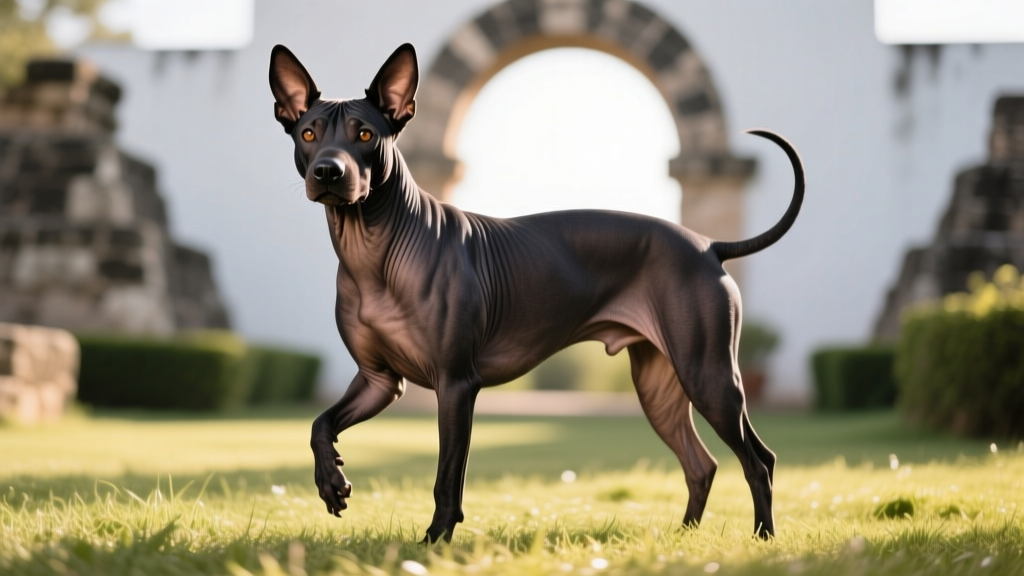
If you have never seen a Xoloitzcuintli in person, you are not alone. The xolo dog — pronounced "show-low" — remains one of the rarest breeds registered with the American Kennel Club, with fewer than 1,000 dogs registered annually in the United States as of 2025. Yet this ancient breed has existed for over 3,000 years, serving as a healer, guardian, and spiritual guide for Mesoamerican civilizations long before European contact.
Whether you encountered a xolo dog online, at a rare-breed dog show, or through the 2017 Pixar film Coco, you probably have questions. This guide covers everything prospective owners need to know — from the breed's pre-Columbian origins to the very specific skin care a hairless xolo requires, realistic costs, and what surprises most first-time xolo owners about living with one.
Origin and History: A 3,000-Year Legacy from Mesoamerica
The Xoloitzcuintli originated in what is now western and central Mexico. The breed's name comes from the Nahuatl language of the Aztec (Mexica) people: Xolotl, the god of lightning and death, combined with itzcuintli, meaning dog. Archaeological evidence — including ceramic figurines and actual canine remains found in burial sites across Colima, Nayarit, and Michoacán — confirms that dogs matching the xolo's distinctive morphology lived alongside humans in the region as early as 1500 BCE.
- ~1500 BCE: Earliest archaeological evidence of hairless dogs in western Mexico (Colima shaft tombs).
- ~300 BCE–300 CE: Ceramic xolo figurines become common grave goods in Colima and Nayarit cultures, believed to guide souls through the underworld (Mictlán).
- 1300s–1500s CE: Aztec civilization keeps xolos as bed warmers, food sources, and spiritual protectors. The Florentine Codex documents the breed.
- 1519–1521: Spanish conquest nearly drives the breed to extinction through systematic culling and interbreeding with European dogs.
- 1887: The xolo is initially registered by the AKC as the "Mexican Hairless" but dropped from the stud book in 1959 due to low registration numbers.
- 1950s–1960s: Mexican canine authorities and enthusiasts begin organized preservation efforts; the breed becomes Mexico's national dog.
- 2011: The AKC re-admits the Xoloitzcuintli into the Non-Sporting Group (toy and miniature varieties placed in the Toy Group).
- 2025: The breed ranks approximately 135th out of 201 AKC-recognized breeds in popularity — still rare, but growing steadily.
The xolo's historical purpose was multi-functional. Indigenous peoples used them as bed warmers (their naturally high body temperature made them living heating pads), spiritual guides (believed to escort the dead through Mictlán), and occasionally as a food source for ceremonial occasions. They were not hunting or herding dogs — they were, first and foremost, companions and protectors of the home.
According to the American Kennel Club breed standard, the xolo is recognized in three sizes: Toy (10–14 inches at the shoulder), Miniature (14–18 inches), and Standard (18–23 inches). The AKC admitted the breed in 2011. The Fédération Cynologique Internationale (FCI) recognizes the breed under Group 5, Section 6 (Primitive Type), and the United Kennel Club (UKC) lists the breed in its Southern Group.
What Does a Xolo Dog Actually Look Like?
The most striking feature of the xolo dog is that most of them are hairless — but not all. The breed comes in two coat varieties: hairless (the dominant trait) and coated (recessive, with a short, flat coat). Hairless xolos typically have hair on the top of the head (a "crest"), the tail tip, and sometimes the feet, with the rest of the body showing smooth, warm skin that ranges in color from black, slate, and gray to bronze, fawn, and variegated patterns.
| Trait | Standard | Miniature | Toy |
|---|---|---|---|
| Height | 18–23 in (46–58 cm) | 14–18 in (36–46 cm) | 10–14 in (25–36 cm) |
| Weight | 30–55 lb (14–25 kg) | 15–30 lb (7–14 kg) | 10–15 lb (5–7 kg) |
| Lifespan | 13–18 years (one of the longest-lived pure breeds) | ||
| Coat | Hairless (dominant) or short-coated (recessive) | ||
| Energy Level | Moderate — 45–60 min/day for Standard; 30–45 min for Toy/Mini | ||
| Grooming | Low-to-moderate (skin care replaces brushing for hairless variety) | ||
| Family Fit | Good with older children; reserved with strangers; not ideal for toddlers | ||
Structurally, the xolo is a primitive-type dog — meaning its body plan has changed very little from ancient canine ancestors. Expect a rectangular build, oval-shaped "almond" eyes (often dark brown to amber), large upright bat-like ears (which are a hallmark of the breed), and a long, tapering tail carried in a sickle curve. The hairless variety notably lacks premolars — this is considered normal and is not penalized in conformation. Coated xolos have a full set of teeth.
Temperament: What Surprises New Xolo Owners
The single biggest surprise for first-time xolo owners is the breed's intense loyalty combined with wariness of strangers. Unlike a Labrador Retriever that greets everyone as a potential friend, a xolo dog forms a deep bond with one or two people and remains politely aloof with everyone else. This is not aggression — it is an ancient, deeply ingrained guardian instinct.
Here is what you should realistically expect from a xolo's temperament:
- Velcro-dog attachment: Xolos follow their primary person from room to room. They want physical contact — sleeping under the covers, pressing against your leg, curling into your lap. Owners consistently report that their xolo "chooses" a person and that choice is permanent.
- Quiet but alert: Xolos are not frequent barkers, but they will emit a low growl or a single sharp bark when someone approaches the home. They make excellent watch dogs without the nuisance barking of many small breeds.
- High prey drive: As a primitive breed, xolos retain strong chase instincts. Cats, rabbits, and squirrels will trigger pursuit. Early socialization with household cats can work, but off-leash reliability in unfenced areas is rare.
- Sensitivity to routine changes: Xolos thrive on predictability. Frequent travel, chaotic households, or rotating caregivers can produce anxiety behaviors (destructive chewing, house-soiling regression).
- Intelligence with an independent streak: They learn commands quickly but will question why they should comply. Force-free, reward-based training using high-value treats (freeze-dried liver, chicken) works well. Harsh corrections or aversive tools like prong collars will shut a xolo down and damage trust.
Real owner insight: "My xolo learned 'sit,' 'down,' and 'leave it' in about a week — but she only performs them when she decides the reward is worth it. If I offer kibble, she walks away. If I pull out real chicken, she's the most obedient dog alive." — Standard xolo owner, California
Special Care: Skin, Sun, and Temperature Management
The hairless xolo's exposed skin creates care requirements that most dog owners have never considered. This is the single biggest adjustment for someone transitioning from a coated breed.
Hairless xolos with light or pink skin will sunburn in as little as 15–20 minutes of direct midday sun. Apply a dog-safe, zinc-oxide-free sunscreen (such as Epi-Pet Solar Protector or Warren London Dog Sunscreen, SPF 30+) to exposed skin before outdoor time. Reapply every 2 hours. Never use human sunscreens containing zinc oxide — zinc oxide is toxic to dogs if licked and can cause hemolytic anemia. If you suspect your dog has ingested zinc oxide, call the ASPCA Animal Poison Control Center at (888) 426-4435 (consultation fee applies) or the Pet Poison Helpline at (855) 764-7661.
Bathing and skin care routine for hairless xolos:
- Bathe every 1–2 weeks using a gentle, pH-balanced canine shampoo (oatmeal-based formulas like Earthbath Oatmeal & Aloe work well).
- After bathing, apply a light, fragrance-free moisturizer (coconut oil or a veterinary-recommended canine skin balm) to prevent cracking and flaking.
- Blackheads and acne are common on the back and belly. Gently exfoliate with a soft washcloth weekly. For persistent acne, consult your veterinarian — topical chlorhexidine wipes may be recommended.
- Check ears weekly. Hairless xolos have open ear canals that collect debris more readily than drop-eared breeds.
Temperature regulation:
Hairless xolos lose body heat rapidly. In climates where temperatures drop below 55°F (13°C), a fitted dog sweater or fleece coat is necessary for outdoor walks. Many owners report their xolo seeking heated beds, burrowing under blankets, and refusing to go outside in cold rain. Indoor ambient temperature should be maintained at 68–74°F (20–23°C) for comfort. Conversely, in extreme heat (above 85°F / 29°C), hairless xolos can overheat quickly because they lack the insulating air-trapping coat that helps many breeds thermoregulate — provide shade, cool mats, and fresh water at all times.
If the skin-care routine for a hairless xolo sounds like more than you want to manage, the coated variety is a legitimate alternative. Coated xolos have a short, flat coat that requires only weekly brushing with a rubber curry brush and occasional baths. They still have the same temperament, build, and health profile — just without the sun and cold sensitivity. Approximately 20–30% of xolos born in a litter are coated.
Health Concerns: What Xolo Owners Need to Monitor
The xolo dog benefits from what geneticists call hybrid vigor from ancient outcrossing — thousands of years of natural selection in Mexico produced a remarkably hardy breed. The xolo's lifespan of 13–18 years is among the longest of any AKC-recognized breed, and the overall incidence of inherited disease is low compared to heavily line-bred popular breeds. That said, there are breed-specific concerns to discuss with your veterinarian:
| Condition | Prevalence | Notes |
|---|---|---|
| Canine Ectodermal Dysplasia (CED) | Present in all hairless xolos (it is the gene that causes hairlessness) | Causes missing premolars, sparse hair, and sometimes sweat gland abnormalities. Not a disease — it is the defining genetic trait (FOXI3 gene mutation). Coated xolos are not affected. |
| Skin Infections / Acne | Common (~40–60% of hairless xolos experience at least one episode) | Bacterial folliculitis and comedone formation on the back and belly. Managed with regular bathing, topical chlorhexidine, and veterinary-prescribed antibiotics if severe. |
| Patellar Luxation | Moderate risk, especially in Toy and Miniature varieties | The kneecap slips out of its groove. Grade I–II may be managed conservatively; Grade III–IV often requires surgical correction ($1,500–$3,000 per knee). The Orthopedic Foundation for Animals (OFA) recommends patella evaluation before breeding. |
| Dental Disease (Hairless Variety) | Very common in hairless xolos over age 5 | Missing premolars create gaps where food accumulates, accelerating periodontal disease. Daily tooth brushing and annual veterinary dental cleanings ($300–$800) are strongly recommended. |
| Drug Sensitivity (MDR1 Mutation) | Low but documented | Some xolos carry the MDR1 gene mutation that causes adverse reactions to ivermectin, loperamide, and certain other drugs. A DNA test through Washington State University's Veterinary Genetics Lab (~$80) can confirm status. Always inform your veterinarian before any medication is administered. |
Schedule a veterinary visit promptly if your hairless xolo develops: open sores or crusted lesions on the skin that do not resolve with bathing; persistent limping or "skipping" gait (possible patellar luxation); red, swollen gums or reluctance to eat (dental disease); or any unusual reaction after receiving medication (lethargy, tremors, dilated pupils). For any medical condition, always consult your veterinarian rather than relying on home remedies.
Cost, Availability, and Finding a Responsible Xolo Breeder
The xolo dog is a rare breed in the United States, and sourcing one requires patience. As of 2025–2026, expect the following costs:
| Expense | Estimated Cost (USD) |
|---|---|
| Puppy from a responsible US breeder (pet quality) | $2,500–$5,000 |
| Show/breeding-quality puppy from champion lines | $5,000–$8,000+ |
| Import from a Mexican breeder (plus transport) | $1,800–$3,500 + $500–$1,500 transport |
| Xolo rescue/adoption (Xolo Rescue organizations) | $300–$600 |
| First-year veterinary care (vaccines, spay/neuter, dental baseline) | $800–$1,500 |
| Sunscreen, sweaters, skin care supplies (annual) | $150–$350 |
| High-quality food (annual, Standard size) | $500–$900 |
| Estimated first-year total (purchase + care) | $4,750–$12,000+ |
Where to find a xolo: The Xoloitzcuintli Club of America (XCA) maintains a breeder referral list and is the best starting point for US-based buyers. The AKC Marketplace also lists xolo litters from registered breeders. Waitlists of 6–18 months are common because responsible breeders produce only 1–2 litters per year.
Breeder red flags to avoid:
- Breeders who cannot provide OFA health clearances (patella evaluation, cardiac exam) for both parents.
- Prices significantly below $2,000 for a puppy — this often indicates a backyard breeder or puppy mill operation.
- Breeders who sell exclusively "rare hairless" puppies without acknowledging that coated xolos exist and are equally healthy.
- No take-back clause in the purchase contract (responsible breeders require the dog be returned to them if you can no longer keep it).
- Shipping puppies via cargo without a health certificate and veterinary pre-travel exam.
Adoption alternative: Xolo-specific rescues such as Xolo Rescue (a program of Xoloitzcuintli Club of America) and general primitive-breed rescues occasionally have adult xolos available. These dogs are typically spayed/neutered, vaccinated, and temperament-evaluated, making them an excellent option for owners who want to skip the puppy stage.
Xolo vs. Similar Breeds: How Does It Compare?
If you are considering a xolo dog, you are likely also looking at other hairless or primitive-type breeds. Here is a direct comparison to help you decide:
| Trait | Xoloitzcuintli | Chinese Crested | Basenji |
|---|---|---|---|
| Origin | Mexico | China / Africa | Central Africa |
| Size (Standard variety) | 30–55 lb | 8–12 lb | 22–24 lb |
| Hairless option | Yes | Yes | No (short coat only) |
| Energy level | Moderate | Low-to-moderate | High |
| Stranger friendliness | Reserved | Friendly | Aloof |
| Trainability | Moderate (independent) | Moderate | Low (very independent) |
| Vocalization | Low (occasional bark) | Moderate | Unique (yodels, does not bark) |
| Lifespan | 13–18 years | 13–18 years | 13–14 years |
| Good for first-time owners? | Possible with research | Yes | Not recommended |
| US availability | Very rare | Uncommon | Uncommon |
The xolo is notably larger and more protective than the Chinese Crested, making it a better fit for someone who wants a dog with genuine watchdog ability. Compared to the Basenji, the xolo is somewhat more biddable and more overtly affectionate with its family, though both breeds share the primitive-type independence and strong prey drive. If you want a hairless dog that is more portable and lower-energy, the Chinese Crested may suit you better. If you want a more athletic, high-drive companion and do not need the hairless trait, the Basenji is worth considering.
Is the Xolo Dog Right for You? A Practical Decision Framework
Before committing to a xolo, honestly assess your situation against these criteria:
- Have experience with at least one other dog (xolos are manageable for dedicated first-time owners, but prior experience helps)
- Work from home or can arrange for the dog not to be alone more than 4–5 hours daily
- Live in a climate where you can manage temperature extremes (or are willing to invest in sweaters, sunscreen, and climate control)
- Have a securely fenced yard (minimum 5-foot fence for Standard; 4-foot for Mini/Toy — xolos are athletic jumpers)
- Prefer a quiet, low-barking dog
- Have children aged 8+ who understand how to interact gently with dogs
- Want a dog that is immediately friendly with every visitor and stranger
- Have toddlers who may grab or startle the dog (xolos are sensitive and may snap defensively if frightened)
- Travel frequently and need a dog that adapts easily to boarding or pet sitters
- Live in an apartment with thin walls and close neighbors (while xolos bark infrequently, their alert bark is loud and deep, especially in the Standard size)
- Want an off-leash hiking companion (prey drive makes this unreliable for most xolos)
Frequently Asked Questions About the Xolo Dog
Are xolo dogs truly hypoallergenic?
No dog is 100% hypoallergenic, and xolos are no exception. While hairless xolos produce less airborne dander because they have minimal hair, they still produce the Can f 1 allergen protein in their saliva and skin secretions. People with mild dog allergies often tolerate hairless xolos better than coated breeds, but you should spend time with a xolo before committing. Coated xolos shed minimally but are not significantly different from other short-coated breeds in allergen production.
How rare is the xolo dog today?
The AKC registers roughly 600–900 Xoloitzcuintli per year in the United States, placing the breed in the bottom third of all recognized breeds by registration volume. Worldwide, the population is larger — Mexico has a robust xolo population, and the breed is growing in popularity in Europe (particularly Germany, Sweden, and the Czech Republic). However, finding a puppy in the US still typically involves a waitlist.
Do hairless xolos need clothing year-round?
Not year-round, but seasonally yes. In most of the continental US, a hairless xolo will need a sweater or coat from approximately October through March for outdoor excursions. In southern climates (Arizona, South Texas, Southern California), clothing may only be needed on unusually cold days. In all climates, sun-protective shirts (UPF-rated dog apparel) are recommended during summer months to prevent sunburn during extended outdoor time.
Can xolo dogs live with cats or other small pets?
It depends heavily on individual temperament and early socialization. A xolo puppy raised alongside a household cat from 8–10 weeks of age often coexists peacefully with that specific cat. However, the breed's prey drive means that unfamiliar small animals (neighbor's cat, pet rabbits, hamsters) will likely trigger chase behavior. Never leave a xolo unsupervised with small pets, even if they have historically coexisted peacefully.
What is the difference between a xolo and a Peruvian Inca Orchid?
Both are ancient hairless breeds from the Americas, but they are distinct. The Peruvian Inca Orchid (PIO) originates from Peru and tends to be more slender and sighthound-like in build, with a narrower head and more pronounced tuck-up at the waist. Xolos are stockier and more rectangular. Temperamentally, PIOs tend to be slightly more outgoing with strangers. Both breeds require similar skin care. The PIO was fully recognized by the AKC in 2025.
How long do xolo dogs live?
Xolos are among the longest-lived purebred dogs, with a typical lifespan of 13–18 years. Standard-size xolos tend toward the lower end of that range (13–16 years), while Toy and Miniature varieties frequently reach 16–18 years. This longevity is attributed to the breed's ancient genetic diversity and the natural selection pressures that shaped it over millennia. Regular veterinary care, weight management (maintaining a body condition score of 4–5 on the 9-point scale), and dental hygiene are the most impactful factors in maximizing your xolo's lifespan.
Sources consulted for this article include the AKC Xoloitzcuintli breed page, the Merck Veterinary Manual, the Xoloitzcuintli Club of America, and the Orthopedic Foundation for Animals (OFA) breed health statistics database.
Dr. Hannah Wickes
All our authors care for dogs every day — read more of their work on the authors page.


