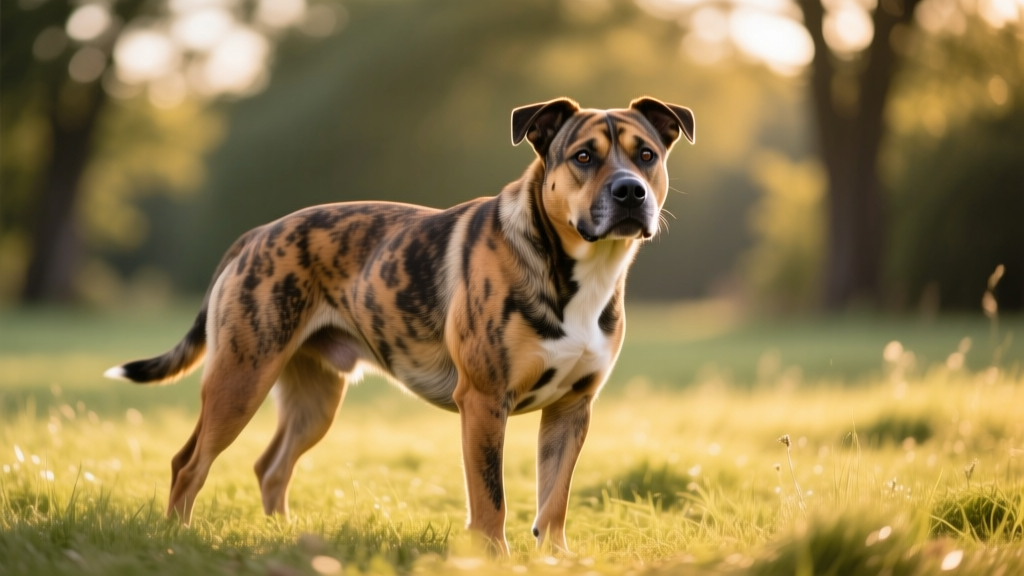
Popular Chihuahua Mix Breeds: Traits, Sizes & Care Guide
Chihuahua mix breeds including the Chiweenie, Chorkie, and Chipoo. Learn about size ranges, temperament variability, health risks, and costs.

Understanding Chihuahua Mix Breeds: The Basics
Chihuahua mix breeds — often called "Chi" crosses — pair the tiny but mighty Chihuahua with another small-breed dog to create companion-sized companions with blended traits. These designer crosses surged in popularity during the early 2000s and remain among the most common small-dog mixes found in shelters and through specialty breeders alike.
Before we look at specific crosses, it's important to understand what you're actually getting. Mixed-breed dogs inherit a randomized combination of traits from each parent. Two Chiweenies from the same litter can look, behave, and mature quite differently. This variability is the defining feature of any Chihuahua mix breed — and it's something every prospective owner needs to accept.
These terms describe how the mix was produced and affect trait predictability:
- F1 (First Generation): One purebred Chihuahua × one purebred of the other breed. Maximum genetic diversity, but least predictable appearance and temperament.
- F1B (First Generation Backcross): An F1 mix bred back to one of the parent breeds. For example, a Chiweenie bred to a Dachshund. Slightly more predictable for the backcrossed parent's traits.
- F2 (Second Generation): Two F1 mixes bred together. Trait predictability drops — you may get puppies that look very different from each other.
- Multigen (F3+): Multiple generations of the same cross bred together. The most predictable, but still not as uniform as a recognized purebred. Some multigen lines have been bred for 5+ generations.
Most Chihuahua mix breeds you'll encounter are F1 crosses. Multigen lines exist primarily for popular crosses like the Chipoo (Chihuahua × Poodle) and the Chorkie (Chihuahua × Yorkshire Terrier).
Parent Breed Breakdown: What the Chihuahua Brings to the Table
Every Chihuahua mix breed inherits a foundation from the Chihuahua side. According to the American Kennel Club breed standard, the Chihuahua is a compact, alert toy breed weighing no more than 6 pounds (2.7 kg), with a distinctive "apple dome" skull, large erect ears, and a bold, almost terrier-like confidence despite its small size.
| Trait | Chihuahua Baseline | How It Shows in Mixes |
|---|---|---|
| Weight | 2–6 lb / 0.9–2.7 kg | Usually keeps mix on the smaller end of the other parent's range |
| Height | 5–8 in / 13–20 cm | Mixes typically 7–14 in depending on other parent |
| Lifespan | 14–16 years | Often extends mix lifespan; one of the longest-lived breeds |
| Temperament | Alert, devoted, bold, sometimes wary of strangers | Strong loyalty and watchdog instinct; can pass on wariness |
| Coat | Smooth (short) or Long (medium-length, soft) | Either coat type can be inherited; long-coat genes are recessive |
| Trainability | Intelligent but independent; responds to positive reinforcement | Mixes may be more or less biddable depending on the other parent |
| Barking Level | High — vocal watchdog | Most Chihuahua mixes are notably vocal |
The Chihuahua's genetic contribution tends to dominate in personality (alertness, loyalty, vocalization) even when the physical traits lean toward the other parent. In my experience working with small-breed owners, even a Chihuahua mix that looks entirely like its other parent often behaves surprisingly "Chi-like" — bold, opinionated, and deeply bonded to one person.
Popular Chihuahua Mix Breeds at a Glance
Here's a comparison of the most commonly sought-after Chihuahua mix breeds, with real-world data on size, coat, and temperament ranges.
| Mix Name | Other Parent | Weight Range | Height Range | Coat Type | Shedding | Energy Level |
|---|---|---|---|---|---|---|
| Chiweenie | Dachshund | 5–12 lb / 2.3–5.4 kg | 6–10 in / 15–25 cm | Short to medium; smooth or slightly wiry | Low to moderate | Moderate |
| Chorkie | Yorkshire Terrier | 4–9 lb / 1.8–4.1 kg | 6–9 in / 15–23 cm | Long, silky to slightly wavy | Low (hair, not fur) | Moderate to high |
| Chipoo | Toy Poodle | 5–12 lb / 2.3–5.4 kg | 7–12 in / 18–30 cm | Curly to wavy; low-shedding | Very low | Moderate to high |
| Chug | Pug | 8–18 lb / 3.6–8.2 kg | 7–12 in / 18–30 cm | Short, smooth, dense | Moderate to high | Low to moderate |
| Chion | Papillon | 4–10 lb / 1.8–4.5 kg | 6–11 in / 15–28 cm | Medium-long, silky with feathering | Moderate | High |
| Chi-Chi | Chinese Crested | 4–9 lb / 1.8–4.1 kg | 6–10 in / 15–25 cm | Variable: hairless or powderpuff (coated) | Very low to none (hairless) | Moderate |
| Jack Chi | Jack Russell Terrier | 8–18 lb / 3.6–8.2 kg | 8–14 in / 20–36 cm | Short, smooth, dense | Moderate | Very high |
Size Variability: How Big Will a Chihuahua Mix Actually Get?
This is the most common question I hear from prospective owners, and the honest answer is: you won't know for certain until the dog is about 10–12 months old. Chihuahua mix breeds typically fall within a predictable range, but individual puppies can land anywhere within that spectrum.
Use this formula for estimating adult weight of a Chihuahua mix:
- Add the weight of both parents (e.g., 4 lb Chihuahua + 12 lb Dachshund = 16 lb combined).
- Divide by 2 for a rough midpoint estimate (16 ÷ 2 = 8 lb).
- Expect actual adult weight to fall within ±25% of that midpoint (6–10 lb in this example).
This works best for F1 crosses. Multigen breeders can provide more precise estimates based on their specific line history.
A few sizing realities to keep in mind:
- The smallest possible outcome: An F1 Chihuahua mix can occasionally be as small as 3–4 lb (1.4–1.8 kg) if it inherits predominantly Chihuahua size genes. These "teacup" outcomes carry significant health risks including hypoglycemia and fragile bones.
- The largest possible outcome: Crosses with stockier breeds like the Pug or Jack Russell can reach 15–18 lb (6.8–8.2 kg), which is substantially larger than a pure Chihuahua.
- Growth timeline: Most Chihuahua mixes reach 80% of adult weight by 6 months and full adult size by 10–12 months. Smaller crosses (Chorkie, Chi-Chi) mature faster than larger ones (Chug, Jack Chi).
Temperament: What to Expect (and What Might Surprise You)
Chihuahua mix breeds inherit personality traits from both parents, but the Chihuahua's bold, vocal, one-person-devoted nature tends to come through strongly. Here's how temperament typically plays out across the best-case and more challenging scenarios.
Best-Case Temperament Scenario
When the mix inherits the Chihuahua's loyalty and alertness alongside the other parent's sociability and stability, you get a dog that is:
- Deeply bonded to its family without being clingy
- Alert and vocal when someone approaches, but able to settle once the visitor is welcomed
- Playful and engaging without the hyperactivity of a pure terrier-type breed
- Confident in new environments after proper socialization during the 3–14 week critical window
- Tolerant of gentle handling — important for vet visits and grooming
Challenging Temperament Scenario
When a mix inherits the Chihuahua's wariness without the moderating influence of the other parent's temperament, or when early socialization is inadequate, you may encounter:
- Resource guarding: Snapping or growling over food, toys, or favored people. This is common in small breeds and requires structured counter-conditioning — never punishment.
- Excessive barking: Triggered by doorbells, passersby, other dogs, or even silence. The Chihuahua's watchdog instinct combined with breeds like the Yorkshire Terrier or Jack Russell can produce a notably vocal dog.
- Stranger-directed fear or aggression: Hiding, trembling, or lunging at unfamiliar people. This is manageable with force-free desensitization but rarely fully "cured."
- Small dog syndrome: Not a clinical diagnosis, but a pattern where small dogs learn that growling and snapping effectively make larger beings back off. This is an owner-handling issue, not a breed flaw — consistent, positive-reinforcement-based training from puppyhood prevents it.
Training approach matters enormously. Chihuahua mixes respond well to short (3–5 minute), frequent training sessions using high-value food rewards. Harsh corrections or aversive tools like shock collars will backfire — these dogs are sensitive and will shut down or become defensively aggressive. Stick to positive reinforcement and LIMA (Least Intrusive, Minimally Aversive) methods exclusively.
Coat Types, Shedding & the Hypoallergenic Question
Whether a Chihuahua mix breed is low-shedding depends entirely on which coat genes it inherits. Here's how coat type breaks down by cross:
| Mix | Possible Coat Types | Shedding Level | Low-Allergen Potential |
|---|---|---|---|
| Chiweenie | Short smooth (Chihuahua/Dachshund) or medium-length wire (Dachshund) | Low–moderate | No |
| Chorkie | Long silky (Yorkie) or medium soft (Chihuahua long-coat) | Low (hair-type coat) | Moderate — not truly hypoallergenic |
| Chipoo | Curly (Poodle) or wavy/straight (Chihuahua) | Very low if curly inherited | Highest among Chi mixes, but not guaranteed |
| Chug | Short, dense double coat (both parents contribute) | Moderate–high | No |
| Chion | Medium-long with feathering (Papillon) or shorter (Chihuahua) | Moderate | No |
| Jack Chi | Short, smooth (both parents typically) | Moderate | No |
The hypoallergenic myth: No dog is truly hypoallergenic. All dogs produce the Can f 1 allergen protein in their saliva and skin. Low-shedding coats like the Chipoo's curly coat simply trap dander rather than releasing it into the environment. If you have dog allergies, spend time with the specific puppy before committing — allergic reactions are highly individual.
Grooming Needs by Coat Type
- Short/smooth coats (Chiweenie, Chug, Jack Chi): Brush weekly with a rubber curry brush. Bathe every 4–6 weeks. Minimal grooming cost.
- Long/silky coats (Chorkie, Chion): Brush daily or every other day with a pin brush and metal comb to prevent matting. Professional grooming every 6–8 weeks ($40–$70 per session).
- Curly/wavy coats (Chipoo): Brush every 2–3 days. Professional grooming every 4–6 weeks ($50–$80 per session). Prone to matting behind ears and under legs.
- Wire coats (some Chiweenies): Hand-stripping or clipping every 8–12 weeks. Brush weekly.
Health Considerations: Hybrid Vigor vs. Reality
Let's address a persistent myth: hybrid vigor does not eliminate health problems. The concept of heterosis (hybrid vigor) is real in animal science — crossbred animals can show improved fitness for certain traits. But it only applies to conditions where the two parent breeds carry different recessive genes. If both parent breeds are predisposed to the same condition, the mix inherits that risk from both sides.
Here's an honest look at what Chihuahua mix breeds may face:
Conditions Shared by Chihuahuas AND Common Cross Breeds
These are the conditions where hybrid vigor offers no protection because both parents carry risk:
- Patellar luxation (slipping kneecaps): Extremely common in Chihuahuas, Poodles, Yorkshire Terriers, Pomeranians, and Papillons. Grades I–IV; surgery costs $1,500–$3,500 per knee if needed. Ask your vet to evaluate patellas at every annual exam.
- Dental disease: Small mouths mean crowded teeth. Chihuahuas, Yorkies, and Poodles are all predisposed. Expect professional dental cleanings ($300–$700 each) starting as early as age 2–3 if home dental care is neglected.
- Tracheal collapse: Weakening of the cartilage rings in the windpipe. Common in Chihuahuas, Pomeranians, and Yorkshire Terriers. Use a harness instead of a collar to reduce tracheal pressure.
- Hypoglycemia (low blood sugar): A risk in puppies under 4 months, especially in mixes under 4 lb. Feed 3–4 small meals daily and watch for lethargy, trembling, or collapse.
Conditions Specific to the Other Parent Breed
| Mix | Added Risk from Other Parent | Prevalence | Prevention/Screening |
|---|---|---|---|
| Chiweenie | Intervertebral disc disease (IVDD) from Dachshund side | ~25% of Dachshunds affected | Avoid jumping on/off furniture; use ramps; maintain lean weight |
| Chipoo | Addison's disease, sebaceous adenitis (Poodle) | Low–moderate | No standard screening; monitor for skin changes and lethargy |
| Chug | Brachycephalic obstructive airway syndrome (BOAS) from Pug side | High in Pugs | Avoid heat exposure; watch for noisy breathing, exercise intolerance |
| Chorkie | Portosystemic shunt (liver shunt) from Yorkie side | ~2–4% of Yorkies | Bile acids test if puppy shows stunted growth or neurological signs |
| Jack Chi | Legg-Calvé-Perthes disease (JRT) | Low–moderate in JRTs | X-ray if puppy develops hind limb lameness between 4–12 months |
The Merck Veterinary Manual provides breed-specific health information that applies to the parent breeds of any mix. Always consult your veterinarian about screening tests appropriate for your dog's specific heritage.
Seek immediate veterinary care if your Chihuahua mix shows any of these signs:
- Difficulty breathing, noisy breathing at rest, or blue-tinged gums
- Sudden hind limb weakness, dragging, or inability to stand (possible IVDD emergency)
- Seizures or episodes of unresponsiveness
- Repeated vomiting or diarrhea lasting more than 24 hours
- Extreme lethargy, collapse, or inability to rouse (possible hypoglycemia in puppies)
- Abdominal distension or unproductive retching
Cost Breakdown: Breeder Pricing vs. Rescue Availability
The cost of acquiring a Chihuahua mix breed varies significantly depending on your source and the specific cross's popularity.
Breeder Pricing (2025–2026 Estimates)
| Mix | Price Range (Responsible Breeder) | Price Range (Backyard Breeder/Puppy Mill) | Notes |
|---|---|---|---|
| Chipoo | $800–$2,000 | $300–$600 | Most popular Chi mix; highest demand pricing |
| Chorkie | $600–$1,500 | $250–$500 | Moderate availability; multigen lines cost more |
| Chiweenie | $500–$1,200 | $200–$400 | Common; widely available |
| Chug | $500–$1,500 | $200–$500 | Popularity has declined slightly since early 2020s |
| Chion | $600–$1,400 | $250–$450 | Less common; Papillon breeders rarely cross |
| Jack Chi | $400–$1,000 | $150–$350 | Often accidental litters; less intentionally bred |
First-year cost of ownership for any Chihuahua mix breed typically runs $2,500–$4,500 when you include initial veterinary exams, vaccinations (DHPP series at 6–8, 10–12, and 14–16 weeks; rabies at 12–16 weeks), spay/neuter ($200–$500), microchipping ($25–$50), crate, harness, food, dental care supplies, and pet insurance ($25–$55/month for small breeds).
Rescue & Shelter Availability
Chihuahua mixes are among the most common small dogs in US shelters. The ASPCA estimates that approximately 6.3 million companion animals enter shelters annually, and small-breed mixes represent a significant portion. You can frequently find Chiweenies, Chugs, and Jack Chis at local shelters for adoption fees of $50–$300, which typically includes spay/neuter, initial vaccinations, and microchipping.
Breed-specific rescues also exist. Organizations like Chihuahua Rescue & Transport and regional small-breed rescues regularly take in Chihuahua mixes. Adopting an adult mix gives you the advantage of knowing the dog's full-grown size, established temperament, and any existing health conditions.
Who Is the Right Owner for a Chihuahua Mix?
Chihuahua mix breeds suit specific lifestyles better than others. Here's a practical fit assessment:
Ideal Owner Profile
- Living situation: Apartments, condos, or homes with small yards. These dogs don't need large spaces but do need daily walks (20–40 minutes depending on the cross).
- Experience level: Suitable for first-time owners who are committed to socialization and positive-reinforcement training. Not ideal for owners who want a "self-training" dog.
- Time at home: Best for people who work from home or have flexible schedules. Chihuahua mixes bond intensely and are prone to separation anxiety if left alone for 8+ hours daily.
- Family composition: Best with adults or families with children over age 8–10. Small size makes them fragile — toddlers can accidentally injure a 5 lb dog. Always supervise interactions.
- Climate: Cold-sensitive. Most Chihuahua mixes need a sweater or jacket when temperatures drop below 45°F (7°C), and should not be outdoors in freezing conditions for more than brief potty breaks.
Less-Ideal Scenarios
- Households with very young children who may not understand gentle handling
- Owners who work long hours away from home without dog-walking or daycare support
- People seeking a quiet dog — most Chihuahua mixes are vocal
- Those who want a dog for rough outdoor activities or jogging (exception: Jack Chis may handle longer hikes once fully grown)
Frequently Asked Questions
What two breeds make up a Chihuahua mix?
A Chihuahua mix is a cross between a purebred Chihuahua and another breed — most commonly a Dachshund (Chiweenie), Yorkshire Terrier (Chorkie), Toy Poodle (Chipoo), Pug (Chug), Papillon (Chion), or Jack Russell Terrier (Jack Chi). The specific combination determines the mix's name, size range, and likely traits.
How big will a Chihuahua mix get?
Most Chihuahua mixes range from 4–18 lb (1.8–8.2 kg) and 6–14 inches (15–36 cm) tall at the shoulder. The exact size depends on the other parent breed. Crosses with Pugs or Jack Russells trend larger; crosses with Yorkies or Papillons trend smaller. Expect full adult size by 10–12 months of age.
Are Chihuahua mixes good with children?
They can be, but supervision is essential. Their small size makes them vulnerable to accidental injury from rough handling. Most Chihuahua mixes do best with children aged 8–10 and older who understand how to interact gently with small dogs. Teach children to let the dog approach them rather than picking the dog up unexpectedly.
Is a Chihuahua mix hypoallergenic?
No dog is truly hypoallergenic. The Chipoo (Chihuahua × Poodle) comes closest if it inherits the Poodle's curly, low-shedding coat, but allergen production varies by individual dog. The Chorkie's hair-type coat also produces less environmental dander. If allergies are a concern, spend extended time with the specific dog before committing.
How long do Chihuahua mixes live?
Most Chihuahua mixes live 12–16 years, with some reaching 18+ years. The Chihuahua parent contributes one of the longest lifespans of any breed. Lifespan is maximized by maintaining a lean body condition score (BCS 4–5 on a 9-point scale), regular veterinary care, and dental hygiene starting from puppyhood.
Do Chihuahua mixes bark a lot?
Generally, yes. The Chihuahua's strong watchdog instinct tends to carry into mixes. Expect alert barking at doorbells, visitors, and passing dogs. Crosses with Yorkies and Jack Russells tend to be the most vocal. Consistent training can reduce excessive barking, but eliminating it entirely is unrealistic — it's a breed trait, not a behavior problem.
Robin Maitland
All our authors care for dogs every day — read more of their work on the authors page.