Cattle Dog Pitbull Mix: Temperament, Size, Health & Care Guide
Everything you need to know about the cattle dog pitbull mix — size, temperament, health risks, grooming, cost.
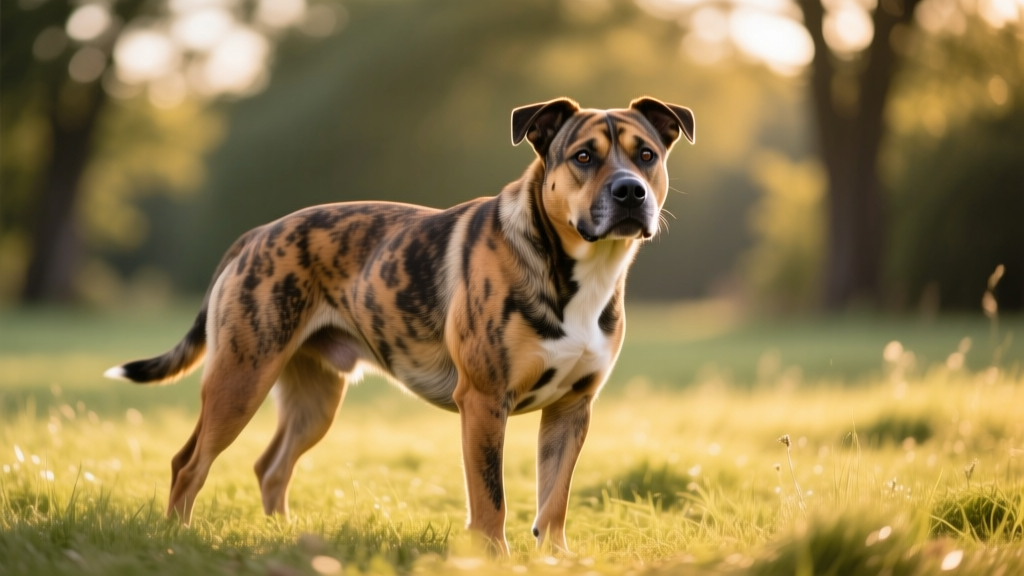
What Is a Cattle Dog Pitbull Mix?
The cattle dog pitbull mix — sometimes called a "Pit Heeler" or "Blue Pit Heeler" — is a crossbreed between the Australian Cattle Dog (also known as the Blue Heeler or Queensland Heeler) and the American Pit Bull Terrier (APBT). This is not an AKC-recognized breed. It's a deliberate or accidental first-generation cross that blends two high-drive, muscular working dogs into one intensely athletic companion.
If you're researching this mix because you've found one at a rescue or are considering a breeder listing, you need to understand something upfront: mixed-breed dogs are genetically variable. Even puppies from the same litter can look, behave, and mature very differently depending on which parent's genes dominate. This guide breaks down what you can reasonably expect — and where surprises are likely.
Parent Breed Breakdown
Understanding the parent breeds is the single best tool for predicting what a cattle dog pitbull mix might be like. Here's how they compare:
| Trait | Australian Cattle Dog | American Pit Bull Terrier |
|---|---|---|
| Origin | Australia, 1800s — bred to herd cattle across rugged outback terrain | United States/UK, 1800s — originally bull-and-terrier crosses, later farm and family dogs |
| AKC Weight Range | 35–50 lb (16–23 kg) | 30–65 lb (14–29 kg) — UKC standard; AKC does not recognize APBT |
| Height | 17–20 in (43–51 cm) | 17–21 in (43–53 cm) |
| Energy Level | Very high — needs 90+ minutes of vigorous daily activity | High — needs 60–90 minutes of activity daily |
| Coat | Short, dense double coat; moderate shedder | Short, smooth single coat; low to moderate shedder |
| Temperament | Alert, intelligent, independent, strong herding instinct, wary of strangers | Confident, people-oriented, eager to please, can be dog-selective |
| Trainability | High intelligence but can be stubborn; responds to positive methods | High eagerness to please; very responsive to reward-based training |
| Lifespan | 12–16 years | 12–14 years |
| Key Instincts | Herding (nipping, chasing), guarding, high prey drive | Terrier drive (digging, chasing), human bonding, tenacity |
Both breeds share some traits: muscular build, high pain tolerance, loyalty to their families, and a need for serious physical and mental exercise. Where they diverge — particularly on sociability with strangers and other dogs — is where the variability in the mix becomes significant.
Size, Weight, and Physical Appearance
Because both parent breeds fall in a similar size range, the cattle dog pitbull mix is generally a medium-sized, compact, muscular dog. However, individual variation still exists, especially in F1 crosses where gene expression is less predictable.
| Measurement | Low End | High End |
|---|---|---|
| Adult Weight | 30 lb (14 kg) | 65 lb (29 kg) |
| Adult Height (at shoulder) | 17 in (43 cm) | 22 in (56 cm) |
| Time to Full Size | 12 months | 18 months |
What influences where your dog falls in this range? Sex is the biggest factor — males tend toward the upper end. But individual genetics matter too. A puppy that inherits the APBT's stockier bone structure will be heavier and broader-chested than one leaning toward the Cattle Dog's leaner, more agile frame.
Physically, expect a broad head, strong jaw, pricked or semi-pricked ears (though some have the APBT's rose ears), and a muscular neck and shoulders. The tail is typically medium-length and may be carried high when alert. Many of these mixes inherit the Cattle Dog's distinctive blue or red speckled coloring, sometimes combined with the APBT's brindle, white, or fawn patches. The result can be striking — mottled blue coats with brindle patches are common and visually distinctive.
Coat, Shedding, and Grooming
No. Neither parent breed is hypoallergenic. This mix will shed — the only question is how much. If your dog inherits the Cattle Dog's double coat, expect moderate year-round shedding with heavier "coat blows" in spring and fall. If the APBT's single coat dominates, shedding will be lighter and more consistent. Either way, this is not a mix for someone with severe dog allergies.
Grooming needs are relatively low compared to long-haired breeds, but "low maintenance" doesn't mean "no maintenance." Here's a practical grooming schedule:
- Brushing: 2–3 times per week with a rubber curry brush (like the Kong ZoomGroom, ~$8–12) or a bristle brush. During seasonal shedding, upgrade to an undercoat rake (Furminator Short Hair Medium, ~$30–35) for 10-minute sessions twice weekly.
- Bathing: Every 6–8 weeks, or as needed. Use a gentle oatmeal-based dog shampoo. Over-bathing strips the natural oils from short coats and can cause dry, flaky skin.
- Nail trims: Every 3–4 weeks. Active dogs on concrete may wear nails down naturally, but most still need monthly trims.
- Dental care: Daily brushing with enzymatic dog toothpaste (Virbac C.E.T., ~$10–12) is ideal. At minimum, aim for 3x per week. Both parent breeds can develop periodontal disease by age 5–7 without dental care.
- Ear cleaning: Check weekly, clean monthly with a vet-recommended ear wash if ears are semi-pricked and collect debris.
Temperament: What to Expect (and What Might Surprise You)
This is where the cattle dog pitbull mix becomes genuinely unpredictable. Both parent breeds are intelligent, loyal, and high-drive — but they express those traits differently, and the mix can land anywhere on the spectrum.
Best-Case Temperament Scenario
A well-socialized cattle dog pitbull mix inherits the APBT's eagerness to please and love of people, combined with the Cattle Dog's sharp intelligence and trainability. The result is an alert, responsive dog that bonds deeply with their family, excels in dog sports (agility, obedience, rally, nose work), and is a tireless adventure companion. These dogs thrive with owners who hike, run, bike, or participate in structured activities.
Challenging Temperament Scenarios
Less ideal combinations can produce a dog with the Cattle Dog's suspicion of strangers and herding instincts (heel-nipping, chasing children or running animals) paired with the APBT's physical power and tenacity. This isn't a "bad" dog — it's a dog that requires an experienced handler who understands:
- Herding behavior: Nipping at heels, circling, and attempting to "herd" children or other pets. This is instinct, not aggression, but it needs redirection.
- Prey drive: Both breeds have strong chase instincts. Cats, small dogs, rabbits, and squirrels may trigger a pursuit response. Early and ongoing socialization helps but may not eliminate this entirely.
- Dog selectivity: APBTs are known for same-sex dog aggression, and Cattle Dogs can be aloof with unfamiliar dogs. Your mix may not be a dog park candidate — and that's okay. Structured playdates with known, compatible dogs are a safer alternative.
- Guarding instincts: The Cattle Dog's protective nature combined with the APBT's confident demeanor can produce a dog that is vocal at the door and wary of visitors. Counter-conditioning and desensitization protocols using positive reinforcement can help manage this.
Socialization Requirements
The critical socialization window for puppies closes around 14–16 weeks of age. If you're raising a cattle dog pitbull mix puppy, structured exposure to diverse people, environments, surfaces, sounds, and other vaccinated dogs should begin by 8 weeks. For adult rescues with unknown socialization histories, expect a 3–6 month adjustment and training period before you can accurately assess their temperament baseline.
Health Considerations and Genetic Risks
Let's address a common misconception directly: hybrid vigor (heterosis) does not guarantee a healthier dog. While crossbreeding can reduce the risk of certain recessive disorders that affect purebred populations, a cattle dog pitbull mix can still inherit any condition that affects either parent breed. The Merck Veterinary Manual notes that mixed-breed dogs are susceptible to many of the same inherited conditions as their purebred parents.
Conditions Inherited from the Australian Cattle Dog
- Progressive Retinal Atrophy (PRA): A degenerative eye disease leading to blindness. The prcd-PRA form is well-documented in Cattle Dogs. DNA testing is available (~$65–85 through Embark or Optimal Selection).
- Hip Dysplasia: Estimated prevalence in Australian Cattle Dogs is approximately 12–15% based on Orthopedic Foundation for Animals (OFA) data. Can cause pain, lameness, and arthritis. Surgical treatment (total hip replacement) costs $3,500–7,000 per hip.
- Deafness: Congenital deafness is linked to white coat color and piebald patterns in Cattle Dogs. BAER testing ($50–100) can confirm hearing status in puppies.
Conditions Inherited from the American Pit Bull Terrier
- Skin Allergies (Atopic Dermatitis): APBTs are predisposed to environmental and food allergies. Symptoms include paw licking, ear infections, and hot spots. Management involves allergy testing ($250–450), immunotherapy ($100–200/month), or medications like Apoquel (~$50–90/month).
- Hip Dysplasia: Also common in APBTs, with OFA data showing roughly 20–25% affected. This means both parent breeds carry risk, increasing the likelihood in the mix.
- Heart Disease (Aortic Stenosis, Cardiomyopathy): Less common but documented. Annual cardiac auscultation by your vet is recommended starting at age 3.
Conditions That Can Affect Both (Higher Combined Risk)
- Hip Dysplasia — present in both breeds; a significant concern for this mix
- Elbow Dysplasia — less common but possible
- Cruciate Ligament Tears (CCL/ACL) — high-drive, athletic dogs are at elevated risk; surgical repair (TPLO) costs $3,000–5,500
Expected lifespan for a well-cared-for cattle dog pitbull mix is 11–15 years, assuming good genetics, appropriate weight management (keep body condition score at 4–5 out of 9), and preventive veterinary care.
Exercise and Mental Stimulation Needs
This is not a dog that will be satisfied with a 20-minute walk around the block. Both parent breeds were developed for demanding physical work, and the mix typically needs 90–120 minutes of structured activity per day. Here's a realistic daily breakdown:
- Morning: 30–45 minute brisk walk or jog (these dogs make excellent running partners once growth plates close at ~14–18 months)
- Midday: 15–20 minute training session — obedience practice, trick training, or scent work. Mental exercise tires them as effectively as physical activity.
- Evening: 30–45 minutes of vigorous play — fetch, flirt pole sessions (use a sturdy model like the Squishy Face Studio Flirt Pole V2, ~$30–35), or swimming if available
- Ongoing: Puzzle feeders, snuffle mats, and frozen Kongs (stuff with peanut butter and kibble, freeze for 4+ hours) to prevent boredom destruction when alone
Under-exercised cattle dog pitbull mixes are notorious for destructive behavior — chewing furniture, digging through drywall, excessive barking, and escape attempts. This is not a breed mix for people who work 12-hour days and expect the dog to "chill" alone. Doggy daycare ($25–45/day), a dog walker ($20–30 per 30-minute walk), or a compatible canine companion can help if you have a busy schedule.
Generation Types: F1, F1B, and Beyond
Unlike "doodle" crosses (Labradoodle, Goldendoodle) that have established multigenerational breeding programs, the cattle dog pitbull mix is almost exclusively an F1 (first-generation) cross. Here's what the generation terms mean:
- F1 (First Generation): One purebred Australian Cattle Dog parent × one purebred American Pit Bull Terrier parent. Maximum genetic diversity, highest trait variability between littermates. This is the most common type you'll encounter.
- F1B (First-Generation Backcross): An F1 mix bred back to one of the parent breeds (e.g., F1 Cattle Dog/Pitbull × Australian Cattle Dog). This is rare for this particular cross and would be done to emphasize one parent's traits.
- F2 (Second Generation): Two F1 mixes bred together. Even more unpredictable in traits — the gene pool shuffles again. Very uncommon for this mix.
- Multigen (F3+): Multiple generations of mixed-to-mixed breeding. Essentially nonexistent for this cross outside of accidental backyard breedings.
Because this mix is predominantly F1, you should expect significant variation even within a single litter. One puppy may be a 35-lb blue speckled dog with strong herding instincts; their littermate may be a 55-lb brindle dog that's all APBT in personality. Reputable breeders (and honest rescues) will tell you this upfront rather than promising specific traits.
Cost: Purchase Price, Adoption, and Annual Expenses
| Expense Category | Low Estimate | High Estimate |
|---|---|---|
| Puppy from a breeder | $400 | $1,200 |
| Adoption fee (rescue/shelter) | $50 | $350 |
| First-year veterinary care (vaccines, spay/neuter, microchip) | $500 | $1,200 |
| Annual ongoing vet care (wellness exam, vaccines, heartworm/flea prevention) | $400 | $800 |
| Food (quality kibble, ~30 lb bag/month) | $45/month | $90/month |
| Pet insurance (accident + illness) | $35/month | $75/month |
| Training (group classes or private sessions) | $150 | $600 |
| Gear (crate, harness, leash, bed, toys) | $200 | $500 |
First-year total estimate: $1,800–$4,500 depending on whether you adopt or buy, your location, and whether any health issues arise.
Breeder vs. Rescue: Where to Find One
Rescue and shelters are the most common source for this mix. Both parent breeds are prevalent in US shelters — Pit Bull-type dogs are the most common breed type in American shelters, and Cattle Dog mixes frequently end up in rescues due to their high energy overwhelming unprepared owners. Check Petfinder and Adopt-a-Pet using search terms like "cattle dog mix," "heeler mix," or "pit bull mix." Breed-specific rescues for both Australian Cattle Dogs and Pit Bull Terriers sometimes have crossbreeds as well.
Breeders intentionally producing this mix are uncommon. Most listings you'll find online are from casual or backyard breeders rather than established breeding programs. If you do pursue a breeder, insist on:
- Health testing of both parents (OFA hip/elbow certifications, PRA DNA test, BAER hearing test)
- Written health guarantee (minimum 1 year)
- Take-back clause (breeder agrees to take the dog back at any point in its life)
- Ability to meet the mother and see the living conditions
- References from previous buyers
Who Is This Mix Best Suited For?
The cattle dog pitbull mix is not a beginner dog. Here's an honest assessment of who thrives with this cross — and who should consider a different option:
Best Fit
- Experienced dog owners who have successfully raised high-drive breeds before
- Active individuals or couples who hike, run, bike, or spend significant time outdoors daily
- Dog sport enthusiasts — this mix excels at agility, rally obedience, barn hunt, and lure coursing
- Homes with secure, tall fencing (minimum 6 feet — both breeds are athletic jumpers and diggers)
- Families with older children (10+) who understand how to interact with dogs respectfully and won't trigger herding/nipping behavior
- Single-dog households or homes with one opposite-sex dog — dog selectivity is a real possibility
Consider a Different Breed If
- You live in an apartment with strict breed restrictions (many complexes restrict Pit Bull-type dogs — check your local laws as breed-specific legislation varies by jurisdiction)
- You work long hours away from home and can't arrange midday exercise
- You have very young children (toddlers) — the herding instinct can result in nipping at running children
- You want a dog that is reliably friendly with all other dogs
- You're a first-time dog owner without access to a professional trainer
Frequently Asked Questions
What two breeds make up the cattle dog pitbull mix?
The Australian Cattle Dog (Blue Heeler/Queensland Heeler) and the American Pit Bull Terrier. These are both medium-sized, muscular working breeds, which is why the mix tends to be athletic and high-energy.
How big will a cattle dog pitbull mix get?
Most adults fall between 30–65 lb (14–29 kg) and stand 17–22 inches (43–56 cm) at the shoulder. Males tend toward the larger end of the range. You won't know exactly where your individual dog will land until they reach 12–18 months of age.
What will the temperament be like?
Variable. Expect an intelligent, loyal, high-energy dog that bonds closely with their family. How they behave with strangers, other dogs, and small animals depends on which parent's temperament dominates and how thoroughly they were socialized during puppyhood. Plan for a dog that needs 90+ minutes of daily activity and structured mental stimulation.
Is the cattle dog pitbull mix hypoallergenic or low-shedding?
No. Both parent breeds shed. The Cattle Dog's double coat sheds moderately year-round with heavier seasonal blows. The APBT's single coat sheds less but is not hypoallergenic. If allergies are a concern, this is not the right mix for your household.
What health issues might this mix inherit?
The primary concerns are hip dysplasia (prevalent in both breeds), progressive retinal atrophy (from the Cattle Dog side), congenital deafness (linked to white coat color), skin allergies (from the APBT side), and cruciate ligament injuries due to their athletic, high-impact lifestyle. Consult your veterinarian about a breed-appropriate screening protocol.
How much does a cattle dog pitbull mix cost?
Puppies from breeders typically range from $400–$1,200, though this mix is more commonly found in rescues with adoption fees of $50–$350. First-year care costs add $1,400–$3,500 on top of the acquisition price.
Are cattle dog pitbull mixes aggressive?
Aggression is not a breed trait — it's a behavior influenced by genetics, socialization, training, and environment. Both parent breeds are loyal and protective, which can manifest as wariness of strangers or dog selectivity without proper socialization. With positive reinforcement training, early socialization, and adequate exercise, most cattle dog pitbull mixes are well-mannered companions. If you observe fear-based or reactive behavior, consult a certified professional dog trainer or veterinary behaviorist rather than attempting to correct it with punishment-based methods.
Beth Carrasco
All our authors care for dogs every day — read more of their work on the authors page.


