Complete Breed Profile & Care Guide
Everything about the Australian Shepherd Rottweiler mix — size, temperament, health risks, grooming, cost.

The Australian Shepherd Rottweiler mix — sometimes called the Aussie Rottie or Australian Rottie — pairs two intensely driven working breeds into one powerful, intelligent companion. This is not a beginner-friendly dog. With the Australian Shepherd's herding instinct and the Rottweiler's guarding heritage, the resulting cross demands an owner who understands canine behavior, commits to structured training, and has the physical space to accommodate a large, active dog.
Designer mixes like this one have grown in visibility over the past decade, but the Australian Shepherd Rottweiler mix remains relatively uncommon compared to doodle-type crosses. That scarcity means less standardized information — and more variability in what you'll actually get when you bring one home. This guide breaks down exactly what prospective owners need to know before committing to this cross.
The Parent Breeds: What Makes Up the Australian Shepherd Rottweiler Mix
Understanding any designer mix starts with its foundation breeds. Both the Australian Shepherd and the Rottweiler carry strong genetic impulses that will surface — in varying proportions — in their offspring.
| Trait | Australian Shepherd (AKC Herding Group) | Rottweiler (AKC Working Group) |
|---|---|---|
| Weight Range | 40–65 lb / 18–29 kg | 80–135 lb / 36–61 kg |
| Height at Shoulder | 18–23 in / 46–58 cm | 22–27 in / 56–69 cm |
| Original Purpose | Livestock herding, ranch work | Droving cattle, guarding, cart-pulling |
| Energy Level | Very high — 60–90+ min daily exercise | High — 45–60 min daily exercise |
| Coat Type | Medium-length double coat, moderate-heavy shedding | Short double coat, moderate shedding |
| Temperament Core | Bright, energetic, biddable, velcro-dog tendency | Confident, aloof with strangers, loyal, protective |
| Trainability | Exceptional — thrives on jobs and mental work | High — responds to firm, consistent leadership |
| Lifespan | 12–15 years | 9–10 years |
| Guarding Instinct | Moderate — alerts by barking | Strong — natural guardian |
The Australian Shepherd, despite its name, was developed in the western United States as a ranch dog. It brings relentless energy, problem-solving intelligence, and a strong herding drive that manifests as nipping, circling, and attempting to control movement — including children and other pets.
The Rottweiler traces back to Roman drover dogs and was refined in the German town of Rottweil. It contributes size, physical power, territorial awareness, and a deep bond with its immediate family. Well-bred Rottweilers are steady and confident; poorly bred ones can be fear-reactive or aggressive.
Generation Types: F1, F1B, and Multigen Explained
- F1 (First Generation): 50% Australian Shepherd × 50% Rottweiler. Both parents are purebred. This is the most common generation for this mix, given its relative rarity.
- F1B (First Generation Backcross): An F1 Aussie Rottie bred back to one of the parent breeds — typically the Rottweiler for size consistency or the Aussie for coat variety. Result: 75% one breed, 25% the other.
- F2 (Second Generation): Two F1 Aussie Rotties bred together. This produces the widest trait variability — puppies in the same litter can look and behave dramatically differently.
- Multigen (F3+): Multiple generations of Aussie Rottie-to-Aussie Rottie breeding. Extremely rare for this particular cross. Most breeders have not established multigen lines because demand is low compared to doodle breeds.
Practical note: The vast majority of Australian Shepherd Rottweiler mixes you'll encounter are F1 crosses. F2 and multigen lines are virtually nonexistent in 2026 because this is not a high-volume designer breed. If a breeder claims multigen Aussie Rotties, ask for documented pedigree records.
Size, Build, and Physical Appearance
The size gap between the parent breeds creates one of the widest prediction ranges in designer dogs. An F1 Australian Shepherd Rottweiler mix can land anywhere from a stocky medium-large dog to a genuinely large one.
| Generation | Weight (lb / kg) | Height (in / cm) |
|---|---|---|
| F1 — Smaller end (Aussie-dominant) | 50–75 lb / 23–34 kg | 19–23 in / 48–58 cm |
| F1 — Larger end (Rottie-dominant) | 80–115 lb / 36–52 kg | 23–27 in / 58–69 cm |
| F1B (backcross to Rottweiler) | 85–130 lb / 39–59 kg | 24–28 in / 61–71 cm |
| F1B (backcross to Aussie) | 45–70 lb / 20–32 kg | 18–22 in / 46–56 cm |
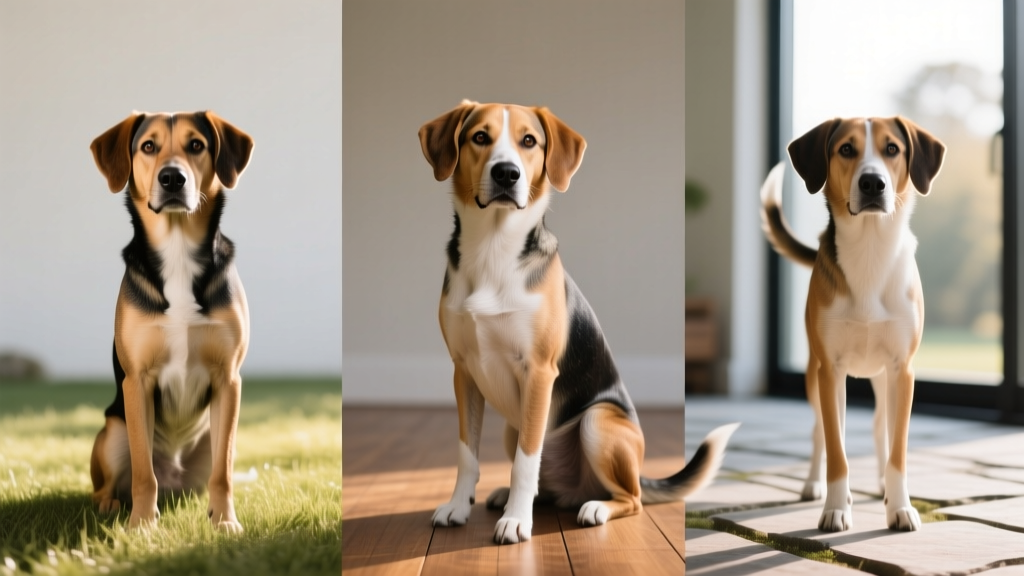
Physical build varies individually. Some puppies inherit the Rottweiler's broad chest, heavy bone, and blocky head. Others lean toward the Aussie's more athletic, agile frame with a tapered muzzle. Most F1 dogs land in the middle: a muscular, well-boned dog standing 21–25 inches at the shoulder and weighing 65–95 lb (29–43 kg).
Coat colors span a wide spectrum: black and tan (Rottweiler-marked), blue merle, red merle, black tri-color, red tri-color, or solid black. Merle patterning is possible only if the Australian Shepherd parent carries the merle gene — and breeding two merle carriers together risks double-merle puppies with severe vision and hearing deficits. Any responsible breeder will test for the merle locus (M-locus) and avoid merle-to-merle pairings.
Coat Type, Shedding, and Grooming Requirements
This mix is not hypoallergenic and is not low-shedding. Both parent breeds have double coats and shed consistently year-round, with seasonal blowing of the undercoat in spring and fall.
Coat length will fall somewhere between the Aussie's medium-length, slightly wavy coat and the Rottweiler's short, dense coat. Most F1 dogs inherit a medium-short coat that's denser than a Rottweiler's but shorter than an Aussie's. Some individuals get the longer Aussie feathering on the legs, chest, and tail.
- Brushing: 2–3 times per week with a slicker brush or undercoat rake (tools like the Furminator Deshedding Tool for large dogs or the Chris Christensen Big G slicker work well)
- Seasonal blow-out periods (spring/fall): Daily brushing for 2–3 weeks; expect heavy tufts of undercoat
- Bathing: Every 6–8 weeks unless visibly dirty — over-bathing strips natural oils from the double coat
- Nail trimming: Every 3–4 weeks; large-breed dogs may wear nails down partially on hard surfaces
- Ear cleaning: Weekly check; clean with a vet-approved ear wash if debris accumulates (floppy-eared individuals are more prone to ear infections)
- Dental care: Daily brushing ideal; at minimum 3× per week with enzymatic dog toothpaste
Budget roughly $40–$75 per professional grooming session if you opt for occasional deshedding treatments, though most owners handle grooming at home given the coat is manageable with consistent brushing.
Temperament: Best-Case, Worst-Case, and What to Expect
Temperament in mixed breeds is inherently less predictable than in purebreds. You are combining two strong-willed, high-drive working breeds, and the expression of traits varies significantly between individual puppies — even within the same litter.
Best-Case Scenario
A well-socialized Aussie Rottie from health-tested, temperament-evaluated parents is confident without being aggressive, eager to work without being frantic, and deeply bonded to its family while remaining polite with strangers. This dog excels in advanced obedience, agility, nose work, or herding trials and settles calmly at home after adequate exercise.
Challenging Scenario
An under-exercised, under-socialized Aussie Rottie can combine the Rottweiler's wariness of strangers with the Aussie's reactivity and anxiety. This produces a dog that is difficult to manage in public, may display resource guarding, leash reactivity, or territorial aggression, and may herd children by nipping at heels. Without proper outlets, destructive behavior (chewing, digging, excessive barking) is nearly guaranteed.
Common Temperament Traits to Anticipate
- High intelligence: Both parent breeds rank in the top tier of canine cognition (AKC intelligence rankings). This dog will learn commands fast — including ones you didn't intentionally teach.
- Strong handler focus: Typically bonds intensely with one person; may be aloof with others.
- Herding + guarding instinct overlap: This combination can produce a dog that patrols property boundaries, alerts vocally to approaching people, and attempts to control the movement of family members.
- Sensitivity to routine changes: Aussies in particular are prone to anxiety when schedules shift. Expect some stress-reactivity during travel, moves, or household disruptions.
- Prey drive: Moderate to high. Cats and small animals require careful, supervised introductions — and some individuals will never be safe off-leash around wildlife.
Socialization Is Non-Negotiable
The critical socialization window closes around 14–16 weeks of age. For a breed mix with natural guarding tendencies, structured exposure to diverse people, environments, surfaces, sounds, and other animals during the 8–16 week period is essential. Enroll in a force-free puppy kindergarten class and continue structured socialization through at least the first year. Use only positive reinforcement methods — prong collars, shock collars, and alpha rolls will damage trust with a sensitive, intelligent dog like this and increase fear-based aggression risk.
Health Considerations: Hybrid Vigor Myth vs. Reality
One persistent misconception about designer mixes is that crossbreeding automatically eliminates health problems through "hybrid vigor." The reality is more nuanced. Hybrid vigor — more accurately called heterosis — can reduce the incidence of recessive genetic conditions that are concentrated within a single breed's gene pool. However, it does not protect against conditions that both parent breeds share, and it does not eliminate the possibility of any individual dog developing inherited disease.
The Australian Shepherd Rottweiler mix can inherit conditions from either parent breed. Below is a breakdown of the most relevant health risks.
| Condition | Prevalent In | What to Know | Screening Test |
|---|---|---|---|
| Hip Dysplasia | Both breeds (high prevalence) | Malformation of hip joint leading to arthritis; estimated 20–30% of Rottweilers affected per OFA data | OFA/PennHIP evaluation |
| Elbow Dysplasia | Both breeds | Developmental elbow joint abnormality; common cause of front-leg lameness | OFA elbow evaluation |
| Osteosarcoma (Bone Cancer) | Rottweiler (high risk) | Rottweilers have one of the highest breed-specific rates; typically diagnosed ages 6–9; aggressive prognosis | No preventive screening; early detection via vet exams |
| Progressive Retinal Atrophy (PRA) | Australian Shepherd | Gradual retinal degeneration leading to blindness; autosomal recessive | DNA test (prcd-PRA); CERF eye exam |
| Collie Eye Anomaly (CEA) | Australian Shepherd | Congenital eye defect ranging from mild to severe vision loss | DNA test; veterinary ophthalmologist exam |
| MDR1 Gene Mutation | Australian Shepherd (~30% carriers) | Drug sensitivity — certain medications (ivermectin, loperamide, some sedatives) can cause neurological toxicity | WSU Veterinary Clinical Pharmacology DNA test |
| Degenerative Myelopathy (DM) | Both breeds (lower prevalence) | Progressive spinal cord disease causing hind-limb weakness and eventual paralysis; no cure | DNA test for SOD1 mutation |
| Aortic Stenosis | Rottweiler | Heart valve narrowing; can cause sudden death in severe cases | Cardiac exam by veterinary cardiologist |
| Gastric Dilatation-Volvulus (Bloat) | Rottweiler (deep-chested breed risk) | Life-threatening stomach torsion; emergency surgery required; Merck Veterinary Manual reports mortality rates of 15–30% | Prophylactic gastropexy can be discussed with your vet |
MDR1 testing is critical for this mix. If your Australian Shepherd Rottweiler mix inherits the MDR1 mutation, common drugs like ivermectin (found in some heartworm preventives), Imodium (loperamide), and certain anti-anxiety medications can cause severe neurological reactions. The Washington State University Veterinary Clinical Pharmacology Lab offers a $70 cheek-swab DNA test. Ask your veterinarian to check MDR1 status before prescribing any medication.
For any large, deep-chested dog, watch for bloat symptoms: unproductive retching (trying to vomit but nothing comes up), swollen/tight abdomen, restlessness, excessive drooling, collapse. This is a surgical emergency — go to the nearest emergency vet immediately.
If you suspect ingestion of a toxic substance, call the ASPCA Animal Poison Control Center: (888) 426-4435 (24/7, consultation fee applies).
Exercise, Training, and Mental Stimulation Needs
This is a dog that needs a job. The combined working heritage of both breeds means your Aussie Rottie requires a minimum of 60–90 minutes of structured physical activity daily, plus dedicated mental stimulation.
Physical Exercise Framework
- Daily walks: Two walks of 30–45 minutes each, incorporating varied terrain and sniffing opportunities
- Off-leash running: 20–30 minutes in a secure area, 3–4 times per week (only if recall is reliable — many individuals have too much prey drive for safe off-leash work)
- Structured activities: Agility, herding trials, cart-pulling, advanced obedience, or nose work — at least 2 sessions per week
- Swimming: Excellent low-impact exercise for joint health, especially important given hip/elbow dysplasia risk; many individuals enjoy water but not all inherit the drive
Mental Stimulation Requirements
Physical exercise alone will not satisfy this dog. Without mental challenges, an Aussie Rottie will invent its own entertainment — which usually means destructive behavior. Budget at least 15–20 minutes daily for:
- Puzzle feeders (Kong Classic stuffed with frozen peanut butter, Outward Hound Nina Ottosson puzzles)
- Scent work games (hide treats around the yard or house)
- Training sessions — teach new tricks, practice known behaviors in novel environments
- Structured play with rules (tug with drop-it command, fetch with sit-before-throw)
Training Approach
Use positive reinforcement exclusively. Both breeds respond exceptionally well to reward-based training with high-value treats, toy rewards, and praise. The Rottweiler side can be strong-willed and may test boundaries — this requires patience and consistency, not force. The Aussie side is typically more biddable but can be sensitive to harsh corrections, which shut down learning and damage the working relationship.
Key training priorities for this mix:
- Recall (come when called): Start in low-distraction environments; use a long-line leash for proofing
- Loose-leash walking: A 70–100 lb dog that pulls is unmanageable; front-clip harness (Ruffwear Front Range or similar) helps during training
- Impulse control: "Leave it," "wait," and "drop it" are safety commands — practice daily
- Settle/mat work: Teach a calm default behavior on a designated mat; essential for a high-arousal dog
- Resource guarding prevention: Hand-feed during puppyhood; practice trading up (offer high-value item in exchange for what dog has)
Cost: Purchase Price, Annual Care, and Budgeting
Because this is an uncommon designer cross, pricing varies widely depending on breeder reputation, location, and whether health testing has been performed on both parent dogs.
| Expense Category | Estimated Cost (USD) |
|---|---|
| Puppy from health-tested breeder | $800–$2,000 |
| Puppy from untested/casual breeder | $300–$700 (not recommended) |
| Rescue/adoption | $150–$400 |
| Initial veterinary setup (vaccines, spay/neuter, microchip) | $400–$800 |
| Annual veterinary care (wellness exams, preventives, vaccines) | $600–$1,200 |
| High-quality food (large-breed formula, 4–5 cups/day) | $600–$1,000/year |
| Training classes (puppy through advanced) | $200–$600/year |
| Pet insurance (recommended for large breeds) | $50–$100/month |
| Grooming supplies and occasional professional sessions | $150–$350/year |
| First-year total estimate | $2,800–$6,500+ |
Finding a breeder: Because this is not a mainstream designer breed, you won't find established Aussie Rottie breeding programs the way you would for Goldendoodles or Labradoodles. Most available puppies come from intentional one-off crosses by breeders who specialize in one of the parent breeds. Verify that the breeder performs OFA hip/elbow evaluations, CERF eye exams, and MDR1/PRA/CEA DNA testing on both parent dogs. Ask for a written health guarantee and a take-back clause.
Rescue availability: Mixed-breed dogs with Aussie and Rottweiler heritage do appear in breed-specific rescues. Check Australian Shepherd rescue networks (like the ASCA rescue directory) and Rottweiler rescue organizations. General shelters in rural areas may also have this cross, particularly in regions where both breeds are common working dogs.
Who This Mix Suits Best — and Who Should Consider a Different Dog
- Experienced dog owner (at least one prior large, high-drive dog)
- Active lifestyle — hiking, running, outdoor work, or dog sports
- Home with a securely fenced yard (minimum 5-foot fence; some individuals will scale shorter fences)
- No small children under age 8, or willingness to heavily supervise all interactions (herding instinct + large size = knockdown and nipping risk)
- Available time: at least 2–3 hours daily for exercise, training, and companionship
- Interest in structured dog activities (agility, obedience competition, nose work, herding)
- Are a first-time dog owner
- Live in an apartment or lack access to outdoor space
- Work long hours away from home (this cross is prone to separation anxiety and destructive behavior when left alone 8+ hours)
- Have multiple small pets (cats, rabbits, small dogs) — prey drive may be incompatible
- Prefer a low-maintenance, independent dog that doesn't need constant engagement
- Cannot commit to ongoing training and socialization through the dog's first two years
The Australian Shepherd Rottweiler mix can be an extraordinary companion for the right person — a loyal, athletic, brilliant partner for outdoor adventures and dog sports. But the gap between best-case and worst-case outcomes is wide, and closing that gap depends almost entirely on the owner's commitment to exercise, training, socialization, and preventive health care. Consult your veterinarian early to establish a wellness plan tailored to your individual dog's inherited risk factors.
Frequently Asked Questions
What two breeds make up the Australian Shepherd Rottweiler mix?
This cross combines a purebred Australian Shepherd (AKC Herding Group) with a purebred Rottweiler (AKC Working Group). The result is typically an F1 (first-generation) cross, meaning each puppy inherits approximately 50% of its genetics from each parent breed.
How big will an Australian Shepherd Rottweiler mix get?
Most F1 individuals weigh between 65–95 lb (29–43 kg) and stand 21–25 inches (53–64 cm) at the shoulder. However, because the parent breeds differ significantly in size, some dogs may be smaller (50 lb / 23 kg) or larger (up to 115 lb / 52 kg). You cannot predict exact adult size from a puppy — paw size and growth rate offer rough clues but are not reliable indicators.
What will the temperament be like?
Expect high intelligence, strong loyalty to family, and significant exercise and mental stimulation needs. The mix may lean toward the Aussie's outgoing eagerness or the Rottweiler's reserved confidence. Early socialization is essential to prevent guarding behaviors from becoming problematic. Individual temperament varies widely and cannot be guaranteed.
Is the Australian Shepherd Rottweiler mix hypoallergenic or low-shedding?
No. Both parent breeds are moderate-to-heavy shedders with double coats. This mix will shed consistently and will experience seasonal coat blow-outs. It is not suitable for people with dog allergies.
What health issues might this mix inherit?
Key concerns include hip dysplasia, elbow dysplasia, osteosarcoma (from the Rottweiler side), progressive retinal atrophy and Collie eye anomaly (from the Aussie side), the MDR1 drug-sensitivity mutation, degenerative myelopathy, and bloat (gastric dilatation-volvulus). Request that your breeder provide health clearances for both parent dogs. Consult your veterinarian about appropriate screening for your individual dog.
How much does an Australian Shepherd Rottweiler mix cost?
Expect to pay $800–$2,000 for a puppy from a breeder who health-tests both parent dogs. Rescue adoption fees typically range from $150–$400. First-year ownership costs, including veterinary care, food, training, and supplies, typically total $2,800–$6,500 or more.
Tom Renshaw
All our authors care for dogs every day — read more of their work on the authors page.