20 Most Photogenic Dog Breeds: Dog Pictures & Breed Guide
Discover the most photogenic dog breeds with stunning dog pictures, breed traits, and a decision framework to find your perfect camera-ready companion.
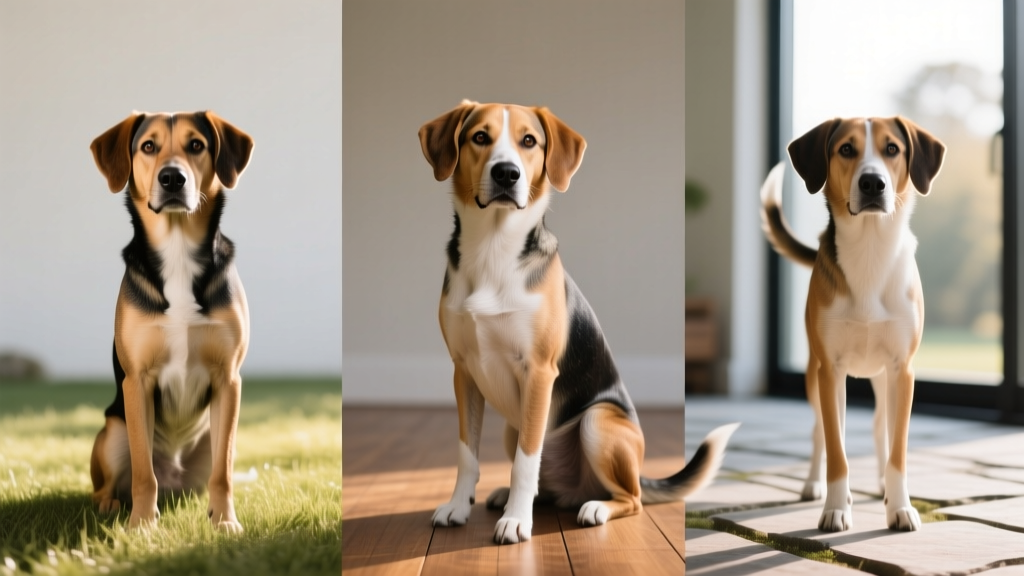
What Makes a Dog Breed Truly Photogenic?
Not every dog photographs equally well — and it has nothing to do with being "less cute." Photogenic dog breeds share specific physical and behavioral traits that translate beautifully to camera: symmetrical facial features, striking coat patterns or colors, expressive eyes, and a temperament calm enough to tolerate (or even enjoy) a photo session. As someone who has photographed hundreds of dogs for breed profiles and adoption campaigns, I've learned that the best dog breeds dog pictures showcase come down to a combination of genetics, coat structure, and personality.
Our Selection Criteria for This List
Each breed on this list was evaluated against five specific criteria:
- Facial Symmetry & Expression: Breeds with naturally expressive faces, alert ear sets, and balanced proportions that read well on camera
- Coat Visual Impact: Distinctive color patterns, textures, or lengths that create visual interest in still images
- Posing Temperament: Ability to hold brief stillness or display natural expressions without constant motion blur
- Recognizability: Breeds with iconic silhouettes or features that make photographs instantly identifiable
- Lighting Versatility: Coat colors and textures that photograph well across natural light, studio, and outdoor conditions
A breed needed to score highly on at least 3 of 5 criteria to make this list. We also prioritized breeds that are accessible to the average owner — meaning no breeds with extreme rarity or $10,000+ purchase prices as primary recommendations.
Top 12 Most Photogenic Dog Breeds (Ranked by Category)
We've organized these breeds into three logical groups based on size and energy level, so you can find a photogenic companion that actually fits your living situation and lifestyle.
Small & Toy Breeds: Compact Camera Stars
1. Pomeranian
Size Class: Toy (3–7 lb / 1.4–3.2 kg, 6–7 in / 15–18 cm)
Key Photogenic Trait: Luxurious double coat with a fox-like face and alert, bright eyes that catch light beautifully. Their plumed tail and rounded silhouette create an instantly recognizable profile shot.
Why They Made the List: Pomeranians are the undisputed champions of social media dog photography. Their dense, stand-off coat creates natural volume that reads well even in smartphone photos, and their naturally curious expression means they're almost always "camera-ready." The breed's compact size also makes them easy to position and photograph in any setting — from studio setups to outdoor adventures. Their coats come in over 23 recognized colors per the AKC breed standard, giving photographers enormous variety.
2. French Bulldog
Size Class: Small (16–28 lb / 7–13 kg, 11–13 in / 28–33 cm)
Key Photogenic Trait: Oversized bat ears that frame an expressive, wrinkled face with dark, soulful eyes. Their compact, muscular body and short coat photograph cleanly without distracting flyaway fur.
Why They Made the List: Frenchies have dominated Instagram and dog photography for good reason. Their brachycephalic (short-faced) structure gives them an almost human-like expressiveness that translates powerfully in portraits. The breed's wrinkles catch shadow and light in ways that add depth to photographs, and their bat ears create a distinctive silhouette recognizable even in shadow. Note: as a brachycephalic breed, Frenchies can overheat quickly during outdoor shoots — always keep sessions under 15 minutes in warm weather and watch for signs of brachycephalic obstructive airway syndrome (BOAS).
3. Cavalier King Charles Spaniel
Size Class: Small (13–18 lb / 6–8 kg, 12–13 in / 30–33 cm)
Key Photogenic Trait: Large, round, dark eyes set in a gently domed skull with long, silky feathered ears. Their sweet expression is consistently rated among the most emotionally engaging in canine photography.
Why They Made the List: Cavaliers possess what photographers call "natural catchlight" — their large, dark eyes reflect light sources in a way that creates an almost luminous quality in portraits. The breed's four recognized color patterns (Blenheim, Tricolor, Black & Tan, and Ruby) each photograph distinctly, and their silky coat has enough movement to add dynamism without the chaos of a high-shedding breed. Their naturally gentle disposition means they tolerate longer photo sessions without stress.
4. Shiba Inu
Size Class: Small-to-Medium (17–23 lb / 8–10 kg, 13.5–16.5 in / 34–42 cm)
Key Photogenic Trait: Fox-like face with a confident, almost smirking expression, erect triangular ears, and a tightly curled tail. Their clean lines and compact proportions create balanced compositions.
Why They Made the List: The "Doge" meme made Shibas internet-famous, but their photogenicity goes far beyond meme culture. Their red, black-and-tan, or sesame coats have sharp, well-defined markings that photograph crisply, and their naturally alert posture means they rarely look "slouched" in photos. Shibas are independent and dignified, which translates as a regal, composed presence in images. However, their stubborn streak means training them to pose requires patience and positive reinforcement — never force a Shiba into uncomfortable positions.
Medium Breeds: Versatile Photo Subjects
5. Australian Shepherd
Size Class: Medium (40–65 lb / 18–29 kg, 18–23 in / 46–58 cm)
Key Photogenic Trait: Striking heterochromia (two different colored eyes) is common, paired with merle coat patterns that create unique, unrepeatable color combinations. Athletic build photographs powerfully in action shots.
Why They Made the List: Australian Shepherds are photographer favorites for action and adventure photography. Their merle coats — a marbled pattern of dark and light patches — create visual complexity that makes every photograph unique. Blue eyes, amber eyes, or one of each (complete heterochromia) add an arresting focal point. Aussies thrive on activity, making them ideal subjects for hiking, agility, and outdoor action photography. Their high energy means you'll need a fast shutter speed (1/500s or higher recommended), but the results are spectacular. Per AKC records, Aussies have consistently ranked in the top 15 most popular breeds in the US for over a decade.
6. Border Collie
Size Class: Medium (30–55 lb / 14–25 kg, 18–22 in / 46–56 cm)
Key Photogenic Trait: Intense, focused gaze (known as "the eye") that creates captivating portrait intensity. Classic black-and-white markings produce high-contrast photographs that pop in any lighting condition.
Why They Made the List: The Border Collie's legendary intelligence and focus translate directly to photography. When a Border Collie locks onto something — a frisbee, a sheep, or a camera lens — the resulting expression is one of the most intense and compelling in the canine world. Their classic black-and-white coat pattern provides natural contrast that works beautifully in both color and black-and-white photography. For action shots, their herding-style crouch and explosive speed create dramatic compositions.
7. Siberian Husky
Size Class: Medium (35–60 lb / 16–27 kg, 20–23.5 in / 51–60 cm)
Key Photogenic Trait: Wolf-like appearance with piercing blue, brown, or bi-colored eyes and dramatic facial masks. Their thick double coat and plumed tail create a majestic silhouette in any setting.
Why They Made the List: Huskies are among the most visually dramatic breeds in existence. Their facial mask patterns are as unique as fingerprints, and their light-colored eyes (especially the iconic ice-blue) create an almost supernatural quality in photographs. The breed's thick double coat photographs beautifully in winter and autumn settings, though the heavy shedding season (blowing coat) can make them look less polished for 3–4 weeks twice a year. Huskies are vocal and expressive, which translates to dynamic, personality-rich photographs — though getting them to sit still requires creative treat motivation.
8. Samoyed
Size Class: Medium-to-Large (35–65 lb / 16–29 kg, 19–23.5 in / 48–60 cm)
Key Photogenic Trait: The famous "Sammy smile" — an upturned mouth that creates a perpetually happy expression — paired with a pure white, fluffy double coat that glows in natural light.
Why They Made the List: Samoyeds were practically engineered for photography. Their white coat reflects light beautifully, making them natural subjects for golden-hour shoots and studio work alike. The breed's characteristic smile is caused by slightly upturned lip corners, creating an expression that reads as joyful in virtually every photograph. Their plumed tail, carried over the back, adds a finishing flourish to their silhouette. The trade-off: white coats show dirt instantly, so budget 30 minutes of grooming before any planned photo session.
Large & Giant Breeds: Statement-Making Subjects
9. Golden Retriever
Size Class: Large (55–75 lb / 25–34 kg, 21.5–24 in / 55–61 cm)
Key Photogenic Trait: Warm golden coat that photographs beautifully in virtually every lighting condition, paired with a consistently friendly, open expression and soft, dark eyes.
Why They Made the List: Golden Retrievers are the most reliably photogenic large breed in existence. Their coat color — ranging from cream to deep mahogany gold — falls in the warm spectrum that cameras and human eyes find naturally appealing. Their temperament is so consistently friendly and relaxed that they genuinely enjoy photo sessions, often tilting their heads or "smiling" on cue. Goldens are the breed of choice for family photography, therapy dog documentation, and commercial advertising for good reason. They ranked as the 3rd most popular breed in the US in recent AKC registration data.
10. Bernese Mountain Dog
Size Class: Giant (70–115 lb / 32–52 kg, 23–27.5 in / 58–70 cm)
Key Photogenic Trait: Tricolor coat (black, white, and rust) with distinctive symmetrical markings including a white chest blaze and rust "eyebrows." Their gentle expression and massive, sturdy build create an imposing yet approachable presence.
Why They Made the List: Berners are living works of art. Their tricolor pattern is so precisely defined by the breed standard that well-marked individuals look almost painted. The rust markings above the eyes create natural "eyebrows" that add enormous expressiveness, and the white chest blaze draws the eye to the center of every portrait. Their large size makes them dramatic subjects, especially in landscape photography. Important health note: Bernese Mountain Dogs have a shorter lifespan (7–10 years) and elevated cancer risk compared to similar-sized breeds, so discuss screening protocols with your veterinarian, including OFA hip/elbow evaluations and cardiac exams.
11. German Shepherd Dog
Size Class: Large (50–90 lb / 23–41 kg, 22–26 in / 56–66 cm)
Key Photogenic Trait: Noble, wolf-like silhouette with erect ears, a sloping topline, and rich sable or black-and-tan coat. Their alert, intelligent expression conveys authority and loyalty simultaneously.
Why They Made the List: German Shepherds carry themselves with a natural dignity that elevates every photograph. Their erect ears and dark, almond-shaped eyes create a commanding portrait subject, while their athletic build produces powerful action shots. The breed's sable coloring — where each hair is banded with multiple colors — creates a depth and richness that photographs beautifully, especially in directional light. GSDs are highly trainable, meaning they can learn specific posing behaviors (sit-stay, head-down, look-at-me) more reliably than most breeds.
12. Great Dane
Size Class: Giant (110–175 lb / 50–79 kg, 28–32 in / 71–81 cm)
Key Photogenic Trait: Enormous, regal frame with a sleek, short coat in striking colors including harlequin (black patches on white), blue (steel gray), and fawn. Their dignified bearing and gentle eyes create a "gentle giant" aesthetic.
Why They Made the List: Great Danes are the supermodels of the dog world — tall, sleek, and naturally elegant. Their sheer size creates instant visual drama in any photograph, and their short coat means clean lines without distracting fur. The harlequin pattern, in particular, is visually stunning and unique to the breed. Despite their imposing stature, Danes are famously gentle and affectionate, which creates a beautiful contrast in photographs showing them with children or smaller animals. Budget note: Great Danes cost $1,500–$3,000 from a responsible breeder, and annual care (food, heartworm prevention sized for giant breeds, joint supplements) runs $2,500–$4,000 per year.
Breed Comparison: How These Photogenic Dogs Stack Up
| Breed | Size (lb / kg) | Coat Care Level | Posing Ease (1–5) | Exercise Needs (min/day) | Purchase Cost Range |
|---|---|---|---|---|---|
| Pomeranian | 3–7 / 1.4–3.2 | High (daily brushing) | 3 | 30–45 | $1,500–$4,000 |
| French Bulldog | 16–28 / 7–13 | Low (weekly brush) | 4 | 20–30 | $2,000–$5,000 |
| Cavalier King Charles | 13–18 / 6–8 | Moderate (3x/week) | 5 | 30–45 | $1,800–$3,500 |
| Shiba Inu | 17–23 / 8–10 | Moderate (2x/week) | 2 | 40–60 | $1,500–$3,500 |
| Australian Shepherd | 40–65 / 18–29 | Moderate (3x/week) | 3 | 60–90 | $800–$2,500 |
| Border Collie | 30–55 / 14–25 | Moderate (3x/week) | 4 | 60–90 | $800–$2,000 |
| Siberian Husky | 35–60 / 16–27 | High (3x/week + blowouts) | 2 | 60–90 | $1,000–$2,500 |
| Samoyed | 35–65 / 16–29 | Very High (daily + pro groom) | 4 | 45–60 | $1,500–$3,500 |
| Golden Retriever | 55–75 / 25–34 | Moderate (3x/week) | 5 | 60–90 | $1,000–$3,500 |
| Bernese Mountain Dog | 70–115 / 32–52 | Moderate (3x/week) | 4 | 45–60 | $1,500–$3,000 |
| German Shepherd | 50–90 / 23–41 | Moderate (3x/week) | 5 | 60–90 | $1,500–$3,000 |
| Great Dane | 110–175 / 50–79 | Low (weekly brush) | 3 | 30–45 | $1,500–$3,000 |
How to Choose the Right Photogenic Breed for Your Lifestyle
Being photogenic doesn't matter if the breed doesn't fit your daily reality. Use this decision framework to narrow your top three choices based on your actual living situation.
Step-by-Step Breed Selection Flowchart
- Start with your space: Apartment or small home with no yard? → Focus on small/toy breeds (Pomeranian, French Bulldog, Cavalier). House with fenced yard? → All sizes are viable. Rural property? → Consider high-energy medium/large breeds (Aussie, Border Collie, Husky).
- Assess your daily time commitment: Under 1 hour/day for exercise? → French Bulldog, Great Dane, or Cavalier. 1–2 hours/day? → Golden Retriever, Samoyed, Bernese Mountain Dog. 2+ hours/day? → Australian Shepherd, Border Collie, Husky.
- Evaluate grooming tolerance: Prefer minimal grooming? → French Bulldog, Great Dane, German Shepherd. Willing to brush 3x/week? → Golden Retriever, Border Collie, Cavalier. Enjoy daily grooming or budget for professional grooming ($60–$120/session)? → Samoyed, Pomeranian.
- Consider photo session patience: Want a dog that naturally poses? → Cavalier (5/5), Golden Retriever (5/5), German Shepherd (5/5). OK with candid/action photography? → Shiba Inu (2/5), Husky (2/5) — their independence makes posed shots challenging but action shots spectacular.
- Factor in climate: Hot climate? → Avoid thick double-coated breeds (Samoyed, Husky, Pomeranian) — they overheat easily and their coats are designed for cold. Cold climate? → Double-coated breeds thrive. Temperate/varied? → Any breed with appropriate seasonal management.
My Top 3 Recommendations by Owner Profile
First-time owner who loves photography: Cavalier King Charles Spaniel. They're forgiving of beginner training mistakes, naturally cooperative during photo sessions, and their gentle expression photographs beautifully with minimal effort. Expect to invest in a basic reflector ($15–$25) and learn to use natural window light — Cavaliers look stunning in soft, diffused lighting.
Active outdoor enthusiast: Australian Shepherd. If your idea of a good time involves hiking, trail running, or kayaking, an Aussie will keep up and produce jaw-dropping adventure photography along the way. Their merle coats look incredible against mountain, forest, and water backdrops. Invest in a weather-sealed camera body or a good phone case — you'll be shooting in all conditions.
Family with young children: Golden Retriever. Goldens are patient enough to tolerate children directing photo sessions, their warm coloring complements every skin tone in family portraits, and they're large enough to be sturdy around toddlers while gentle enough to never cause concern. Their "always happy" expression makes every family photo feel warm and genuine.
Honorable Mentions and Breeds That Didn't Make the Cut
Several breeds came close but didn't meet enough of our five criteria to earn a primary spot:
- Dalmatian: Visually iconic with their spotted coat, but their extremely high energy (90–120 min/day minimum) and sensitivity make them challenging for casual photo sessions. Better suited for experienced owners who specifically want an active, spotted breed.
- Afghan Hound: Arguably the most glamorous breed in existence with their flowing, silky coat, but their grooming requirements are extreme (daily brushing, professional grooming every 4–6 weeks at $80–$150/session) and their aloof temperament makes them unreliable posing subjects.
- Irish Wolfhound: Magnificent and gentle, but their rough, wiry coat doesn't photograph as "cleanly" as smooth or silky coats, and their enormous size (120–180 lb) limits them to homes with significant space.
- Chow Chow: Their lion-like mane and blue-black tongue are visually striking, but their notoriously independent and sometimes aggressive temperament makes photo sessions stressful. Not recommended for families or first-time owners.
Breeds to Approach Carefully for Photography
Some breeds are gorgeous in person but present specific photography challenges:
- Black-coated breeds (e.g., solid black Labrador, Schipperke): Black fur absorbs light and loses detail in photographs, requiring careful exposure compensation (+0.5 to +1.0 EV) and preferably overcast-day shooting. Beautiful dogs, but technically demanding to photograph well.
- Brachycephalic breeds beyond Frenchies (e.g., English Bulldog, Pug): Their flat faces are expressive but their breathing limitations mean outdoor photo sessions in any warmth above 75°F (24°C) carry genuine health risks. Keep sessions short, cool, and always have water available.
- Extremely high-energy working breeds (e.g., Belgian Malinois, Vizsla): These breeds are stunning in action but nearly impossible to photograph in still poses without extensive training. Only recommended if you specifically want action/sport photography and have the time for advanced training.
Photography Tips That Work Across All Breeds
Regardless of which breed you choose, these techniques will improve your dog photography immediately:
- Shoot at eye level: Get down on the ground. Photographing dogs from standing human height flattens their features and creates unflattering proportions. Eye-level shooting creates connection and shows the dog's true expression.
- Use continuous shooting mode: Dogs move unpredictably. Set your camera or phone to burst mode (5–10 frames/second) and sort through later. You'll capture micro-expressions — ear flicks, head tilts, tongue flicks — that single shots miss.
- Golden hour is real: The hour after sunrise and hour before sunset provides warm, directional light that makes every coat color look richer. Midday sun creates harsh shadows under the brow and chin that flatten facial features.
- Treat motivation works: Hold a high-value treat (freeze-dried liver, small cheese pieces) directly above your camera lens. The dog will look toward the camera with bright, engaged eyes. This is how professional pet photographers get those "looking at camera" shots consistently.
- Avoid flash when possible: Direct flash causes "green eye" (the canine equivalent of red eye, caused by the tapetum lucidum reflective layer in dog eyes) and startles most dogs. Use natural light, a reflector, or bounced flash instead.
Frequently Asked Questions
What are the best dog breeds for professional photography?
Golden Retrievers, German Shepherds, and Cavaliers consistently rank as the top breeds for professional pet photography due to their cooperative temperaments, expressive faces, and photogenic coat colors. Professional photographers also favor breeds with predictable behavior — a dog that holds a sit-stay for 30 seconds is infinitely more photographable than one that breaks position every 5 seconds.
Why is the Samoyed ranked so high for dog pictures?
Samoyeds combine three rare photogenic advantages: a pure white coat that reflects light beautifully (acting as a natural fill light for their face), the breed's signature "smile" that creates a joyful expression in virtually every image, and a fluffy texture that adds dimension and softness to photographs. Their white coat also means they don't clash with any background color or setting.
Can mixed-breed dogs be just as photogenic as purebreds?
Absolutely. Mixed-breed dogs often combine the best photogenic traits of their parent breeds — a Husky-mix with blue eyes and a merle-pattern coat, or a Golden Retriever-Poodle cross with a wavy golden coat. The criteria on this list (facial expression, coat impact, posing temperament) apply equally to mixed breeds. Many of the most viral dog photos online feature mixed-breed dogs with unique, unrepeatable appearances.
How do these breeds compare on grooming costs for photo readiness?
Grooming costs vary dramatically. Low-maintenance breeds like French Bulldogs and Great Danes cost $0–$30/month in home grooming supplies. Moderate-maintenance breeds like Golden Retrievers and Australian Shepherds run $30–$60/month including occasional professional grooming. High-maintenance breeds like Samoyeds and Pomeranians require $80–$200/month in professional grooming to maintain photo-ready coats. Factor this into your annual budget — a Samoyed's grooming costs alone can exceed $2,400/year.
Which breed should I choose for my specific situation?
Use the decision flowchart above as your starting point. The single most important factor is exercise compatibility — a photogenic dog that doesn't get enough exercise will be stressed, uncooperative, and unhappy regardless of how beautiful they look. Match the breed's energy requirements to your actual daily routine, not your aspirational one. If you currently walk 20 minutes per day, don't choose a Border Collie that needs 90 minutes. Start with your honest lifestyle, then select the most photogenic breed within that constraint.
Do I need expensive equipment to take great dog pictures?
No. Modern smartphones (iPhone 15 and later, Samsung Galaxy S24 and later, Google Pixel 8 and later) have portrait modes that produce professional-quality dog photos. The most important factors are lighting (natural light, golden hour), angle (eye level), and timing (burst mode). A $200 investment in a basic reflector, a treat pouch, and a portable backdrop will improve your photos more than a $2,000 camera lens. That said, if you want to pursue dog photography seriously, a mirrorless camera with a 50mm or 85mm f/1.8 prime lens ($400–$800 for the lens) will produce beautiful background blur (bokeh) that makes any breed look stunning.
Beth Carrasco
All our authors care for dogs every day — read more of their work on the authors page.


