Are Dalmatians Good Family Dogs? A Realistic Owner's Guide
Are Dalmatians good family dogs? This breed profile covers temperament, exercise needs, health risks, costs, and whether Dalmatians fit your household.
Dalmatian Breed Overview: What You're Signing Up For
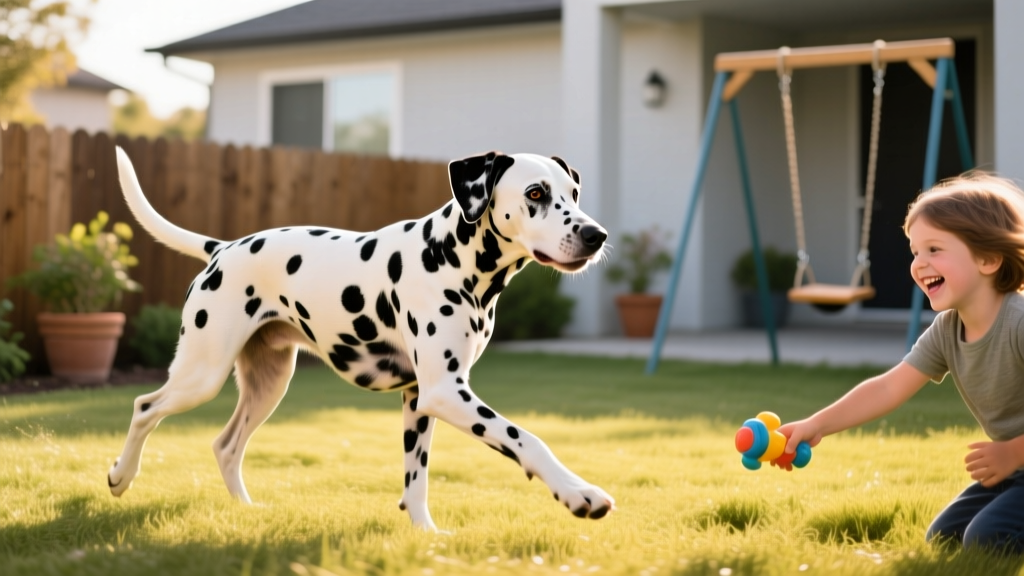
If you've ever watched a Dalmatian sprint across a field, ears pinned back, spots blurring in the sunlight, you've seen a dog built for endurance. The Dalmatian is a large, athletic breed originating from the Dalmatia region of modern-day Croatia, where they served as carriage dogs — trotting alongside horse-drawn vehicles for 20-30 miles a day. That working history isn't just trivia; it explains why your Dalmatian will try to outrun your bicycle and why a 15-minute walk around the block will leave them bouncing off your walls.
Dalmatians stand out in the canine world for their iconic spotted coat, high energy, and strong-willed independence. They're not a breed that passively fits into family life — they demand participation. Whether that makes them the perfect companion or a poor match depends entirely on your lifestyle, patience, and willingness to meet their specific needs.
| Size Class | Large |
|---|---|
| Weight (Male) | 55–70 lb / 25–32 kg |
| Weight (Female) | 45–60 lb / 20–27 kg |
| Height | 19–24 inches / 48–61 cm at the shoulder |
| Lifespan | 11–13 years (some reach 15 with excellent care) |
| Coat Type | Short, dense, smooth; white with black or liver spots |
| Energy Level | High to very high |
| Grooming | Weekly brushing; heavy seasonal shedding |
| AKC Group | Non-Sporting |
| Family Fit | Best for active families with older children; moderate fit for apartments |
Temperament & Personality: The Real Dalmatian Character
Pop culture painted the Dalmatian as a cuddly, easygoing companion thanks to Disney's 101 Dalmatians. The reality is more nuanced — and frankly, more interesting. Here are the core personality traits you'll encounter living with this breed:
1. Energetic and Endurance-Driven
Dalmatians don't just like exercise — they need it the way they need water. A physically under-stimulated Dalmatian becomes a destructive problem-solver: chewing baseboards, digging through carpet, or developing repetitive pacing behaviors. This isn't misbehavior; it's a working dog with no job.
2. Aloof With Strangers, Devoted to Family
Unlike a Labrador that greets every human like a long-lost friend, Dalmatians tend to assess newcomers with reserved suspicion. They're not aggressive without cause, but they don't offer instant trust. Once a Dalmatian bonds with you, though, the attachment runs deep. Expect your dog to follow you room to room and position themselves between you and unfamiliar visitors.
3. Intelligent but Strong-Willed
Dalmatians learn commands quickly — they rank well in working intelligence — but they don't obey blindly. If your Dalmatian doesn't see the point of a command, they'll negotiate. This makes them a poor match for owners who want a compliant, biddable dog. Positive reinforcement training with high-value treats (freeze-dried liver, boiled chicken) works far better than repetitive drilling, which a Dalmatian will simply tune out.
4. Playful and Clownish at Home
Off-duty, Dalmatians are surprisingly goofy. They "talk" with grumbles, huffs, and paw-taps rather than barking. Many develop quirky habits like carrying toys in their mouths when greeting you or "smiling" by pulling their lips back to show teeth — which alarms visitors but is pure friendliness.
5. Sensitive to Household Tension
Dalmatians pick up on emotional stress in a home. Yelling, chaotic environments, or inconsistent rules can produce anxiety behaviors: excessive licking, withdrawal, or house-training regression in adults. They thrive in households with predictable routines and calm conflict resolution.
Exercise & Activity Needs: What "High Energy" Actually Means
When breed guides say Dalmatians need "lots of exercise," that's not specific enough to plan your day. Here's what experienced Dalmatian owners and veterinary behaviorists actually recommend:
- Minimum daily exercise: 90–120 minutes of structured activity (not just yard time)
- Ideal breakdown: Two 30–45 minute brisk walks or runs, plus 30 minutes of off-leash play or sport
- Best activities: Running alongside a bicycle (using a springer attachment like the WalkyDog Plus), hiking, agility courses, flyball, canicross, and swimming
- Mental stimulation: Puzzle feeders (Outward Hound Nina Ottosson Dog Brick), scent work games, and obedience training sessions of 10–15 minutes
Dalmatians make excellent running companions for adults maintaining a 9–11 minute mile pace. However, puppies should not engage in sustained running on hard surfaces until growth plates close — typically around 14–18 months. Before that, stick to free play on grass and short leash walks (5 minutes per month of age is a common guideline).
| Time | Activity | Duration |
|---|---|---|
| 6:30 AM | Morning walk or jog | 35–45 minutes |
| 12:00 PM | Midday puzzle feeder + 10-min training session | 20 minutes |
| 5:30 PM | Off-leash park visit, agility, or fetch | 30–40 minutes |
| 8:00 PM | Evening walk (decompression sniff walk) | 20–30 minutes |
Are Dalmatians Good Family Dogs? Kids, Pets, and Living Spaces
The short answer: Dalmatians can be excellent family dogs — but with important caveats that separate successful placements from dogs surrendered to rescue.
Dalmatians and Children
Dalmatians do best with children aged 8 and older. Their size (up to 70 lb / 32 kg) and exuberance mean they can accidentally knock over toddlers during play. They're not typically aggressive toward children, but they have low tolerance for ear-pulling, tail-grabbing, or being climbed on. Families with younger kids can make it work if an adult actively supervises every interaction and teaches children to respect the dog's space — especially during sleep and meals.
Dalmatians and Other Pets
Raised alongside cats from puppyhood, many Dalmatians coexist peacefully with feline housemates. Their historical role as "coach dogs" means they were bred to work alongside horses, and this translates to generally good livestock manners. However, Dalmatians can have a strong prey drive toward small animals (rabbits, guinea pigs) and may chase squirrels or cats they encounter outside the home. Same-sex dog aggression occasionally surfaces in intact males; early socialization and neutering reduce this risk.
Apartment Living
A Dalmatian can live in an apartment if — and this is critical — the owner commits to 2+ hours of outdoor exercise daily. Without a yard, you become the yard. Many apartment-dwelling Dalmatian owners succeed by incorporating their dog into morning runs, weekend hikes, and doggy daycare 2–3 times per week. If your apartment lifestyle involves 10-hour workdays away from home, this breed will deteriorate behaviorally within weeks.
Why Families Love Dalmatians
- Fiercely loyal and protective without being aggressive
- Low "doggy odor" compared to many large breeds
- Highly trainable for active sports (agility, obedience, rally)
- Unique, striking appearance — no two Dalmatians have identical spot patterns
- Good endurance companions for hiking and running families
Challenges Families Should Anticipate
- Heavy shedding year-round — short white hairs embed in fabrics
- Requires 90–120 minutes of daily exercise, non-negotiable
- Not ideal for families with toddlers or very young children
- Prone to deafness — requires specific training adaptations
- Stubborn streak makes them frustrating for first-time owners
Health Issues: What Dalmatian Owners Must Watch For
Dalmatians carry some breed-specific health risks that go beyond the generic "hip dysplasia and obesity" list you'll find in every dog article. Understanding these conditions — and screening for them — is essential before bringing a puppy home. Always consult your veterinarian for diagnosis and treatment plans tailored to your individual dog.
| Condition | Prevalence | Key Details |
|---|---|---|
| Congenital Sensorineural Deafness | ~8% bilaterally deaf; ~22% unilaterally deaf (per AKC health data) | Linked to the piebald/white coat gene. BAER testing at 6–8 weeks is essential. Unilaterally deaf dogs can live normal lives; bilaterally deaf dogs require hand-signal training. |
| Urate Urolithiasis (Bladder/Kidney Stones) | Affects a significant portion of the breed due to a genetic defect in uric acid metabolism | Dalmatians excrete uric acid instead of allantoin, forming stones. Management includes low-purine diets (avoiding organ meats, sardines), constant fresh water access, and frequent bathroom breaks. Some dogs require allopurinol medication. The AKC recommends regular urinalysis. |
| Hip Dysplasia | ~12% of Dalmatians evaluated by OFA show dysplastic hips | Malformation of the hip socket causing arthritis over time. Responsible breeders screen parents via OFA or PennHIP certification. Maintain lean body condition to reduce joint stress. |
| Skin Allergies (Atopic Dermatitis) | Common; exact prevalence varies by region and environment | Dalmatians are prone to food and environmental allergies manifesting as itchy skin, ear infections, and hot spots. Limited-ingredient diets with novel proteins (venison, duck, salmon) often help. Cytopoint injections or Apoquel may be prescribed by your vet. |
| Iris Dysplasia | Less common but documented in the breed | Abnormal development of the iris that can affect vision. Annual CERF/OFA eye exams are recommended for breeding dogs. |
Buying tip: Reputable Dalmatian breeders will provide BAER hearing test results, OFA hip scores, and eye clearance documentation for both parents. If a breeder can't or won't share these, walk away. The Dalmatian Club of America maintains a breeder referral list that adheres to these health testing standards.
Grooming & Maintenance: The Shedding Reality
Don't let the short coat fool you. Dalmatians are prolific shedders — their fine, stiff white hairs weave themselves into dark clothing, upholstery, and car interiors with an almost supernatural persistence. Here's the grooming commitment:
- Brushing: 2–3 times per week with a rubber curry brush (like the Kong ZoomGroom) or a medium-bristle brush. During spring and fall shedding peaks, daily brushing helps.
- Bathing: Every 6–8 weeks, or as needed. Use a gentle, oatmeal-based dog shampoo to avoid drying out their skin. White coat areas may benefit from a whitening shampoo like Chris Christensen White on White.
- Nail trims: Every 3–4 weeks. Overgrown nails alter gait and stress joints — especially important for a breed already predisposed to hip issues.
- Ear cleaning: Weekly checks; clean with a veterinary ear wash (Epi-Otic Advanced) if you see wax buildup. Dalmatians' drop ears can trap moisture.
- Dental care: Daily tooth brushing with enzymatic dog toothpaste (Virbac CET) or dental chews approved by the Veterinary Oral Health Council (VOHC).
Training & Intelligence: Working With a Thinker
Dalmatians are rated above average in working/obedience intelligence — they typically learn new commands in 15–25 repetitions and obey on the first command 70% of the time or better, according to canine intelligence researcher Stanley Coren's rankings. But "capable" doesn't mean "easy."
Here's what effective Dalmatian training looks like in practice:
- Method: Positive reinforcement only — reward-based training with treats, play, and praise. Force-free methods (LIMA: Least Intrusive, Minimally Aversive) produce the best results. Aversive tools like shock collars or prong collars damage trust with this sensitive breed and often escalate behavioral problems.
- Session length: Keep training to 10–15 minutes. Dalmatians lose interest in repetitive drills and will disengage.
- Early socialization: Critical between 8–16 weeks. Expose your puppy to varied surfaces, sounds, people, and other dogs in controlled settings. Puppy kindergarten classes (through a certified CPDT-KA trainer) are strongly recommended.
- Recall training: Dalmatians have a strong chase instinct. Invest significant time in recall work in fenced areas before attempting off-leash freedom. A long-line (15–30 ft training leash) is essential for practicing in open spaces.
- Deaf dog adaptations: If your Dalmatian is unilaterally or bilaterally deaf, hand signals replace verbal commands. Use a vibration collar (NOT a shock collar) as an attention-getter. Deaf Dalmatians compete successfully in agility and obedience with adapted training.
Cost of Ownership: Budgeting for a Dalmatian
Dalmatians are not a budget breed. Between their exercise demands, health screening needs, and grooming maintenance, you should plan realistically before committing.
| Expense | Estimated Cost (USD) |
|---|---|
| Puppy from a health-tested breeder | $1,500–$3,500 |
| Adoption from breed rescue | $300–$600 |
| Initial supplies (crate, leash, harness, bowls, bed) | $250–$500 |
| First-year veterinary (vaccines, spay/neuter, BAER test, baseline bloodwork) | $800–$1,500 |
| Annual veterinary care (checkups, vaccines, heartworm/flea prevention) | $500–$900/year |
| Food (premium kibble or balanced raw diet, 30-lb dog) | $600–$1,200/year |
| Pet insurance (comprehensive plan) | $40–$80/month ($480–$960/year) |
| Grooming supplies and occasional professional grooming | $150–$400/year |
| Dog walking / daycare (if needed for working owners) | $2,500–$5,000/year |
First-year total estimate: $4,500–$9,000+ depending on your location, whether you use daycare, and any unexpected health issues. Ongoing annual cost: $2,000–$4,500/year. Pet insurance is strongly recommended for this breed given the potential cost of treating urate stones ($1,000–$4,000 per surgical episode) or managing chronic allergies.
Is a Dalmatian Right for a First-Time Owner?
Honestly? For most first-time owners, a Dalmatian is not the ideal starter breed. The combination of high exercise requirements, stubborn independence, deafness risk, and specific dietary needs (low-purine management) creates a steep learning curve. First-time owners typically succeed more with breeds like Labrador Retrievers, Golden Retrievers, or Standard Poodles that are more forgiving of training mistakes.
That said, an exceptionally committed first-time owner — one who has done extensive breed research, enrolled in training classes before bringing the puppy home, and has an active lifestyle that naturally accommodates 2 hours of daily exercise — can absolutely succeed with a Dalmatian. The key is going in with eyes wide open, not expecting the Disney version.
Frequently Asked Questions
How big does a Dalmatian get?
Adult male Dalmatians typically weigh 55–70 lb (25–32 kg) and stand 22–24 inches (56–61 cm) tall at the shoulder. Females are slightly smaller at 45–60 lb (20–27 kg) and 19–22 inches (48–56 cm). They reach full height by 12–14 months but may continue filling out in chest and muscle until 2 years of age.
How much exercise does a Dalmatian need daily?
A minimum of 90–120 minutes per day of structured exercise — walks, runs, off-leash play, or dog sports. This doesn't include mental stimulation, which should add another 20–30 minutes of training or puzzle activities. Puppies need less structured exercise (5 minutes per month of age for walks) but plenty of free play.
Are Dalmatians good with children and other pets?
Dalmatians are generally good with children aged 8+ who understand how to interact respectfully with dogs. They can coexist with cats if raised together but may chase small animals due to prey drive. Supervision is essential with younger children, as a 60-lb Dalmatian can easily knock over a toddler during excited play.
What health problems are Dalmatians prone to?
The most significant breed-specific concerns are congenital deafness (affecting up to 30% of Dalmatians in some degree), urate urolithiasis (bladder/kidney stones due to a unique metabolic defect), hip dysplasia, skin allergies, and iris dysplasia. BAER hearing tests, OFA hip screening, and regular urinalysis are essential preventive measures. Always consult your veterinarian for personalized health guidance.
How much does a Dalmatian cost to buy and maintain?
Expect to pay $1,500–$3,500 for a puppy from a health-tested breeder, or $300–$600 through a breed-specific rescue. Annual maintenance costs range from $2,000–$4,500 including food, veterinary care, insurance, and grooming. First-year costs are higher ($4,500–$9,000+) due to initial supplies, spay/neuter, and puppy vaccinations.
Do Dalmatians shed a lot?
Yes — significantly. Despite their short coat, Dalmatians shed year-round with heavier periods in spring and fall. Their fine white hairs are particularly noticeable on dark clothing and furniture. Regular brushing (2–3 times weekly) with a rubber curry brush helps manage loose hair, but shedding is a fact of life with this breed.
Sources consulted for this profile include the American Kennel Club Dalmatian breed standard, the Merck Veterinary Manual, and breed health data from the Dalmatian Club of America. Always consult your veterinarian for health decisions specific to your dog.
Jonas Cole
All our authors care for dogs every day — read more of their work on the authors page.


