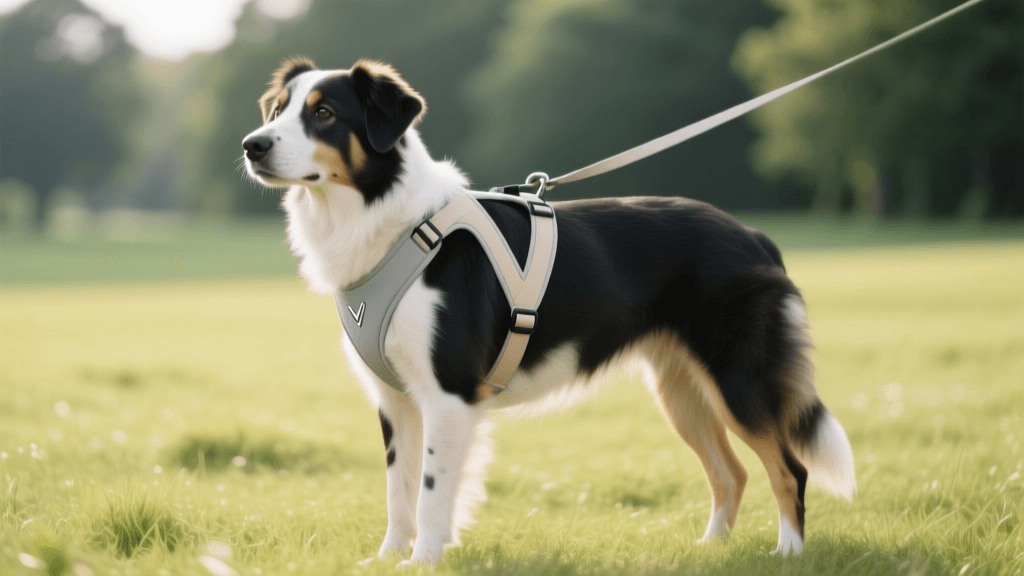
Top Y-Shaped No Pull Harnesses for Canine Joint Health 2026
Discover how Y-shaped no pull harnesses protect your dog's shoulder joints and spine in 2026. Compare top orthopedic-safe models and biomechanical impacts.
The Evolution of the No Pull Dog Harness in 2026
As we navigate through 2026, the veterinary and canine rehabilitation communities have reached a strong consensus regarding canine walking equipment: the design of your dog's harness directly impacts their long-term orthopedic health. While the no pull dog harness has become a staple for pet owners seeking to manage leash reactivity and pulling without resorting to aversive choke or prong collars, not all harnesses are created equal. In recent years, a significant shift has occurred away from restrictive, horizontal-strap designs toward ergonomically sound, Y-shaped harnesses. This shift is driven by a deeper understanding of canine biomechanics and a commitment to preserving joint health throughout a dog's life.
According to the American Veterinary Medical Association (AVMA), preventive care and proper daily management are critical to avoiding early-onset musculoskeletal degradation. When a dog pulls on a leash, the force exerted on their body is magnified. If that force is distributed across a poorly designed harness that restricts natural movement, it can lead to chronic joint issues, altered gait, and spinal misalignment. In this comprehensive guide, we explore the biomechanics of the canine shoulder, the hidden dangers of restrictive anti-pull designs, and the top Y-shaped no pull harnesses recommended by veterinary physiotherapists in 2026.
Understanding Canine Shoulder Biomechanics
To understand why the shape of a no pull harness matters, we must first look at canine anatomy. Unlike humans, dogs do not have a bony clavicle (collarbone) connecting their front limbs to their axial skeleton. Instead, a dog's forelimbs are attached entirely by a complex sling of muscles, tendons, and ligaments. The scapula (shoulder blade) floats over the ribcage, allowing for an incredible range of motion and stride extension. The forelimbs bear approximately 60% of a dog's total body weight, making the shoulder assembly a critical shock-absorbing structure during movement.
When a dog walks or trots, the shoulder blade must glide backward and forward smoothly. Any external pressure that impedes this gliding motion forces the dog to compensate. Over time, this compensation leads to shortened strides, altered weight distribution, and excessive wear on the elbow and carpal joints. The American Kennel Club (AKC) notes that joint problems, including osteoarthritis and dysplasia, are among the most common chronic issues in aging dogs, making the preservation of natural gait mechanics paramount from puppyhood onward.
The Hidden Dangers of Restrictive Anti-Pull Designs
Many commercial no pull harnesses marketed heavily in the early 2020s relied on a horizontal chest strap that cuts directly across the dog's sternum and the front of the shoulder joint. While these harnesses often successfully stop pulling by creating a physical barrier or applying uncomfortable pressure to the sternum, they do so at a severe biomechanical cost. A horizontal strap physically blocks the backward extension of the humerus (upper arm bone).
When the shoulder cannot extend fully, the dog is forced to take shorter, choppier steps. This altered gait places unnatural torque on the spine and shifts the center of gravity backward, overloading the hindquarters. In 2026, certified canine rehabilitation therapists universally advise against horizontal-strap harnesses, especially for large breeds, active sporting dogs, and breeds predisposed to orthopedic conditions like German Shepherds and Golden Retrievers.
Y-Shaped vs. Restrictive Harnesses: A Biomechanical Comparison
The following table illustrates the primary differences between a properly fitted Y-shaped harness and a restrictive horizontal-strap harness regarding canine physical health.
| Feature | Y-Shaped Harness | Restrictive Horizontal Harness |
|---|---|---|
| Scapula Clearance | Full, unhindered forward and backward movement | Blocked by horizontal strap crossing the joint |
| Stride Length | Maintains natural, full-length extension | Forces shortened, choppy strides |
| Pressure Distribution | Redirects force to the sternum and ribcage safely | Concentrates force on the delicate shoulder joint |
| Long-Term Joint Impact | Minimal; preserves natural gait and alignment | High risk of compensatory spinal and elbow issues |
| Vet Rehab Recommendation (2026) | Highly Recommended | Strongly Discouraged |
Top 3 Orthopedic-Safe Y-Shaped No Pull Harnesses for 2026
Based on current veterinary recommendations, material durability, and biomechanical safety, here are the top three Y-shaped no pull harnesses available in 2026.
1. The Perfect Fit Modular Harness
The Perfect Fit Harness remains a gold standard in the canine rehabilitation community. Its unique modular design allows owners to mix and match sizes for the neck, chest, and girth straps, ensuring a custom fit for virtually any body type, from deep-chested Greyhounds to barrel-chested Bulldogs. The 2026 iterations feature updated, eco-friendly neoprene padding that provides exceptional shock absorption without adding bulk. The Y-shaped front piece sits perfectly below the sternum, leaving the shoulder blades completely free to articulate. It also offers both front and back D-ring attachment points, allowing handlers to use a dual-clip leash system for maximum steering control without compromising the dog's physical structure.
2. Ruffwear Front Range Harness (2026 Edition)
Ruffwear continues to dominate the outdoor gear market, and the 2026 Front Range Harness is a testament to their commitment to both sustainability and canine ergonomics. Constructed from recycled, high-tenacity nylon with a breathable, moisture-wicking air mesh lining, this harness is ideal for long hikes and active working dogs. The foam-padded chest and belly panels distribute pressure evenly across the torso when a dog leans into the harness. The crucial Y-shaped chest design ensures that the deltoid and biceps brachii muscles remain uncompressed. The reinforced front leash attachment point is strategically placed on the sternum to gently redirect a pulling dog's momentum sideways, rather than jerking their neck or spine.
3. Haqihana Ergonomic Harness
Designed in Italy and heavily favored by European veterinary behaviorists, the Haqihana harness is a masterclass in ergonomic engineering. It features a highly adjustable Y-shaped chest piece that is specifically contoured to follow the natural lines of the canine ribcage. The 2026 model utilizes a specialized micro-fleece lining that prevents chafing, even on short-coated or sensitive breeds. What sets the Haqihana apart is its exceptionally lightweight yet high-tensile webbing, which provides robust security for strong pullers without weighing the dog down. The harness is designed to sit high on the chest and low on the belly, entirely avoiding the sensitive axillary (armpit) region where major nerve bundles and lymph nodes reside.
How to Properly Fit a Y-Shaped Harness for Joint Health
Even the most anatomically correct Y-shaped harness can cause physical harm if fitted improperly. A harness that is too loose will shift during movement, causing friction burns and uneven pressure distribution. A harness that is too tight will restrict rib expansion and impede breathing. Follow these steps to ensure a perfect fit:
- The Two-Finger Rule: You should be able to comfortably slide two fingers flat under any strap on the harness. If you cannot, it is too tight; if you can fit your whole hand, it is too loose.
- Scapula Check: Run your hand over your dog's shoulder blade while they are standing and while they are taking a step forward. The edge of the harness must never cross over or press into the moving bone of the scapula.
- Armpit Clearance: Ensure the girth strap sits at least two to three inches behind the dog's front armpit. Straps that sit too close to the armpit will chafe the skin and compress the brachial plexus nerves, leading to numbness or tingling in the front paws.
- The Sternum Anchor: The central junction of the 'Y' should rest flat against the manubrium (the top of the sternum), not up on the soft tissue of the throat or down on the delicate xiphoid process at the bottom of the ribcage.
Integrating Gear with Behavioral Wellness
It is vital to remember that a no pull harness is a management tool, not a training cure. While a Y-shaped harness protects your dog's physical body from the immediate trauma of jerking and pulling, it does not teach them loose-leash walking skills. As highlighted by the certified professionals at Fear Free Pets, reducing physical discomfort and emotional stress during walks is foundational to behavioral wellness. If a dog is pulling because they are fearful, over-aroused, or under-exercised, simply changing the hardware will not address the root cause of the behavior.
In 2026, the most effective approach to leash manners combines an orthopedic-safe Y-shaped harness with positive reinforcement training protocols. Utilize the front-clip D-ring to gently manage your dog's momentum while rewarding them with high-value treats for checking in with you and maintaining a loose leash. Over time, as the dog learns that staying near your side yields rewards, you can transition to the back-clip D-ring for a more natural, unencumbered walking experience.
Signs Your Current Harness is Causing Harm
If you are currently using a restrictive harness, watch for these subtle signs that your dog's biomechanics are being compromised:
- Reluctance to jump into the car or climb stairs after a long walk.
- A noticeable shortening of the stride in the front legs compared to the hind legs.
- Chafing, hair loss, or redness in the armpits or across the chest.
- Post-walk stiffness, particularly in the neck or upper back.
- Shaking out the front paws repeatedly during or after a walk (a sign of nerve compression or restricted blood flow).
Final Thoughts on Canine Mobility and Gear
The paradigm of dog walking has evolved significantly. We now understand that the equipment we attach to our dogs is not merely a means of control, but an extension of their physical environment that can either support or sabotage their musculoskeletal health. By choosing a Y-shaped no pull harness in 2026, you are making a proactive investment in your dog's long-term mobility, comfort, and overall wellbeing. Prioritize anatomical design over flashy aesthetics, ensure a meticulous fit, and pair your gear with compassionate, reward-based training to ensure every walk is a safe and enriching experience for your canine companion.
marcus-aldridge
All our authors care for dogs every day — read more of their work on the authors page.