Step-by-Step Guide to Training Dogs for Tooth Brushing
Learn how to train your dog to accept tooth brushing with our step-by-step guide. Discover the best dog toothpastes, tools, and routines for dental health.
The Hidden Danger of Canine Periodontal Disease
Dental health is a critical, yet frequently overlooked, pillar of your dog's overall wellbeing. According to the American Veterinary Medical Association (AVMA), over 80% of dogs show signs of periodontal disease by the time they reach three years of age. Left untreated, the bacteria from infected gums can enter the bloodstream, potentially causing severe damage to the heart, liver, and kidneys. While professional veterinary cleanings under anesthesia are necessary for removing hardened subgingival tartar, daily at-home brushing remains the absolute gold standard for preventive care.
However, simply forcing a toothbrush into your dog's mouth is a recipe for stress, fear, and potential bites. Training your dog to accept tooth brushing requires patience, positive reinforcement, and a structured desensitization protocol. This step-by-step guide will transform dental care from a daily battle into a manageable, and even enjoyable, bonding experience.
Essential Tools for Canine Dental Care
Before beginning your training protocol, you must gather the right supplies. Never use human toothpaste. As noted by the American Kennel Club (AKC), human toothpaste contains ingredients like xylitol and fluoride, which are highly toxic to dogs when swallowed. Always opt for veterinary-formulated enzymatic toothpastes and canine-specific brushes.
| Tool / Product | Type | Avg. Cost | Pros | Cons |
|---|---|---|---|---|
| Virbac C.E.T. Enzymatic Toothpaste | Enzymatic Paste (Poultry/Beef) | $8 - $12 | Dual-enzyme system reduces bacteria; highly palatable; safe to swallow. | Can be messy; requires daily application for maximum efficacy. |
| Hertzko Soft Pet Finger Brush | Silicone Finger Brush | $5 - $8 (4-pack) | Excellent for beginners; gentle on sensitive gums; allows precise tactile control. | Less effective on heavy plaque; handler's finger is very close to teeth. |
| Sentry Petrodex Dual-Head Brush | Angled Bristle Brush | $6 - $9 | Angled head easily reaches back molars; dual sizes accommodate all breeds. | Can be intimidating for small dogs, puppies, or highly sensitive mouths. |
Pro Tip: Look for the Veterinary Oral Health Council (VOHC) seal of acceptance on any dental product you purchase. This ensures the product has met rigorous scientific standards for reducing plaque and tartar.
The 14-Day Step-by-Step Training Protocol
Do not rush this process. The goal is to change your dog's emotional response to mouth handling from fear to anticipation of a reward. Keep training sessions short—no more than 2 to 3 minutes at a time—and always end on a positive note.
Phase 1: Taste Testing and Positive Association (Days 1-3)
Objective: Teach your dog that the toothpaste is a high-value treat.
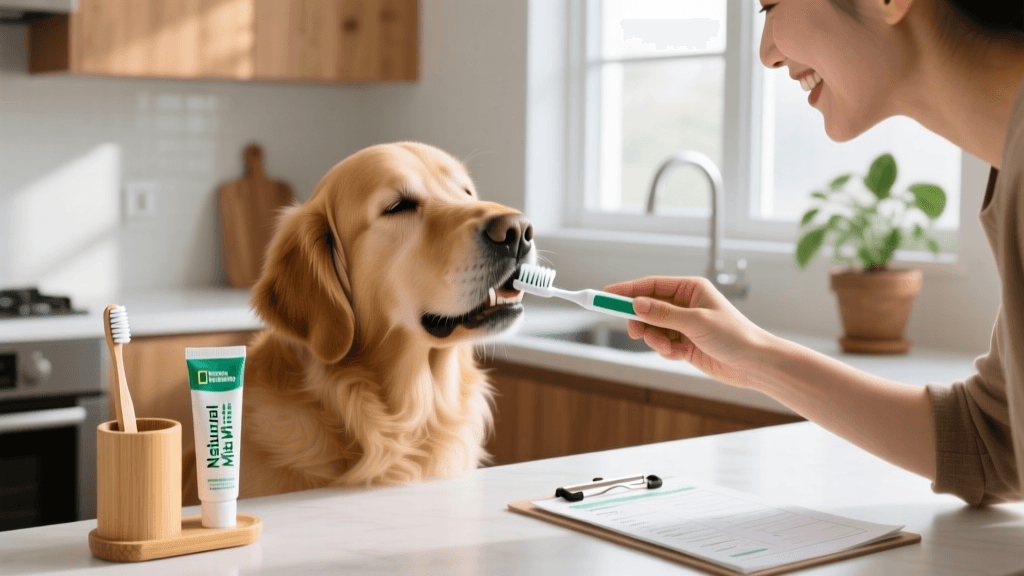
Squeeze a pea-sized amount of enzymatic toothpaste (like Virbac C.E.T. in Poultry flavor) onto your index finger. Allow your dog to lick it off freely. Do not attempt to touch their teeth or gums during this phase. The moment they finish licking, offer verbal praise ('Good boy/girl!') and a secondary reward, such as a small piece of freeze-dried liver or a favorite toy. Repeat this twice a day, ideally before meals when your dog is slightly hungry and more food-motivated.
Phase 2: Muzzle Handling and Lip Lifting (Days 4-7)
Objective: Desensitize your dog to having their mouth and lips touched.
With toothpaste on your finger, let your dog lick it. While they are licking, gently use your other hand to stroke the outside of their muzzle. If they tolerate this, slowly lift their upper lip on one side to expose the canine teeth. The moment you lift the lip, say 'Yes!' and give them a treat from your other hand. If your dog pulls away, you have moved too fast. Go back to simply stroking the muzzle until they are relaxed. Gradually increase the duration of the lip lift from 1 second to 5 seconds over the course of these four days.
Phase 3: Introducing the Brush (Days 8-10)
Objective: Familiarize your dog with the physical sensation of the brush.
Apply the toothpaste to a silicone finger brush or a soft-bristled canine toothbrush. Let your dog lick the paste directly off the bristles. Next, gently lift the lip and press the bristles flat against the outside of the canine teeth (the long fangs) for just one second. Do not scrub. Simply touch the bristles to the tooth, say 'Yes!', and reward. Repeat this on both sides of the mouth. This phase bridges the gap between the taste of the paste and the physical pressure of the brush.
Phase 4: The First Brushing Session (Days 11-14)
Objective: Execute proper brushing technique on the outer surfaces.
Now you are ready to actually brush. Lift the upper lip and place the brush against the outer surfaces of the teeth at a 45-degree angle. Using very gentle pressure, make small circular motions. Focus exclusively on the buccal (outer) surfaces, as this is where plaque accumulates most heavily and where periodontal disease typically begins. The dog's tongue naturally keeps the inner surfaces relatively clean.
Start with just the canine teeth and the large upper premolars (the carnassial teeth in the back). Brush for 5 to 10 seconds per side, then stop, praise, and reward. Over the next few days, gradually increase the brushing time until you can comfortably brush all outer teeth in about 30 to 60 seconds.
Proper Brushing Technique: Angles and Timing
When brushing, always maintain a 45-degree angle between the bristles and the gumline. This allows the bristles to gently sweep into the gingival sulcus (the small pocket between the tooth and the gum) where bacteria hide. Use a gentle, circular motion rather than harsh back-and-forth scrubbing, which can cause gingival recession over time.
Timing is also crucial. The enzymatic action of the toothpaste requires contact time to break down plaque effectively. Aim for a total brushing time of 60 seconds (30 seconds per side) once your dog is fully trained. Always brush at the same time each day to establish a predictable routine; many owners find that brushing immediately after their own evening teeth-brushing routine or right before the dog's final nighttime potty break works best.
Troubleshooting Common Training Hurdles
- My dog bites the brush: If your dog aggressively chews on the bristles, switch to a finger brush temporarily, or apply the toothpaste to a piece of gauze wrapped around your finger. Reward them for keeping their mouth slightly open rather than chomping down.
- My dog hates the flavor: Dogs have individual preferences. If your dog rejects poultry, try beef, malt, or peanut butter flavors. Ensure any peanut butter used is strictly xylitol-free.
- My dog runs away when they see the tube: You have likely progressed too quickly, creating a negative association. Put the brush and paste away for three days. Reset the training protocol back to Phase 1, using a higher-value reward like boiled chicken breast instead of standard kibble.
- My dog has red, bleeding gums: Stop brushing immediately and consult your veterinarian. Brushing inflamed, painful gums will only reinforce fear. Your dog likely requires a professional veterinary dental scaling to remove the tartar causing the inflammation before at-home care can comfortably resume.
Maintaining the Habit and Alternatives
Consistency is the key to preventing periodontal disease. While daily brushing is ideal, brushing at least three to four times a week is generally sufficient to disrupt the plaque biofilm before it calcifies into tartar (which typically takes 24 to 48 hours).
On days when you cannot brush, or if your dog has a physical limitation that prevents brushing, supplement their care with VOHC-approved dental chews (such as Purina Pro Plan Veterinary Dental Chewz) or water additives. However, remember that these alternatives are supplementary; they cannot replace the mechanical friction provided by a toothbrush. By investing 10 minutes a day into this step-by-step training guide, you are actively adding years to your dog's life and saving thousands of dollars in future veterinary dental surgeries.
priya-sutaria
All our authors care for dogs every day — read more of their work on the authors page.