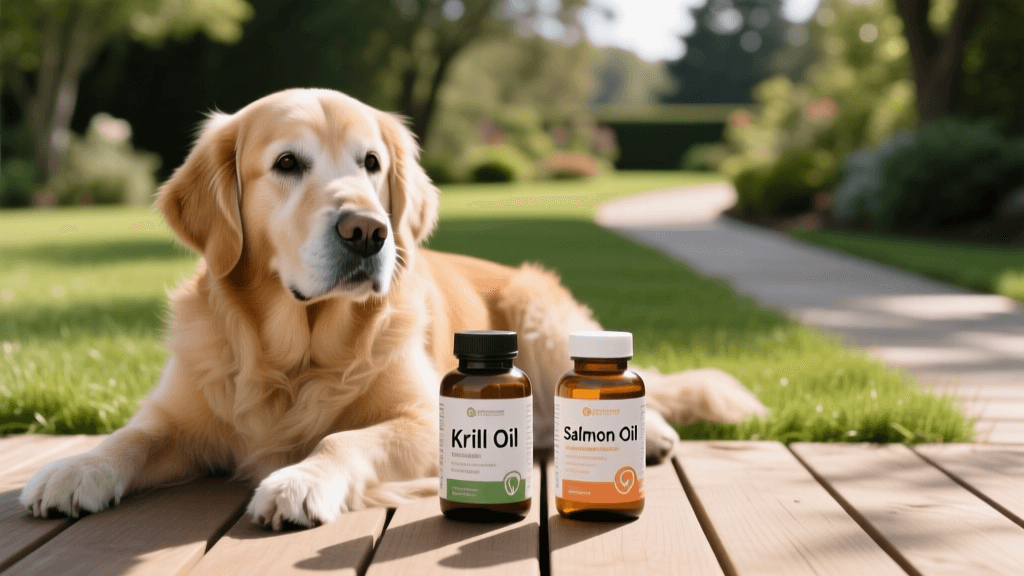
Krill vs Salmon Oil for Senior Dogs in 2026: Best Omega-3 Picks
Discover whether krill or salmon oil is the best Omega-3 for your senior dog's joints and cognition in 2026. Compare absorption, EPA/DHA ratios, and top picks.
The Omega-3 Imperative for Aging Canines in 2026
As our canine companions enter their golden years, maintaining their mobility, cognitive function, and overall vitality becomes a top priority for pet parents. In the 2026 pet supplement market, Omega-3 fatty acids remain the undisputed champions of senior dog care. However, with an overwhelming array of options on the shelves, pet owners are frequently left debating the merits of different sources. The most common battleground? Krill oil versus salmon oil.
While both marine oils provide essential eicosapentaenoic acid (EPA) and docosahexaenoic acid (DHA), their biological structures, absorption rates, and secondary nutritional benefits differ significantly. According to the American Kennel Club (AKC), Omega-3s are essential for reducing systemic inflammation, supporting brain health, and managing the pain associated with canine osteoarthritis. But which source delivers these benefits most effectively to your aging dog? Let us break down the science, the 2026 market trends, and the practical dosing guidelines you need to know.
The Science of EPA and DHA in Senior Dogs
Dogs cannot synthesize Omega-3 fatty acids on their own; they must obtain them through their diet. The two most critical long-chain Omega-3s for canine health are EPA and DHA. EPA is primarily responsible for modulating the inflammatory response, making it a crucial ally in managing joint degradation and skin allergies. DHA, on the other hand, is a structural component of the brain and retina, playing a vital role in staving off Canine Cognitive Dysfunction (CCD), commonly known as doggy dementia.
A landmark study published via the National Center for Biotechnology Information (NCBI) demonstrated that dogs with osteoarthritis fed a diet rich in EPA showed significant improvement in weight-bearing and mobility. However, the efficacy of these fatty acids depends heavily on their bioavailability—how easily your dog's digestive system can break them down and absorb them into the bloodstream.
Krill Oil vs. Salmon Oil: A Deep Dive
Bioavailability: Phospholipids vs. Triglycerides
The most significant difference between krill and salmon oil lies in their molecular structure. The Omega-3s in salmon oil are bound to triglycerides. Because dogs (and humans) digest fats using water-based enzymes, triglycerides require bile salts to be broken down before absorption. Krill oil, however, contains Omega-3s bound to phospholipids. Phospholipids are water-soluble, meaning they mix easily with gastric fluids and are absorbed much more efficiently in the canine gut. For senior dogs with compromised digestion or sensitive stomachs, the phospholipid structure of krill oil often results in less gastrointestinal upset and higher cellular uptake.
The Astaxanthin Advantage
If you have ever opened a bottle of krill oil, you will notice its deep, vibrant red color. This is due to astaxanthin, a naturally occurring carotenoid antioxidant found in the algae that krill consume. Astaxanthin is roughly 6,000 times more powerful than Vitamin C in neutralizing free radicals. In 2026, veterinary nutritionists highly value astaxanthin for senior dogs because it not only protects the oil from oxidizing (going rancid) inside the bottle but also provides systemic antioxidant support to the dog's aging joints and eyes. Salmon oil lacks naturally occurring astaxanthin and often requires added Vitamin E to prevent rancidity.
Purity and Environmental Toxins
With rising concerns over ocean pollution, heavy metal toxicity is a valid worry for pet parents. Salmon, being higher up the food chain, can bioaccumulate mercury, PCBs, and dioxins. While high-quality, wild-caught Alaskan salmon oils are rigorously filtered, the risk is never entirely zero. Antarctic krill are at the very bottom of the marine food chain and have a short lifespan, meaning they do not accumulate environmental toxins to the same degree. Furthermore, the 2026 sustainability standards for Antarctic krill harvesting are strictly regulated to protect marine ecosystems, making it an eco-conscious choice.
The 2026 Disruptor: Microalgae Oil
No comparison of Omega-3s in 2026 is complete without mentioning microalgae oil. As the original source of EPA and DHA for the entire marine food web, algal oil is 100% vegan, free from ocean-borne heavy metals, and highly sustainable. While historically low in EPA, recent 2026 biotechnological advancements have yielded algal strains with robust EPA/DHA profiles that rival fish oil. It is an excellent alternative for dogs with severe seafood protein allergies, though it currently carries a premium price tag compared to salmon oil.
2026 Comparison Chart: Krill, Salmon, and Algal Oils
| Feature | Wild-Caught Salmon Oil | Antarctic Krill Oil | Microalgae Oil |
|---|---|---|---|
| Omega-3 Form | Triglycerides | Phospholipids | Triglycerides |
| Bioavailability | Moderate | High | Moderate |
| Natural Antioxidants | None (Requires added Vit E) | Astaxanthin (High) | Varies by brand |
| Heavy Metal Risk | Low to Moderate (Brand dependent) | Extremely Low | Zero (Grown in controlled tanks) |
| Average 2026 Cost (16oz) | $25 - $40 | $45 - $70 | $50 - $85 |
| Best For | General coat health, budget-conscious | Senior joints, cognitive support, sensitive stomachs | Dogs with fish allergies, eco-conscious owners |
Calculating the Correct EPA and DHA Dosage
A common mistake pet parents make is dosing by the "pump" or "milliliter" rather than looking at the actual EPA and DHA concentrations on the label. The World Small Animal Veterinary Association (WSAVA) emphasizes that therapeutic benefits for conditions like osteoarthritis require specific, weight-based dosing of combined EPA and DHA.
For therapeutic joint and cognitive support in senior dogs, the general veterinary consensus in 2026 recommends between 50 mg to 75 mg of combined EPA/DHA per kilogram of body weight daily. For general maintenance and coat health, 20 mg to 30 mg per kg is sufficient.
Quick Dosage Reference (Therapeutic Joint Support)
- Small Dogs (10 kg / 22 lbs): 500 - 750 mg combined EPA/DHA daily
- Medium Dogs (25 kg / 55 lbs): 1,250 - 1,875 mg combined EPA/DHA daily
- Large Dogs (40 kg / 88 lbs): 2,000 - 3,000 mg combined EPA/DHA daily
- Giant Breeds (60 kg / 132 lbs): 3,000 - 4,500 mg combined EPA/DHA daily
Note: Always check the supplement's nutritional analysis. A 1000mg capsule of salmon oil might only contain 300mg of combined EPA/DHA, meaning you would need multiple capsules to reach a therapeutic dose for a large breed.
Safety, Side Effects, and NSAID Interactions
While Omega-3s are overwhelmingly safe, they are biologically active compounds that can cause side effects if over-administered. The most common issues include diarrhea, vomiting, and a distinctly fishy odor to the breath or skin. These can usually be mitigated by splitting the dose between morning and evening meals and storing the oil in the refrigerator to slow oxidation.
Critical Warning for Senior Dogs on Medication: Omega-3 fatty acids possess mild anticoagulant (blood-thinning) properties. If your senior dog is currently taking Non-Steroidal Anti-Inflammatory Drugs (NSAIDs) like Carprofen or Meloxicam for arthritis, high doses of Omega-3s can compound the risk of gastrointestinal bleeding or interfere with normal blood clotting. Always consult your primary veterinarian before introducing high-dose EPA/DHA supplementation to a dog already on prescription anti-inflammatories or preparing for surgery.
Final Verdict: Which Should You Choose?
When navigating the 2026 supplement aisle, the choice between krill and salmon oil ultimately depends on your dog's specific health profile and your budget. Wild-caught salmon oil remains an excellent, cost-effective choice for younger adult dogs needing general skin, coat, and immune support. However, for the senior dog battling osteoarthritis, cognitive decline, or digestive sensitivities, Antarctic krill oil is the superior investment. Its phospholipid structure ensures maximum absorption in aging guts, while the natural astaxanthin provides a dual-action defense against joint inflammation and cellular aging.
By prioritizing high-quality, sustainably sourced oils and dosing strictly by EPA/DHA content rather than volume, you can significantly enhance your senior dog's quality of life, keeping them comfortable, sharp, and active well into their twilight years.
jonas-cole
All our authors care for dogs every day — read more of their work on the authors page.