The Science of Omega-3 Fatty Acids for Dog Joint Health
Discover how Omega-3 fatty acids (EPA and DHA) support canine joint health. Learn exact dosages, top supplement types, and cost-effective feeding tips.
The Biological Mechanism: How Omega-3s Combat Canine Inflammation
Canine osteoarthritis and chronic joint inflammation are among the most prevalent issues affecting aging dogs, as well as large and giant breeds. While non-steroidal anti-inflammatory drugs (NSAIDs) are a cornerstone of veterinary pain management, they can carry long-term risks for the liver and kidneys. This is where Omega-3 fatty acids step in as a powerful, science-backed adjunctive therapy. Unlike Omega-6 fatty acids, which are abundant in most commercial kibble and promote pro-inflammatory pathways, Omega-3s actively compete for the same enzymes in the body, effectively down-regulating the inflammatory response.
When a dog consumes Omega-3s, specifically Eicosapentaenoic Acid (EPA) and Docosahexaenoic Acid (DHA), these fatty acids are incorporated into the cell membranes of joint tissues. When the joint is stressed or damaged, the EPA and DHA are released and metabolized by cyclooxygenase (COX) and lipoxygenase (LOX) enzymes. Instead of producing highly inflammatory prostaglandins and leukotrienes (as Omega-6 arachidonic acid does), EPA and DHA produce resolvins and protectins. These specialized molecules actively resolve inflammation and protect cartilage from enzymatic degradation, preserving joint mobility and reducing pain over time.
EPA vs. DHA: Targeting Joint Pain and Cognitive Decline
Not all Omega-3s are created equal, and understanding the distinction between EPA and DHA is crucial for targeting specific health outcomes. EPA is the primary driver for joint health and systemic inflammation reduction. It is the most abundant Omega-3 found in the synovial fluid of healthy joints and is heavily researched for its ability to reduce the stiffness and lameness associated with canine osteoarthritis.
DHA, on the other hand, is highly concentrated in the brain and retina. While it offers mild anti-inflammatory benefits, its primary role in senior dogs is supporting cognitive function and staving off Canine Cognitive Dysfunction (CCD). According to the American Kennel Club (AKC), a balanced supplement containing both is ideal, but if your primary goal is strictly joint support, you should look for a product where the EPA concentration is significantly higher than the DHA concentration.
Calculating the Therapeutic Dosage for Your Dog
One of the most common mistakes pet owners make is under-dosing Omega-3s. The amount required to maintain a healthy coat is vastly different from the therapeutic dose required to alter joint inflammation. Veterinary nutritionists generally recommend a therapeutic dose of 50 to 75 milligrams of combined EPA and DHA per kilogram of your dog's body weight for joint support.
Step-by-Step Dosage Calculation
- Step 1: Determine your dog's weight in kilograms. (Divide pounds by 2.2). For example, a 66 lb Labrador weighs exactly 30 kg.
- Step 2: Multiply the weight in kg by 50 mg (for mild support) or 75 mg (for severe arthritis). For our 30 kg Lab, the target is 1,500 mg to 2,250 mg of combined EPA/DHA daily.
- Step 3: Read the supplement label carefully. A bottle might claim '1,000 mg of Fish Oil' per pump, but the actual EPA/DHA yield might only be 300 mg. You must calculate based on the active EPA/DHA numbers, not the total oil volume.
Always introduce high doses gradually over two weeks to avoid gastrointestinal upset, such as diarrhea or steatorrhea (fatty stools).
Supplement Showdown: Fish, Krill, and Green-Lipped Mussel
Choosing the right source of Omega-3s impacts bioavailability, cost, and environmental sustainability. Below is a comparison of the most popular canine Omega-3 sources.
| Supplement Type | EPA/DHA Profile | Bioavailability | Avg. Monthly Cost (30lb Dog) | Pros and Cons |
|---|---|---|---|---|
| Wild Salmon/Anchovy Oil | High EPA, Moderate DHA | Moderate (Triglyceride form) | $15 - $25 | Pros: Cost-effective, widely available. Cons: Prone to oxidation if not stored properly. |
| Krill Oil | Moderate EPA/DHA | High (Phospholipid form) | $30 - $45 | Pros: Superior cellular absorption, contains astaxanthin (antioxidant). Cons: Expensive, lower total Omega-3 per pump. |
| Green-Lipped Mussel (GLM) | Unique ETA, EPA, DHA | High (Whole food matrix) | $20 - $35 | Pros: Contains ETA (blocks LOX pathway), natural glucosamine. Cons: Shellfish allergy risk, distinct odor. |
| Algae Oil | High DHA, Low EPA | Moderate | $25 - $40 | Pros: Vegan, zero heavy metal risk. Cons: Poor EPA profile for joint-specific targeting. |
Dietary Sources vs. Concentrated Supplements
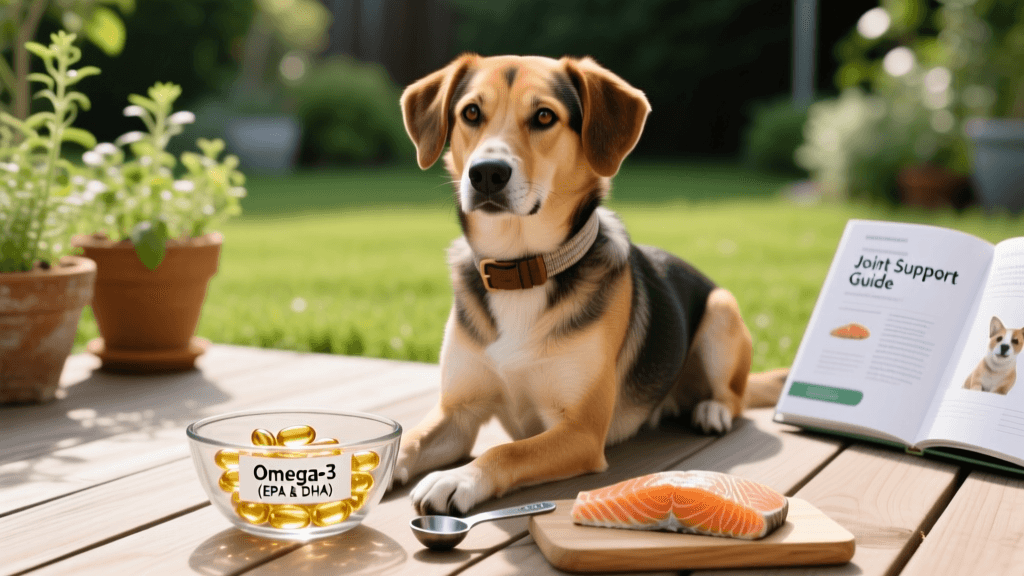
Many owners wonder if they can simply feed their dogs more fish to achieve these therapeutic joint benefits. While feeding whole sardines, mackerel, or salmon provides excellent nutritional value, it is incredibly difficult to hit the 1,500+ mg therapeutic EPA/DHA threshold without overfeeding your dog. Furthermore, fatty fish are calorie-dense. Adding whole fish to your dog's daily diet without reducing their kibble intake will rapidly lead to obesity, which exacerbates joint stress and completely defeats the purpose of the Omega-3 therapy.
As noted by experts at the Tufts University Cummings Veterinary Medical Center, concentrated liquid or capsule supplements are the most reliable way to deliver clinical doses of Omega-3s without disrupting your dog's caloric balance. If you do feed whole fish, limit it to an occasional treat and opt for small, short-lived species like sardines to minimize heavy metal accumulation.
Crucial Storage Protocols: Preventing Lipid Oxidation
The greatest enemy of Omega-3 fatty acids is oxidation. When fish oil is exposed to light, heat, or oxygen, the delicate polyunsaturated bonds break down, turning the oil rancid. Rancid oil is not only ineffective for joint health, but it actually introduces free radicals into your dog's body, promoting cellular damage and systemic inflammation.
To protect your investment and your dog's health, follow these strict storage rules:
- Buy Dark Bottles: Never purchase fish oil in clear plastic or glass bottles. UV light degrades the oil rapidly.
- Refrigerate After Opening: Liquid fish oil must be kept in the refrigerator at all times to slow the oxidation process.
- Use Pump Dispensers: Pumps limit the oil's exposure to ambient air compared to screw-top caps.
- The Sniff Test: Fresh fish oil should smell mildly of the ocean or be virtually odorless. If it smells sharply fishy, sour, or like oil paint, it has oxidized and must be thrown away immediately.
Safety, Side Effects, and Veterinary Precautions
While Omega-3s are remarkably safe, mega-dosing can have side effects. The most common issue is gastrointestinal distress, including loose stools or vomiting. This can usually be mitigated by splitting the daily dose between morning and evening meals, and by administering the oil alongside a solid meal rather than on an empty stomach.
Additionally, because Omega-3s have a mild blood-thinning effect, PetMD advises that you discontinue high-dose fish oil supplementation at least one week prior to any scheduled surgical procedures or dental cleanings. Always consult your primary veterinarian before introducing therapeutic doses of Omega-3s, especially if your dog is already taking prescription NSAIDs like Carprofen or Meloxicam, to ensure a safe and synergistic pain management protocol.
aaron-whyte
All our authors care for dogs every day — read more of their work on the authors page.