Xoloitzcuintli Puppy Care Guide 2026: Skin, Diet & Socialization
Discover essential 2026 care tips for Xoloitzcuintli puppies. Learn about hairless skincare, temperature regulation, and diet for this exotic breed.
The Ancient Xoloitzcuintli: A 2026 Puppy Care Perspective
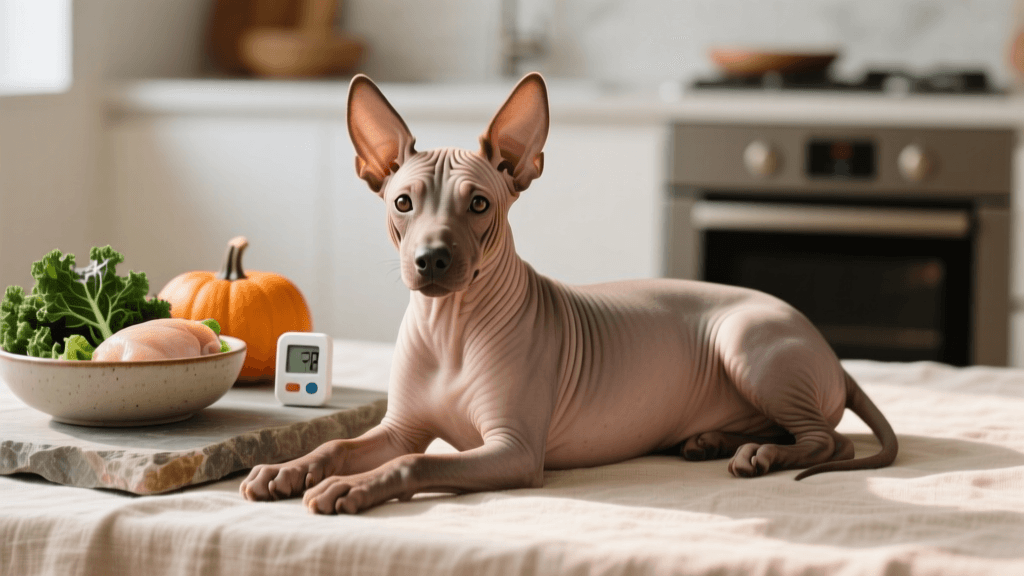
Raising a Xoloitzcuintli (pronounced show-low-eats-QUEEN-tlee), or Xolo, is a deeply rewarding experience that connects you to one of the oldest and rarest dog breeds in the world. As we navigate the advanced veterinary and nutritional science of 2026, caring for this exotic Mexican breed requires a highly specialized approach. Whether you have adopted a hairless or coated variety, the first twelve months of a Xolo's life are critical for establishing a foundation of lifelong health.
Unlike more common breeds, the Xolo possesses unique physiological traits dictated by ancient genetics. From their distinctive skincare requirements to their specific dental anomalies and temperature sensitivities, standard puppy care manuals simply do not apply. This comprehensive guide will walk you through the exact protocols, modern 2026 product recommendations, and developmental milestones necessary to raise a thriving Xoloitzcuintli puppy.
Understanding the FOXI3 Gene: Hairless vs. Coated
Before diving into daily care, it is vital to understand the genetics of your puppy. The hairless trait in Xolos is caused by a dominant mutation in the FOXI3 gene. This gene is responsible for ectodermal development, which affects not only hair follicles but also teeth and skin glands. Consequently, hairless Xolo puppies require a vastly different care regimen compared to the coated (and genetically recessive) variety. According to the American Kennel Club's breed profile, the hairless variety is the hallmark of the breed, but both varieties can be born in the same litter.
Because hairless puppies lack the protective barrier of a fur coat, their skin is directly exposed to environmental pathogens, UV radiation, and temperature fluctuations. This makes the first year of life a delicate balancing act of moisture retention, sun protection, and thermal regulation.
The 2026 Hairless Xolo Skincare Protocol
Skincare for a hairless Xolo puppy is not a luxury; it is a medical necessity. Puppies are particularly prone to canine acne, clogged pores, and severe dry skin. In 2026, veterinary dermatologists emphasize a 'less is more' approach to bathing, focusing instead on barrier repair and gentle cleansing.
Bathing and Cleansing
Over-bathing strips the natural oils from a Xolo's skin, leading to rebound seborrhea and severe irritation. Limit full baths to once every three to four weeks using a pH-balanced, soap-free canine shampoo formulated with ceramides and colloidal oatmeal. Between baths, use a gentle wipe-down routine.
- Daily Wiping: Use unscented, chlorhexidine-based or hypoallergenic aloe wipes to remove environmental pollutants and excess sebum after outdoor play.
- Exfoliation: Once a week, gently massage the skin with a soft silicone grooming mitt to prevent blackheads and ingrown hairs, particularly along the spine and tail base.
- Moisturizing: Apply a veterinary-approved, non-comedogenic canine moisturizer immediately after bathing. Look for 2026 formulations containing hyaluronic acid and squalane, which hydrate without clogging pores.
Sun Protection and UV Safety
Hairless Xolo puppies have virtually no melanin protection on their bellies, noses, and ears, making them highly susceptible to solar dermatitis and long-term skin cancers. The American Kennel Club strongly recommends using dog-specific sunscreen on hairless breeds whenever they are exposed to direct sunlight.
When selecting a sunscreen, you must avoid human products. Human sunscreens often contain zinc oxide or para-aminobenzoic acid (PABA), both of which are highly toxic to dogs if ingested during grooming. Opt for a vegan, dog-specific SPF 30+ spray that utilizes titanium dioxide-free, non-nano chemical blockers safe for canine ingestion. Apply the sunscreen 20 minutes before going outside, and reapply every two hours during peak UV index times.
Temperature Regulation: Managing the Elements
Without a fur coat, a Xolo puppy cannot efficiently regulate its body temperature. They lose heat rapidly in cold environments and can easily overheat or suffer sunburn in hot climates. The U.S. Food and Drug Administration (FDA) consistently warns pet owners about the dangers of heat exposure, a risk that is exponentially higher for hairless breeds.
Winter and Cold Weather Care
When ambient temperatures drop below 68°F (20°C), your Xolo puppy will need external insulation. Invest in a wardrobe of well-fitting, breathable cotton or fleece sweaters for indoor use, and insulated, water-resistant coats for outdoor winter walks. Pay special attention to the puppy's extremities; consider canine booties if walking on snow or ice-melted sidewalks, as their paw pads can quickly become chilled and cracked.
Summer and Heat Management
While they lack fur, Xolos are still prone to heatstroke. Never leave your puppy in direct midday sun. Utilize smart climate-controlled cooling mats, which have become highly efficient and affordable in 2026, to provide a safe resting area indoors. Ensure your puppy always has access to fresh, circulating water, and limit vigorous exercise to the early morning or late evening hours.
Nutrition and Joint Health for the Growing Xolo
Xoloitzcuintlis are an athletic, moderately built breed. They are not meant to be bulky or overweight, as excess weight places severe stress on their long, elegant limbs and joints. Proper nutrition during the first year is critical to ensure a steady, controlled growth rate.
Feeding Schedule and Macros
For the first three months, feed your Xolo puppy four small meals a day of a high-quality, AAFCO-approved puppy formula. Transition to three meals a day at four months, and two meals a day by six months. Look for diets where a named animal protein (like deboned chicken or salmon) is the first ingredient, and ensure the food contains adequate DHA for cognitive and retinal development.
Avoid high-calorie 'all-life-stages' foods that are designed for rapid growth in giant breeds. A Xolo should maintain a lean body condition score (BCS) of 4 or 5 out of 9. You should be able to easily feel their ribs without pressing hard, and they should have a distinct abdominal tuck.
Supplements
While a balanced diet provides most necessities, many 2026 veterinary nutritionists recommend introducing a joint supplement containing glucosamine, chondroitin, and green-lipped mussel extract around the six-month mark. This proactive approach supports cartilage health and helps prevent early-onset joint issues, ensuring your Xolo maintains its signature graceful, trotting gait well into its senior years.
Dental Anomalies and Teething Care
One of the most fascinating aspects of the hairless Xolo is its dental structure. The same FOXI3 gene mutation that inhibits hair growth also affects tooth development. It is entirely normal, and in fact expected, for a hairless Xolo puppy to be missing several premolars or even some incisors. This is not a defect; it is a breed characteristic.
During the teething phase (typically between 3 and 6 months of age), your puppy's gums will be sore. Because their adult dentition may be incomplete, maintaining the health of the teeth they do have is paramount.
- Chew Toys: Provide soft, textured rubber chew toys that massage the gums without risking tooth fractures. Avoid hard nylon bones, antlers, or ice cubes, which can easily crack a puppy's delicate teeth.
- Dental Hygiene: Begin brushing your puppy's teeth daily using a canine-specific enzymatic toothpaste. Human toothpaste contains fluoride and xylitol, both of which are fatal to dogs.
- Veterinary Monitoring: Have your veterinarian monitor the puppy's bite and tooth eruption during routine wellness exams to ensure that retained deciduous (baby) teeth are extracted if they fail to fall out naturally.
Early Socialization and Behavioral Training
Xoloitzcuintlis are renowned for their deep loyalty and affection toward their families, but they are naturally aloof and highly suspicious of strangers. This primitive breed possesses a strong guarding instinct, making early, positive socialization non-negotiable.
Between the ages of 8 and 16 weeks, your puppy's brain is highly plastic. Expose them to a wide variety of people, environments, surfaces, and sounds. Because they are sensitive dogs, training must be rooted in positive reinforcement. Harsh corrections or dominance-based training methods will cause a Xolo to shut down and become fearful.
Enroll in a puppy kindergarten class that utilizes force-free, reward-based methodologies. Teach your puppy that strangers are a source of high-value treats, which will help mitigate their natural wariness and prevent reactive behaviors as they mature.
Xolo Puppy Growth and Care Milestone Chart (Months 1-12)
Tracking your puppy's development ensures they are hitting the right physical and behavioral markers. Use the following 2026 milestone chart as a baseline for your Xolo's first year.
| Age (Months) | Physical Milestones | Care & Training Focus |
|---|---|---|
| 1 - 2 | Rapid early growth; eyes and ears fully open; weaning onto solid food. | Initial deworming; first DHPP vaccine; gentle handling to build trust. |
| 3 - 4 | Adult teeth begin to erupt; ears may stand fully erect; growth rate slows slightly. | Start daily tooth brushing; introduce lightweight harness; begin basic cue training (sit, touch). |
| 5 - 6 | Teething completes; skin may experience puppy acne flare-ups; approaching adult height. | Spay/neuter consultation; introduce joint supplements; increase socialization with diverse environments. |
| 7 - 9 | Filling out in chest and muscle; skin barrier matures; adult coat (if coated) sets in. | Transition to two meals a day; advanced obedience classes; practice recall in enclosed areas. |
| 10 - 12 | Nears full adult weight; skeletal growth plates begin to close; mental maturity increases. | Finalize puppy vaccination series; establish adult skincare routine; introduce structured canine sports or agility foundations. |
Conclusion: A Lifelong Bond
Raising a Xoloitzcuintli puppy in 2026 is a unique journey that blends ancient canine heritage with modern veterinary science. By committing to a rigorous skincare routine, managing their environmental exposure, and respecting their primitive psychological needs, you will forge an unbreakable bond with your dog. The Xolo is not a breed for the casual owner, but for the dedicated guardian, they offer a level of devotion, intelligence, and quiet companionship that is truly unmatched in the canine world.
robin-maitland
All our authors care for dogs every day — read more of their work on the authors page.