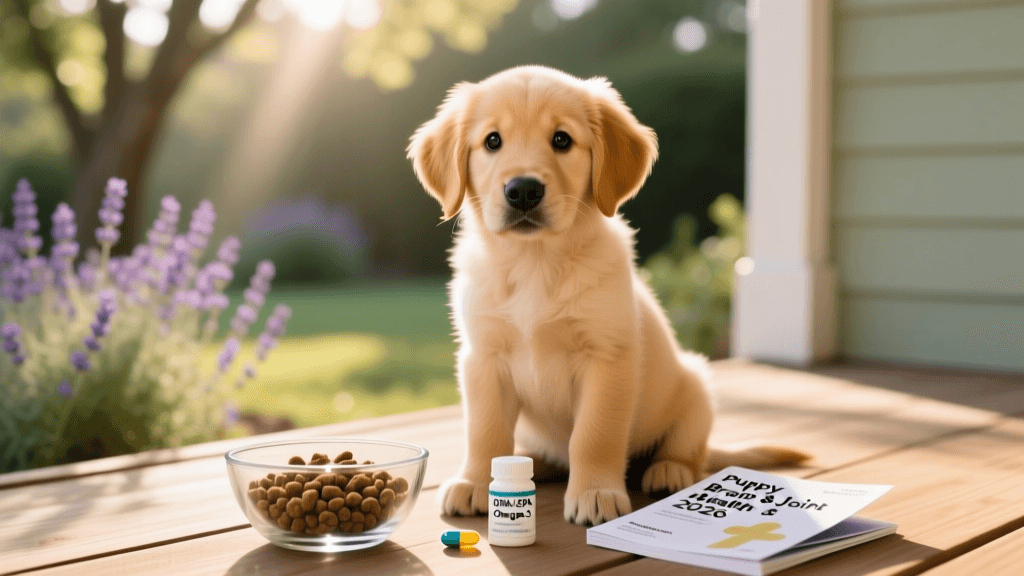
Best Omega-3 Puppy Supplements 2026: Brain & Joint Guide
Discover the best Omega-3 supplements for puppy brain and joint development in 2026. Learn DHA/EPA dosing, top brands, and feeding tips for your growing pup.
The Critical Role of Omega-3 in the First Year
The first year of a puppy's life is a period of explosive growth, rapid cognitive development, and crucial physical milestones. From navigating the early weeks of potty training to the chaotic teething phase and the vital socialization window, your puppy's body and brain are working in overdrive. To support this intense developmental phase, proper nutrition is paramount. In 2026, veterinary nutritionists continue to highlight one specific nutrient group as a cornerstone for early canine development: Omega-3 fatty acids. Specifically tailored for growing dogs, Omega-3 supplementation can dramatically enhance neural pathways, retinal health, and joint integrity during those critical early months.
When we discuss Omega-3 for dogs, we are primarily referring to two long-chain polyunsaturated fatty acids: Docosahexaenoic acid (DHA) and Eicosapentaenoic acid (EPA). While adult or senior dogs often require higher levels of EPA to manage age-related joint inflammation, puppies have a vastly different physiological requirement. During the first twelve months, a puppy's brain and central nervous system are undergoing rapid myelination. DHA is the primary structural fatty acid found in the brain and retina, making it an absolute necessity for puppies who are learning to process new sights, sounds, and complex commands during their early socialization window.
DHA vs. EPA: Understanding the Ratios for Puppies
A common mistake new owners make is purchasing a generic adult dog fish oil supplement and administering it to their growing puppy. Adult formulas often prioritize EPA for arthritis and joint pain management. However, a puppy's diet should feature a higher ratio of DHA to EPA. Research in canine cognitive development shows that puppies supplemented with adequate DHA levels demonstrate improved trainability, better problem-solving skills, and enhanced visual acuity. This is particularly noticeable during the crucial 8 to 16-week socialization period, where a DHA-rich diet can help your puppy retain potty training routines and basic obedience cues much faster.
EPA still plays a vital role in the first year, albeit a secondary one. As your puppy grows, particularly if you have a large or giant breed like a Great Dane or Golden Retriever, their joints experience immense stress. EPA helps modulate the inflammatory response in growing cartilage and bone, ensuring that rapid growth spurts do not lead to excessive joint discomfort or developmental orthopedic diseases.
Top Omega-3 Supplements for Puppies in 2026
The pet supplement market has evolved significantly, with stricter purity testing and more bioavailable forms of fish oil available today. When selecting an Omega-3 for dogs, always look for products in the triglyceride form, which is absorbed much more efficiently by a puppy's developing digestive tract than the synthetic ethyl ester form. Here are the top veterinarian-recommended options for 2026:
1. Nordic Naturals Omega-3 Pet
Nordic Naturals remains a gold standard in 2026 for both human and pet supplements. Their Omega-3 Pet line is derived from wild anchovies and sardines, which are lower on the food chain and naturally accumulate fewer heavy metals. The liquid format allows for precise dosing based on your puppy's rapidly changing weight. It is rich in DHA, making it an exceptional choice for cognitive support during early obedience training and socialization milestones.
2. Zesty Paws Omega-3 Alaskan Fish Oil Treats
For puppies who are stubborn eaters or easily spooked by liquid pumps, Zesty Paws offers a highly palatable chewable alternative. These soft chews combine Alaskan fish oil with biotin and vitamin E. While the DHA/EPA concentration per chew is lower than liquid pumps, they are excellent for small to medium breeds and serve as a fantastic high-value reward during potty training sessions, simultaneously nourishing their brain and reinforcing good behavior.
3. Grizzly Salmon Plus All-Health Dog Supplement
Grizzly's wild-caught Alaskan salmon oil is a favorite among large-breed puppy owners. The convenient pump dispenser makes it easy to add to kibble or raw diets. It contains a broader spectrum of Omega fatty acids (including Omega-3, 6, and 9), which provides comprehensive support for your puppy's developing skin barrier and coat health, especially as they transition through their awkward 'puppy uglies' shedding phase.
Puppy Omega-3 Dosing Chart by Weight
Dosing Omega-3 for dogs is not a one-size-fits-all scenario. Puppies grow at an astonishing rate, meaning their dosage requirements will change almost weekly during their first six months. It is crucial to weigh your puppy regularly and adjust their DHA/EPA intake accordingly. Below is a general guideline for combined DHA and EPA daily dosing for growing puppies:
| Puppy Weight (lbs) | Combined DHA/EPA (mg/day) | Primary Benefit Focus |
|---|---|---|
| 5 - 15 lbs | 150 - 250 mg | Brain development, retinal health |
| 16 - 30 lbs | 250 - 400 mg | Cognitive retention, early joint support |
| 31 - 50 lbs | 400 - 600 mg | Joint lubrication, skin/coat barrier |
| 51 - 75 lbs | 600 - 900 mg | Large breed joint stress, inflammation |
| 76+ lbs | 900 - 1200 mg | Giant breed skeletal support |
Note: Always consult with your primary veterinarian before starting a new supplement regimen, especially if your puppy is already consuming a premium commercial puppy food that may be fortified with baseline levels of DHA.
Integrating Omega-3 into Your Puppy's Feeding Schedule
Introducing any new supplement to a puppy's sensitive digestive system requires a gradual approach. Puppies are notorious for experiencing gastrointestinal upset, which can severely derail your potty training progress. To avoid loose stools, start with one-quarter of the recommended dose for the first three days. If your puppy's stool remains firm, gradually increase to half the dose, and finally to the full recommended amount over the course of two weeks.
Storage is another critical factor often overlooked by pet owners. Omega-3 fatty acids are highly susceptible to oxidation. Once a bottle of liquid fish oil is opened, it must be stored in the refrigerator and used within 90 days. If the oil develops a sharp, rancid odor rather than a mild, fishy scent, it has oxidized and should be discarded immediately, as rancid oils can cause cellular damage rather than provide health benefits.
Monitoring Your Puppy's Developmental Milestones
How do you know if the Omega-3 supplementation is working? While brain development is largely internal, there are several external milestones and physical markers you can observe during your puppy's first year. Firstly, coat quality is a rapid indicator of Omega-3 efficacy. Within four to six weeks of consistent supplementation, you should notice a softer, shinier coat and a significant reduction in dry, flaky skin, which is common during the transition to adult kibble.
Secondly, observe your puppy's joint mobility, especially after vigorous play sessions or naps. Puppies receiving adequate EPA will exhibit fluid, pain-free movement and a willingness to engage in active play without signs of stiffness. Finally, monitor their cognitive responsiveness. Puppies with optimal DHA levels often show improved focus during training sessions, faster recall of commands, and a calmer demeanor when exposed to novel stimuli during socialization outings.
Expert Guidelines and Safety Considerations
While Omega-3 is overwhelmingly beneficial, more is not always better. Excessive doses can lead to impaired blood clotting, vitamin E deficiencies, and altered immune function. The World Small Animal Veterinary Association (WSAVA) emphasizes that all nutritional supplements should be evaluated in the context of the puppy's complete daily caloric and nutrient intake to prevent toxicities or imbalances.
Furthermore, it is vital to source fish oils from reputable manufacturers that provide third-party Certificates of Analysis (COA) proving the absence of mercury, PCBs, and dioxins. According to veterinary nutritionists at the Tufts Cummings School of Veterinary Medicine, selecting products that adhere to strict quality control standards ensures that your puppy receives the therapeutic benefits of Omega-3 without the risk of environmental contaminants. For additional insights on safe fat supplementation, the American Kennel Club (AKC) offers comprehensive guides on integrating fish oils into various canine life stages safely.
By prioritizing high-quality DHA and EPA sources, carefully monitoring your dosing, and integrating these essential fats into your puppy's daily routine, you are laying the biochemical groundwork for a lifetime of cognitive sharpness, joint resilience, and vibrant health.
priya-sutaria
All our authors care for dogs every day — read more of their work on the authors page.