Xoloitzcuintli Puppy Care 2026: Skin, Diet & Training
Discover essential 2026 care tips for Xoloitzcuintli puppies. Learn about hairless skincare, teething, temperature control, and socialization.
The Xoloitzcuintli: An Ancient Breed in 2026
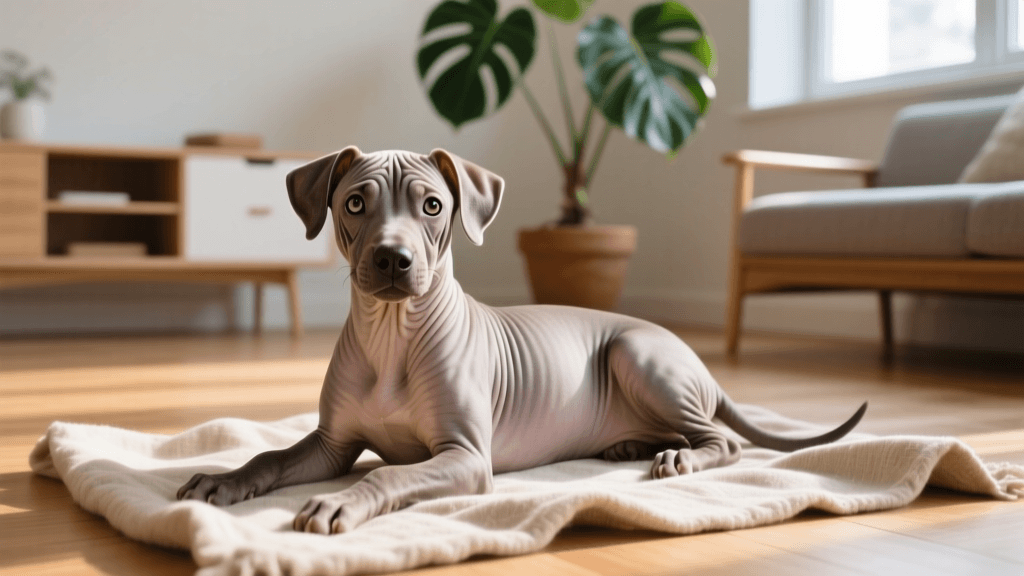
The Xoloitzcuintli (pronounced show-low-eats-QUEENT-lee), often simply called the Xolo, is a national treasure of Mexico and one of the oldest dog breeds in the Americas. As we navigate puppy care in 2026, the Xolo continues to surge in popularity among urban dwellers, minimalist households, and allergy-conscious families. However, raising a Xolo puppy is vastly different from raising a Golden Retriever or a French Bulldog. Their hairless variety requires meticulous dermatological attention, and their primitive, watchful temperament demands a structured, patient approach to early socialization.
Whether you have brought home a Toy, Miniature, or Standard Xolo, understanding their unique biological and behavioral traits is critical. This comprehensive guide covers everything you need to know about raising a healthy, well-adjusted Xoloitzcuintli puppy in the modern era.
Specialized Skincare for Hairless Puppies
The most striking feature of the hairless Xolo is, of course, its lack of a fur coat. This means their skin is directly exposed to the environment, making it highly susceptible to UV damage, dryness, environmental allergens, and bacterial infections. Establishing a proactive skincare routine from week eight is non-negotiable for responsible Xolo owners.
Sun Protection and UV Defense
Just like humans, hairless dogs can suffer from severe sunburns, which can lead to skin cancer later in life. Whenever your Xolo puppy is outdoors for more than 15 minutes during peak sunlight hours, apply a dog-specific sunscreen. In 2026, veterinary dermatologists strongly advise against using human sunscreens, as many contain zinc oxide or para-aminobenzoic acid (PABA), which are highly toxic to dogs if ingested during grooming. Look for pet-safe, non-nano zinc-free lotions or wearable UV-blocking dog shirts.
Bathing and Acne Management
Xolos do not need frequent bathing; over-bathing strips their skin of natural oils and causes rebound oiliness. Bathe your puppy every two to three weeks using a hypoallergenic, soap-free, oatmeal-based canine shampoo. Between baths, use pet-safe chlorhexidine wipes to gently clean their skin.
Puppy acne is incredibly common in hairless breeds. You may notice blackheads or small red bumps on their muzzle and back. According to VCA Animal Hospitals, canine acne is often caused by bacterial infection of the hair follicles or skin trauma. If you notice persistent acne, consult your vet for a topical benzoyl peroxide flush or an antibacterial ointment. Never pop or squeeze puppy acne, as this can cause painful scarring and deeper infections.
Veterinary Preventatives for Hairless Breeds
Flea and tick prevention requires a specific strategy for hairless dogs. Many traditional topical spot-on treatments rely on the skin's natural oils to spread the medication across the body. Because hairless Xolos have different skin oil profiles and are frequently bathed, topical treatments may be less effective or cause severe contact dermatitis.
In 2026, the gold standard for hairless breeds is oral preventative medication. Chewable tablets like NexGard, Bravecto, or Simparica Trio bypass the skin entirely, providing robust protection against fleas, ticks, and heartworm without the risk of chemical burns or oily residue on your puppy's sensitive skin.
Temperature Regulation: Keeping Your Xolo Comfortable
Without an insulating coat, Xolos burn significantly more calories just to maintain their core body temperature in cold weather, and they overheat rapidly in the summer. Your home environment must be carefully managed.
- Winter Care: Invest in high-quality, fleece-lined dog sweaters or coats. Brands like Hurtta and Kurgo offer excellent coverage that protects the chest and back. When taking your puppy outside in temperatures below 60°F (15°C), a sweater is mandatory.
- Summer Care: Provide cooling mats and ensure constant access to shade and fresh water. Avoid walking your puppy on hot asphalt, as their exposed paw pads and belly can easily suffer thermal burns.
- Smart Home Integration: Many modern Xolo owners in 2026 utilize smart thermostats to ensure their home never drops below 68°F (20°C) when they are away, preventing the puppy from becoming hypothermic.
Teething and Unique Dental Anomalies
The genetic mutation (the FOXI3 gene) that causes the Xolo's hairlessness is intrinsically linked to dental anomalies. It is entirely normal and expected for a hairless Xolo to be missing several premolars. In fact, a lack of certain teeth is a hallmark of the breed standard.
Despite missing teeth, Xolo puppies still go through a rigorous and often uncomfortable teething phase between 12 and 24 weeks of age. As noted in the AKC Puppy Teething Guide, providing appropriate outlets for chewing is vital to save your furniture and soothe their gums. Provide frozen rubber toys, such as the classic KONG Puppy filled with low-sodium chicken broth, or chilled carrot sticks. Avoid hard nylon bones or antlers during the puppy phase, as their developing jaws and potentially compromised dental structure are prone to fracturing.
Potty Training and Weather Aversion
Xolos are famously fastidious and clean dogs. They often seem to potty train themselves because they naturally despise soiling their living quarters. However, their extreme aversion to cold, wet, or windy weather can complicate outdoor potty training.
If it is raining or freezing, a Xolo puppy may flat-out refuse to go outside. To combat this, establish a highly consistent schedule and use a covered outdoor area if possible. For extreme weather days, training your Xolo to use an indoor real-grass patch or a specific indoor litter area is a highly practical solution that prevents behavioral holding and subsequent urinary tract infections.
Nutrition and Feeding Schedules
Because hairless Xolos burn extra calories to stay warm, they require a nutrient-dense diet. However, they are also prone to weight gain if overfed, which can put unnecessary stress on their joints, particularly in the Miniature and Standard varieties. In 2026, many breeders and veterinarians recommend gently cooked fresh food diets or high-protein, grain-inclusive kibble to support lean muscle mass and skin health.
Below is a general feeding guideline for a Standard Xoloitzcuintli puppy. Always adjust based on your specific dog's body condition score and your veterinarian's recommendations.
| Puppy Age | Meals Per Day | Portion Guide (Standard Size) | Key Nutritional Focus |
|---|---|---|---|
| 8 - 12 Weeks | 4 | 1/2 to 3/4 cup per meal | High caloric density for weaning and thermoregulation |
| 3 - 6 Months | 3 | 3/4 to 1 cup per meal | Omega-3 fatty acids for skin barrier support and teething |
| 6 - 12 Months | 2 | 1 to 1.5 cups per meal | Controlled calcium/phosphorus ratio for joint development |
Early Socialization and Primitive Instincts
The Xolo is a primitive breed. They are not naturally eager-to-please retrievers; they are independent, alert, and deeply bonded to their primary family. According to the American Kennel Club, Xolos are naturally aloof with strangers and possess a high prey drive.
Socialization must begin the moment your puppy has completed their initial vaccination series. Expose them to a wide variety of people, hats, umbrellas, strange noises, and other animals. Use high-value treats (like freeze-dried liver) to create positive associations with strangers. Because of their strong prey drive, recall training should be practiced religiously in fenced areas before ever attempting off-leash walks in open environments.
Enroll your Xolo puppy in a positive-reinforcement-based puppy kindergarten class. Harsh corrections or dominance-based training methods will completely break a Xolo's trust and result in a fearful, reactive adult dog. Patience, consistency, and reward-based training are the keys to unlocking the profound loyalty and intelligence of this magnificent ancient breed.
Conclusion
Raising a Xoloitzcuintli puppy in 2026 is a deeply rewarding experience that requires a commitment to specialized skincare, environmental management, and respectful, positive training. By understanding their unique biological needs and honoring their primitive heritage, you will forge an unbreakable bond with a dog that is truly unlike any other breed in the world.
robin-maitland
All our authors care for dogs every day — read more of their work on the authors page.