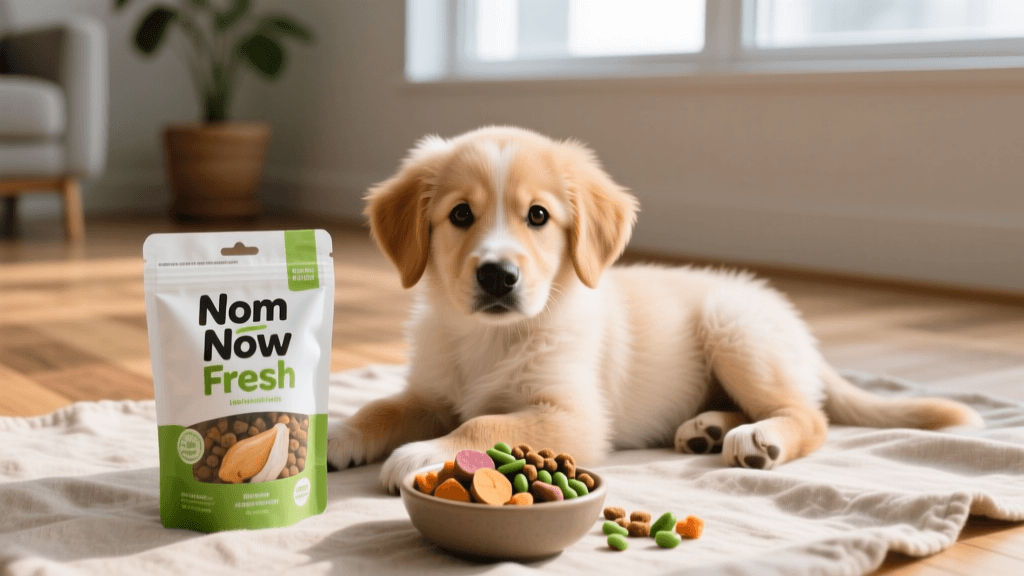
Fresh Diet Transition Guide for 8-Week Puppies 2026: Safe Steps
Learn how to safely transition your 8-week-old puppy to a fresh food diet in 2026. Includes vet-approved steps, Ca:P ratios, and top brand reviews.
The Rise of Fresh and Alternative Puppy Diets in 2026
Bringing home an eight-week-old puppy is one of the most exciting milestones in a dog owner's life. As you navigate the chaotic first months of potty training, teething, and early socialization, nutrition remains the foundational pillar of your puppy's long-term health. In 2026, the pet food industry has seen a massive shift away from traditional extruded kibble toward fresh, gently cooked, and high-pressure processed (HPP) raw diets. Pet parents are increasingly demanding human-grade ingredients, transparent sourcing, and recipes tailored to the rapid developmental phases of growing dogs. But transitioning a fragile, weaning puppy to a fresh food diet requires meticulous planning, scientific understanding, and strict adherence to veterinary guidelines.
The appeal of fresh diets is undeniable. Gently cooked meals retain more natural moisture, highly bioavailable proteins, and essential heat-sensitive vitamins compared to heavily processed kibble. For puppies, the increased moisture content supports healthy kidney function and digestion, while the palatability of fresh meats encourages robust appetites in picky eaters. However, the margin for error in puppy nutrition is incredibly slim. Unlike adult dogs, puppies are essentially biological construction projects. Their skeletal, neurological, and immune systems are developing at an exponential rate, meaning any nutritional deficiency or excess can lead to irreversible developmental orthopedic diseases.
The Critical Science of Puppy Nutrition: Beyond the Marketing
When selecting a fresh or alternative diet for your puppy in 2026, marketing buzzwords like "all-natural" or "grain-free" must take a backseat to rigorous nutritional science. The most critical factor in puppy nutrition is the calcium-to-phosphorus (Ca:P) ratio. According to the World Small Animal Veterinary Association (WSAVA), growing puppies require a strictly controlled Ca:P ratio between 1:1 and 1.5:1. Excess calcium, particularly in large and giant breeds, interferes with normal bone remodeling and can trigger severe conditions like hypertrophic osteodystrophy or osteochondritis dissecans.
Furthermore, the American Kennel Club's puppy feeding guidelines emphasize that puppies require higher levels of dietary fat for energy and brain development, alongside specific amino acids like DHA (docosahexaenoic acid) for optimal cognitive and retinal function. When formulating or purchasing fresh food, you must verify that the recipe explicitly meets the Association of American Feed Control Officials (AAFCO) nutrient profiles for "growth" or "all life stages," not just adult maintenance. Many boutique raw or home-cooked diets fail to include adequate trace minerals like zinc, copper, and iodine, which are vital for a puppy's developing immune system and coat health.
Experts at the Tufts University Cummings Veterinary Medical Center consistently warn against unbalanced home-prepared raw diets for puppies. The risk of bacterial contamination from raw meats (such as Salmonella or Listeria) poses a significant threat to puppies whose immune systems are not yet fully mature. In 2026, the safest alternative is to choose commercially prepared fresh diets that utilize gentle cooking methods or advanced HPP technology to eliminate pathogens while preserving nutritional integrity.
Top Commercial Fresh Food Brands for Puppies in 2026
Navigating the subscription-based fresh food market can be overwhelming. Here are the top WSAVA-aligned commercial fresh food brands offering dedicated puppy formulations in 2026.
Nom Nom: Nom Nom remains a gold standard in the fresh food space due to their rigorous feeding trials and board-certified veterinary nutritionist oversight. Their "Puppy Porkalicious" and "Chicken Chow" recipes are specifically calibrated for the high-energy demands and skeletal growth of puppies. The meals arrive pre-portioned based on your puppy's current weight, breed, and body condition score, eliminating the guesswork of caloric calculations. In 2026, Nom Nom's supply chain reliability ensures that you never face unexpected gaps in your puppy's feeding schedule.
JustFoodForDogs: Known for their transparent kitchen facilities and extensive clinical feeding trials, JustFoodForDogs offers a "Puppy" recipe that is exceptionally rich in DHA from fish oil and balanced calcium sources. Their fresh food is available both via subscription and in select veterinary clinics, making it easy to consult with your vet directly about your puppy's specific dietary needs. The inclusion of superfoods like spinach and cranberries provides natural antioxidants to support cellular health during rapid growth phases.
The 10-Day Fresh Food Transition Schedule
A puppy's gastrointestinal tract is highly sensitive, and abruptly switching from a breeder's kibble or milk replacer to a moisture-rich fresh diet will almost certainly cause diarrhea, dehydration, and nutrient malabsorption. To protect your puppy's gut microbiome, follow this strict 10-day transition protocol.
- Days 1 to 3: 25% Fresh Food, 75% Old Diet. Begin by mixing a small amount of the fresh food into your puppy's current kibble. If feeding kibble, add a tablespoon of warm water to match the moisture profile of the new food. Monitor stool consistency closely.
- Days 4 to 6: 50% Fresh Food, 50% Old Diet. If stools remain firm and well-formed, increase the fresh food ratio. You may notice your puppy eating more enthusiastically during this phase due to the heightened aroma of the fresh meats.
- Days 7 to 9: 75% Fresh Food, 25% Old Diet. Continue to monitor hydration. Fresh food provides significant moisture, so your puppy may naturally drink less water from their bowl. This is normal and beneficial for urinary tract health.
- Day 10 and Beyond: 100% Fresh Food. Your puppy is now fully transitioned. Adjust portion sizes weekly based on their weight gain and body condition score.
2026 Fresh Puppy Diet Comparison Chart
| Brand | Recipe | Ca:P Ratio | Avg. Cost/Day (20lb Puppy) | AAFCO Statement |
|---|---|---|---|---|
| Nom Nom | Puppy Porkalicious | 1.2:1 | $5.50 | Growth / All Life Stages |
| JustFoodForDogs | Puppy Recipe | 1.1:1 | $4.80 | Growth / All Life Stages |
| The Farmer's Dog | Turkey Puppy | 1.3:1 | $6.20 | Growth / All Life Stages |
Managing Teething and Digestion with Fresh Diets
The first year of a puppy's life is notoriously marked by the teething phase, which typically peaks between 12 and 20 weeks of age. Fresh food diets offer a unique, soothing solution for sore gums. Many pet parents in 2026 utilize silicone lick mats or frozen puzzle toys filled with their puppy's daily fresh food ration. By freezing the fresh meals, you create a long-lasting, nutrient-dense popsicle that numbs inflamed gums, reduces destructive chewing behaviors, and provides vital mental enrichment.
Digestion monitoring is equally crucial. Because fresh diets are highly digestible and contain fewer indigestible fillers like corn or wheat, you should expect your puppy's stool volume to decrease significantly. The stool should be firm, dark brown, and easy to pick up. If you observe loose stools, mucus, or excessive flatulence, slow down the transition process and consider introducing a veterinary-recommended canine probiotic to help stabilize the gut flora.
Cost Analysis and Long-Term Health Investments
It is no secret that fresh and alternative diets carry a premium price tag compared to traditional kibble. In 2026, feeding a 20-pound growing puppy a commercial fresh diet costs an average of $4.50 to $7.00 per day, depending on the brand and protein source. While this represents a significant monthly expense, many owners view it as a proactive investment in their dog's long-term health. By providing optimal, bioavailable nutrition during the critical first twelve months of skeletal and immune development, you may reduce the likelihood of costly veterinary interventions for gastrointestinal issues, allergies, and orthopedic abnormalities later in life.
When to Consult a Veterinary Nutritionist
Every puppy is an individual. If your puppy has a diagnosed food allergy, a sensitive stomach, or belongs to a giant breed with highly specific growth curve requirements, do not rely solely on commercial subscription algorithms. Schedule a consultation with a board-certified veterinary nutritionist. They can analyze your chosen fresh food brand, recommend specific supplemental additions (such as omega-3 fatty acids or joint-supporting glucosamine), and ensure your puppy is hitting their developmental milestones safely and comfortably. By prioritizing science-backed fresh nutrition, you are setting the stage for a vibrant, energetic, and profoundly healthy adult dog.
robin-maitland
All our authors care for dogs every day — read more of their work on the authors page.