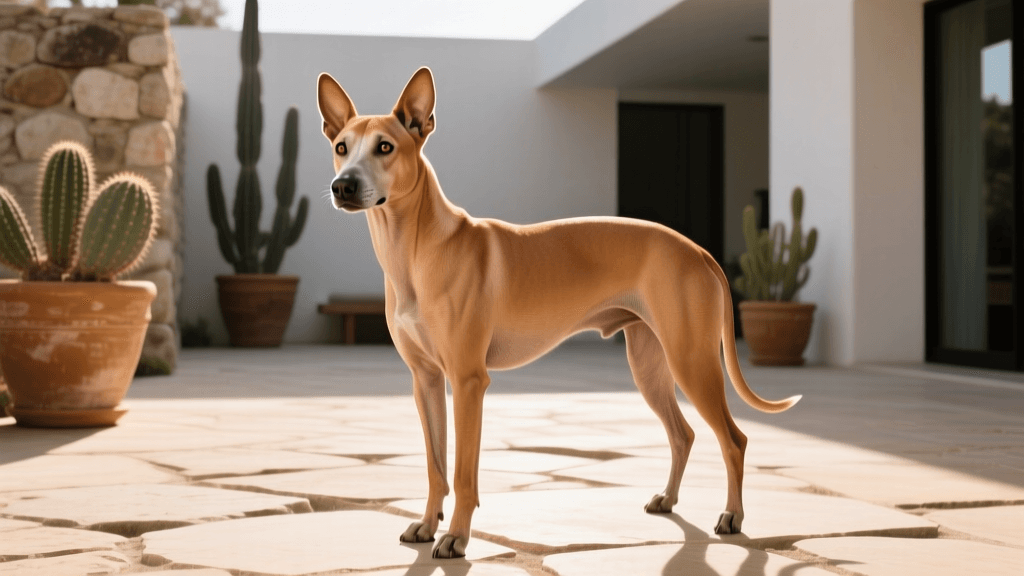
Xoloitzcuintli Dog Breed Guide 2026: Care, Costs & Traits
Discover the exotic Xoloitzcuintli in our 2026 guide. Learn about hairless skincare, primitive temperament, costs, and if this Aztec breed is right for you.
The Resurgence of an Ancient Aztec Companion
The Xoloitzcuintli (pronounced show-low-eats-QUEEN-tlee), often simply called the Xolo, is a breed that turns heads and sparks conversations. As we move through 2026, the demand for rare, exotic, and historically significant dog breeds has surged among discerning dog owners. Originating in Mexico over 3,000 years ago, the Xolo was revered by the Aztecs, Mayans, and Toltecs as a spiritual guide and a healing companion. Today, this ancient sighthound is experiencing a renaissance, prized for its striking appearance, profound loyalty, and relatively robust health. However, bringing an exotic international breed into your home requires specialized knowledge, particularly regarding their unique physical traits and primitive temperament.
Breed Profile: Hairless vs. Coated Varieties
One of the most common misconceptions about the Xoloitzcuintli is that they are all hairless. In reality, the breed comes in two distinct coat varieties: Hairless and Coated. The hairless trait is a dominant genetic mutation, but the recessive coated gene still appears in litters. Both varieties are recognized by major kennel clubs, including the American Kennel Club (AKC). Furthermore, the breed is divided into three distinct size categories: Toy, Miniature, and Standard.
| Trait | Toy / Miniature | Standard |
|---|---|---|
| Height | 10 - 18 inches | 18 - 23 inches |
| Weight | 10 - 30 lbs | 30 - 55 lbs |
| Lifespan | 13 - 18 years | 12 - 15 years |
| Coat Types | Hairless, Coated | Hairless, Coated |
| Primary Role | Companion, Alert Dog | Guardian, Companion, Sighthound |
Temperament: The Alert and Primitive Guardian
The Xolo is not a typical, eager-to-please retriever. They possess a 'primitive' temperament, meaning they retain strong ancestral instincts. They are intensely loyal and affectionate with their immediate family, often forming a deep, almost velcro-like bond with one primary person. However, they are naturally aloof and suspicious of strangers. This makes them exceptional watchdogs; they will alert you to any unusual activity with a sharp bark, but they are not prone to nuisance barking.
Because of their sighthound heritage, Standard Xolos have a high prey drive. They will chase squirrels, rabbits, and even small neighborhood cats if not properly managed. According to the Fédération Cynologique Internationale (FCI) breed standard, the Xolo should be calm, quiet, and highly intelligent, but their independent nature requires a patient, experienced owner who understands canine body language and positive reinforcement techniques.
Specialized Care Requirements for 2026
Owning a hairless Xoloitzcuintli is akin to caring for a human infant's skin. Their lack of a protective fur coat means they are entirely exposed to the elements, requiring a dedicated care routine that goes far beyond standard dog ownership.
Skincare and Sun Protection
Hairless Xolos are highly susceptible to sunburn, which can lead to squamous cell carcinoma. In 2026, veterinary dermatologists strongly recommend applying a dog-safe, veterinary-formulated sunscreen (free of zinc oxide and PABA, which are toxic if ingested) before any outdoor exposure. Additionally, their skin produces excess sebum, making them prone to canine acne and blackheads. A weekly bath using a gentle, oatmeal-based canine cleanser, followed by a dog-safe moisturizing lotion, is essential to maintain their skin barrier.
Climate Control and Smart Beds
Without fur to regulate their body temperature, Xolos feel the cold acutely. In the winter, they require insulated dog sweaters and coats for any outdoor excursions. Conversely, in the summer, they can overheat quickly. Modern dog owners in 2026 are increasingly utilizing smart, temperature-regulating pet beds. These advanced Peltier-effect cooling mats automatically adjust to the dog's body temperature, providing a safe, cool sanctuary during heatwaves without the risk of freezing gel packs.
Dental Anomalies and Oral Health
The FOXI3 gene responsible for the Xolo's hairlessness is intrinsically linked to dental anomalies. It is entirely normal and expected for a hairless Xolo to be missing several teeth, particularly the premolars. While this rarely affects their ability to eat, it does alter the mechanics of their jaw and can lead to accelerated plaque buildup on the remaining teeth. Daily brushing with enzymatic dog toothpaste and annual professional veterinary dental cleanings are non-negotiable for this breed.
Training and Socialization
Early and extensive socialization is critical. Because they are naturally wary, a Xolo that is not exposed to diverse people, environments, sounds, and other animals during their critical developmental window (8 to 16 weeks) can become fearful or reactive. Training should be based on positive reinforcement. Harsh corrections or dominance-based training methods will completely shut down a sensitive Xolo, destroying the trust they have in their handler. Enrolling in puppy kindergarten and advanced obedience classes is highly recommended to build their confidence.
Sourcing a Xoloitzcuintli: Costs, Waitlists, and Imports
Acquiring a Xoloitzcuintli in 2026 requires patience and a significant financial investment. Because they are a rare breed, reputable breeders often have waitlists ranging from 12 to 24 months.
- Domestic Breeders: Expect to pay between $2,500 and $4,500 for a well-bred puppy from a health-tested lineage in the US or Europe.
- Importing from Mexico: Some enthusiasts choose to import directly from Mexican breeders to preserve genetic diversity. This process involves navigating complex international health certificates, USDA/APHIS import regulations, and specialized pet transport services, which can add $1,500 to $3,000 to the total cost.
- Adoption and Rescue: While rare, Xolos and Xolo mixes occasionally end up in sighthound rescues. The United Kennel Club (UKC) and parent breed clubs often maintain referral networks for older dogs needing rehoming.
Pros and Cons of Ownership
Pros:
- Hypoallergenic (hairless variety produces minimal dander)
- Extremely loyal and deeply bonded to their family
- Quiet, clean, and generally odorless
- Long lifespan and robust overall health
Cons:
- High-maintenance skincare and temperature regulation
- Strong prey drive; not always safe with small pets
- Aloof with strangers; requires dedicated socialization
- Rare breed with long waitlists and high initial costs
Final Verdict
The Xoloitzcuintli is not a dog for the casual owner. They demand a proactive approach to skincare, climate management, and behavioral training. However, for the dedicated enthusiast willing to embrace their exotic needs, the Xolo offers an unparalleled, deeply spiritual companionship that connects you to thousands of years of canine history. If you are prepared for the commitment, the Xolo will reward you with a lifetime of fierce, quiet devotion.
marcus-aldridge
All our authors care for dogs every day — read more of their work on the authors page.