A Complete Guide to Adopting a Retired Racing Greyhound
Discover everything about adopting a retired racing Greyhound. Learn about costs, essential gear, home prep, and what to expect in the first month.
Why Choose a Retired Racing Greyhound?
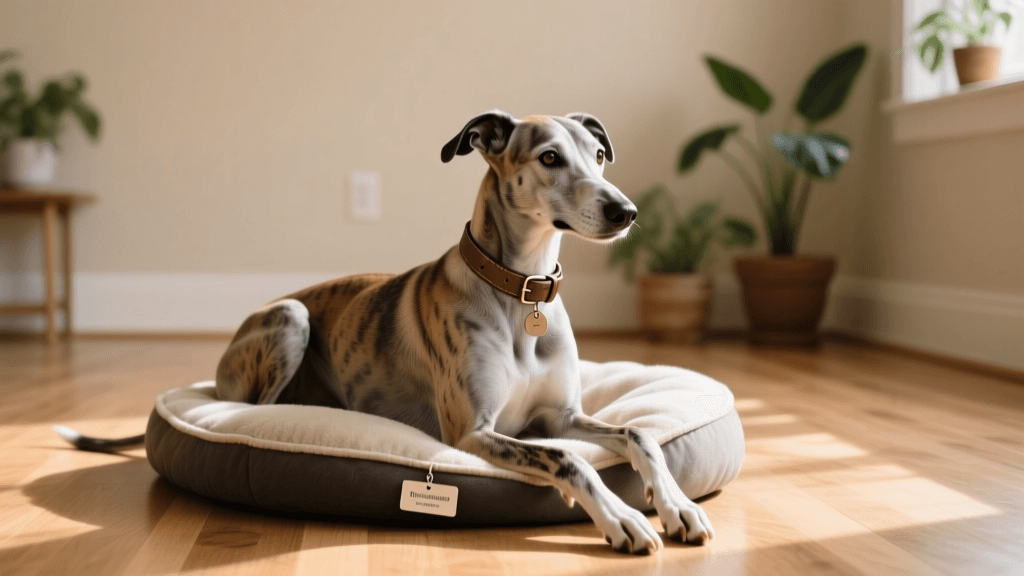
Adopting a dog is a monumental decision that shapes your daily routine, your living space, and your heart. When you picture a Greyhound, you likely imagine the thrill of the track, the blur of speed, and an athlete in constant motion. However, the reality of living with a retired racing Greyhound is vastly different from their public persona. In the dog rescue community, they are affectionately known as '45 MPH couch potatoes.' If you are considering bringing one of these gentle, soulful athletes into your home, this breed-specific deep dive will prepare you for the unique joys and challenges of Greyhound adoption.
According to the American Kennel Club (AKC), Greyhounds are incredibly affectionate, quiet, and surprisingly low-energy indoors. They are sprinters, not marathon runners, meaning a quick 20-minute daily walk is usually sufficient to keep them happy and healthy. However, transitioning a dog from a racing kennel to a suburban home requires specialized gear, environmental adjustments, and a deep understanding of their unique physiology.
Essential Gear: What You Need Before Bringing Them Home
Greyhounds have a unique physical build—deep chests, narrow waists, and long, slender necks. Standard dog gear often fails to accommodate their anatomy. Before your adoption day, ensure you have the following breed-specific essentials:
- Martingale Collar: A Greyhound's neck is often wider than its head, meaning a standard buckle collar will easily slip off if the dog pulls backward. You need a Martingale collar, which tightens slightly under tension to prevent escape. Measurement tip: Most adult Greyhounds require a collar that adjusts between 14 and 18 inches. Brands like Houndstown or Greyhound Collars offer beautifully tailored options.
- Plastic Basket Muzzle: Muzzles are not a sign of aggression; they are a vital safety tool for retired racers. Because Greyhounds have a high prey drive, a muzzle like the Baskerville Ultra is essential for safe introductions to cats, small dogs, or when walking in areas with abundant wildlife. It also prevents them from scavenging dangerous items on walks.
- Winter Coat: Greyhounds have less than 16% body fat and lack an insulating undercoat. They begin to shiver when temperatures drop below 60°F (15°C). Invest in a high-quality, full-coverage coat like the Hurtta Extreme Warmer or the Ruffwear Overcoat Fuse for winter walks.
- Orthopedic Bed: With very little natural padding, Greyhounds are prone to painful pressure sores on their elbows and hips if they sleep on hard floors. You need a large, thick orthopedic bed. The Big Barker 7-inch Pillow Top (Large size, 48x30 inches) is widely considered the gold standard for large, thin-skinned breeds.
First-Year Cost Breakdown
Budgeting for a retired racer is slightly different from budgeting for a standard puppy or adult dog. Below is a realistic table of first-year costs to help you prepare financially.
| Expense Category | Estimated Cost (USD) | Notes |
|---|---|---|
| Adoption Fee | $300 - $500 | Includes spay/neuter, dental cleaning, and basic vetting. |
| Martingale Collar & Leash | $40 - $60 | Must be properly sized for a narrow head. |
| Orthopedic Dog Bed | $150 - $250 | Crucial for preventing joint and skin issues. |
| Winter Coat | $80 - $120 | Necessary for climates with cold winters. |
| Basket Muzzle | $25 - $40 | Required for small animal introductions. |
| Initial Vet Exam | $150 - $250 | Must be a Greyhound-savvy vet for accurate blood baselines. |
| Monthly High-Quality Food | $60 - $90 / month | They typically eat 3-4 cups a day, less than you'd expect. |
Home Preparation: Stairs, Floors, and Fencing
Your home environment is entirely alien to a dog that has spent its life in a flat, grassy paddock and a concrete-block kennel. The National Greyhound Adoption Program (NGAP) emphasizes that home preparation is critical to preventing injuries and reducing anxiety during the first few weeks.
Conquering Stairs and Glass Doors
Many retired racers have never encountered stairs or transparent glass doors. To a Greyhound, a glass door looks like an open hallway, leading to painful collisions. Place decals or temporary tape on all glass doors at the dog's eye level. For stairs, use high-value treats to coax them up and down slowly. Never force or drag a Greyhound on stairs; let them figure out the mechanics at their own pace while you support their hindquarters with a towel or a specialized lifting harness if necessary.
Slippery Floors
Hardwood, laminate, and tile floors are like ice rinks to a Greyhound. Their paws are not accustomed to slick surfaces, and a sudden slip can result in a torn ACL or a splayed shoulder. Before bringing your dog home, lay down cheap area rugs, carpet runners, or even yoga mats in high-traffic areas and near their bed to provide secure traction.
Fencing Requirements
Greyhounds are sighthounds; if they see a squirrel, their instinct is to chase, and they can reach 45 miles per hour in just a few strides. You must have a secure, physical fence. A minimum height of 4 feet is required, though 5 to 6 feet is highly recommended to prevent jumping. Never use an invisible or underground electronic fence. Not only will a Greyhound run right through the shock boundary to chase prey, but their thin skin and low body fat also make them highly susceptible to severe tissue damage from the collar's prongs.
Health and Veterinary Care: The Anesthesia Factor
One of the most critical aspects of Greyhound ownership is finding a 'Greyhound-savvy' veterinarian. According to VCA Animal Hospitals, Greyhounds metabolize certain drugs, particularly barbiturate-based anesthetics, differently than other breeds due to their uniquely low body fat and specific liver enzyme profiles. Standard anesthesia doses can be fatal or cause severe, prolonged recovery times. Furthermore, Greyhounds naturally have lower thyroid hormone levels and higher red blood cell counts than other breeds. A vet unfamiliar with the breed might misdiagnose a healthy Greyhound with hypothyroidism or polycythemia. Always ensure your vet consults Greyhound-specific bloodwork charts before running diagnostic panels.
The First 30 Days: Decompression and Training
The transition period is often referred to as the '3-3-3 Rule': three days to decompress, three weeks to learn your routine, and three months to start feeling truly at home. During the first 30 days, keep your Greyhound's world small. Avoid dog parks, busy pet stores, and large gatherings.
Potty Training
The good news is that retired racers are essentially already kennel-trained; they are taught never to soil their sleeping crates. This translates beautifully to house training. Treat your house like a giant crate. Take them outside on a leash immediately after waking up, after eating, and after play sessions. Praise them heavily and offer a treat the moment they finish their business outside. Accidents will happen, but an enzymatic cleaner like Nature's Miracle will quickly resolve them.
Leash Walking
Greyhounds are used to walking in groups on a lead, but they do not naturally 'heel.' Because of their immense power and deep chests, a standard back-clip harness can actually encourage pulling and put strain on their spine. Use a front-clip harness, such as the Ruffwear Front Range, which gently redirects their momentum toward you when they pull, making walks much more manageable while their leash manners develop.
'Patience is your greatest tool. Your Greyhound has spent their entire life in a structured, predictable racing environment. Give them the grace and time to learn what it means to simply be a beloved pet in a chaotic human world.'
Adopting a retired racing Greyhound is a profoundly rewarding experience. By preparing your home with the right gear, understanding their unique medical needs, and giving them the patience they deserve, you are giving a magnificent athlete the soft, loving retirement they have rightfully earned.
hannah-wickes
All our authors care for dogs every day — read more of their work on the authors page.