Top Quiet Dog Breeds for Apartments in 2026: A Guide
Discover the best low-barking dog breeds for small apartment living in 2026. Compare sizes, exercise needs, and costs for quiet canine companions.
Introduction to Apartment Dog Ownership in 2026
As urban landscapes continue to evolve in 2026, apartment living has become the primary housing choice for millions of young professionals and growing families. With this shift toward high-density living, the criteria for selecting a canine companion have changed dramatically. Modern lease agreements and Homeowner Association (HOA) guidelines now frequently feature strict decibel-limit clauses and zero-tolerance noise policies. Consequently, finding a dog that naturally leans toward a quieter disposition is no longer just a preference; it is a necessity for maintaining a peaceful home and avoiding costly eviction notices.
Choosing a quiet dog breed for an apartment goes beyond simply avoiding loud barkers. It involves evaluating a breed's baseline energy levels, their tendency to vocalize when startled by hallway noises, and their adaptability to confined square footage. In this comprehensive 2026 guide, we will explore the most apartment-friendly, low-barking dog breeds, analyze the financial commitments required, and provide actionable training and gear recommendations to ensure your shared living environment remains tranquil.
Why Bark Volume Matters in Shared Living Spaces
Living in close proximity to neighbors means that your dog's vocalizations are not just your concern. According to the American Kennel Club (AKC), breeds that were historically developed for alerting or hunting tend to possess a genetic predisposition to bark at minor environmental triggers. In an apartment building, the sound of footsteps in the corridor, the hum of an elevator, or the slamming of a car door outside can trigger an alert-barking episode.
While no dog is entirely mute, selecting a breed with a naturally lower drive to vocalize can save you from chronic stress and neighbor disputes. Furthermore, quieter breeds often exhibit a calmer indoor demeanor, making them better suited for the limited square footage of a studio or one-bedroom apartment.
Top 5 Quiet Dog Breeds for Apartments
1. The Greyhound: The 45-MPH Couch Potato
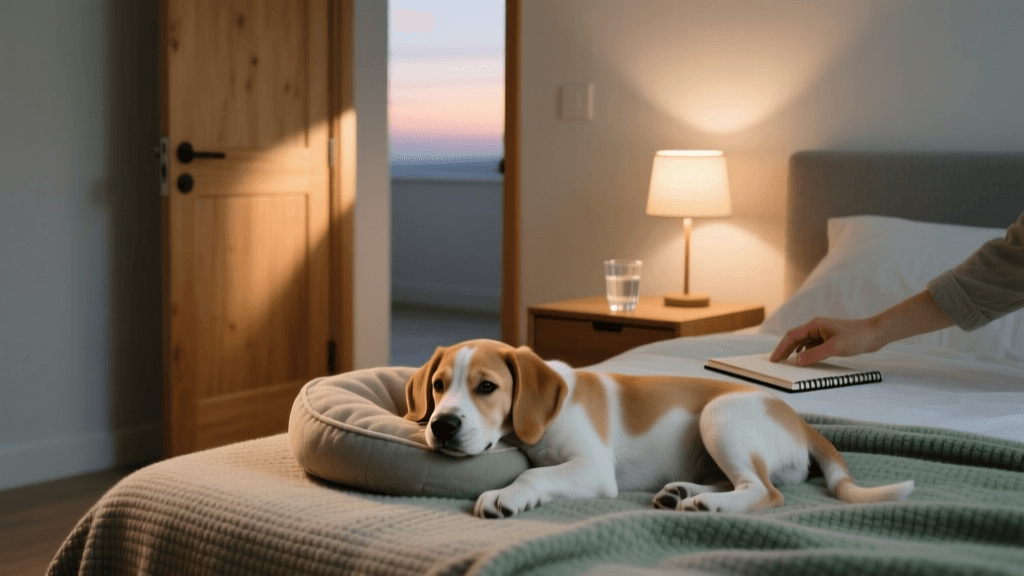
It might seem counterintuitive to recommend a racing breed for a small apartment, but retired Greyhounds are famously known as '45-mph couch potatoes.' In 2026, adoption fees for retired racers typically range from $350 to $550 through specialized rescue organizations. Greyhounds are sprinters, not endurance athletes. A brisk 20-minute morning walk and a short evening stroll are usually sufficient to meet their exercise needs. Indoors, they are notoriously lazy, spending up to 18 hours a day sleeping. They rarely bark, preferring to communicate through soft grunts or by leaning against your legs. Because they have very low body fat, you will need to invest in an orthopedic memory foam bed to prevent joint sores on hard apartment flooring.
2. Cavalier King Charles Spaniel
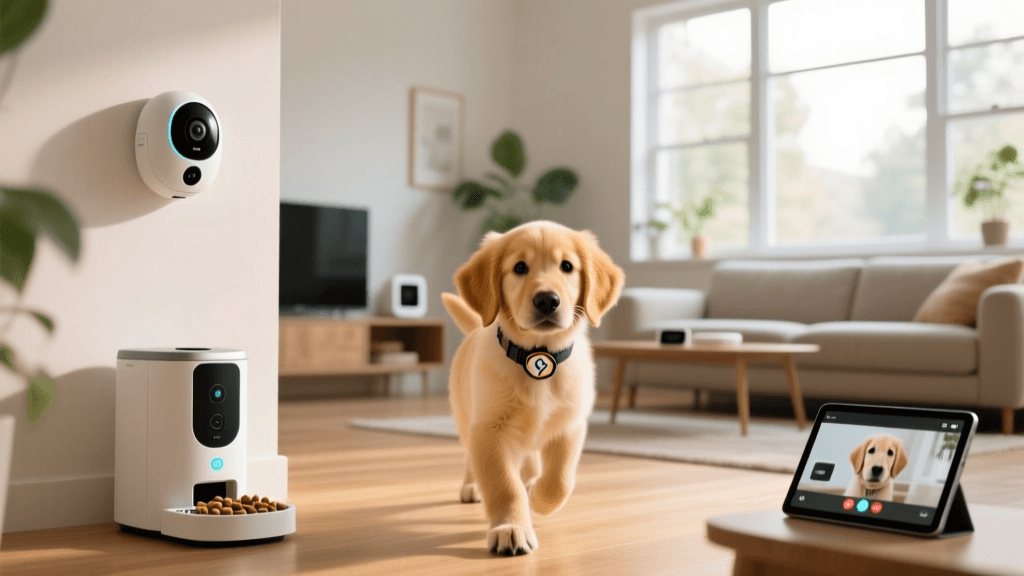
The Cavalier King Charles Spaniel is a quintessential lap dog that thrives on human companionship. They are incredibly gentle, rarely barking without a significant cause. Their moderate energy levels make them perfect for apartment dwellers who enjoy weekend hikes but prefer a relaxed atmosphere during the workweek. However, their deep attachment to their owners means they can be prone to separation anxiety, which might manifest as howling if left alone for long hours. To mitigate this, many 2026 apartment owners utilize interactive pet cameras and hire mid-day dog walkers. When sourcing a Cavalier, ensure the breeder provides 2026-certified cardiac clearances, as the breed is predisposed to mitral valve disease.
3. Shiba Inu
Shiba Inus are often described as 'cat-like' due to their fastidious grooming habits and independent nature. They are generally very quiet dogs and will rarely bark at passing strangers or ambient apartment noise. However, prospective owners must be aware of the infamous 'Shiba scream'—a high-pitched vocalization that occurs only when the dog is highly distressed, annoyed, or improperly handled. With proper socialization and positive reinforcement training, this is easily managed. Shibas require secure leash walking, as their high prey drive makes off-leash apartment courtyard visits risky. Expect to spend around $1,200 to $2,500 for a well-bred Shiba Inu puppy from a reputable preservation breeder.
4. Basset Hound
With their soulful eyes and low-slung bodies, Basset Hounds are incredibly laid-back indoors. They were bred to track scents slowly, meaning they do not require the intense physical exertion of working breeds. A Basset Hound is highly unlikely to pace nervously or bark at the doorbell; they are much more likely to groan and stretch. The primary considerations for a Basset Hound in an apartment are their shedding and their drool. You will need a high-quality air purifier and a strict cleaning routine. Additionally, their long spines require careful management; avoid letting them jump on and off high apartment furniture to prevent intervertebral disc disease (IVDD).
5. French Bulldog
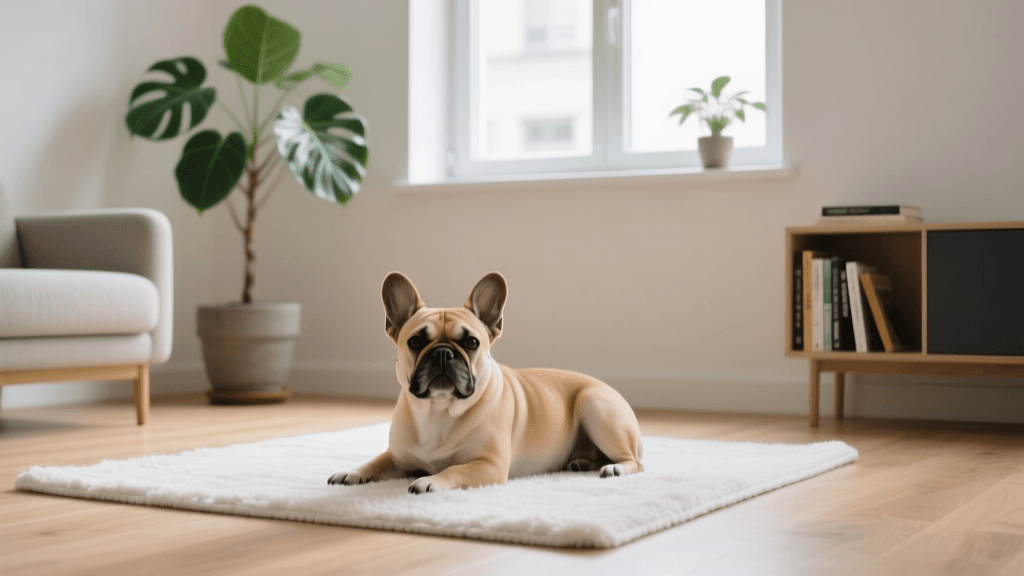
French Bulldogs remain one of the most popular apartment dogs in 2026, and for good reason. Their brachycephalic (flat-faced) anatomy means they physically cannot sustain high-energy activities, making them perfectly content to lounge on a sofa all day. They are notoriously quiet, communicating more through snorts, snores, and head tilts than through barking. The primary drawback is the financial commitment. Due to their specialized health needs, pet insurance premiums for French Bulldogs in 2026 average between $75 and $110 per month. Furthermore, apartment owners must strictly manage indoor temperatures with smart thermostats, as Frenchies are highly susceptible to heatstroke.
Breed Comparison Chart for Apartment Living
Use the table below to compare the essential metrics of these quiet breeds to determine which best fits your lifestyle and budget.
| Breed | Average Weight | Indoor Energy Level | Bark Frequency | Est. Annual Cost (2026) |
|---|---|---|---|---|
| Greyhound | 60-70 lbs | Very Low | Rare | $1,400 |
| Cavalier King Charles | 12-18 lbs | Low to Moderate | Low | $2,200 |
| Shiba Inu | 17-23 lbs | Moderate | Rare | $1,600 |
| Basset Hound | 40-65 lbs | Low | Low | $1,800 |
| French Bulldog | 16-28 lbs | Very Low | Rare | $3,500 |
Essential 2026 Gear for Quiet Apartment Dogs
Even the quietest dog can become disruptive if their environmental needs are not met. Equipping your apartment with the right tools is crucial for maintaining harmony.
- Acoustic White Noise Machines: Hallway noise is a primary trigger for alert barking. Devices like the LectroFan High Fidelity White Noise Machine are excellent for masking the sound of neighbors and elevator dings, keeping your dog in a deep sleep.
- Indoor Potty Solutions: For high-rise dwellers, taking a dog down 15 flights of elevators during a rainstorm is a hassle. Subscription-based indoor grass patches, such as Fresh Patch, provide a hygienic, real-grass solution on your balcony or in a designated bathroom corner, reducing the anxiety that can lead to indoor whining.
- Sound-Dampening Crates: If your dog experiences anxiety during thunderstorms or fireworks, a crate fitted with acoustic dampening panels can create a secure, muffled sanctuary, preventing panic-induced howling.
- Mental Enrichment Toys: Boredom leads to vocalization. Frozen lick mats and complex puzzle feeders keep your dog's mind occupied and their mouth busy, naturally inhibiting barking while you work from home.
Training Tips to Minimize Barking
While genetics play a massive role in a dog's vocal tendencies, environmental conditioning is equally important. According to behavioral guidelines published by the ASPCA, punishing a dog for barking often increases their underlying anxiety, leading to more vocalization in the long run. Instead, focus on desensitization and counter-conditioning.
Pro-Tip for Apartment Dwellers: Record the sounds of your specific apartment building—knocking on your front door, the intercom buzzing, the elevator chiming. Play these sounds at a very low volume while feeding your dog high-value treats. Gradually increase the volume over several weeks. This rewires your dog's brain to associate triggering apartment noises with positive rewards rather than threats.
Teaching the 'quiet' command is also highly effective. When your dog barks at a window, acknowledge the trigger by saying 'thank you,' then call them away to a designated mat and reward them for settling. This validates their instinct to alert while giving them a clear, rewarded alternative behavior.
Conclusion: Making the Right Choice
Bringing a dog into an apartment requires careful consideration of both the animal's needs and the realities of shared walls and close-quarters living. By selecting a breed with a naturally lower propensity to bark and pairing that choice with modern 2026 apartment-living gear and positive reinforcement training, you can create a deeply fulfilling environment for both you and your pet.
Before committing to a breeder, remember that many quiet, apartment-adaptable breeds and mixed breeds end up in shelters. The Humane Society of the United States strongly encourages prospective owners to consult with rescue coordinators who can evaluate an adult dog's temperament and noise levels in a foster home setting, ensuring a perfect match for your apartment lifestyle.
priya-sutaria
All our authors care for dogs every day — read more of their work on the authors page.