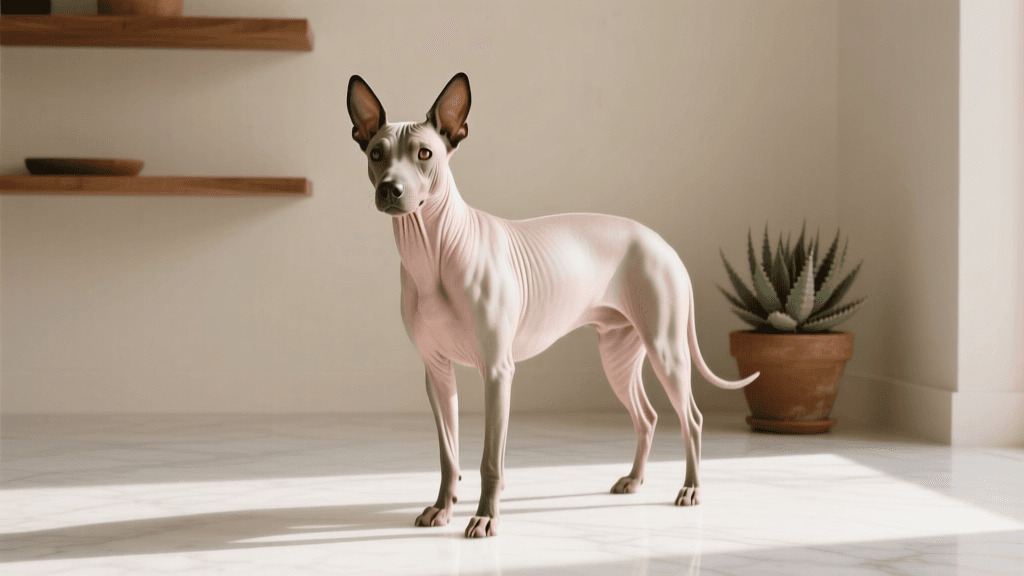
The Xoloitzcuintli Dog Guide 2026: Care and Costs
Discover everything about owning a Xoloitzcuintli in 2026. Learn about hairless skincare, dental health, temperament, and accurate first-year costs.
Introduction to the Xoloitzcuintli
The Xoloitzcuintli, often affectionately called the Xolo or Mexican Hairless Dog, is one of the oldest and rarest breeds in the world. With a lineage stretching back over 3,000 years to ancient Mesoamerican civilizations, this breed was revered by the Aztecs, Maya, and Toltecs as spiritual guides and healers. Today, in 2026, the Xoloitzcuintli remains an exotic and highly sought-after companion for dedicated dog enthusiasts who appreciate its unique appearance, profound loyalty, and primitive intelligence.
Choosing to bring a Xolo into your home is not a decision to be made lightly. Unlike more common breeds, the Xolo requires specialized care, particularly regarding its skin, dental health, and temperature regulation. According to the American Kennel Club (AKC), the Xolo is a calm, alert, and deeply bonded breed that thrives in structured, affectionate environments. This comprehensive guide will walk you through everything you need to know about Xolo ownership, from breed characteristics to the real costs and skincare routines required in 2026.
Breed Characteristics and Size Variations
One of the most fascinating aspects of the Xoloitzcuintli is that it comes in three distinct size varieties, all of which are judged by the same breed standard. When preparing your home for a Xolo, you must first decide which size fits your living situation and lifestyle.
- Toy Xolo: Standing 10 to 14 inches tall and weighing 10 to 15 pounds. Ideal for apartment living, though they still require daily mental stimulation and moderate exercise.
- Miniature Xolo: Standing 14 to 18 inches tall and weighing 15 to 30 pounds. A versatile middle-ground that adapts well to both active singles and families with older children.
- Standard Xolo: Standing 18 to 23 inches tall and weighing 30 to 55 pounds. A robust, athletic dog that requires ample space, vigorous daily exercise, and advanced obedience training.
Regardless of size, Xolos are known for their sleek, muscular build, large bat-like ears, and almond-shaped eyes. They possess a 'primitive' temperament, meaning they are highly intelligent but can be independent, aloof with strangers, and possess a strong prey drive. Early socialization is non-negotiable for this breed.
Hairless vs. Coated Xolos: Understanding the Genetics
While the hairless variety is the most famous, the Xoloitzcuintli actually comes in two distinct coats: Hairless and Coated. The hairless trait is caused by a dominant gene mutation. Interestingly, because the hairless gene is dominant, breeding two hairless Xolos will produce a litter with both hairless and coated puppies. The coated variety features a short, flat layer of fur covering the entire body and requires none of the intensive dermatological care of its hairless counterparts.
However, the hairless Xolo is entirely devoid of hair on its body, though it may sport a tuft of coarse hair on its head, tail, and toes. The skin of a hairless Xolo is thick, resilient, and surprisingly warm to the touch. Prospective owners must understand that choosing a hairless Xolo means committing to a lifelong skincare regimen, as their exposed skin is susceptible to environmental damage, acne, and temperature extremes.
2026 Cost Breakdown: Buying and Upkeep
As of 2026, the Xoloitzcuintli remains a rare breed outside of Mexico, which significantly drives up the initial purchase price. Reputable breeders prioritize health testing, genetic diversity, and early neurological stimulation, which is reflected in their pricing. Importing a Xolo directly from a premier Mexican breeder can push costs even higher due to international transport, health certifications, and quarantine protocols.
Estimated First-Year Costs for a Xoloitzcuintli (2026)
| Expense Category | Estimated Cost (USD) | Notes |
|---|---|---|
| Puppy Purchase Price | $2,500 - $5,500+ | Varies by size, lineage, and hairless vs. coated. |
| Initial Veterinary & Vaccines | $600 - $900 | Includes core vaccines, microchipping, and spay/neuter. |
| Skincare & Sun Protection | $300 - $500 | Dog-safe sunscreen, specialized shampoos, moisturizers. |
| Apparel & Climate Control | $250 - $450 | Winter coats, cooling vests, smart heating beds. |
| High-Quality Diet | $600 - $1,000 | Premium kibble or balanced raw/fresh food diets. |
| Training & Socialization | $400 - $800 | Puppy kindergarten and primitive breed behaviorist. |
| Total First-Year Estimate | $4,650 - $9,150 | Excludes emergency veterinary care or pet insurance. |
Essential Skincare and Health Maintenance
Owning a hairless Xolo is often compared to caring for human skin. Without a protective coat, their skin is directly exposed to the elements. A proactive, daily skincare routine is essential to prevent painful conditions and maintain the skin's natural barrier.
Sun Protection and Moisturizing
Xolos are highly susceptible to sunburn, which can lead to premature aging of the skin and increase the risk of canine squamous cell carcinoma. When taking your Xolo outdoors during peak UV hours, applying a dog-safe sunscreen is mandatory. As noted by PetMD veterinary experts, human sunscreens often contain zinc oxide or PABA, which are highly toxic to dogs if ingested during grooming. In 2026, top-rated canine sunscreens like Epi-Pet and Warren London offer non-toxic, water-resistant formulas specifically designed for hairless breeds.
Bathing should occur every one to two weeks using a gentle, canine-specific salicylic acid or oatmeal shampoo to prevent blackheads and canine acne. After bathing, applying a dog-safe, non-comedogenic moisturizer or coconut oil helps maintain skin elasticity and prevents cracking during dry winter months.
Dental Care: The Hidden Challenge
The same dominant gene that causes hairlessness in Xolos is also linked to dental anomalies, specifically the absence of premolars. While missing teeth are a recognized breed trait and do not disqualify them from the show ring, it alters how they chew and can lead to rapid plaque buildup and periodontal disease on the remaining teeth.
Daily tooth brushing with enzymatic dog toothpaste is non-negotiable. Additionally, incorporating veterinary-approved water additives and scheduling bi-annual professional dental cleanings under anesthesia will help preserve your Xolo's oral health well into their senior years.
Temperature Regulation and Apparel
Because they lack an insulating undercoat, hairless Xolos cannot regulate their body temperature as efficiently as coated breeds. They lose body heat rapidly in cold weather and can easily overheat or suffer sunstroke in the summer.
For owners in colder climates, investing in high-quality canine apparel is a necessity, not a luxury. Brands like Hurtta and Ruffwear offer insulated winter jackets that cover the Xolo's long torso and neck. Indoors, providing a self-warming bed or a smart pet heating pad set to a safe, low temperature will ensure your dog remains comfortable. Conversely, during the summer, cooling mats and breathable UV-protection shirts are vital for outdoor excursions.
Training and Socializing a Primitive Breed
The Xoloitzcuintli is not a beginner's dog. Their primitive nature means they are highly observant, deeply bonded to their primary caregiver, and often aloof or suspicious of strangers. They do not possess the eager-to-please, biddable nature of a Golden Retriever or Labrador.
Positive reinforcement training, utilizing high-value treats and clicker markers, is the most effective method. Harsh corrections or dominance-based training will cause a Xolo to shut down and destroy the trust you have built. Early socialization—exposing the puppy to diverse environments, surfaces, sounds, and friendly strangers between 8 and 16 weeks of age—is critical to preventing fear-based reactivity later in life.
Finding a Reputable Breeder or Rescue
Due to their rarity and striking appearance, Xolos are occasionally targeted by backyard breeders and puppy mills who prioritize the hairless aesthetic over health and temperament. When searching for a Xolo puppy in 2026, always demand proof of OFA (Orthopedic Foundation for Animals) health clearances for patellas, hips, and cardiac health.
Reach out to the Xoloitzcuintli Club of America or consult the AKC Marketplace to find verified breeders who participate in conformation, agility, or therapy work. If you prefer to adopt, breed-specific rescues occasionally have adult Xolos or Xolo mixes in need of experienced, patient homes. Be prepared to undergo a rigorous interview process; ethical breeders and rescues will scrutinize your living situation, veterinary references, and understanding of the breed's unique needs.
Conclusion
The Xoloitzcuintli is a magnificent, ancient breed that offers unparalleled loyalty and a deeply spiritual connection to its owner. However, bringing a Xolo into your home requires a significant commitment of time, finances, and specialized care. From managing their delicate skin and dental health to accommodating their temperature sensitivities, the Xolo demands an owner who is prepared to treat their dog's care as a daily ritual. If you are willing to embrace the unique challenges of this exotic breed, the Xoloitzcuintli will reward you with a profound, quiet devotion that has captivated humans for over three millennia.
anouk-beaumont
All our authors care for dogs every day — read more of their work on the authors page.